filter_list Showing 8 results for "Deutscher Pavillon" close Clear
search
dashboard All 13 museum exhibitions 8article news 2article culture 1person people 1rate_review review 1
date_range Range Today This Week This Month All
Subscribe

Venice in Crisis Mode

Venedig im Krisenmodus

The 61st Venice Biennale has opened under extraordinary circumstances, marked by political protests, a jury resignation, and canceled awards. The Biennale's jury resigned en masse after announcing they would exclude Israeli and Russian contributions from their decisions, leading to the cancellation of the Golden Lion awards and a crisis over the international competition's legitimacy. A newly introduced audience prize also faced boycotts from artists in solidarity. Protests, closed pavilions, and pro-Palestinian actions dominated the preview days, with artists pasting protest posters directly onto their works, reflecting heightened tensions.

Deutscher Pavillon wird zum Plattenbau

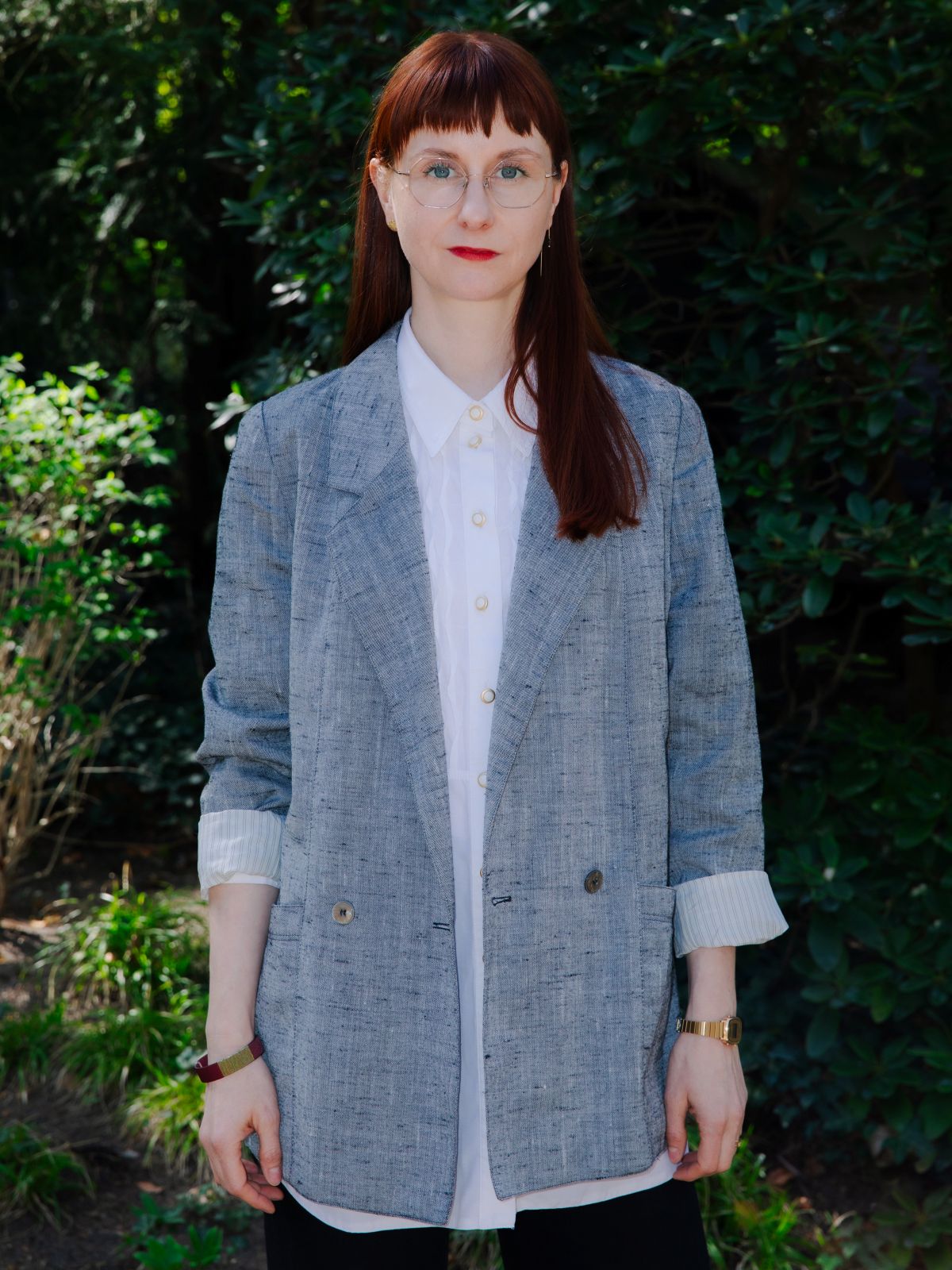
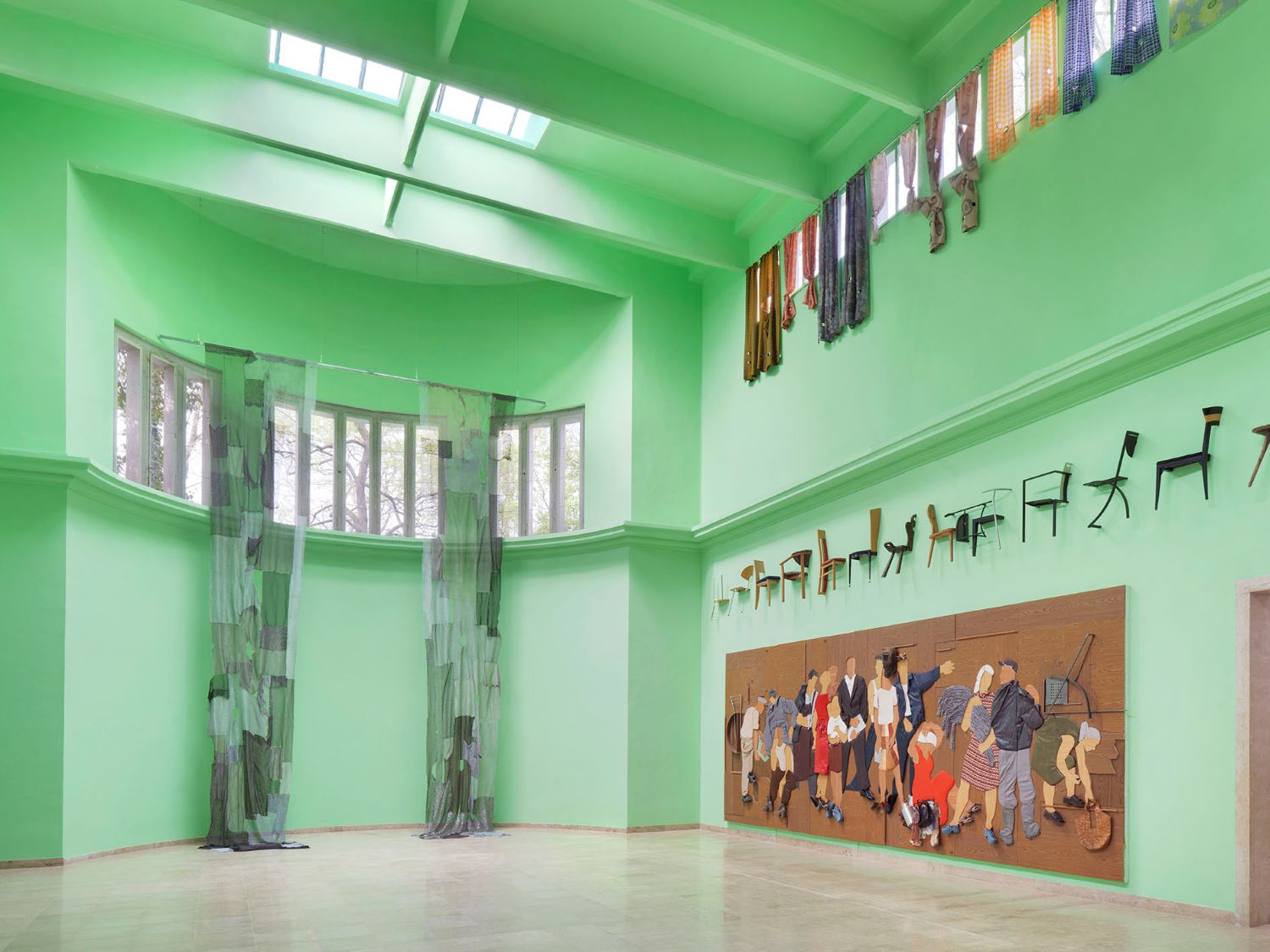
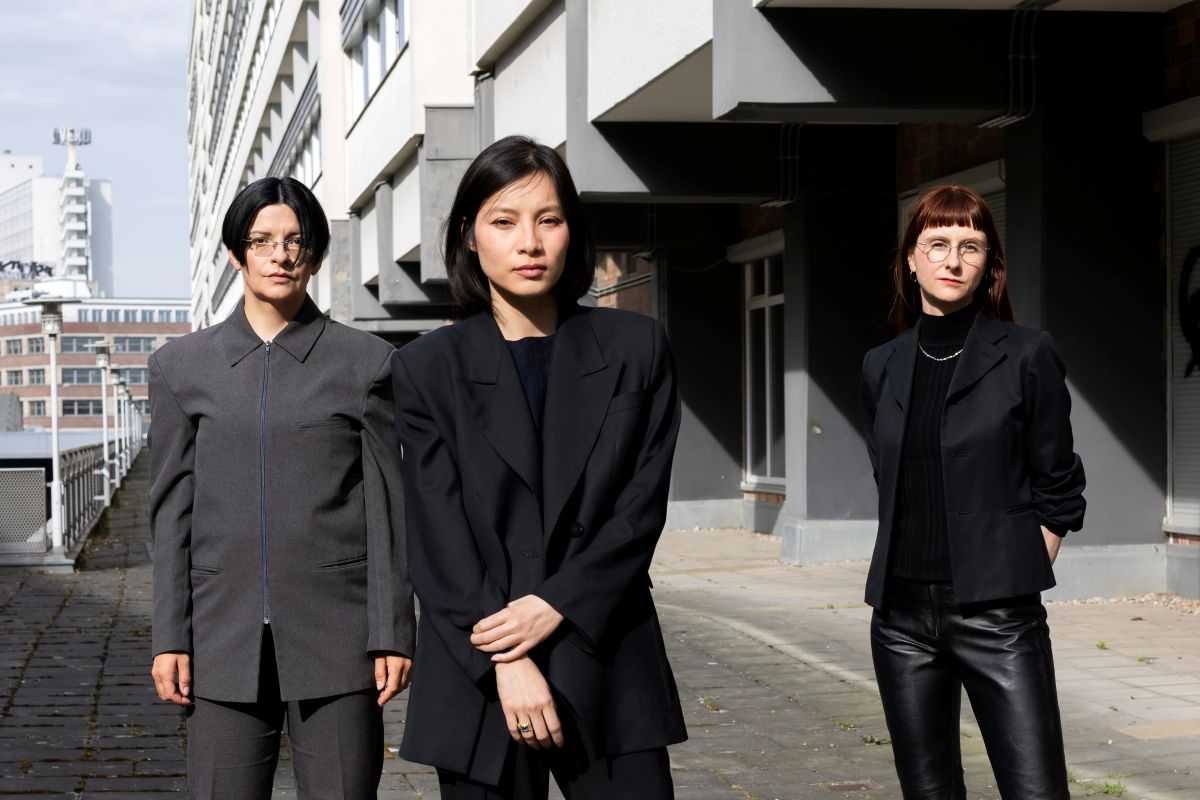
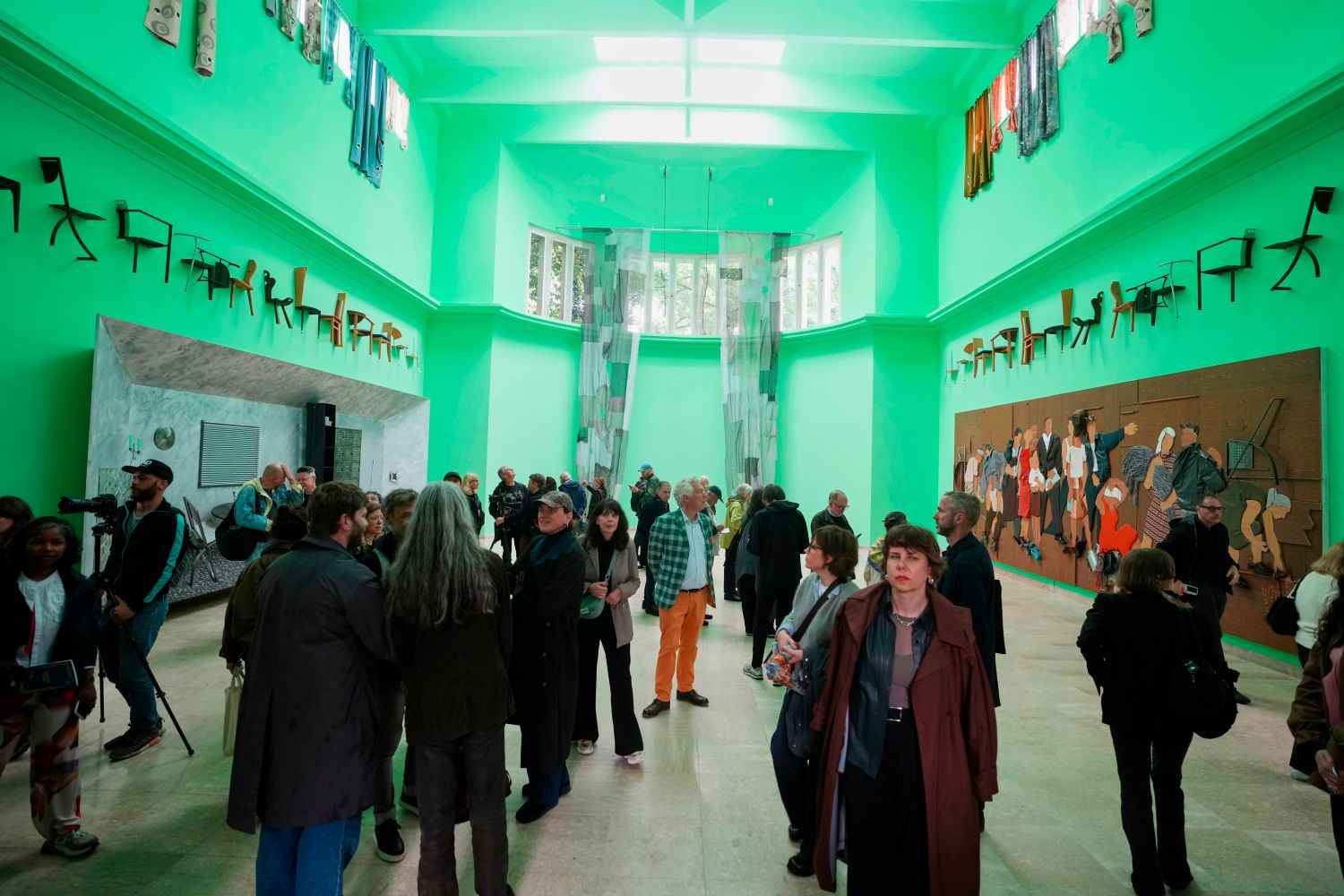
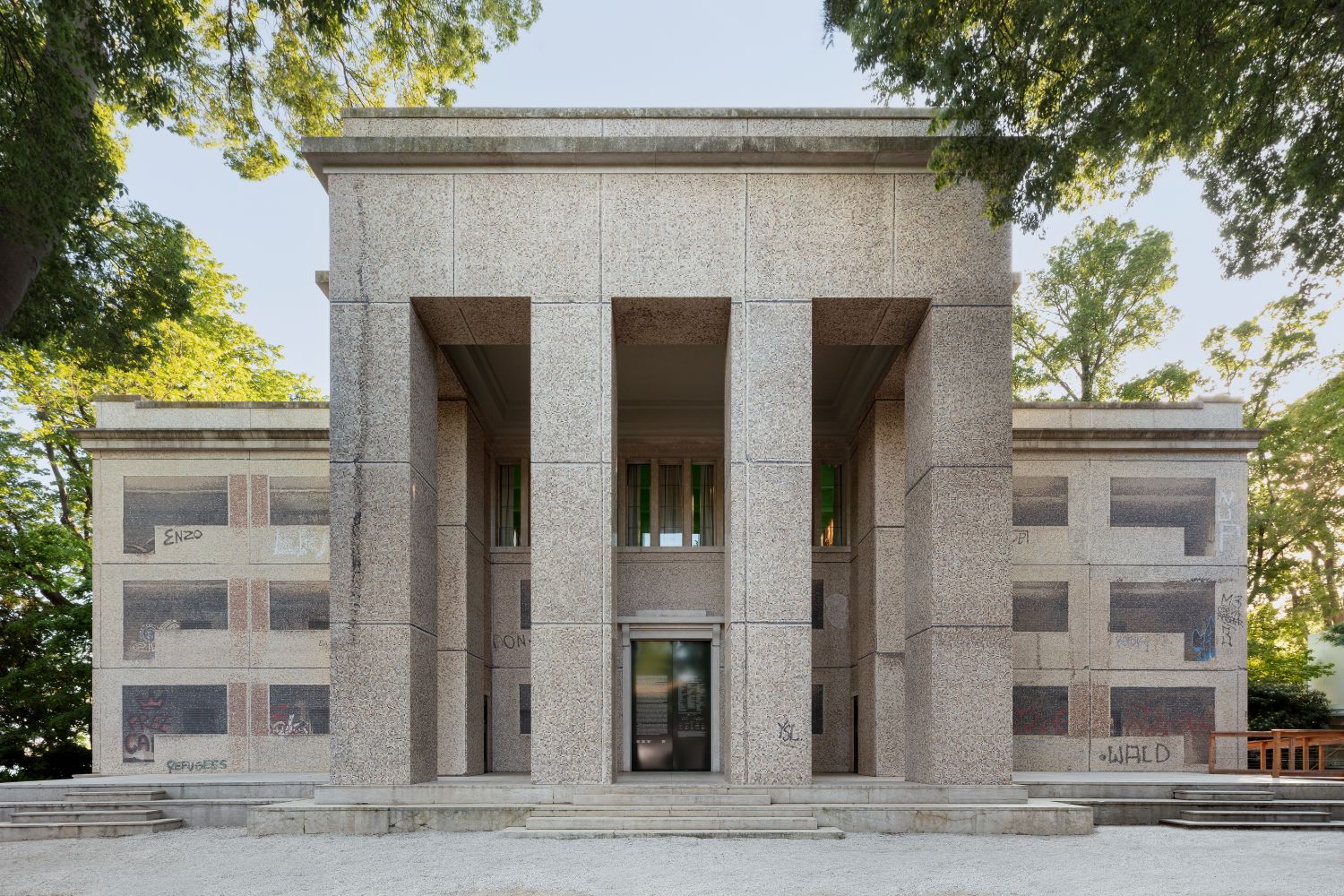
The German Pavilion at the Venice Art Biennale has been transformed into a prefabricated concrete slab building (Plattenbau) for this year's edition, designed by artists Sung Tieu and the late Henrike Naumann, who died suddenly in February at age 41 from cancer. Curator Kathleen Reinhardt described the pavilion as part of a highly political Biennale, with Tieu covering the 1938 fascist-era building with a mosaic of over three million tiles depicting a Berlin apartment block that once housed Vietnamese contract workers. Naumann's interior installation features mint-green references to Soviet barracks in East Germany, a cartography of war, and works including a relief of chairs, a curtain of chainmail, and the performance "Trümmerfrau."

"Hier darf laut gelacht werden"

During the opening week of the Venice Biennale, multiple reports detail controversies surrounding the Israeli and Russian pavilions. According to Hyperallergic, artist Belu-Simion Fainaru of the Israeli pavilion threatened legal action against the Biennale after the jury sought to exclude Israel and Russia from prizes over alleged human rights violations, citing antisemitism and nationality-based discrimination. This may have prompted the jury's sudden resignation. Meanwhile, taz reports that Russia's pavilion is a macabre 'dance of death' blending techno and political denial, while Israel's pavilion faces a 'silent boycott' and social ostracism. Zeit describes protests by Pussy Riot and Femen outside the Russian pavilion as a defining image, with activists chanting 'blood sticks to the art of this country.'

A sturdy soldier in a sequin dress

"Eine kräftige Soldatin im Paillettenkleid"

Media reviews of the Venice Biennale's opening week offer contrasting takes on the German and US pavilions. Critics describe the German pavilion, curated by Sung Tieu and Henrike Naumann, as a dense, ironic East-West narrative that layers Nazi architecture with DDR prefab construction, creating what Jörg Häntzschel calls a "shockingly seamless symbiosis." The US pavilion, featuring sculptures by Alma Allen, is panned by Maximilíano Durón in ArtNews as politically timid and empty, lacking the clear colonial critiques of previous editions by Simone Leigh and Jeffrey Gibson.

The Backlash Is Here

"Der Backlash ist da"

Kathleen Reinhardt, the curator of the German Pavilion at the Venice Biennale, has announced her concept featuring artists Sung Tieu and Henrike Naumann under the title "Ruin." The exhibition will use East Germany as a prism to explore themes of power, history, and the present. Reinhardt was invited to submit a concrete concept and specific artists for this edition of the pavilion.

History Made Material

Material gewordene Geschichte

The German Pavilion at the 61st Venice Biennale has been transformed by artist Sung Tieu, who clad its Nazi-era facade with millions of small marble tiles to replicate the look of a prefabricated East German apartment block—specifically the Gehrenseestraße housing complex in Berlin where she spent part of her childhood. Inside, the exhibition features glass casts of her mother's limbs, aluminum beams evoking cramped living quarters, and works by the late Henrike Naumann, all curated by Kathleen Reinhardt to explore bureaucracy, migration, and systemic violence.

It's a Rollercoaster of Emotions

"Es ist ein Wechselbad der Gefühle"

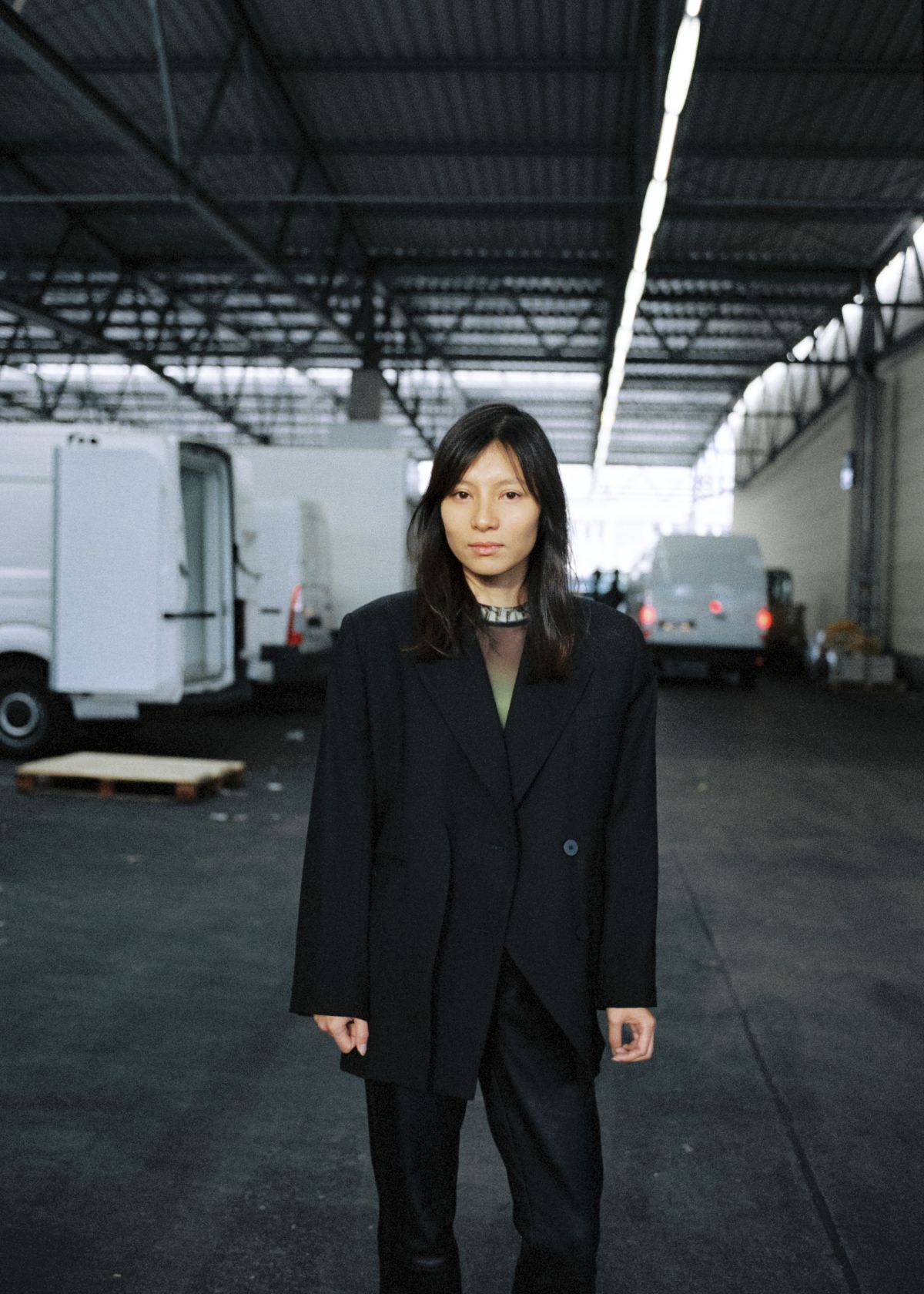
Sung Tieu has been selected to represent Germany at the Venice Biennale with a solo exhibition in the German Pavilion. In an interview with Monopol, she discusses how her personal biography—as a Vietnamese-German artist—informs her practice, which examines Vietnamese migration to East Germany, the rise of right-wing extremism, and the cold, bureaucratic language of state power. The exhibition will bring these themes to an international audience in Venice.

A Different Germany

Ein anderes Deutschland

The German Pavilion at the Venice Biennale, historically burdened by its Nazi-era origins, presents a new exhibition titled "Ruin." For the first time, the pavilion explicitly adopts an East German perspective, confronting its fraught past from a fresh angle. The show features massive pillars and a prominent "Germania" inscription above the entrance, directly engaging with the building's controversial history.