filter_list Showing 12 results for "Poland" close Clear
search
dashboard All 23 museum exhibitions 12article news 10trending_up market 1
date_range Range Today This Week This Month All
Subscribe

He’s behind you! The best of Photo London – in pictures

Photo London, the UK's leading photography fair, launches its 11th edition at a new venue, Olympia in Kensington, London, running from 13–17 May 2026. The fair features a diverse array of exhibitors, including debutants like Agony and Ecstasy gallery, which showcases nostalgic works of Ibiza by Oriol Maspons and Walter Rudolph, and Hackney-based Guest Editions, presenting Laura McCluskey and Thomas Duffield. A new 'Focus' section highlights galleries from Latin America and Central and Eastern Europe, such as Ungallery (Argentina) and Galeria Monopol (Poland). Notable presentations include vintage prints by Japanese master Daido Moriyama at Akio Nagasawa Gallery, and Ketaki Sheth's series 'Twinspotting' at Photoink, which pairs Patel twins in the UK with those in India.

« À qui appartiennent ces œuvres ? » : le destin des biens culturels spoliés par les nazis au cœur d’un nouvel espace au musée d’Orsay

On May 5, the Musée d'Orsay in Paris inaugurated a new dedicated space in the Pavillon Amont for artworks looted during World War II that remain unclaimed by their owners or heirs. The room, titled "À qui appartiennent ces œuvres ?" ("Who owns these works?"), features thirteen pieces including sculptures by Auguste Rodin and paintings by Auguste Renoir, Edgar Degas, and Eugène Boudin. These represent a fraction of the museum's 225 MNR (Musées nationaux récupération) holdings, part of a national legacy of approximately 2,000 looted works still held in French museums.

Venice Biennale 2026: What are the major trends that will mark the 99 national pavilions?

Biennale de Venise 2026 : quelles sont les grandes tendances qui vont marquer les 99 pavillons nationaux ?

The article previews the 2026 Venice Biennale, highlighting key trends across its 99 national pavilions. Major themes include the hybridization of theater, dance, and performance, particularly in pavilions from Austria, Luxembourg, Belgium, and Lithuania, where artists like Florentina Holzinger, Aline Bouvy, Miet Warlop, and Eglė Budvytytė use radical, body-centric works. Geopolitical engagement is also central, with the Ukrainian pavilion featuring Zhanna Kadyrova's work on resistance and the British pavilion exploring themes of exile and migration. Other notable pavilions include Spain's focus on imagery, a sound installation for the Vatican, a polyphonic piece for Romania, and a film on sign language song for Poland.

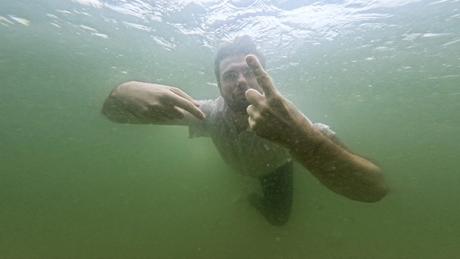
Polish pavilion at Venice Biennale explores fluidity of language with film recorded underwater

Poland's entry for the 2024 Venice Biennale, titled *Liquid Tongues*, is an audio-video installation by artists Bogna Burska and Daniel Kotowski. The work centers on a performance by the Chór w Ruchu (Choir in Motion), which includes both hearing and deaf performers, with much of the content filmed underwater in a Warsaw swimming pool. Presented across two screens in the Polish pavilion, the installation draws inspiration from whale song to explore alternative modes of communication, using spoken English and International Sign. The project builds on a previous performance at Warsaw's Zachęta National Gallery of Art and was developed in close collaboration with curators Ewa Chomicka and Jolanta Woszczenko.

Recensione, interviste e migliori stand della fiera d’arte contemporanea di Varsavia. Che cresce

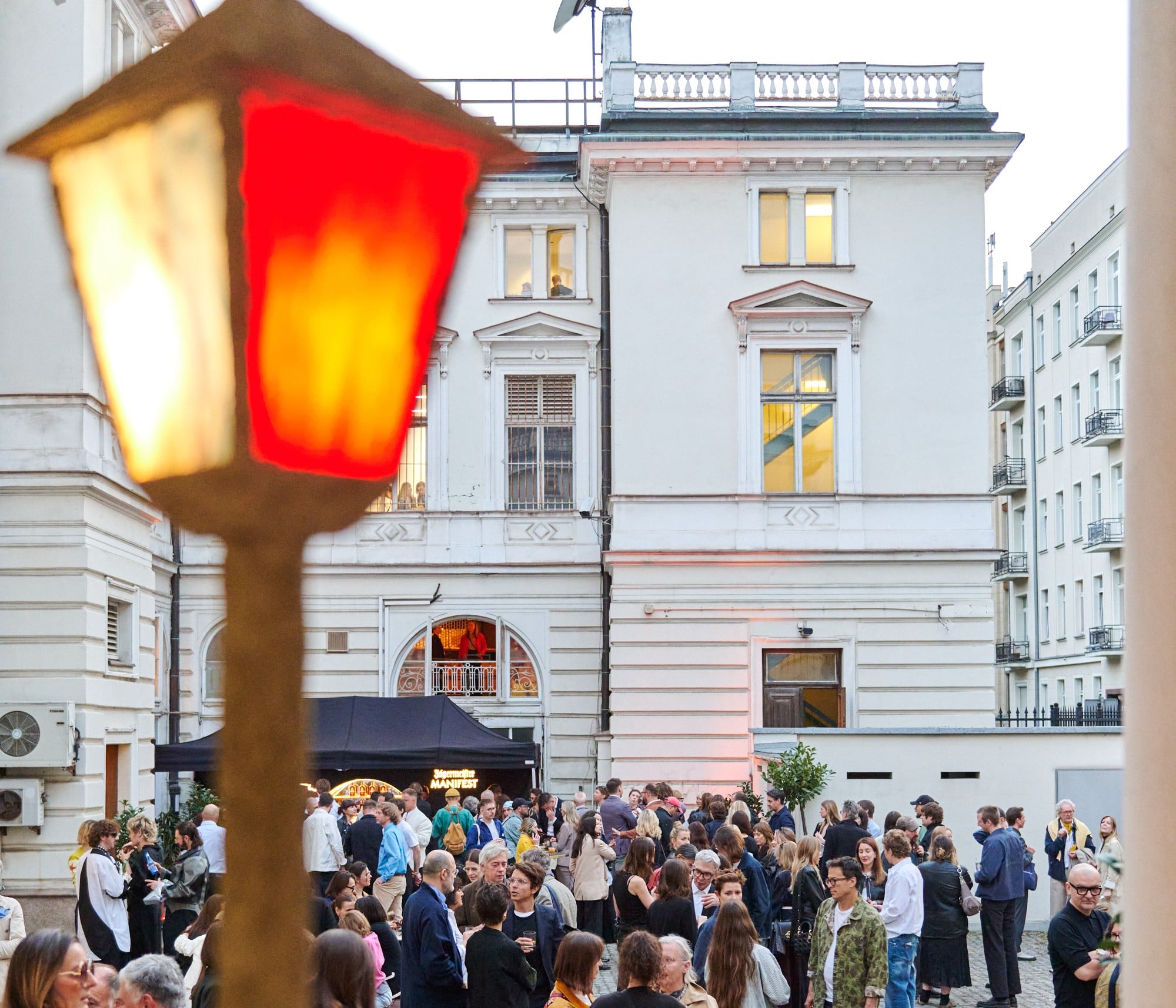
Art Warsaw returns for its third edition, this time held in the historic Villa Róż, a former British embassy in Warsaw. The fair features 56 galleries, over 30 of which are international, and is co-founded by Joanna Witek-Lipka and Michał Kaczyński. The unconventional venue, with its blend of aristocratic luxury and Cold War-era bureaucratic spaces, is central to the fair's identity, offering an experience far removed from the typical white cube format. Galleries collaborated closely with organizers to adapt their presentations to the building's unique rooms, creating an atmosphere that balances a commercial fair with an exhibition project.

In Warsaw, the Poster Museum reopens and it is the oldest in the world

A Varsavia riapre il Museo del Manifesto ed è il più antico del mondo

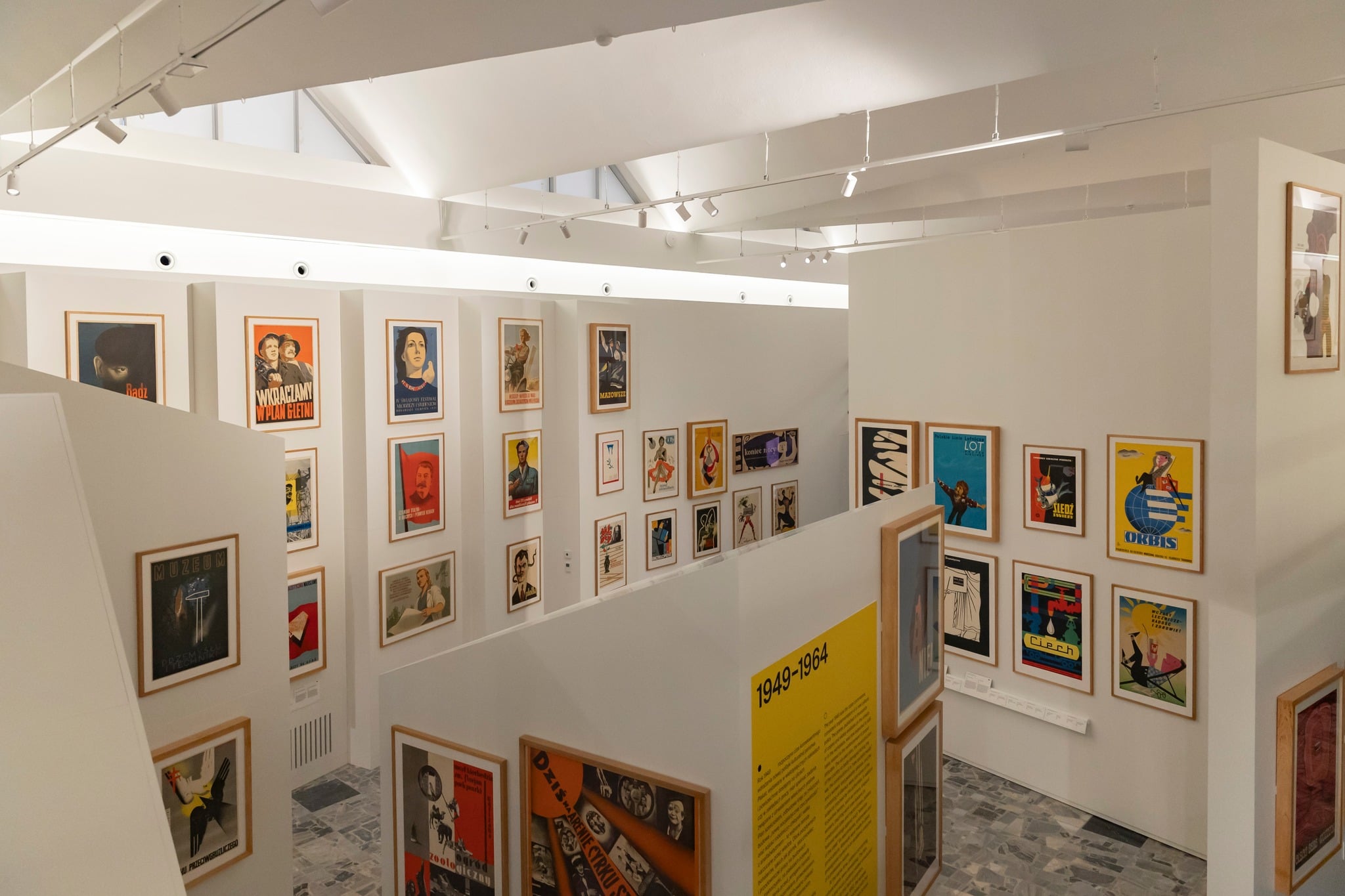
The Poster Museum in Wilanów, a suburb of Warsaw, has reopened after a major conservation restoration co-financed by the Polish Ministry of Culture and National Heritage. Founded in 1968 as an autonomous institution from the National Museum in Warsaw, it is the oldest museum of its kind in the world. Its collection now holds approximately 63,000 posters from Poland and abroad, dating from the late 19th century to the present, including works by Pablo Picasso, Andy Warhol, and Stasys Eidrigevičius. The reopening exhibition, "Polish Posters: The Collection," features 240 works spanning 130 years of Polish urban life, covering themes from politics and propaganda to cinema, theater, music, and fashion. The museum also hosts the International Poster Biennale, founded in 1966, with the next edition scheduled for 2027.

Ukrainian art resists war

An exhibition titled "Still Joy" opened in Venice during the preview days of the Biennale, organized by the Pinchuk Art Center in Kiev, showcasing Ukrainian art that responds to the ongoing war with Russia. The show features works by artists including Kateryna Aliinyk, Piotr Armianovski, Roman Khimei and Yarema Malashchuk, Zhanna Kadyrova, Alevtina Kakhidze, and Nikita Kadan, addressing themes of resilience, memory, and resistance. The Ukrainian Pavilion at the Biennale also centers on the conflict, with Kadyrova's work referencing the Budapest Memorandum. Many of these artists have chosen to remain in Ukraine despite the dangers, keeping the cultural scene alive.

Bogna Burska and Daniel Kotowski on Representing Poland at the 61st Venice Biennale

Bogna Burska and Daniel Kotowski, representing Poland at the 61st Venice Biennale, plan to exhibit a project inspired by the Choir in Motion (a phonic/sign-language ensemble of hearing and Deaf people), underwater role reversals, and whale communication. Their work explores alternate forms of communication, Deaf Gain, and the retrieval of voices—both human and non-human—aligning with the Biennale's theme "In Minor Keys." The Polish pavilion is located in the Giardini.

Biennale Arte 2026: which national pavilions strike us and why

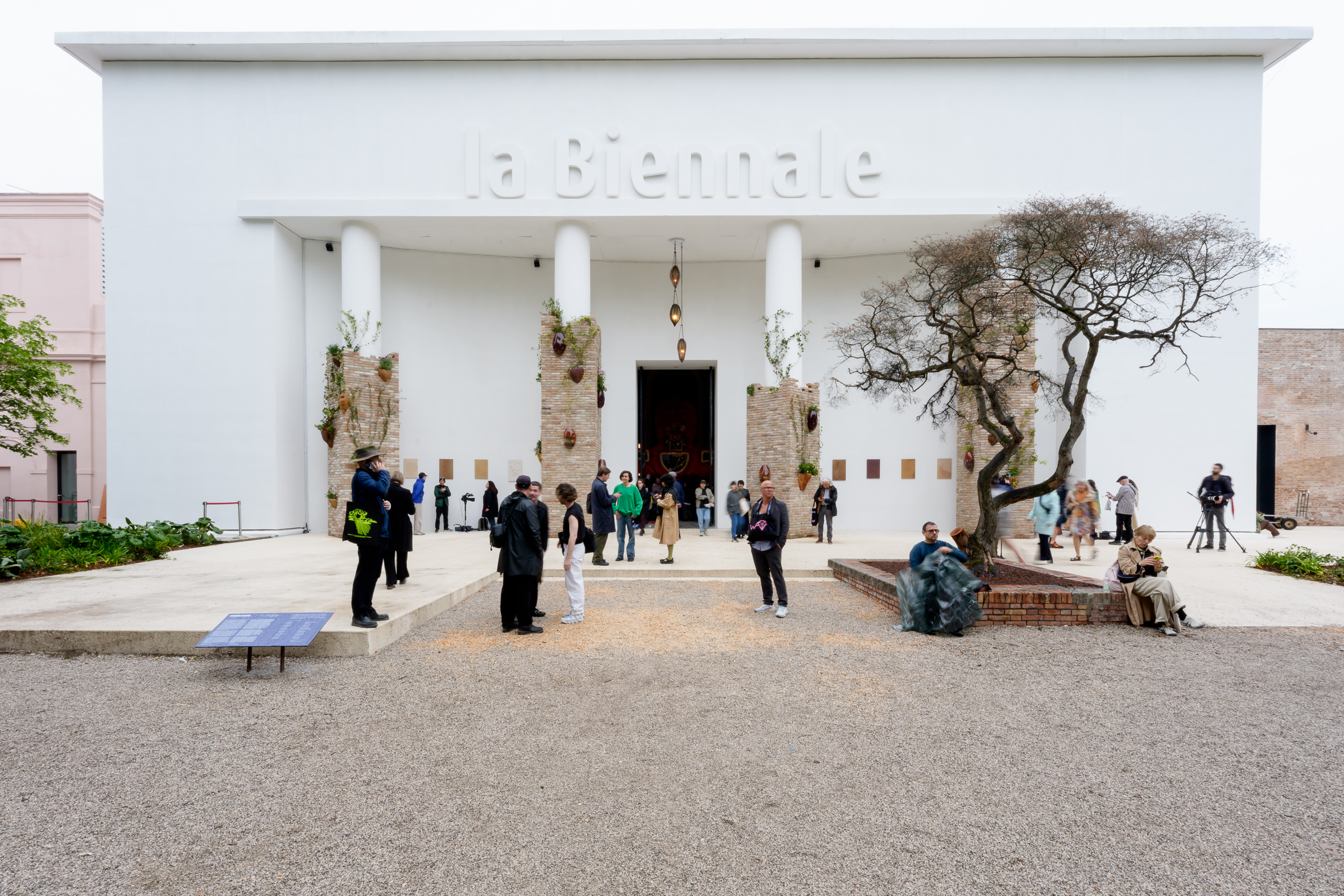
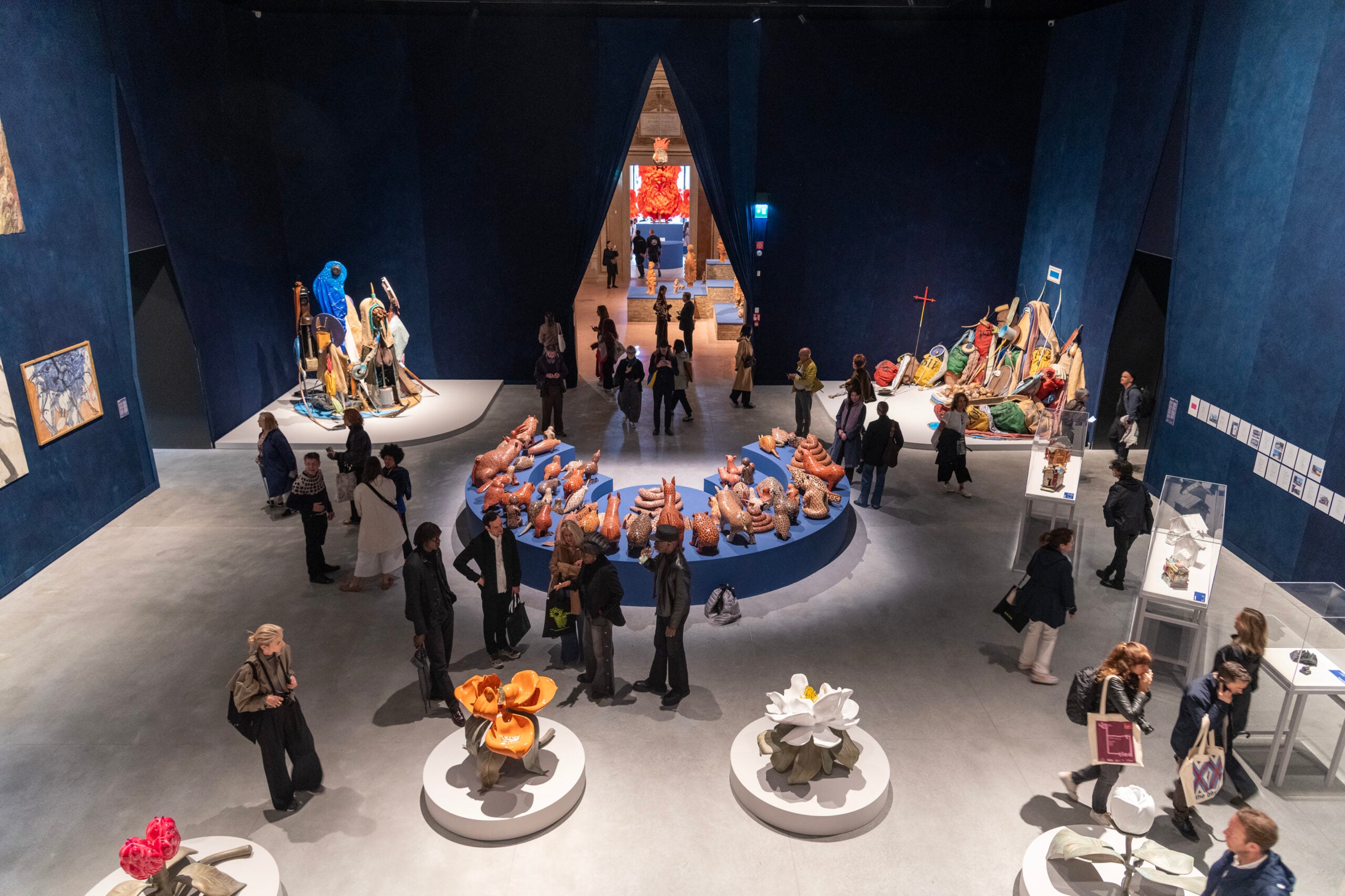
The 61st International Art Exhibition of La Biennale di Venezia, titled "In Minor Keys" and curated by Koyo Kouoh (who passed away in May 2025), opened amid intense controversy over its artist list and geopolitical tensions. Protests erupted against the participation of Israel and Russia, with a petition signed by 22 countries to exclude Russia, threats from the European Commission to suspend funding, and the resignation of the international jury. Around 18 national pavilions staged strikes and partial closures to denounce the normalization of Israel's presence and precarious labor in the art world. The Austria Pavilion's performance by Florentina Holzinger, featuring a girl hanging upside down inside a tilting bell, became a viral symbol refocusing attention on art itself.

Art as Collective Responsibility: Hestia Artistic Journey Grant Programme Winners

The Hestia Artistic Journey National Grant Programme (Artystyczna Podróż Hestii) has announced the winners of its third edition, selecting eight projects from nearly 200 applications across Poland. The programme, subtitled "Opening Time" (Czas otwarcia), supports artists and cultural institutions planning exhibitions that address collective responsibility for global issues. Winners include "Ślady pamięci" by Fundacja Szałfynster in Katowice, exploring memory and dementia; "Głodne drzewa/Thirsty Trees" by Przemek Branas at the Central Museum of Textiles in Łódź, critiquing human greed through eucalyptus metaphors; and "Tymczasowa pława" by Norbert Delman at the State Art Gallery in Sopot, an installation on ecocide using a sunken fishing boat and amber. Each project will present an exhibition between July 2026 and the last quarter of 2027, with increased funding due to exceptional submissions.

Venice Biennale 2026: The Pavilions Not to Be Missed

Biennale de Venise 2026 : les pavillons à ne surtout pas manquer

The 61st Venice Biennale, curated by Koyo Kouoh as an invitation to slow down and reconnect with emotions, features a constellation of contemplative and powerful proposals across the city. Notable national pavilions include the Holy See transforming a monastic garden into an immersive sound experience by Soundwalk Collective, Canada exploring colonial heritage through giant water lilies by Abbas Akhavan, and Austria electrifying the Giardini with radical performances by Florentina Holzinger. Other highlights include Spain dissecting collective memory through postcards, Poland imagining new forms of language between human and underwater worlds, and India's pavilion exploring notions of home.

The Biennale releases the rules for voting on the Visitors' Lions while many artists and pavilions renounce competing for the prizes

La Biennale diffonde il regolamento per votare i Leoni dei Visitatori mentre molti artisti e padiglioni rinunciano a concorrere ai premi

The 61st Venice Biennale has opened to the public, introducing a controversial new voting system for the Golden Lions. After the entire jury resigned en masse on April 30, the Biennale decided to let the public decide the winners of the so-called "Leoni dei Visitatori" (Visitors' Lions). Voting is open from May 9 to November 22, 2026, and requires ticket holders to visit both main venues (Giardini and Arsenale) to receive a voting link. One vote per person is allowed for each of two categories: an artist in the main international exhibition "In Minor Keys" curated by Koyo Kouoh, and a national pavilion.