filter_list Showing 21 results for "Poland" close Clear
dashboard All 21 museum exhibitions 12article news 8article policy 1
date_range Range Today This Week This Month All
Subscribe

At the Venice Biennale I saw anger at Russia and Israel – and its leadership pretending everything was fine | Charlotte Higgins

At the 2024 Venice Biennale, the Russian pavilion returned with festive performances and prosecco deliveries, drawing sharp criticism from observers who saw it as a propaganda effort to distract from Russia's war in Ukraine. Meanwhile, Ukraine's Kramatorsk was bombed, and protests erupted, including a Pussy Riot intervention. Biennale president Pietrangelo Buttafuoco defended Russia's and Israel's participation, rejecting preemptive bans despite open letters and appeals. European Commission investigated potential sanctions breaches, and culture ministers from Ukraine, Poland, Estonia, and Baltic states boycotted or condemned the biennale's stance, accusing it of yielding to the aggressor.

« À qui appartiennent ces œuvres ? » : le destin des biens culturels spoliés par les nazis au cœur d’un nouvel espace au musée d’Orsay

On May 5, the Musée d'Orsay in Paris inaugurated a new dedicated space in the Pavillon Amont for artworks looted during World War II that remain unclaimed by their owners or heirs. The room, titled "À qui appartiennent ces œuvres ?" ("Who owns these works?"), features thirteen pieces including sculptures by Auguste Rodin and paintings by Auguste Renoir, Edgar Degas, and Eugène Boudin. These represent a fraction of the museum's 225 MNR (Musées nationaux récupération) holdings, part of a national legacy of approximately 2,000 looted works still held in French museums.

Venice Biennale 2026: What are the major trends that will mark the 99 national pavilions?

Biennale de Venise 2026 : quelles sont les grandes tendances qui vont marquer les 99 pavillons nationaux ?

The article previews the 2026 Venice Biennale, highlighting key trends across its 99 national pavilions. Major themes include the hybridization of theater, dance, and performance, particularly in pavilions from Austria, Luxembourg, Belgium, and Lithuania, where artists like Florentina Holzinger, Aline Bouvy, Miet Warlop, and Eglė Budvytytė use radical, body-centric works. Geopolitical engagement is also central, with the Ukrainian pavilion featuring Zhanna Kadyrova's work on resistance and the British pavilion exploring themes of exile and migration. Other notable pavilions include Spain's focus on imagery, a sound installation for the Vatican, a polyphonic piece for Romania, and a film on sign language song for Poland.

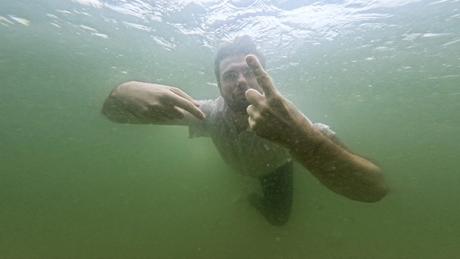
Polish pavilion at Venice Biennale explores fluidity of language with film recorded underwater

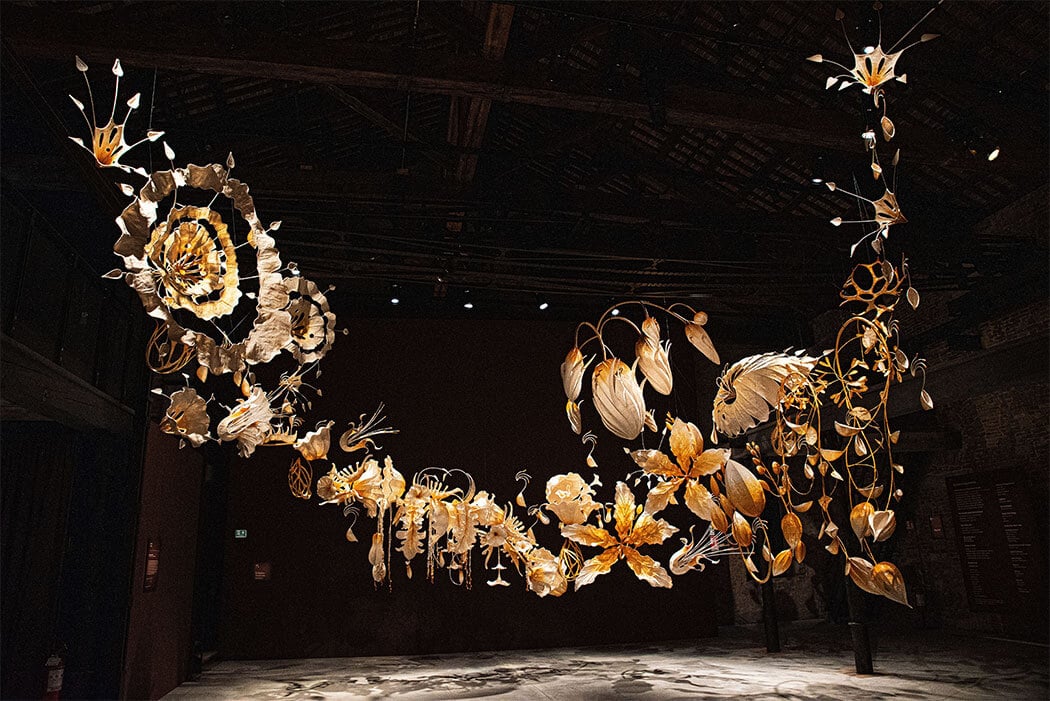
Poland's entry for the 2024 Venice Biennale, titled *Liquid Tongues*, is an audio-video installation by artists Bogna Burska and Daniel Kotowski. The work centers on a performance by the Chór w Ruchu (Choir in Motion), which includes both hearing and deaf performers, with much of the content filmed underwater in a Warsaw swimming pool. Presented across two screens in the Polish pavilion, the installation draws inspiration from whale song to explore alternative modes of communication, using spoken English and International Sign. The project builds on a previous performance at Warsaw's Zachęta National Gallery of Art and was developed in close collaboration with curators Ewa Chomicka and Jolanta Woszczenko.

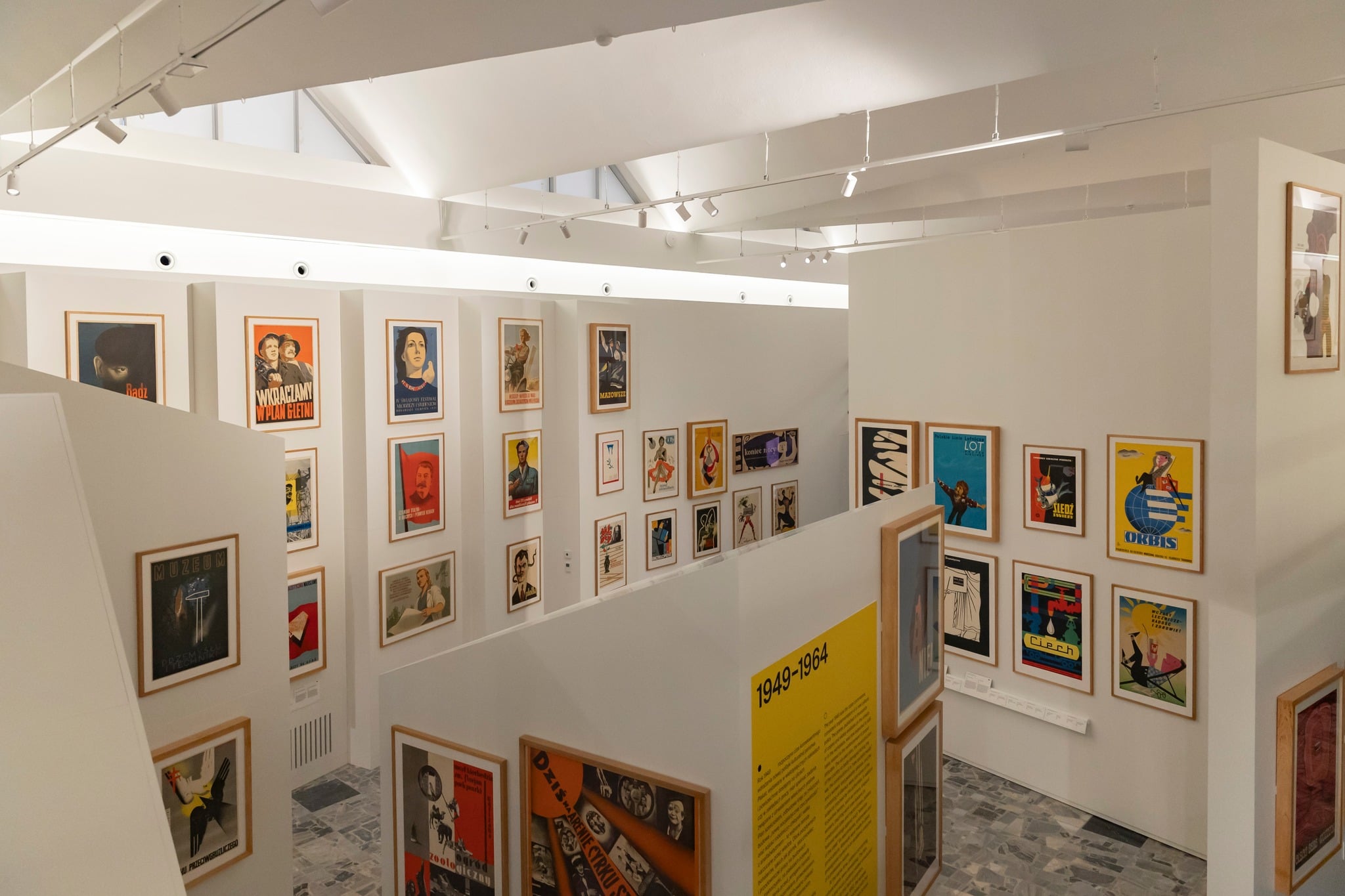
In Warsaw, the Poster Museum reopens and it is the oldest in the world

A Varsavia riapre il Museo del Manifesto ed è il più antico del mondo

The Poster Museum in Wilanów, a suburb of Warsaw, has reopened after a major conservation restoration co-financed by the Polish Ministry of Culture and National Heritage. Founded in 1968 as an autonomous institution from the National Museum in Warsaw, it is the oldest museum of its kind in the world. Its collection now holds approximately 63,000 posters from Poland and abroad, dating from the late 19th century to the present, including works by Pablo Picasso, Andy Warhol, and Stasys Eidrigevičius. The reopening exhibition, "Polish Posters: The Collection," features 240 works spanning 130 years of Polish urban life, covering themes from politics and propaganda to cinema, theater, music, and fashion. The museum also hosts the International Poster Biennale, founded in 1966, with the next edition scheduled for 2027.

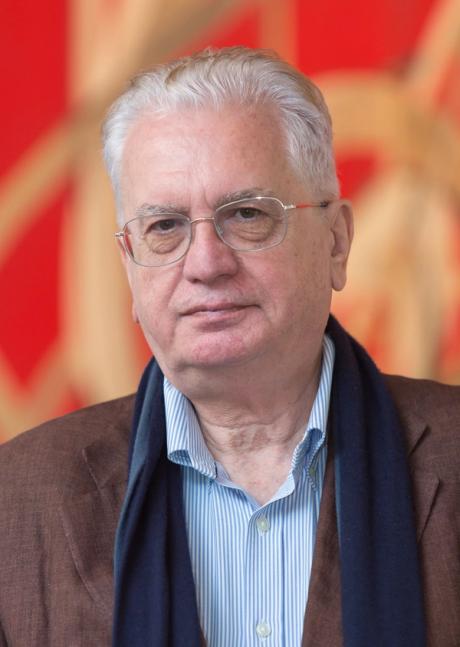
EU imposes sanctions on Mikhail Piotrovsky, director of Russia's State Hermitage Museum

The European Union has imposed sanctions on Mikhail Piotrovsky, the director of Russia's State Hermitage Museum, as part of its 20th sanctions package adopted on 23 April. Piotrovsky, a vocal supporter of Russia's full-scale invasion of Ukraine, is cited for being a close associate of Vladimir Putin and for actively supporting the war, including justifying Russian cultural policies that incorporate Ukrainian museum items into Russia's State Museum Fund and enabling unauthorized archaeological excavations in occupied Crimea. The sanctions also target three other cultural officials involved in the Crimean digs. Meanwhile, Hermitage archaeologist Alexander Butyagin, arrested in Poland in December 2025 at Ukraine's request, was released in a prisoner exchange on 28 April.

He’s behind you! The best of Photo London – in pictures

Photo London, the UK's leading photography fair, launches its 11th edition at a new venue, Olympia in Kensington, London, running from 13–17 May 2026. The fair features a diverse array of exhibitors, including debutants like Agony and Ecstasy gallery, which showcases nostalgic works of Ibiza by Oriol Maspons and Walter Rudolph, and Hackney-based Guest Editions, presenting Laura McCluskey and Thomas Duffield. A new 'Focus' section highlights galleries from Latin America and Central and Eastern Europe, such as Ungallery (Argentina) and Galeria Monopol (Poland). Notable presentations include vintage prints by Japanese master Daido Moriyama at Akio Nagasawa Gallery, and Ketaki Sheth's series 'Twinspotting' at Photoink, which pairs Patel twins in the UK with those in India.

Bogna Burska and Daniel Kotowski on Representing Poland at the 61st Venice Biennale

Bogna Burska and Daniel Kotowski, representing Poland at the 61st Venice Biennale, plan to exhibit a project inspired by the Choir in Motion (a phonic/sign-language ensemble of hearing and Deaf people), underwater role reversals, and whale communication. Their work explores alternate forms of communication, Deaf Gain, and the retrieval of voices—both human and non-human—aligning with the Biennale's theme "In Minor Keys." The Polish pavilion is located in the Giardini.

Duo Who Sold Fake Warhol, Banksy Plead Guilty in $2M Fraud

A father and daughter from New Jersey, Erwin Bankowski and Karoline Bankowska, pleaded guilty in federal court on April 28 to running a counterfeit art scheme that sold fake works attributed to Andy Warhol, Banksy, Pablo Picasso, Richard Mayhew, and others. Between 2020 and 2025, they placed over 200 counterfeit pieces, many made by an artist in Poland, into galleries and auction houses across the U.S., defrauding buyers of at least $2 million. They fabricated provenance, forged gallery stamps and certificates of authenticity, and misrepresented Native American heritage works, violating the Indian Arts and Crafts Act. They face up to 20 years in prison, restitution of at least $1.9 million, and deportation after serving their sentences.

Dark clouds, protests and resignations dampen start of 61st Venice Biennale

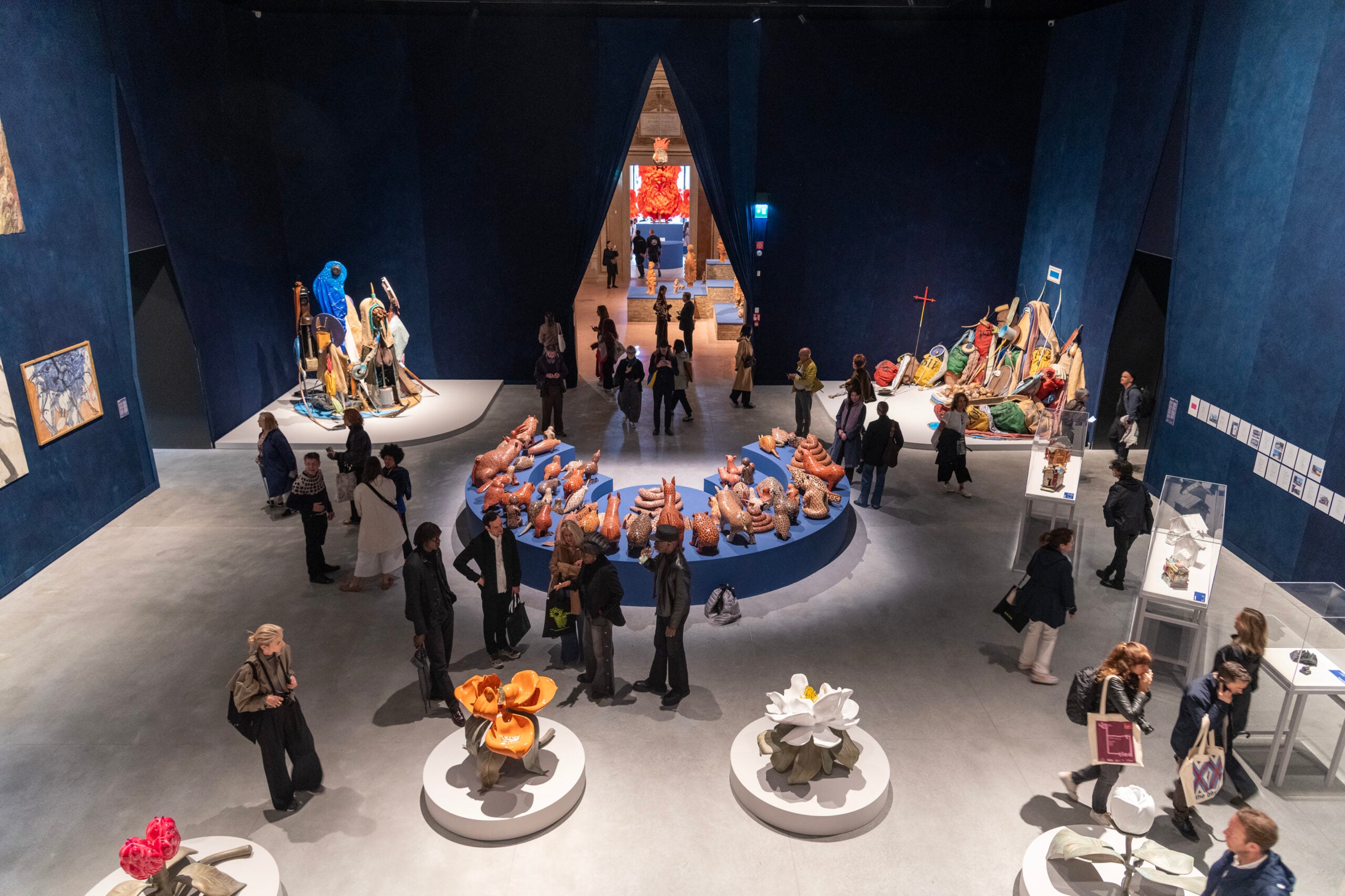
The 61st Venice Biennale opened under grey skies and rain, with political tensions overshadowing the art world's premier event. The Russian pavilion, absent for two editions due to the Ukraine war, reappeared with a party atmosphere, though the Italian ministry of culture confirmed it would not be open to the public. The Ukrainian culture minister called Russia's symbolic presence powerful. The Iranian pavilion withdrew without explanation, and a protest by 60 artists from the In Minor Keys show marched through the Giardini humming in solidarity against Israel's participation. Over 200 artists, including Lubaina Himid and Alfredo Jaar, signed an open letter demanding the Israeli pavilion's cancellation. The event also proceeded without its curator, Koyo Kouoh, who died in May 2025; her curatorial team delivered the exhibition following her plans.

Art as Collective Responsibility: Hestia Artistic Journey Grant Programme Winners

The Hestia Artistic Journey National Grant Programme (Artystyczna Podróż Hestii) has announced the winners of its third edition, selecting eight projects from nearly 200 applications across Poland. The programme, subtitled "Opening Time" (Czas otwarcia), supports artists and cultural institutions planning exhibitions that address collective responsibility for global issues. Winners include "Ślady pamięci" by Fundacja Szałfynster in Katowice, exploring memory and dementia; "Głodne drzewa/Thirsty Trees" by Przemek Branas at the Central Museum of Textiles in Łódź, critiquing human greed through eucalyptus metaphors; and "Tymczasowa pława" by Norbert Delman at the State Art Gallery in Sopot, an installation on ecocide using a sunken fishing boat and amber. Each project will present an exhibition between July 2026 and the last quarter of 2027, with increased funding due to exceptional submissions.

Dozens of Venice Biennale Artists Withdraw From Awards En Masse

Almost half of the artists in the 61st Venice Biennale's international exhibition, along with 16 national pavilion teams, have withdrawn from awards consideration in solidarity with the jury's resignation. The jury resigned on April 30 after stating it would not consider countries whose leaders are charged with crimes against humanity by the ICC, effectively disqualifying Israel and Russia. The Biennale Foundation then replaced the traditional Golden Lions with new "Visitor Lions" decided by public vote, reinstating all pavilions including Israel and Russia. The withdrawal follows protests at the Russian and Israeli pavilions and a historic labor strike that shuttered multiple pavilions.

Historic Strike Disrupts Biennale as Thousands March in Venice

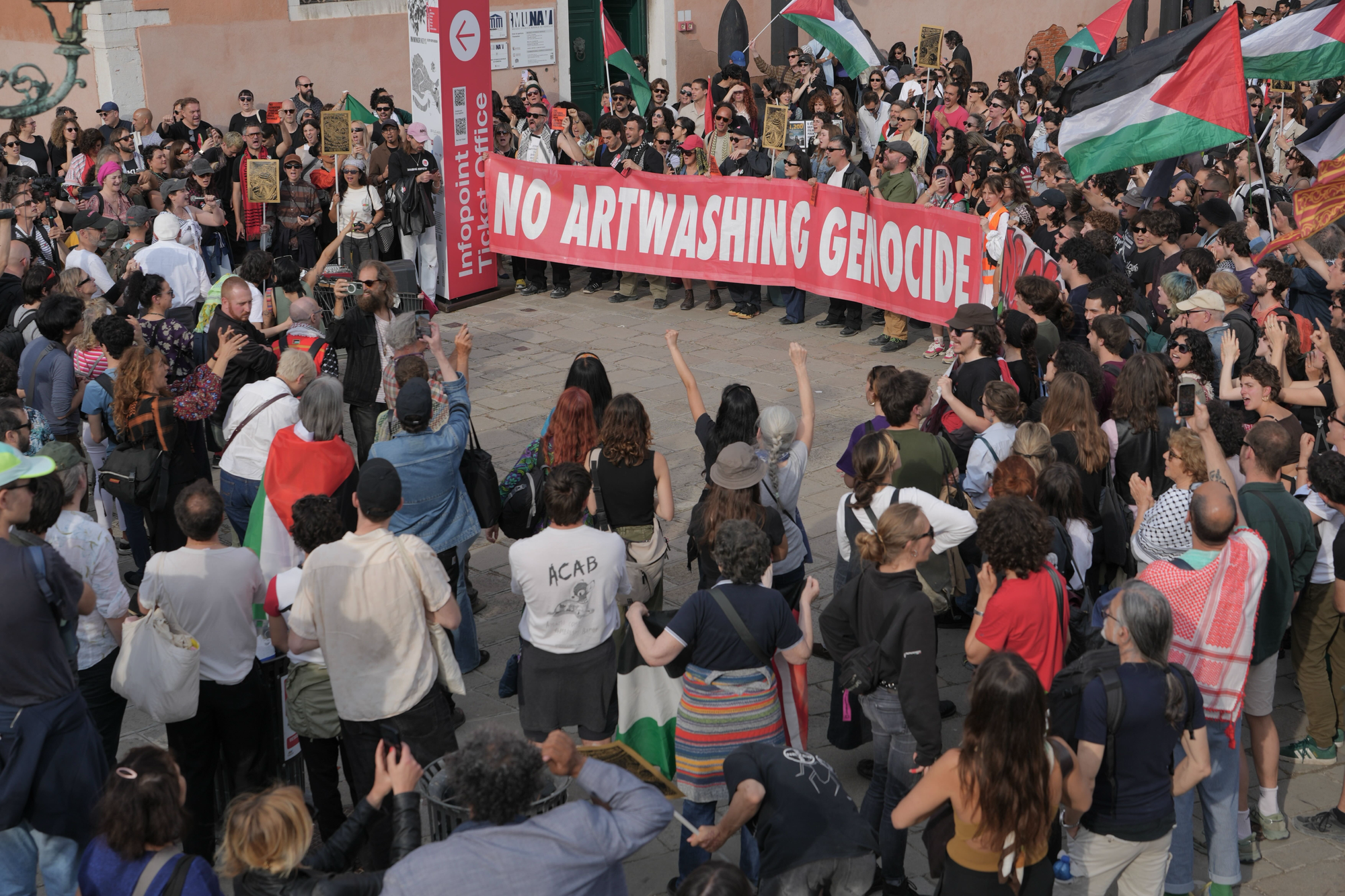
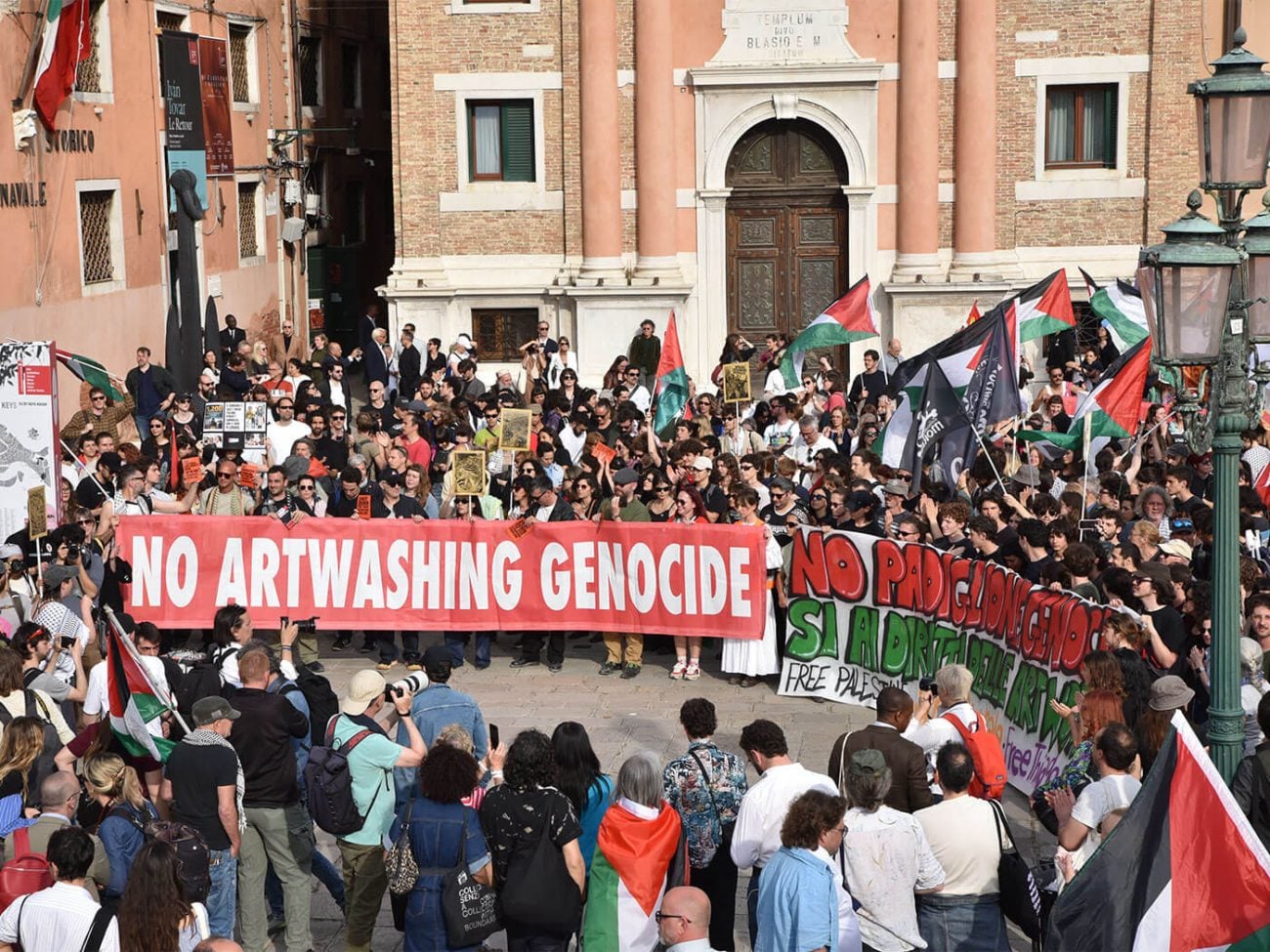
On May 8, 2026, artists and cultural workers staged the first strike in the 131-year history of the Venice Biennale, disrupting the pre-opening of the international exhibition. At least 27 of the 100 national pavilions were partially or fully shut down, and thousands marched through Venice to the Arsenale, which was barricaded by Italian riot police. The strike, organized by the Art Not Genocide Alliance (ANGA) and local activist groups, was a 24-hour action for Palestine and workers' rights, with some artists altering or draping their works in the main exhibition, "In Minor Keys."

Venice Biennale 2026: The Pavilions Not to Be Missed

Biennale de Venise 2026 : les pavillons à ne surtout pas manquer

The 61st Venice Biennale, curated by Koyo Kouoh as an invitation to slow down and reconnect with emotions, features a constellation of contemplative and powerful proposals across the city. Notable national pavilions include the Holy See transforming a monastic garden into an immersive sound experience by Soundwalk Collective, Canada exploring colonial heritage through giant water lilies by Abbas Akhavan, and Austria electrifying the Giardini with radical performances by Florentina Holzinger. Other highlights include Spain dissecting collective memory through postcards, Poland imagining new forms of language between human and underwater worlds, and India's pavilion exploring notions of home.

« No art washing ! » : à la Biennale de Venise, près de 3 000 manifestants réunis pour dénoncer la présence du pavillon israélien

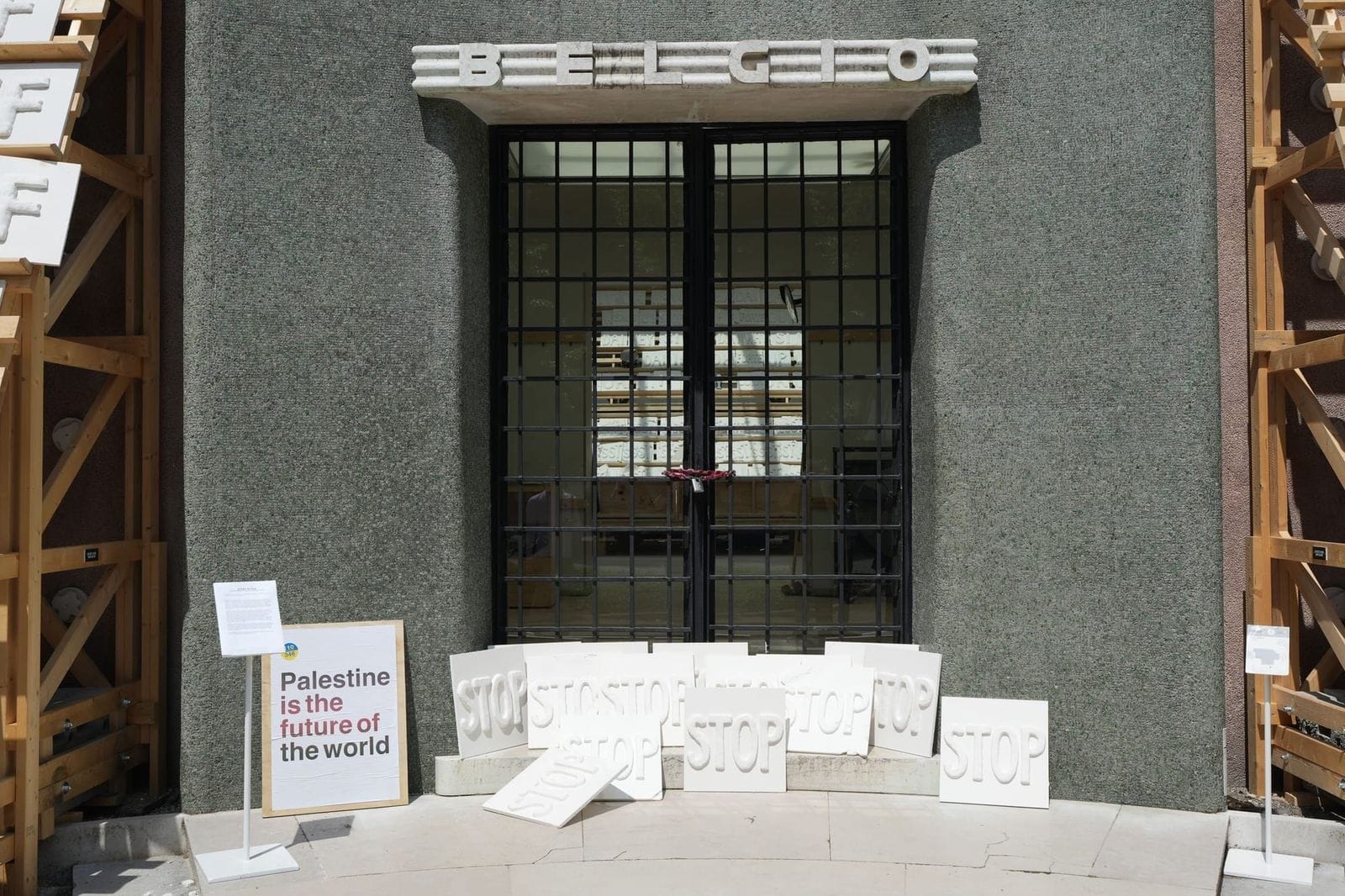
On May 8, 2026, nearly 3,000 protesters gathered in Venice to demonstrate against the presence of the Israeli pavilion at the Venice Biennale. Led by the collective Art Not Genocide Alliance (Anga), the crowd included artists, curators, and cultural workers who chanted slogans such as "Stop al Padiglione genocidio" and called for a strike on the closing day of the professional previews. Dozens of national pavilions, including those of France, Belgium, Poland, Spain, the United Kingdom, Lebanon, and Ukraine, closed in solidarity. The protest followed a letter sent by Anga in March demanding Israel's exclusion, which went unanswered, and the self-dissolution of the awards jury on April 30 over the presence of both Israel and Russia.

Venice Biennale strike sees more than 15 pavilions temporarily or partially close

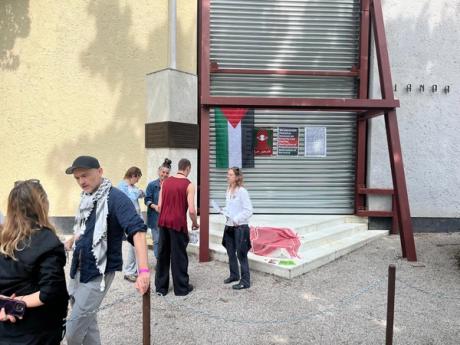
On 8 May, more than 15 national pavilions at the Venice Biennale temporarily or partially closed in a coordinated strike organized by the Art Not Genocide Alliance (ANGA). The protest opposes Israel’s participation in the event, which organizers say normalizes what they call genocide and exploits precarious labor. Participating countries include Austria, Lebanon, Slovenia, Egypt, Poland, and the Netherlands, whose artist Dries Verhoeven stood outside his shuttered pavilion with a Palestinian flag. Some pavilions, like Japan’s, remained open but suspended interactive elements. The strike follows earlier controversies, including the resignation of the prize jury and an open letter demanding the Israeli pavilion’s cancellation.

Rafał Zajko Is Hatching a Plan

Rafał Zajko's exhibition 'The Egg Egg' at Arsenal Gallery in Białystok, Poland, brings together 50 works from the past decade across two floors of a former power station, organized into nine 'acts'. The show features modular installations like 'Funny Games' (2025), a set of pastel-colored platforms on wheels with ceramic reliefs, and monumental sculptures such as 'Sisyphus' (2025), a suspended ceramic bobbin evoking textile factory tools. Performances by Agnieszka Szczotka, including 'Song to the Siren' (2026), activate works like 'Amber Chamber III Echo' (2025), blending archaism, futurism, and themes of labor and technology.

The Biennale releases the rules for voting on the Visitors' Lions while many artists and pavilions renounce competing for the prizes

La Biennale diffonde il regolamento per votare i Leoni dei Visitatori mentre molti artisti e padiglioni rinunciano a concorrere ai premi

The 61st Venice Biennale has opened to the public, introducing a controversial new voting system for the Golden Lions. After the entire jury resigned en masse on April 30, the Biennale decided to let the public decide the winners of the so-called "Leoni dei Visitatori" (Visitors' Lions). Voting is open from May 9 to November 22, 2026, and requires ticket holders to visit both main venues (Giardini and Arsenale) to receive a voting link. One vote per person is allowed for each of two categories: an artist in the main international exhibition "In Minor Keys" curated by Koyo Kouoh, and a national pavilion.

Europe: China’s censorship of cultural institutions must be challenged - ARTICLE 19

The Victoria and Albert Museum (V&A) in London has reportedly removed maps and images from exhibition catalogues on multiple occasions following pressure from its Chinese publisher, C&C Offset Printing. The publisher cited directives from China's General Administration of Press and Publication (GAPP), which enforces the Chinese Communist Party's official narratives on sensitive topics like territorial borders.

Two New Exhibitions Will Open At Brno House of Arts Next Week

Two new exhibitions will open at the Brno House of Arts on Tuesday, 28 April, with a public vernissage at 6pm. The first, 'Distorted Image: Chapters from the Beginnings of Video Art', is an international show examining how artists in Czechoslovakia, Poland, and Hungary from the 1960s to the 1990s manipulated analogue and digital images to question truth in media, featuring experimental films, early animations, and independent video magazines. The second, 'Words of Dalibor Chatrný', is a retrospective marking the centenary of the Czech artist's birth, focusing on his 'word works' that explore language and the interplay between reading and seeing, while retaining painterly qualities.

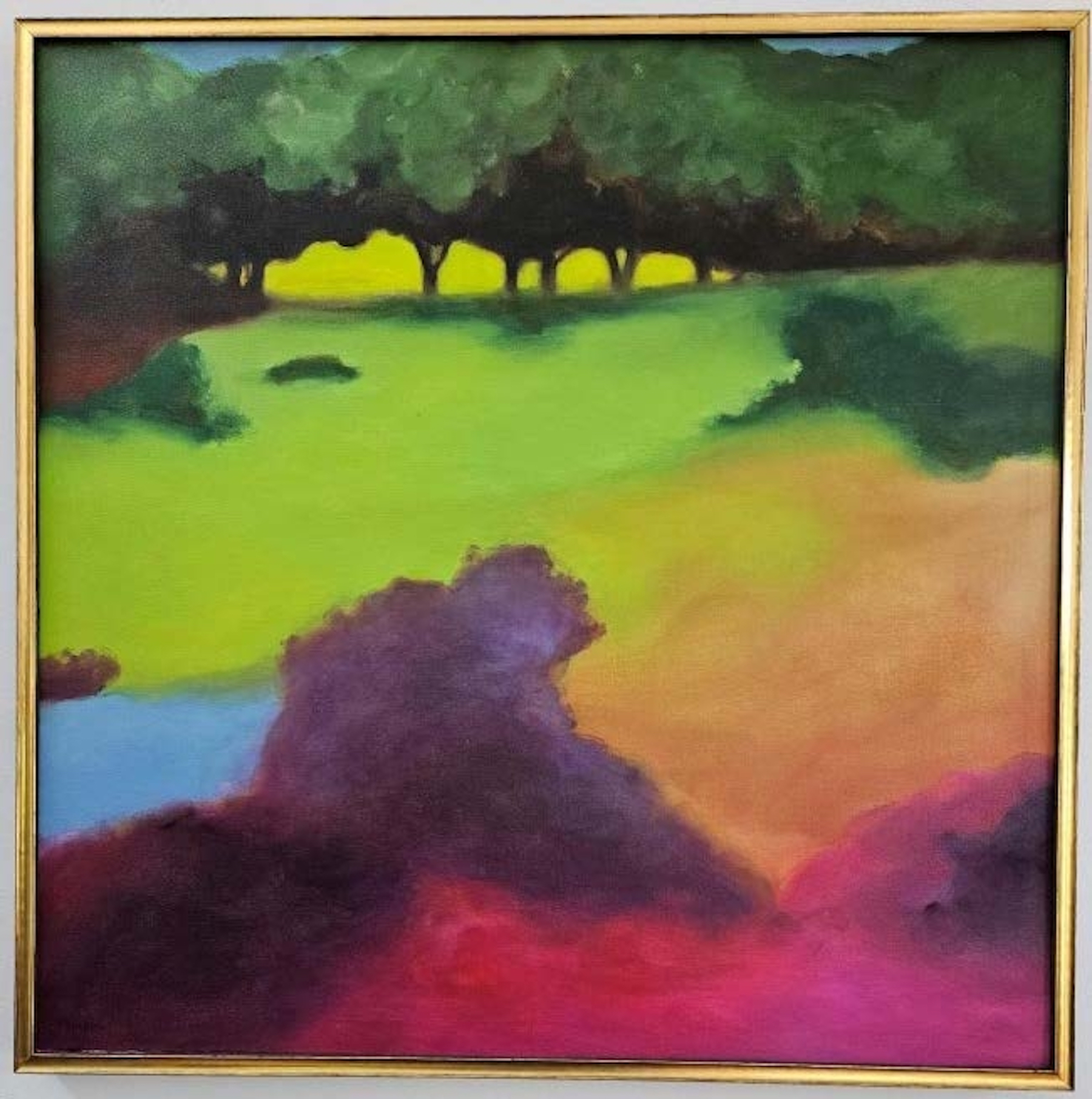
The forest hears, the field sees: Liavon Volski presents new art project in Poland

Renowned Belarusian musician and writer Liavon Volski has debuted his first solo painting exhibition, titled "The Forest Hears, the Field Sees," at the Museum of Free Belarus in Warsaw. The exhibition features 11 conceptual works characterized by misty landscapes and surrealist elements, each inspired by traditional Belarusian proverbs. The opening event was a multi-sensory experience, incorporating fog machines and a musical performance by Volski to complement the atmospheric nature of the canvases.