filter_list Showing 14 results for "looting" close Clear
search
dashboard All 70 gavel restitution 30museum exhibitions 14article news 11article policy 8trending_up market 4article culture 3
date_range Range Today This Week This Month All
Subscribe

acropolis michael rakowitz athens allspice mesopotamia

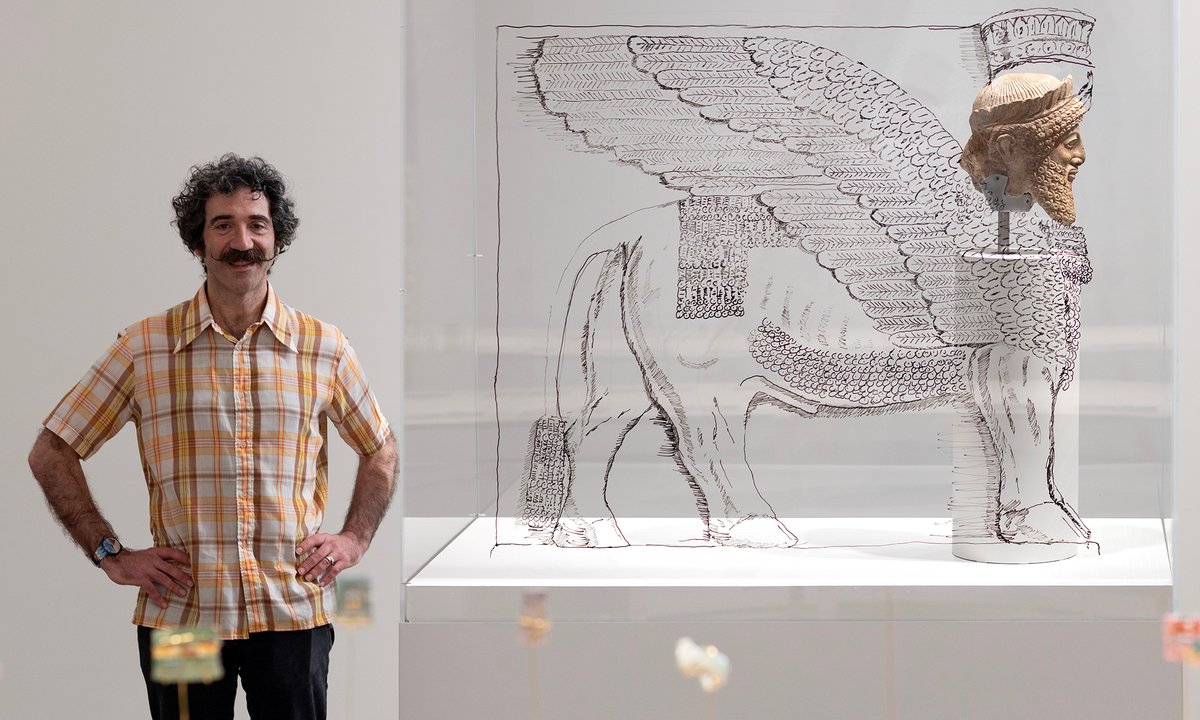
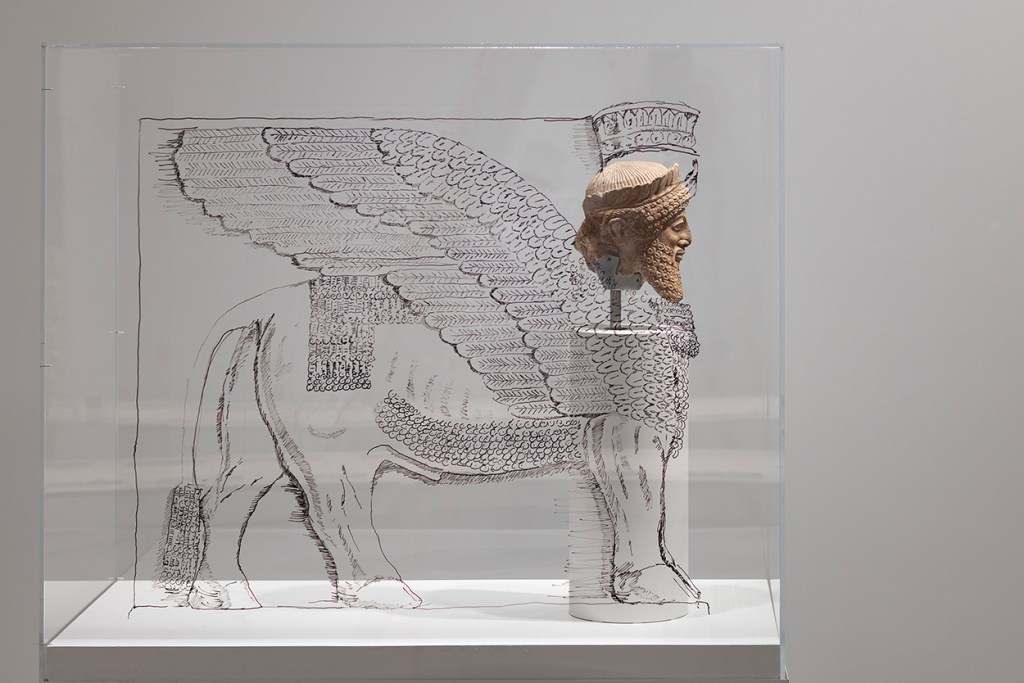
Michael Rakowitz's survey exhibition "Allspice" at the Acropolis Museum in Athens explores themes of cultural displacement, looting, and historical narrative through works like his series "The invisible enemy should not exist" (2007–), which reconstructs looted artifacts from Baghdad's National Museum of Iraq using Arabic food wrappers and newspapers. The show also features his 2004 video "Return," documenting his effort to import Iraqi dates labeled as "product of Iraq" to the US after decades of sanctions, and includes interventions with the museum's own collection, such as a Cypriot head he linked to Assyrian art.
‘This is an opportunity that will never happen again’: Syrian artist Sara Shamma on rebuilding her country

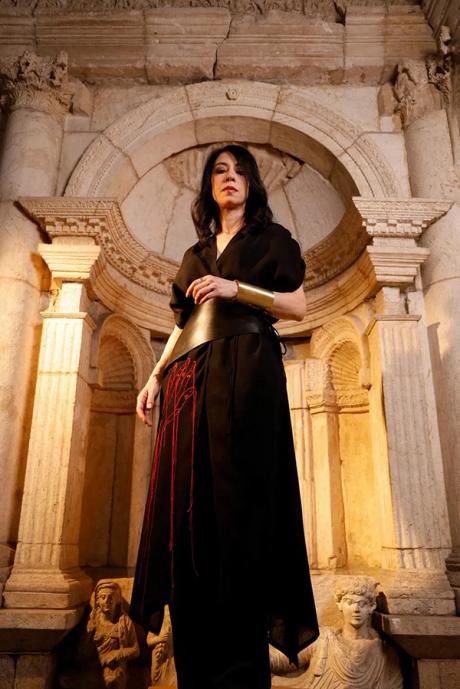
Syrian artist Sara Shamma has been selected to represent Syria at the 2026 Venice Biennale, marking the country's return to the event with a single-artist national pavilion for the first time. Her immersive installation, 'The Tower Tomb of Palmyra,' curated by Yuko Hasegawa and commissioned by Syria's ministry of culture, combines painting, architecture, light, sound, and scent. It draws on the ancient funerary towers of Palmyra destroyed by Islamic State in 2015, addressing cultural loss and the possibility of reconstruction. Shamma, who returned to Syria in September 2024 after eight years abroad, describes living through the fall of the Assad regime and the country's rebirth as a transformative personal and national moment.

One Fine Show: “Michael Rakowitz, Proxies for Poets and Palaces” at the Stavanger Art Museum

Iraqi-American artist Michael Rakowitz has opened his first major survey exhibition in Norway, titled "Proxies for Poets and Palaces," at the Stavanger Art Museum. The show features eight new reliefs from his long-running series *The Invisible Enemy Should Not Exist*, which recreates artifacts looted from Baghdad's Iraq Museum using cardboard, Arabic newspapers, and food packaging, alongside older works like the 2017 film *The Ballad of Special Ops Cody*.

Krannert Art Museum reopening highlights gallery reinstallations, artist Ronny Quevedo exhibition

Krannert Art Museum in Champaign, Illinois, is reopening on August 28 with a major reinstallation of its Andean gallery, featuring the exhibition "Fragmented Histories: Andean Art Before 1600." The gallery, co-curated by Kasia Szremski and Allyson Purpura, moves away from a linear display to explore the mobility of objects, their histories of looting, and their ongoing cultural significance. The reopening also includes a solo exhibition by contemporary artist Ronny Quevedo, titled "Ronny Quevedo: a l l s t a r s," and reinstallations of European and American art in the Bow and Trees galleries.

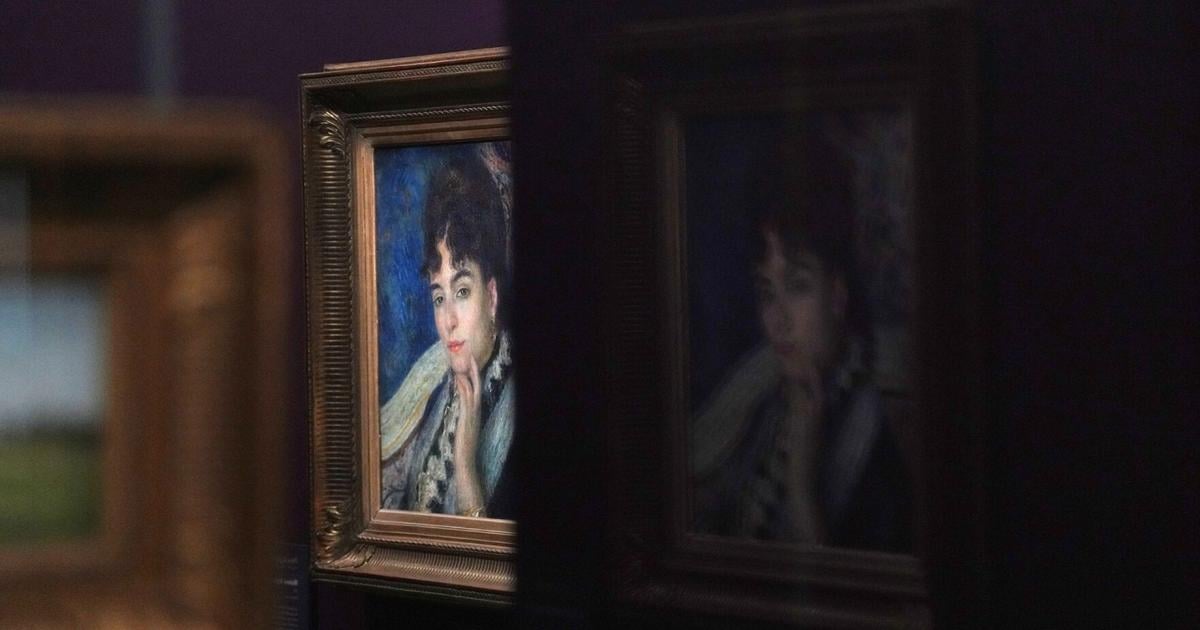
Musée d’Orsay opens gallery dedicated to still-unclaimed works stolen by Nazis in WWII

The Musée d'Orsay in Paris has opened a permanent gallery dedicated to artworks believed to have been looted by the Nazis from Jewish owners during World War II, but whose rightful owners have not been identified. The exhibition, titled "Who owns these works?", features a rotating selection of 225 such pieces held by the museum, with twelve paintings and one sculpture currently on display. Works by Renoir, Degas, Rodin, and Alfred Stevens are included, alongside provenance research detailing their murky histories—such as a Degas ballroom scene acquired by a Jewish collector later murdered at Auschwitz.

‘I feel at home here’: Michael Rakowitz’s Acropolis Museum exhibition locates the lines between stories of lost heritage

The Acropolis Museum in Athens has opened "Allspice: Michael Rakowitz and Ancient Cultures," the first exhibition in a trilogy organized with the Hellenic Ministry of Culture and the nonprofit Neon. It is also the first time the museum has presented work by a living artist. The show pairs ancient objects from the University of Chicago’s Institute for the Study of Ancient Culture and the Thanos N. Zintilis Collection of Cypriot Antiquities with 14 works by Iraqi-American artist Michael Rakowitz, including pieces from his ongoing series "The invisible enemy should not exist," which recreates artifacts looted or destroyed from the National Museum of Iraq. Rakowitz’s lamassu reliefs, reimagined from the Palace of Nimrud, and a new commission featuring his mother’s recipes explore themes of lost heritage, memory, and diaspora.

Pio Abad Explores Home and Diaspora for the 2026 Venice Biennale

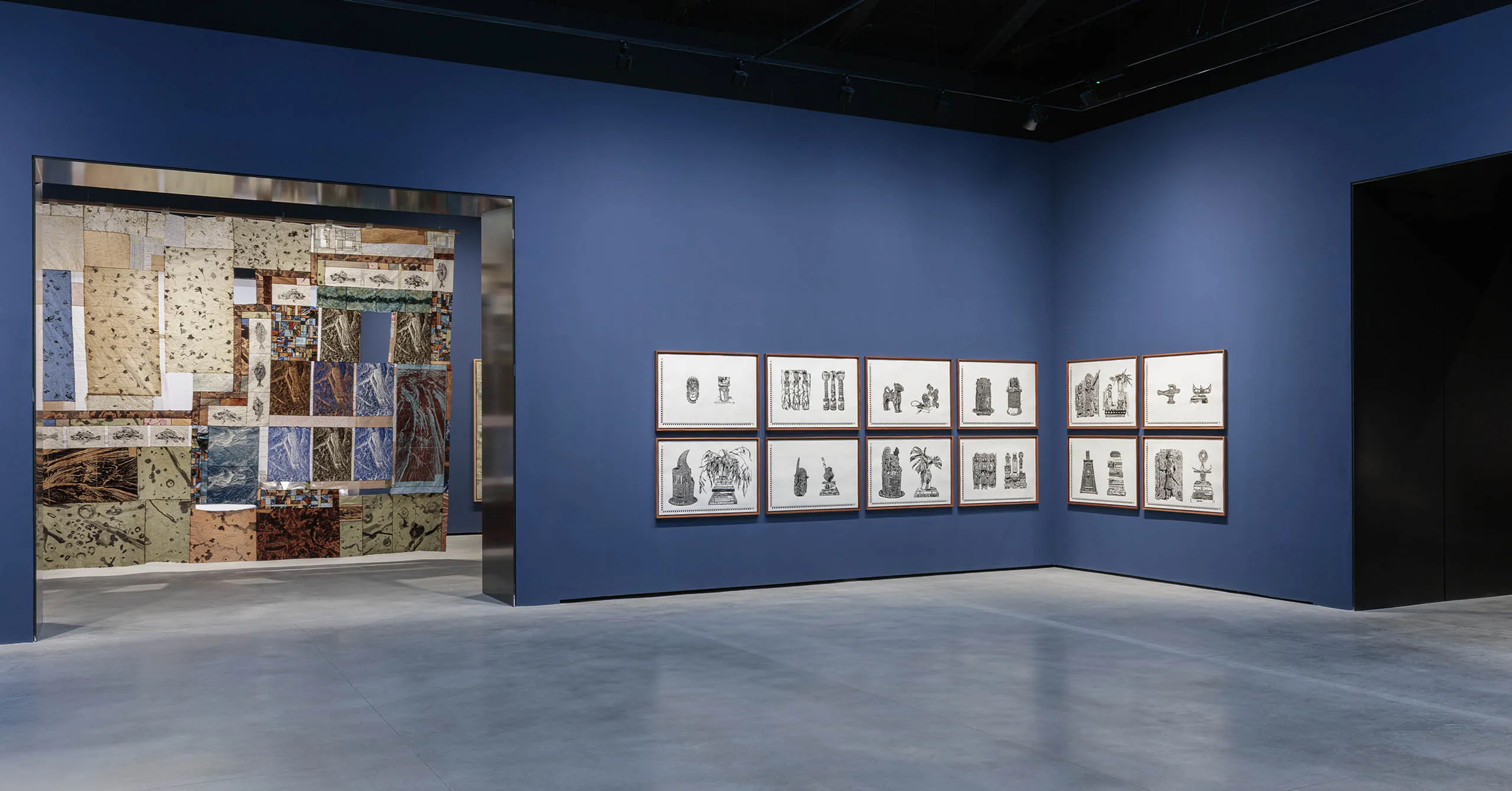
Filipino artist Pio Abad is presenting a series of intricate, hand-drawn works at the 2026 Venice Biennale as part of the exhibition "In Minor Keys," conceived by the late curator Koyo Kouoh. The works, created over four years with a 0.3-millimeter pen, include pieces such as "I’m Singing a Song That Can Only Be Born After Losing a Country" (first shown at the Ashmolean Museum in 2024), "Banua" (his first drawing on fabric), and "1897.76.36.18.6," which reflects on the looting of the Benin Bronzes. Abad, born in the Philippines and based in London, explores themes of migration, memory, exile, and the itinerant nature of objects and language.

mine atairu ai benin nigeria repatriation

Minne Atairu's augmented reality work "Deshrined Ancestors" (2024) was featured in the group exhibition "All Watched Over by Machines of Loving Grace" at REDCAT in Los Angeles. The piece is a speculative 3D rendering of a Benin bronze, created using AI trained on archives and oral histories, designed to fill the gap left by looted artifacts. Atairu, born in Benin, Nigeria, uses tools like Midjourney and Blender to generate artworks that address colonial violence and erasure, including her 2023 installation "To the Hand" at The Shed. The exhibition explores humanity's evolving relationship with AI, and Atairu's work includes an empty podium representing a Benin bronze returned to Nigeria from RISD.

Banking family’s treasures go on show at Bath’s Holburne Museum

Nearly 200 Old Master treasures from the Schroder Collection, amassed by the late banker Bruno Schroder and his family over more than a century, will go on long-term display at the Holburne Museum in Bath, UK, starting 10 September. The collection includes silver, maiolica, and paintings by artists such as Lucas Cranach the Elder and Hans Holbein the Elder, many shown publicly for the first time. The loan was facilitated by Bruno’s daughter Leonie, who requested the works remain in the UK and be placed in a regional museum rather than London.

Victoria & Albert Museum to expand Gilbert Galleries to explore looting and provenance

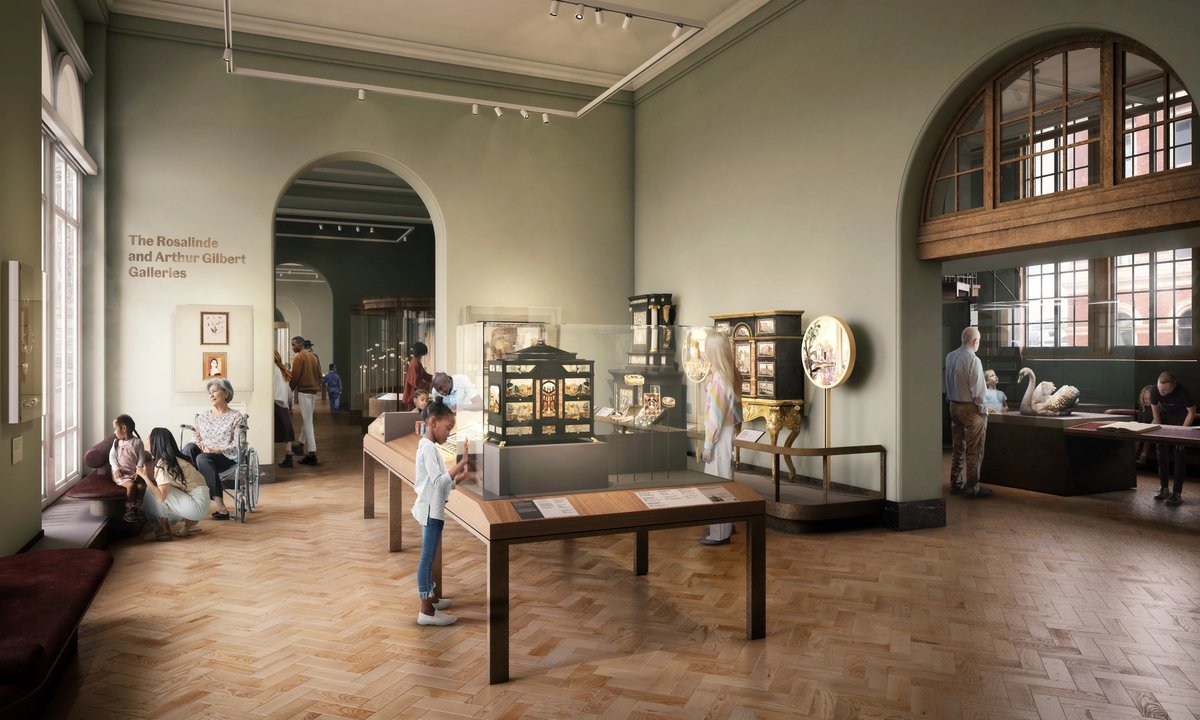
The Victoria and Albert Museum (V&A) in London will revamp its Gilbert Galleries, dedicated to the Rosalinde and Arthur Gilbert Collection, expanding from four to seven galleries. Set to open in March, the redesigned space by Citizens Design Bureau will include a new room focused on Nazi and Soviet looting and provenance research. Highlights include 200 gold boxes, micro-mosaics, and two silver-gilt gates looted from Kyiv’s Pechersk Lavra monastery after the Russian Revolution, acquired by William Randolph Hearst in 1935. The expansion is part of the V&A’s Future Plan development programme, funded by the Gilbert Trust for the Arts and The National Lottery Heritage Fund.

Piecing together ancient Andean stories at Krannert Art Museum

Krannert Art Museum has reopened its reimagined exhibition 'Fragmented Histories: Andean Art before 1600' after a year-long closure, following nearly a decade of collaborative research. Co-curators Allyson Purpura and Kasia Szremski worked with pre-contact Andean art historians and Peruvian archaeologists to restore context to looted artifacts from the Fred Olsen Collection, donated in 1967. The exhibition is organized into four themes—Unfinished Stories, The Mobile Life of Objects, Powerful Images, and Object Biographies—and includes digital displays that acknowledge the violent histories of looting and aim to share knowledge with descendant communities in Peru.

Kansong's Cultural Defense Exhibition Features National Treasure Vase

The Kansong Art Museum in Seoul has launched a special exhibition titled "Cultural Defense of the Nation: The Spirit of Our People Preserved Through Faith," showcasing 46 significant artifacts reclaimed by collector Chun Hyung-pil during the Japanese colonial period. The centerpiece of the show is a rare 18th-century white porcelain bottle decorated with underglaze blue, iron-red, and copper-red, which Chun famously acquired at the Gyeongseong Art Club auction in 1936. He outbid a prominent Japanese dealer with a record-breaking bid of 14,580 won—a sum equivalent to the price of 15 houses at the time—to prevent the treasure from leaving Korea.

The Rothschilds and Sèvres Porcelain: A Collector's Passion at the Heart of an Exhibition in Paris

Les Rothschild et la porcelaine de Sèvres : une passion de collectionneurs au cœur d’une exposition à Paris

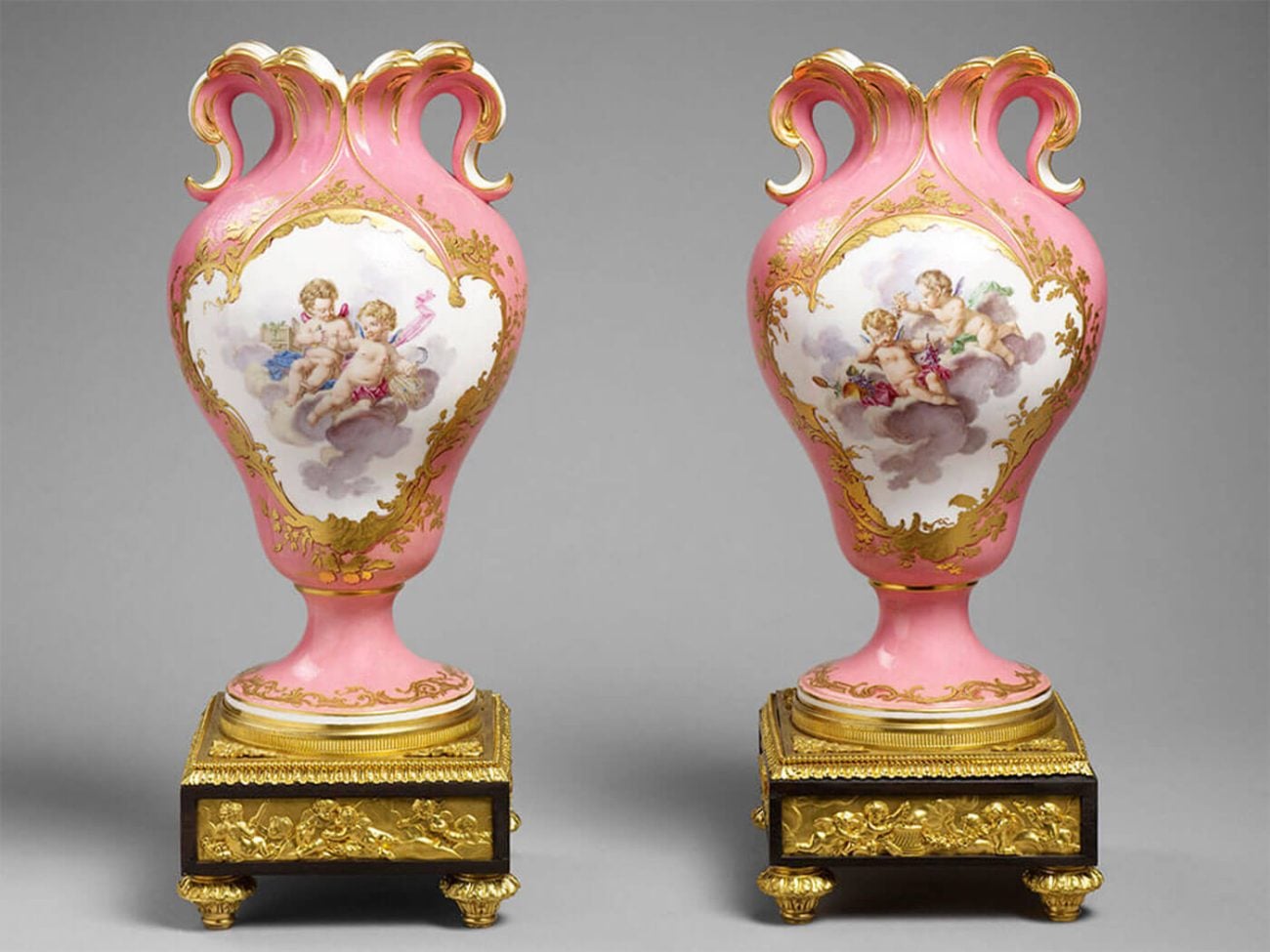
An exhibition at the Galerie des Gobelins du Mobilier national in Paris explores the Rothschild family's centuries-long passion for Sèvres porcelain. Titled "Sèvres, une passion Rothschild. De la Villa Ephrussi à Paris," it traces how the banking dynasty collected, traded, and bequeathed these delicate objects from the Ancien Régime, with a centerpiece table setting featuring pieces lent by family members from Vienna, England, and beyond. The show also highlights Béatrice Ephrussi de Rothschild, who amassed thousands of pieces and left them to the Villa Ephrussi de Rothschild, and includes a section on the Nazi looting of Rothschild collections in 1940, during which 22 Sèvres pieces were acquired by the Musée de Sèvres.

The Foreign Ministry presented art prints of stolen paintings from the Kherson Art Museum

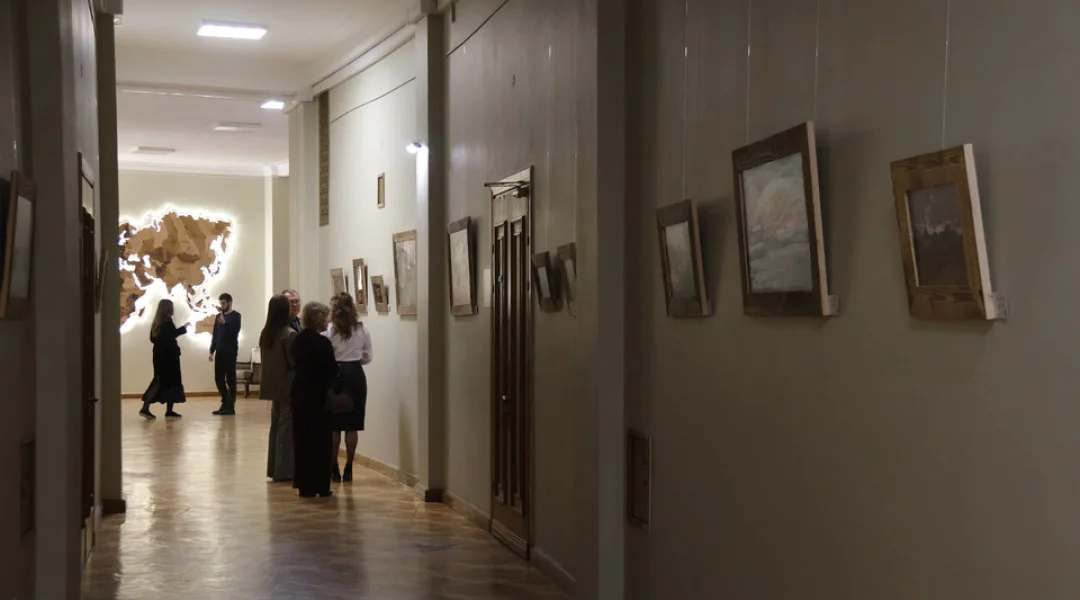
The Ukrainian Foreign Ministry has opened an exhibition titled "Return of Kherson’s Memory. Stolen Art Preserved in Museum Artprints," featuring 30 high-quality reproductions of masterpieces stolen by Russian forces from the Kherson Regional Art Museum named after Oleksii Shovkunenko in autumn 2022. The stolen works include pieces by artists Mykola Pymonenko, Ivan Aivazovsky, and Viktor Zaretsky, among over 10,000 items illegally removed from the museum just before Kherson’s de-occupation. The exhibition was organized by the museum team and the art platform Vivid Fusion.