filter_list Showing 8 results for "looting" close Clear
search
dashboard All 71 gavel restitution 30museum exhibitions 15article news 11article policy 8trending_up market 4article culture 3
date_range Range Today This Week This Month All
Subscribe

How the State Supports Provenance Research

Comment l’État soutient la recherche de provenance

The French Ministry of Culture has created two specialized missions to assist museums in researching the provenance of their collections, addressing looted artworks, human remains, colonial acquisitions, and illicit trafficking. The Mission for Research and Restitution of Looted Cultural Property (M2RS), established in 2019, focuses on Nazi-era spoliations (1933-1945) with a budget of €220,000 annually, while the newer Mission "Provenance," launched in 2024 under curator Catherine Chevillot, covers human remains, colonial-era objects, and illicit goods with a €450,000 budget. These missions provide expertise, funding, and coordination with institutions like the Commission for the Restitution of Property and Compensation of Victims of Anti-Semitic Spoliation (CIVS), though most museums still only initiate provenance checks during acquisitions or donations.

Director of the Hermitage Museum Sanctioned by the European Union

Le directeur du Musée de l'Ermitage sanctionné par l'Union européenne

The European Union has imposed sanctions on Mikhail Piotrovsky, the 81-year-old director of the State Hermitage Museum in Saint Petersburg, as part of its 20th sanctions package against Russia. Piotrovsky was blacklisted for supporting the war in Ukraine and overseeing illegal archaeological excavations in occupied Crimea. The EU cited his use of Kremlin war rhetoric—calling the museum's exhibition policy a "cultural special operation"—and the Hermitage's role in incorporating Ukrainian cultural objects from occupied territories into Russia's state museum fund. Additionally, under his leadership, unauthorized digs were conducted at the ancient Greek site of Myrmekion in Crimea, led by Hermitage archaeologist Alexander Butyagin, who was arrested in Warsaw and later released in a prisoner exchange.

ukraine russia icom expulsion open letter

A group of arts professionals, including art historian Konstantin Akinsha and Francesca Thyssen Bornemisza, has published an open letter in Le Monde calling for the International Council of Museums (ICOM) to expel Russia for violating its code of ethics. The group threatens to take ICOM to court in France if it fails to act, citing Russia's systematic erasure of Ukraine's cultural identity since the 2022 invasion, including looting of museum collections and destruction of cultural sites documented by UNESCO. Signatories demand the exclusion of ICOM Russia and Russian museum staff involved in looting, and seek either negotiation or legal proceedings in a French court.

unesco launches museum looted cultural objects

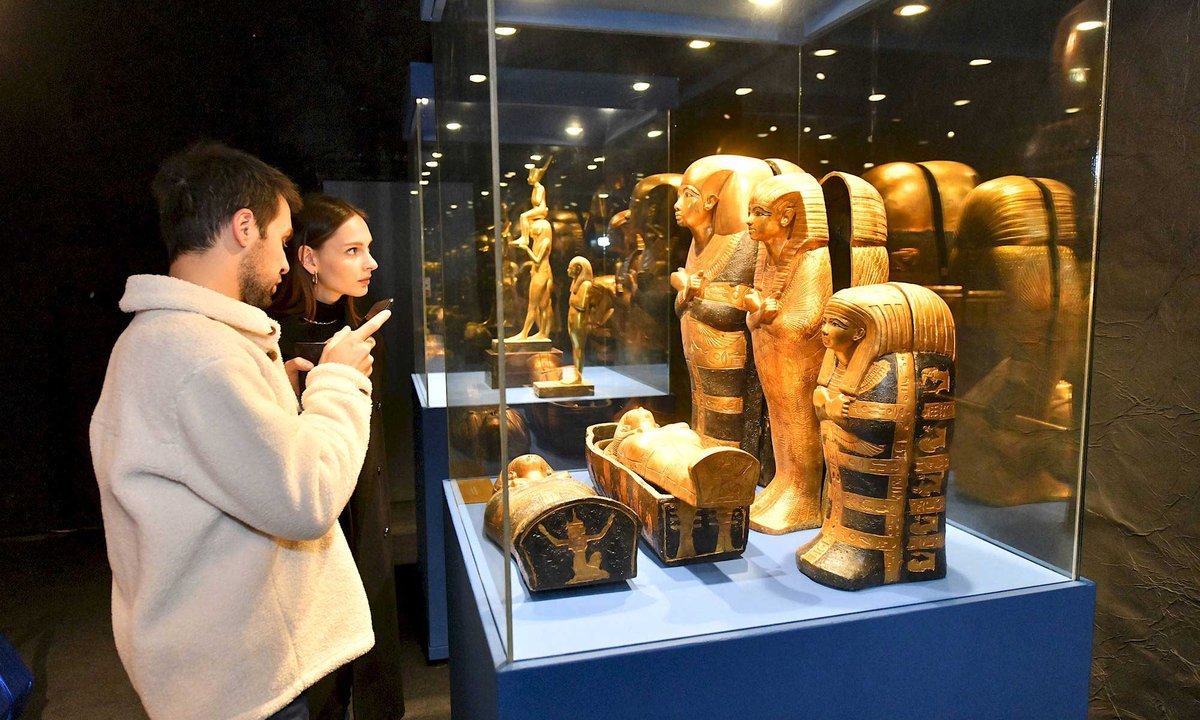
UNESCO has launched the world's first virtual museum of stolen cultural objects, featuring thousands of artifacts viewable in 3D. The initiative was announced at UNESCO's World Conference on Cultural Policies and Sustainable Development in Barcelona, designed by architect Francis Kéré in collaboration with Interpol, with funding from Saudi Arabia. The museum is organized by geographic region and includes sections like the "stolen cultural objects gallery" and a "return and restitution room" that highlights recovered items, such as a bronze Buddha statue from China's Ming Dynasty and a Syrian gold pendant looted from the Palmyra Museum.

La loi-cadre sur les restitutions définitivement adoptée par le Parlement

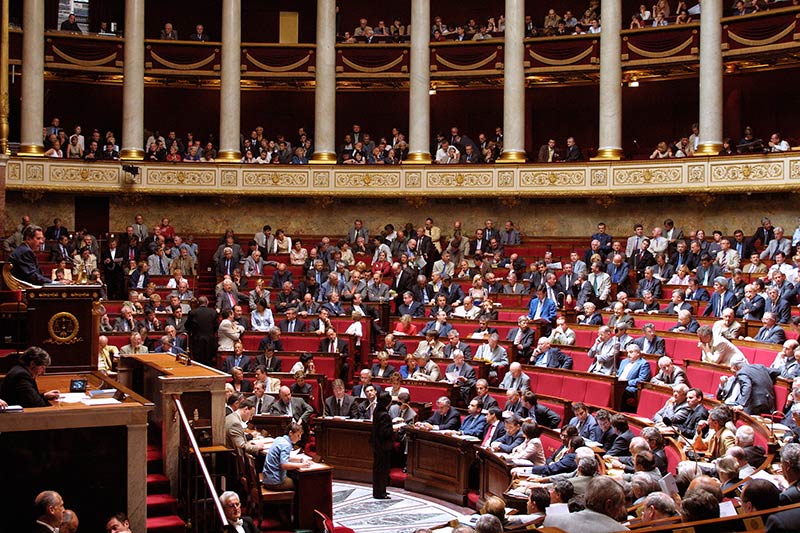
The French Parliament has definitively adopted a framework law on the restitution of cultural property that was illicitly acquired. The Senate unanimously approved the conclusions of the joint committee on May 7, following the National Assembly's approval on May 6, after an agreement was reached on April 30. The law establishes a general mechanism for returning objects from French public collections without requiring a specific law for each case, covering items acquired through looting, theft, forced sale, or other illicit means before the 1970 UNESCO Convention. It creates a permanent national commission and a bilateral scientific committee to assess claims, with restitution ultimately decided by government decree subject to legal review by the Council of State.

Today’s war, tomorrow’s loot: attempts at stemming the illicit trade in art

The article examines the ongoing challenge of preventing the illicit trade in cultural property looted from conflict zones. It discusses the Hague Convention of 1954 and its protocol, which require signatory countries to prevent theft and pillage during armed conflict and to seize and repatriate unlawful exports. However, the protocol only applies to situations of 'occupation,' leaving a gap for looting that occurs in the chaos of war beyond formal occupation. The article also notes UN Security Council Resolutions that restrict unlawfully removed cultural property from Iraq and Syria, but no similar consensus exists for countries like Afghanistan, Libya, Ukraine, Lebanon, Yemen, Sudan, and Iran. EU Regulation 2019/880 is highlighted as a measure that prohibits introducing goods removed unlawfully from their place of origin into the EU, though its scope has expanded beyond its original anti-terrorist financing purpose.

heritage experts call for international task force to oversee palmyra restoration

Heritage experts, international officials, and Syrian residents gathered in Switzerland for the first comprehensive conference on restoring the ancient Syrian city of Palmyra since the end of Bashar Al Assad's regime. Organized by UNESCO and the Aliph Foundation, the group recommended establishing an international expert task force to remove Palmyra from UNESCO's List of World Heritage in Danger. Rehabilitation efforts will focus on the Palmyra museum, restoration of artifacts at the Damascus Museum, and repair of the footbridge, with work expected to begin in January 2026.

Why the new EU law aimed at stopping antiquities trafficking may hamper museum loans

A new EU regulation (2019/880) taking effect on 28 June aims to prevent trafficking of looted antiquities by requiring importers to provide extensive provenance records and export permits for cultural goods over 200 years old or worth more than €18,000. While the law includes an exemption for temporary exhibitions, implementing rules limit this exemption to loans from museums outside the EU, excluding private collectors. Museum directors and art fair officials warn that the administrative burden may discourage private lenders from participating in temporary exhibitions, potentially reducing the diversity of cultural offerings in the EU.