filter_list Showing 23 results for "protests" close Clear
dashboard All 76 article news 35museum exhibitions 23article culture 11rate_review review 3article policy 2person people 1gavel restitution 1
date_range Range Today This Week This Month All
Subscribe

We visited the 2026 Venice Art Biennale: the exhibitions and pavilions you shouldn’t miss

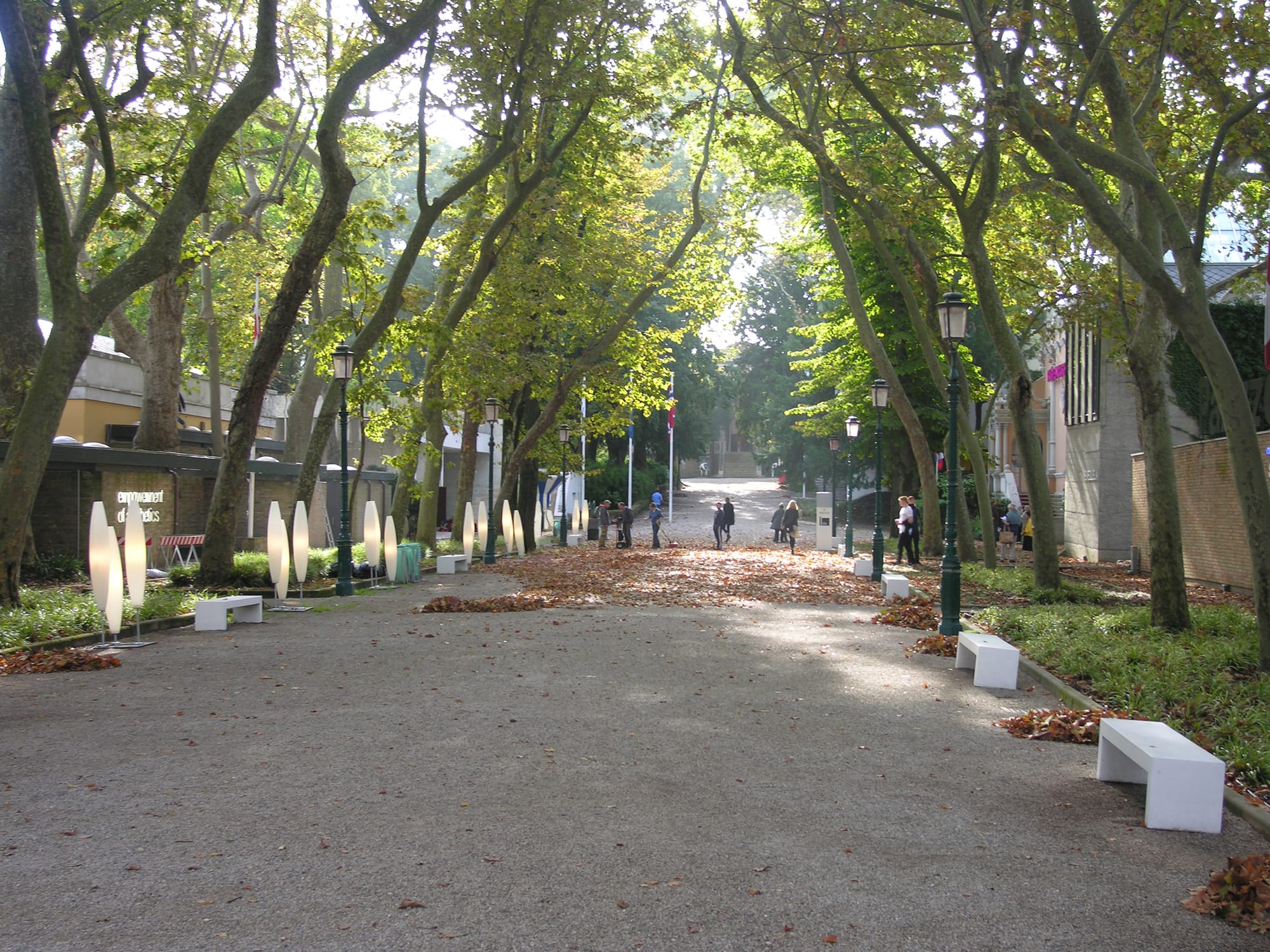
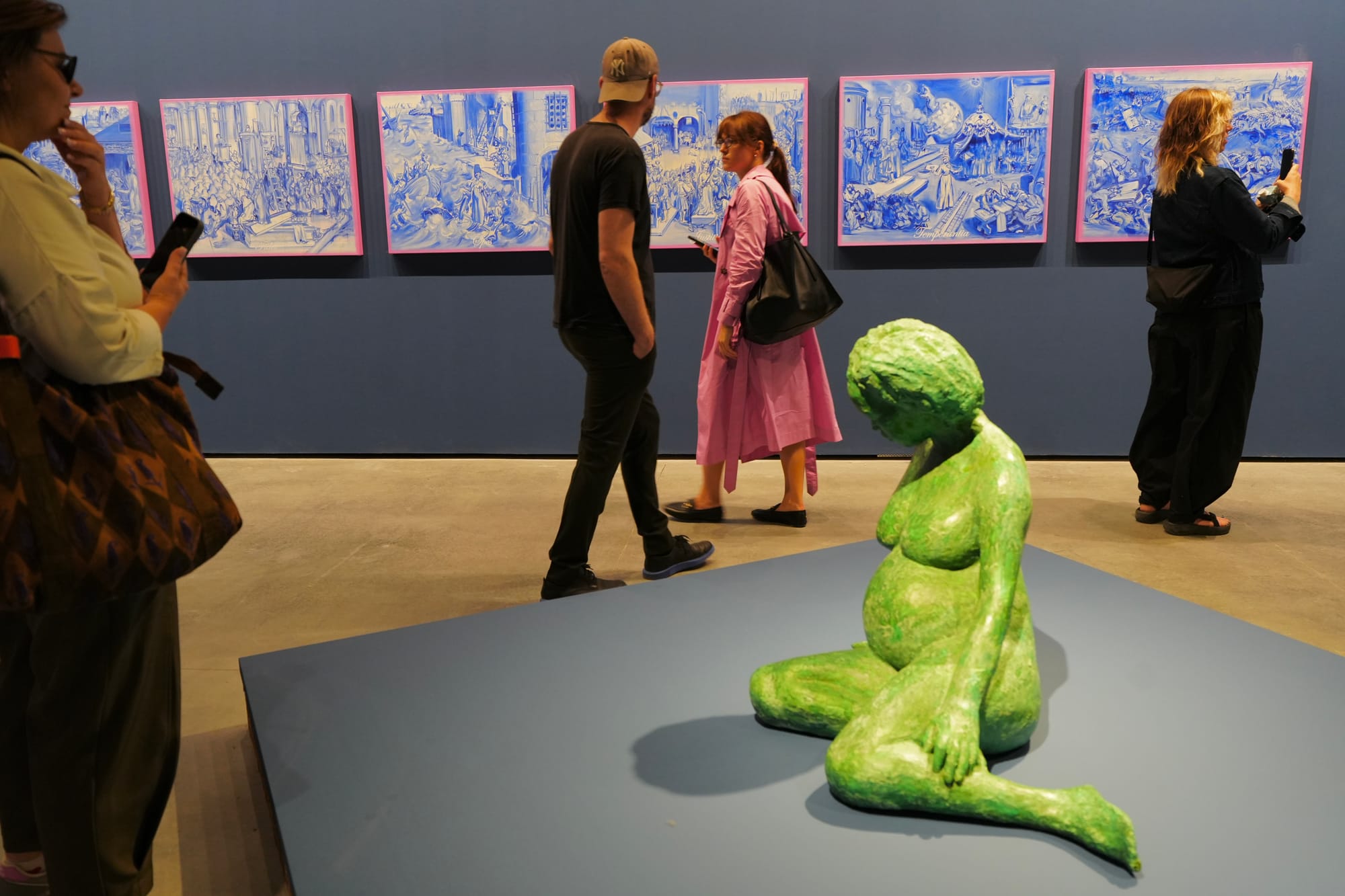
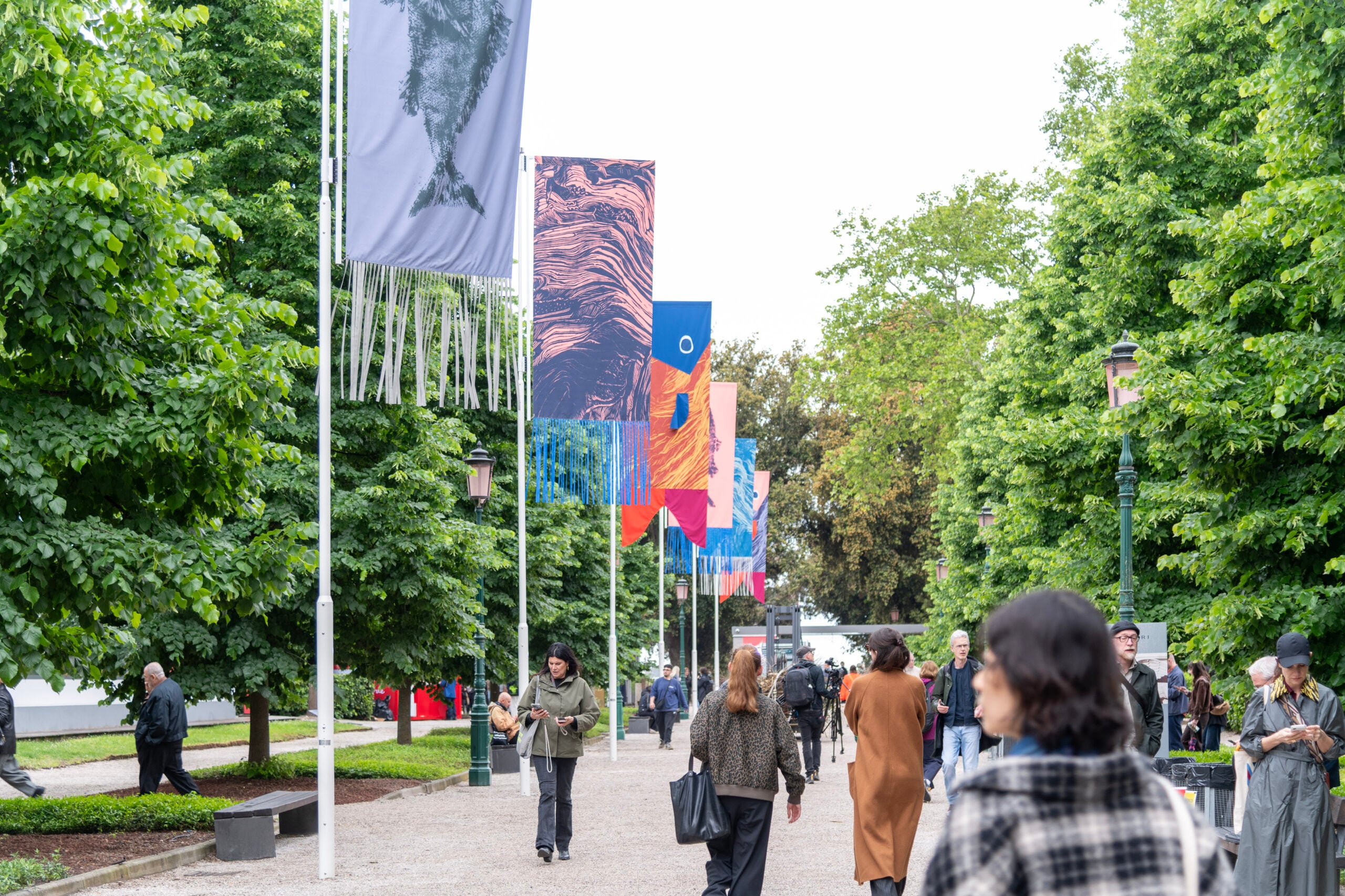
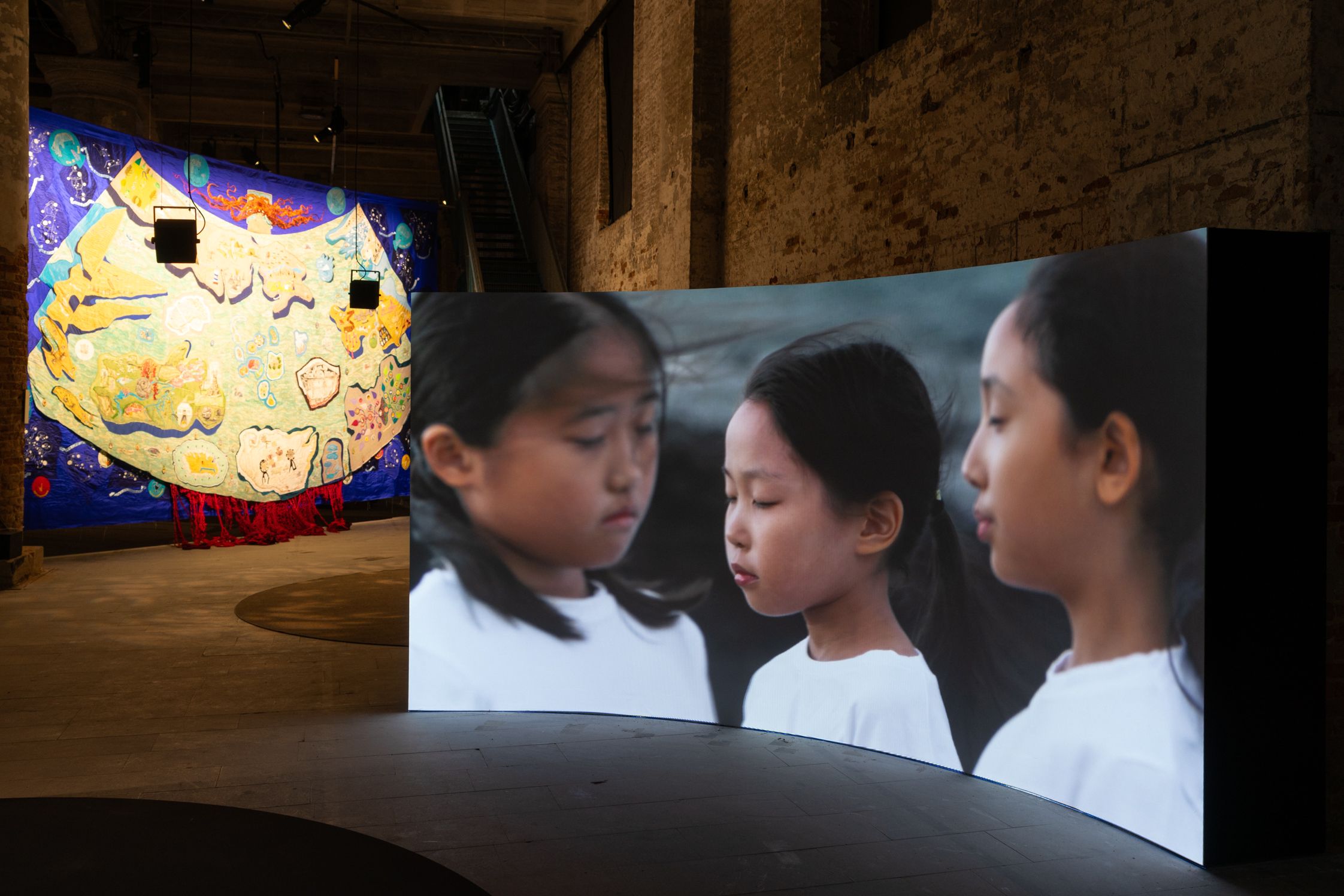
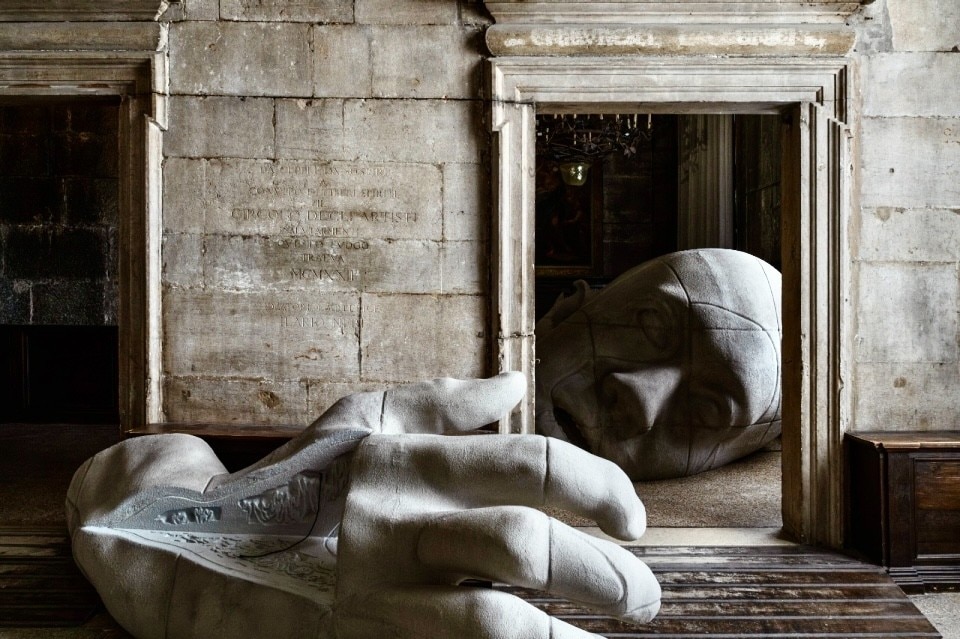
The 2026 Venice Art Biennale has opened across the Giardini, Arsenale, and venues throughout the city, with geopolitics, climate collapse, and national identities dominating the exhibitions. Notable pavilions include Austria's "Seaworld Venice" by Florentina Holzinger, the Czech and Slovak Pavilion's "Il Silenzio della Talpa" by Jakub Jansa and Selmeci Kocka Jusko, India's "Geographies of Distance: remembering home" featuring multiple artists, and the Taiwan Pavilion's "Screen Melancholy" by Li Yi-Fan. The Russian Pavilion has become a focal point of controversy, with guards and empty beer bottles outside, and the Pussy Riot collective staging a protest nearby.

Art and authoritarianism in Auckland

Auckland Art Gallery is presenting 'Forever Tomorrow: Chinese Art Now,' a major survey of Chinese contemporary art featuring 67 works by 42 artists, running from May 2 to August 23, 2026. The exhibition includes Xiao Lu's iconic 1989 work 'Dialogue,' which she famously shot with a gun hours after its opening, an act later linked to the Tiananmen Square protests. Xiao Lu comments on the political resonance of the show in New Zealand amid global shifts in democracy and US-centric world order.

In an Age of Image Overload, AIPAD’s The Photography Show Reminds Us What a Photograph Can Do

The 2026 Photography Show, organized by AIPAD, opened to VIPs on April 22 at the Park Avenue Armory with record attendance and strong early sales. Featuring 80 domestic and international galleries, the fair showcased works ranging from early photographic experiments to contemporary digital and installation-based practices, with notable acquisitions by the Museum of the City of New York. AIPAD executive director Lydia Melamed Johnson reported a broad demographic of collectors, from established connoisseurs to first-time buyers.

The Carnegie International Makes Its Mark

The 59th Carnegie International opens in Pittsburgh, featuring 61 artists from around the world in the oldest survey of its kind in the United States. Critic Ed Simon reviews the exhibition, noting it captures the excitement of earlier editions while providing vital commentary on authoritarianism and militarism. In other news, activists protested Jeff Bezos's co-chair role at the Met Gala with a costumed action and guerrilla projections on his penthouse; Iran withdrew from its national pavilion at the Venice Biennale; MoMA PS1 announced the first US survey of Mexican artist Teresa Margolles; and Hakim Bishara reflects on MoMA's Marcel Duchamp exhibition.

Artists Criticize Somalia’s First-Ever Venice Biennale Pavilion: ‘This Pavilion Does Not Speak for Us’

Somalia's inaugural pavilion at the Venice Biennale has sparked significant backlash from the nation's domestic art community. Four major Somali art spaces and nine local artists issued a joint statement criticizing the pavilion for failing to include or consult artists currently living and working within Somalia. The controversy centers on the selection of three diaspora artists based in Europe and the appointment of a Venice-based co-curator, which critics argue ignores the cultural workers who have rebuilt the country's art scene under difficult conditions.

Previews: 61st Venice Biennale: In Minor Keys

The 61st Venice Biennale, titled "In Minor Keys" and curated by the late Koyo Kouoh, opens amid global turmoil and internal controversy. Kouoh, who passed away in May 2025, conceived the exhibition around the metaphor of a "creole garden," emphasizing deep affinities between 111 artists from diverse locations such as Dakar, Beirut, and Salvador. The Biennale is overshadowed by recent geopolitical events, including US-Israeli airstrikes on Iran, and faces protests: over 70 participating artists signed an open letter opposing the participation of Israel, Russia, and the US, while the Australian pavilion saw the reinstatement of Khaled Sabsabi after being dropped, and South Africa withdrew its official pavilion over Gabrielle Goliath's femicide project, which she will still present independently.

A Guide To May 2026 Photography Festivals & Exhibitions

A diverse array of international photography festivals and exhibitions are scheduled for May 2026. Key events include Bieler Fototage in Switzerland, focusing on vulnerability as a social condition; Photo London, which is relocating to the Olympia and introducing new curated sections; Hard Copy New York at the ICP, exploring photocopied imagery; Fotofestival Lenzburg, an open-air exhibition in Switzerland; and several other events across Europe and the US.

Stars feiern Mode und Kunst bei Met-Gala

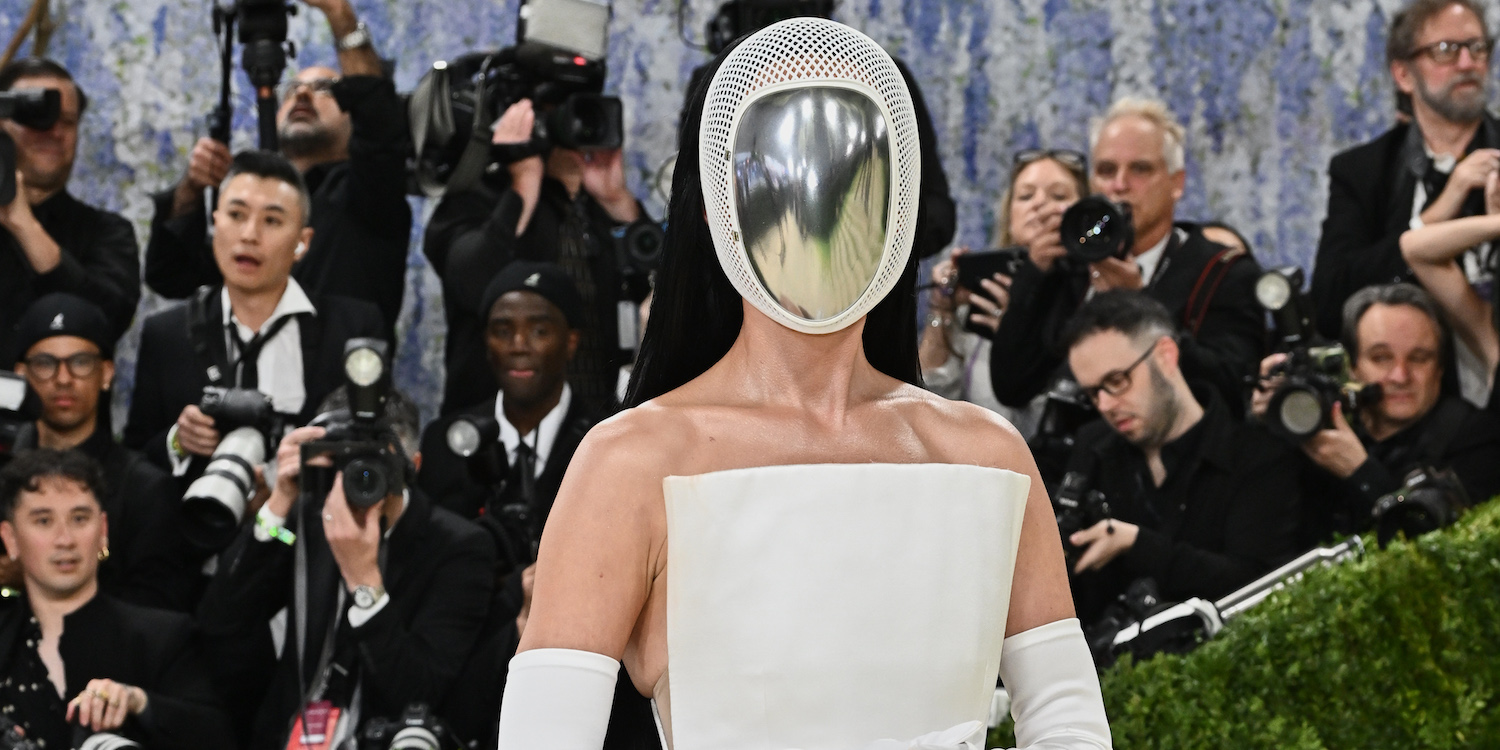
The Met Gala, hosted by Anna Wintour at the Metropolitan Museum of Art in New York, raised millions for the museum's Costume Institute. This year's event featured celebrities like Beyoncé, Nicole Kidman, and Heidi Klum, with a dress code of "Fashion is Art." Beyoncé and Kidman brought their daughters for the first time, while Klum dressed as a stone statue. The gala opened the "Costume Art" exhibition and was co-sponsored by Jeff Bezos and Lauren Sánchez Bezos, drawing protests over Bezos's involvement.

"In Minor Keys" Hits All the Right Notes

The 61st Venice Biennale's international exhibition, titled "In Minor Keys," opened with a somber curatorial press conference, as artistic director Koyo Kouoh, who died in May 2024 at age 57, was not physically present. The exhibition features 110 invited participants across the Arsenale and Giardini, including works by Buhlebezwe Siwani, Johannes Phokela, Wangechi Mutu, Ebony G. Patterson, and Kambui Olujimi. Protests marked the opening, with gatherings at the temporary Israeli pavilion and Pussy Riot's presence at the Russian pavilion, while the exhibition itself asks viewers to look closer at overlooked forms of representation and consider innovative models of measuring the world.

The 10 best pavilions to see at the 2026 Venice Art Biennale. Artribune's top ten

I 10 migliori padiglioni da vedere alla Biennale d’Arte di Venezia 2026. La top ten di Artribune

Artribune presents its top ten must-see national pavilions at the 2026 Venice Biennale, which features a record 100 participating countries. The article highlights standout projects including Greece's escape room by Andreas Angelidakis critiquing nationalist populism, Belgium's participatory dance installation by Miet Warloop, and Canada's greenhouse-like pavilion by Abbas Akhavan exploring colonial botany. The Biennale, curated by Koyo Kouoh under the theme "In Minor Keys," is marked by last-minute jury resignations leading to public voting for the Golden Lions, as well as protests over the participation of Russia and Israel.

The Bad Bunny chairs taking over the art world

Edra Soto, a Puerto Rican artist based in Chicago, has created a series of plastic lawn chairs upholstered with the face of reggaetón superstar Bad Bunny, now on view in the exhibition "Dancing the Revolution: From Dancehall to Reggaetón" at the Museum of Contemporary Art Chicago. The chairs, part of Soto's broader practice transforming everyday Puerto Rican objects into art, also appear at the Kemper Museum of Contemporary Art in Kansas City and were shown at EXPO Chicago. The exhibition explores the visual history and political power of Caribbean music, highlighting Bad Bunny's role in the 2019 protests that led to the resignation of Governor Ricardo Rosselló.

A Theatre Group of Exiled Belarusian Artists Arrive in Venice, With an Exhibition That Shows What Repression Feels Like

The Belarus Free Theatre, an exiled underground theater group, will stage its first official collateral exhibition at the 61st Venice Biennale, titled “Official. Unofficial. Belarus.” The show, held in the historic La Chiesa di San Giovanni Evangelista di Venezia, features site-specific paintings, a sound installation, and large-scale sculptures that aim to immerse visitors in the experience of repression under authoritarian rule. This marks only the fifth time Belarus has been present at the Biennale, and the first time it appears not as a state but as a self-governing cultural body, challenging the official narratives of nations like Russia.

"Hier darf laut gelacht werden"

During the opening week of the Venice Biennale, multiple reports detail controversies surrounding the Israeli and Russian pavilions. According to Hyperallergic, artist Belu-Simion Fainaru of the Israeli pavilion threatened legal action against the Biennale after the jury sought to exclude Israel and Russia from prizes over alleged human rights violations, citing antisemitism and nationality-based discrimination. This may have prompted the jury's sudden resignation. Meanwhile, taz reports that Russia's pavilion is a macabre 'dance of death' blending techno and political denial, while Israel's pavilion faces a 'silent boycott' and social ostracism. Zeit describes protests by Pussy Riot and Femen outside the Russian pavilion as a defining image, with activists chanting 'blood sticks to the art of this country.'

‘In Minor Keys’: discover the themes that define the 61st Venice Biennale exhibition

The 61st Venice Biennale's main exhibition, 'In Minor Keys', curated by the late Koyo Kouoh, has opened after her sudden passing in 2025. Kouoh had fully planned the exhibition before her death, and a team of seven realized her vision. The show features 110 artists, including Wangechi Mutu, Nick Cave, Alfredo Jaar, and emerging talents like Ranti Bam. It opens with a poem by Refaat Alareer and an installation by Khaled Sabsabi, setting a contemplative tone amid themes of mourning, grief, and healing. The exhibition also highlights minority perspectives, including Caribbean and Central American artists, and confronts colonial histories through works like Florence Lazar's film on a hurricane-exposed necropolis.

In Dancehall and Reggaetón’s Evolution, MCA Chicago Charts a Global Awakening

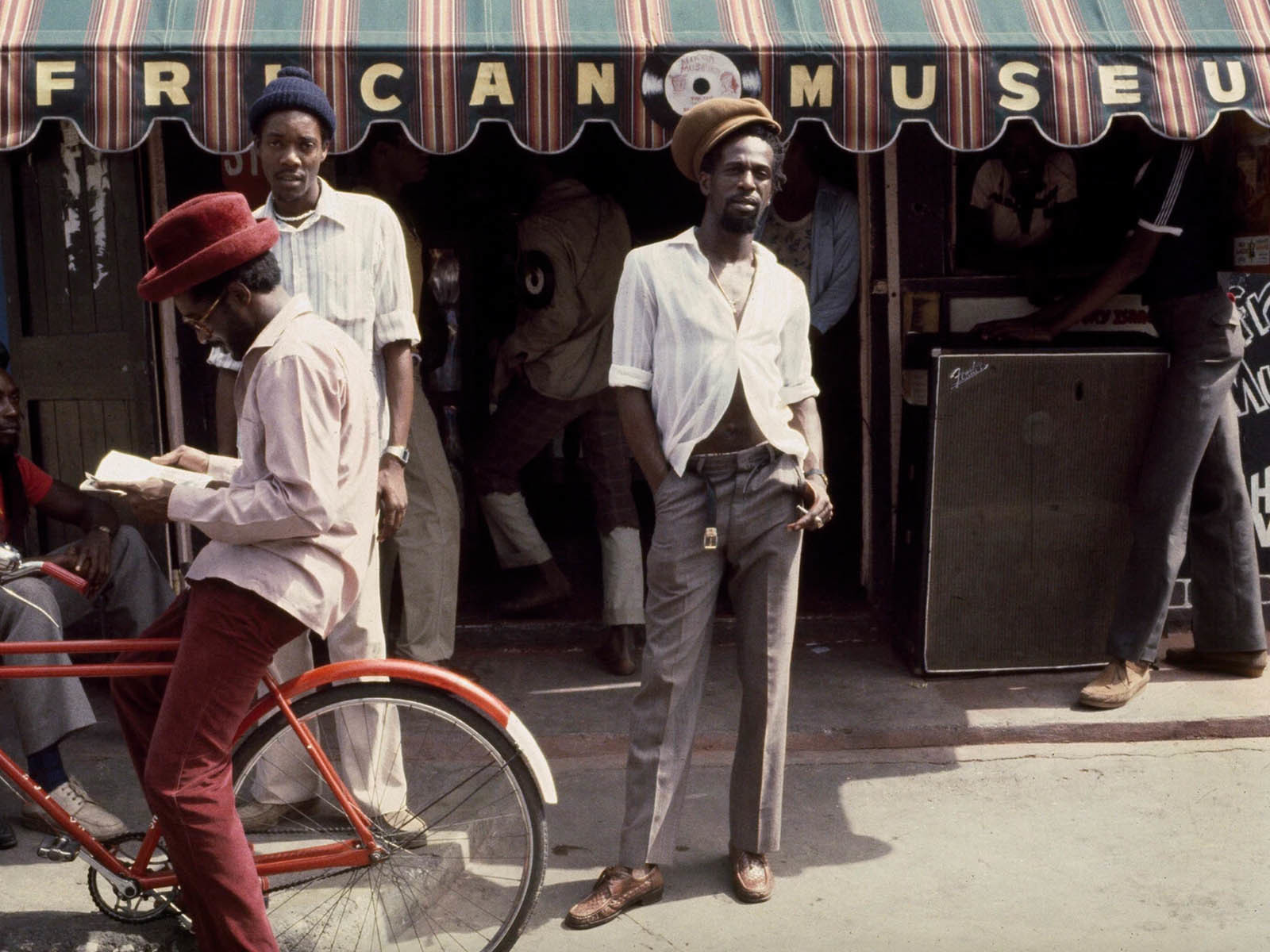
The Museum of Contemporary Art Chicago has opened "Dancing the Revolution: From Dancehall to Reggaetón," an ambitious exhibition exploring the historical evolution of dancehall and reggaetón as cultural movements and their influence on contemporary art. Curated by Carla Acevedo-Yates, the show features over 40 international artists including Isaac Julien, Edra Soto, Alberta Whittle, Carolina Caycedo, supakid, and Lee "Scratch" Perry, tracing the genres' roots from Afro-Caribbean traditions through their emergence in Jamaica, Panama, and Puerto Rico to global mainstream dominance by figures like Daddy Yankee and Bad Bunny.

The Prizes

Los premios

Artist Gala Berger presents a three-act exhibition titled "Los premios" (The Prizes), which revisits the radical spirit of the 1968 Latin American avant-garde. The show specifically references two historic 1968 exhibitions at the National Museum of Fine Arts in Buenos Aires—the Georges Braque Prize and "Materials, new techniques, new expressions"—where artists staged protests involving egg-throwing, stink bombs, and manifestos against censorship and institutional tutelage.

MCA Chicago show explores the power of Dancehall and Reggaeton

The Museum of Contemporary Art Chicago has launched "Dancing the Revolution: From Dancehall to Reggaetón," an interdisciplinary exhibition exploring the political and cultural impact of Caribbean music genres. Curated by Carla Acevedo-Yates, the show was inspired by the 2019 "perreo combativo" protests in Puerto Rico that led to the governor's resignation. The exhibition features a diverse array of media, including paintings by Jean-Michel Basquiat and Denzil Forrester, sculptures by Michael Richards, and archival materials like Dancehall posters and sound system equipment.

Tabula Rasa: The Geometry of the Collective.

Peterson Kamwathi's exhibition 'Tabula Rasa: The Geometry of the Collective' opened at the Nairobi Contemporary Art Institute. The show features his work exploring how individual bodies accumulate and dissolve into larger social and political formations, mapping the dynamics of crowds, protests, and collective identity.

Flinders exhibition revives the ’60s-’70s

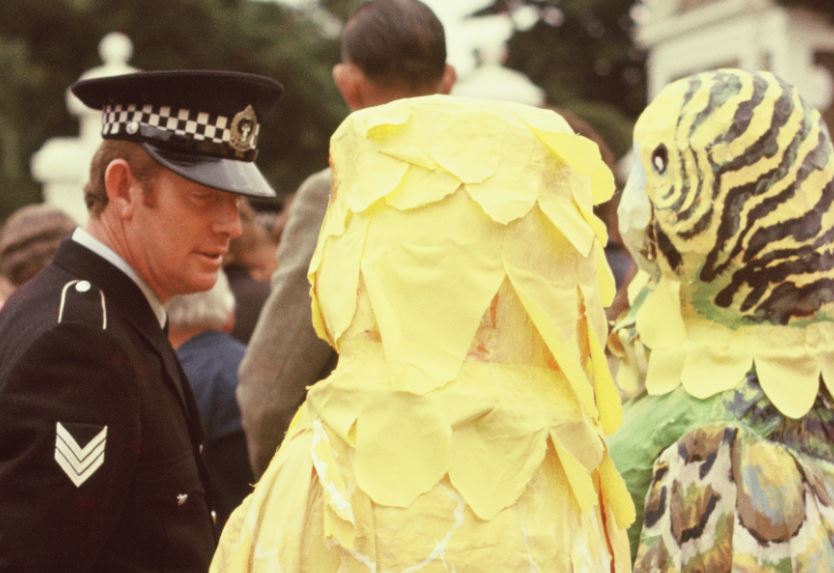
Flinders University Museum of Art (FUMA) presents 'Anarchive: knowledge follows form', a solo exhibition by South Australian artist Bridget Currie running from 27 April to 19 June 2026. The show reimagines the archive as a living force, drawing on FUMA's 'Post-object and Documentation Art' collection from the 1960s and 1970s. It features works by Bonita Ely, Alison Goodwin, Poppy Johnson, Dorothy Thompson, and Eva Yuen Man-Wah, including Thompson's playful protest performances in bird costumes. The exhibition is co-presented with Adelaide Contemporary Experimental and includes a guest-edited issue of Artlink magazine.

Paul Kroner showcased in first solo exhibit, 'What Have I Done?'

Paul Kroner, an award-winning contemporary visual artist and gallerist, is presenting his first solo exhibition, "What Have I Done?," at his artist-run gallery, Studio Kroner. The show marks his 25th exhibition at the space and coincides with the gallery's fifth anniversary. Featuring nearly 50 works, some begun as early as 2020, the exhibition reflects on themes of creation, responsibility, and inner life. Kroner purchased the studio in 2021 after it was previously owned by Dick Waller, and the exhibition represents a full-circle moment following the challenges of the COVID-19 pandemic and the 2020 protests in Over-the-Rhine.

With Free Vodka, and a Few Protests, Russia Returns to the Venice Biennale

Russia has reopened its national pavilion at the Venice Biennale for the first time since its full-scale invasion of Ukraine in 2022. The pavilion’s opening featured free vodka and drew a few protests, while Ukraine’s own exhibition is located nearby, highlighting the stark geopolitical tensions playing out at the prestigious art event.

On the eve of Mother’s Day, New Orleans art exhibit protests the death of Black sons

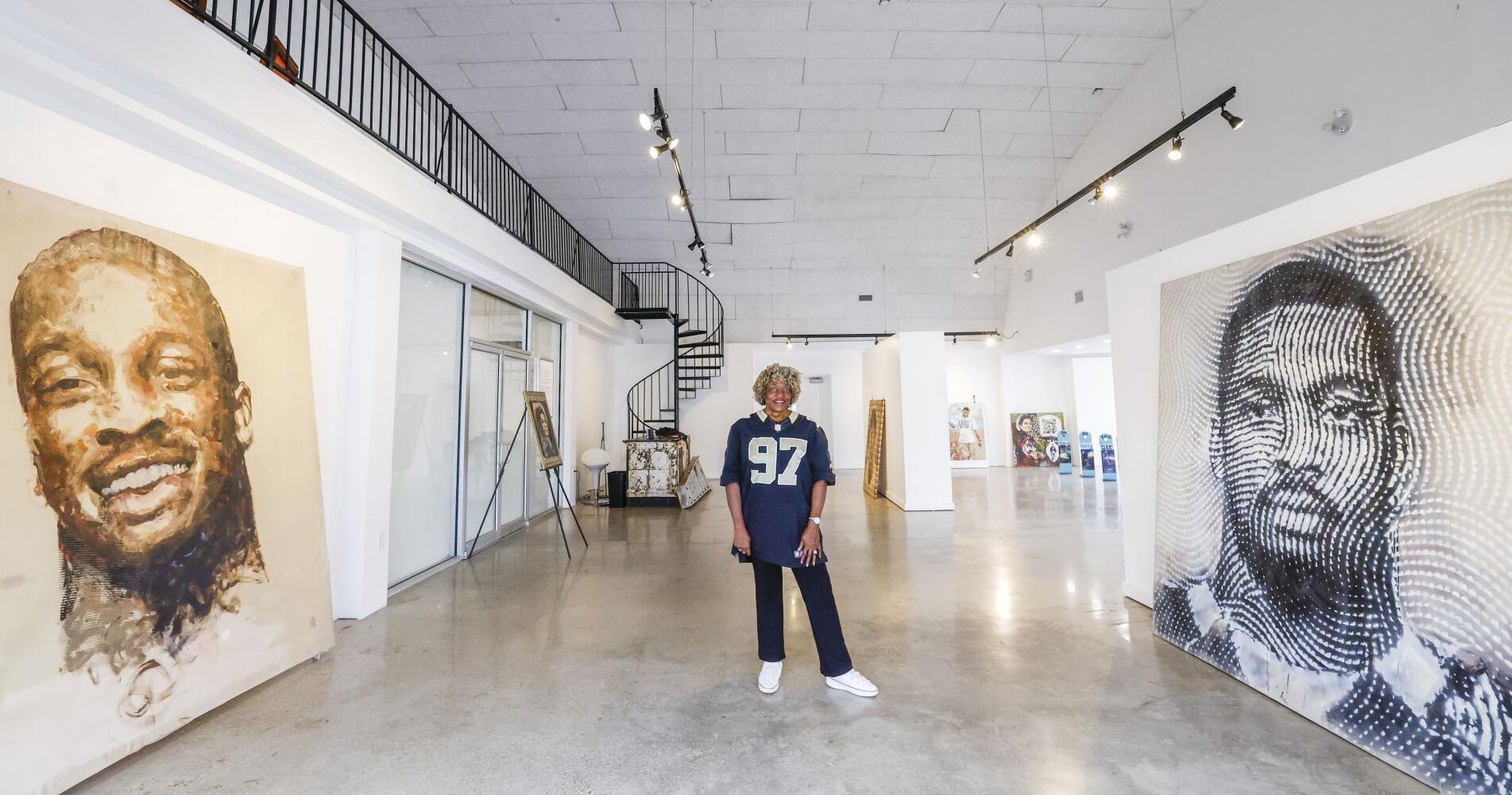
On the eve of Mother's Day 2026, an art exhibit titled "The Four Lost Sons" opened at [ART] CONSCIOUS gallery in Arabi, Louisiana. The show features large portraits of four Black men from Louisiana who died in police custody or altercations, created by the pseudonymous artist Walta Focq. The exhibit coincides with the anniversary of Ronald Greene's death, who was beaten and tased by Louisiana State Police in 2019. The mothers of the four men are involved in the project and plan to speak at the opening reception.

New exhibit at Museum of Contemporary Art explores reggaetón and dancehall as forms of protest

The Museum of Contemporary Art has opened a new exhibition titled 'Dancing the Revolution: From Dancehall to Reggaetón.' The show features works by 42 contemporary artists, including paintings, sound sculptures, and interactive installations like a karaoke machine, examining the social, political, and spiritual histories of these musical genres. It was inspired by the 2019 protests in Puerto Rico, where reggaetón music and dance became a central form of protest and celebration.