filter_list Showing 9 results for "FRAGILE" close Clear
search
dashboard All 187 museum exhibitions 84article news 38article culture 14trending_up market 13gavel restitution 12article policy 11article local 9rate_review review 3person people 2candle obituary 1
date_range Range Today This Week This Month All
Subscribe

What’s on now at San Francisco museums, February 2026

Several San Francisco museums are experiencing a period of transition and challenge in February 2026. Key exhibitions are closing soon, including "Manet and Morisot" at the Legion of Honor and Suzanne Jackson's first career retrospective at SFMOMA, both ending March 1. New shows are opening, such as "Video Craft" at the Museum of Craft & Design and "Echoes in the Small Mountain: Park Dae-sung and the West Coast" at the Asian Art Museum. Meanwhile, the city's cultural landscape faces strain, with the Mission Cultural Center for Latino Arts suspending operations, representing a significant loss of community programming.
Century-old art studio in need of urgent repairs

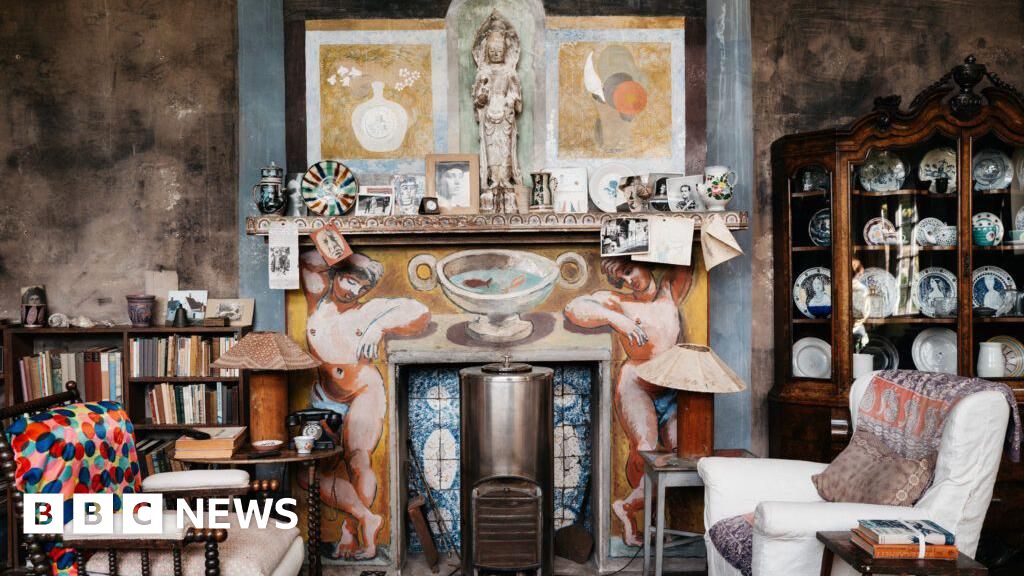
The Charleston Trust has launched a £250,000 fundraising campaign called Studio 100 to urgently repair a century-old studio at Charleston in Firle, East Sussex. The studio, originally built in a chicken shed in 1925 by artists Vanessa Bell, Duncan Grant, and Roger Fry, was intended as a temporary space but has become a globally significant site. The total project cost is about £470,000, with support already secured from Arts Council England. Repairs will focus on the roof, windows, doors, and fragile painted surfaces, along with installing climate control systems, scheduled from November 2026 to April 2027.

Aux Catacombes, une visite réinventée

After five months of closure, the Catacombs of Paris have reopened with a major modernization project. The site now features a new immersive audio guide narrated by the voice of its historical founder, Louis Étienne Héricart de Thury, along with improved lighting that highlights previously invisible details and a revamped climate-control system to better preserve the bones. The €5.5 million renovation, led by Paris Musées and funded by the City of Paris, also included structural repairs to the bone stacks using dry-stone techniques instead of cement.

After 550 years, a fabric found in a Norwich bishop’s tomb is recreated

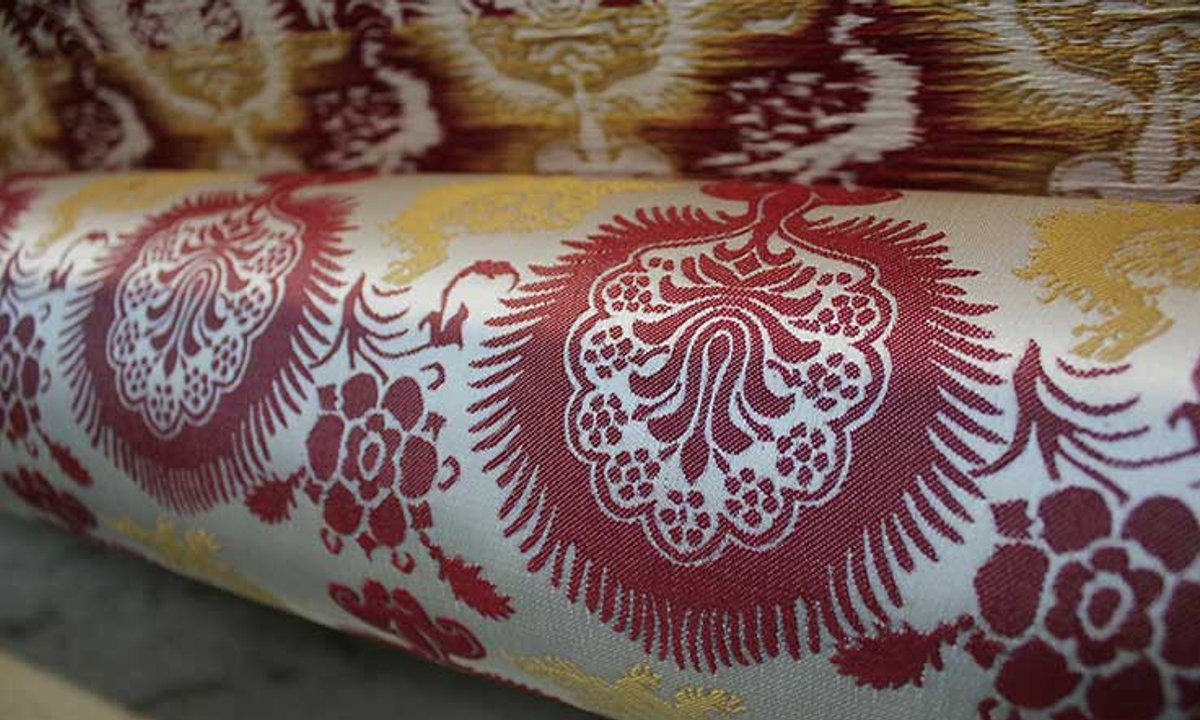
Fragments of silk from a ceremonial robe buried with Norwich Bishop Walter Lyhert in 1472 have been recreated after 550 years. The tiny pieces were discovered in 1899 during building works at Norwich Cathedral and have been on long-term loan to Norwich Castle. A project led by assistant curator Agata Gomolka used high-resolution photography, chemical fiber analysis, and dye testing by scientists at the British Museum and KIK-IRPA in Brussels to reconstruct the red and purple fabric. The recreated silk is now on display at Norwich Castle, and Norwich Cathedral plans to make ceremonial copes from it for use in services.

Student artists bring diverse visions to IVC’s annual gallery exhibit

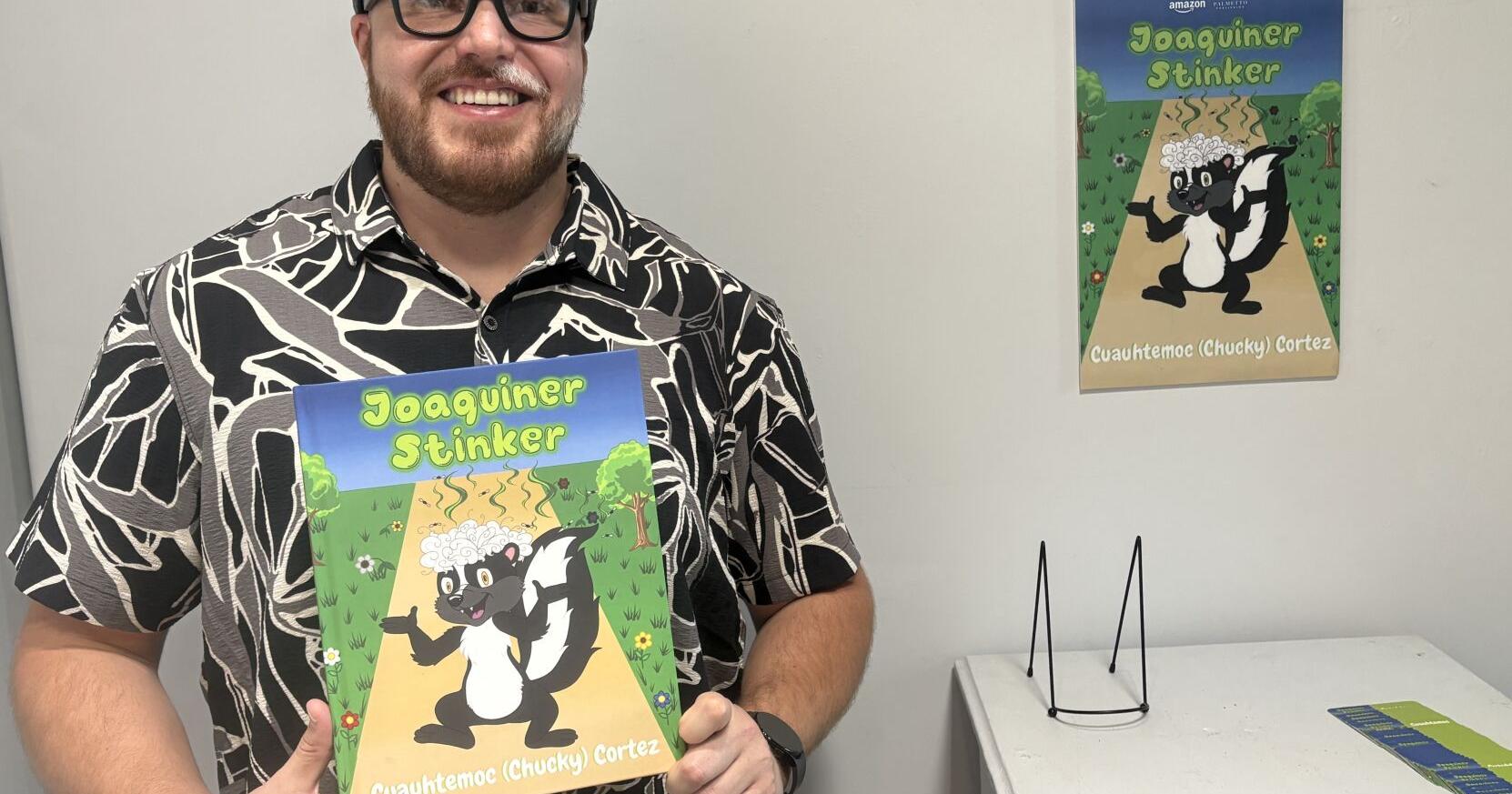
The 2026 IVC Student Art Exhibit opened at Imperial Valley College's Juanita Lowe Art Gallery on May 6, featuring a ribbon-cutting ceremony and a diverse range of student works including sculptures, videos, paintings, mixed media, and photography. Notable pieces include Catalina Gonsalez's acrylic series "Fire-Fuego," "Wind-Viento," "Water-Agua," and "Earth-Tierra," Stephanie Carrillo's watercolor of Salvador Dali, Kimberly Rodriguez's "Fragile Dancer," and Alejandro Mendez's "Self Portrait." Artist Daniel Barrera Jr. showcased Renaissance-inspired drawings, and author Cuauhtemoc (Chucky) Cortez presented his children's book "Joaquiner Stinker" with illustrations by Jesus Felix.

Here's your last chance to support city centre art gallery forced to close

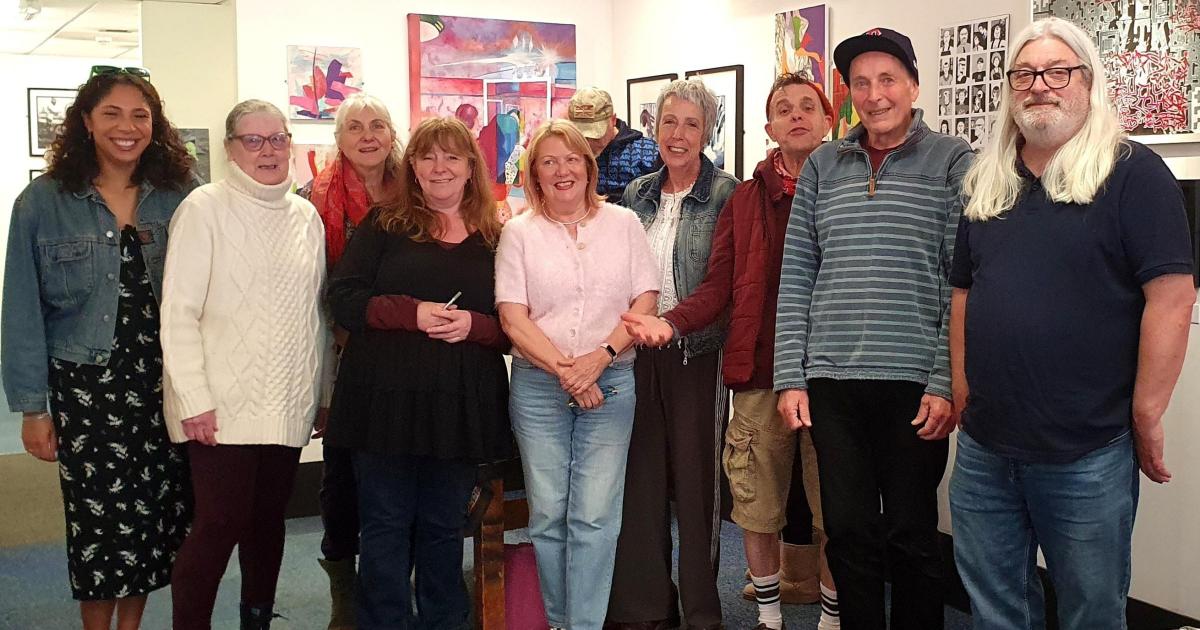
The Trapezium Art Gallery in Bradford city centre, a volunteer-run space that has hosted over 70 exhibitions by local artists and community groups over the past eight years, is being forced to close due to the redevelopment of the Kirkgate Shopping Centre site. Its final exhibition celebrates the volunteers who kept the gallery thriving, showcasing a diverse range of artwork including printmaking, painting, digital art, photography, collages, and textiles, and runs until May 30.

Fit for a king: the drapery bedchamber at Germany's ‘Versailles of Swabia’ presents conservators with a special challenge

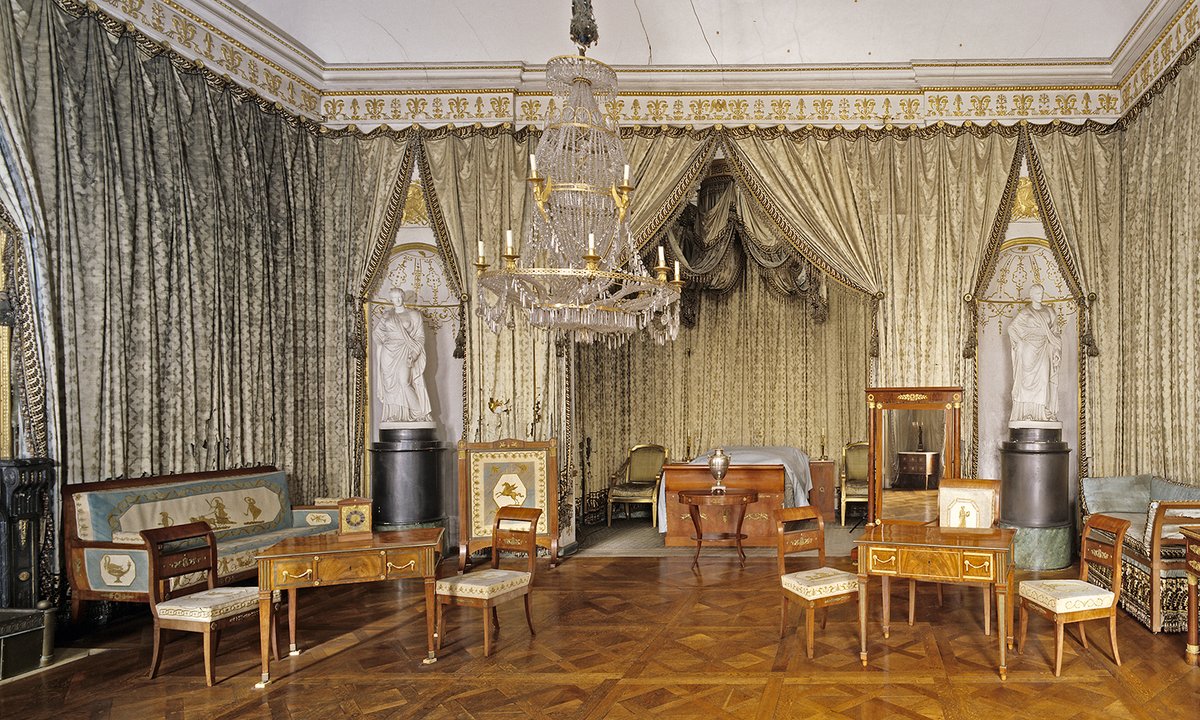
Friedrich I of Baden-Württemberg upgraded his summer residence, Ludwigsburg Palace in Germany, after allying with Napoleon and becoming king. Four prized rooms, including the unusually complete drapery bedchamber, are set to reopen in 2026 after substantial restoration. The bedchamber features original turquoise silks, now faded blue-green, and over 6,000 tassels, presenting a major conservation challenge. Textile conservator Anu-Susanna Ventelä notes it is likely the only palace in Europe with such an intact drapery room. The project is part of a larger revamp of 35 rooms funded by the State of Baden-Württemberg, with conservators consulting historical inventories to restore furnishings to their original layout.

Expanded Taos Art Museum Improves Display And Care Of Collection

The Taos Art Museum has completed an expansion project that enhances both the display and preservation of its collection. The renovation includes new gallery spaces, improved climate control systems, and upgraded storage facilities, allowing the museum to better showcase its holdings of Taos Society of Artists works and other regional art.

The Museum of the Surrender of Reims Reopens After a Year of Renovations

Le Musée de la Reddition de Reims rouvre ses portes après un an de travaux

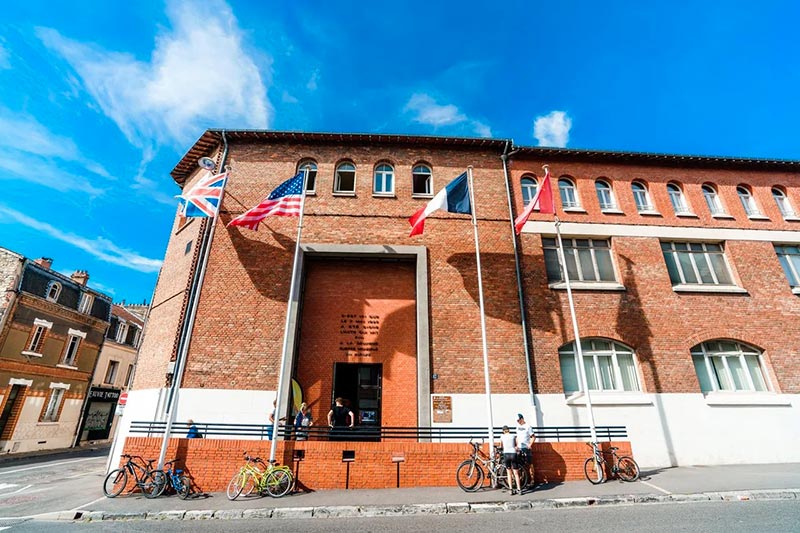
The Musée de la Reddition de Reims (Museum of the Surrender of Reims) reopened on May 7, the 81st anniversary of the German surrender signed in its map room, after a year-long closure. The renovation, costing approximately €2 million, focused on conservation: protective glazing, improved ventilation and lighting, and anoxic treatment of collections to halt degradation of original maps, documents, and war room objects. The museum also overhauled its scenography, designed by Belgian agency Kascen, to present a clearer chronological narrative covering the occupation, Allied presence in Reims, liberation, postwar reconstruction, and reconciliation, rather than just the surrender itself. The museum now displays 17 uniforms, 130 objects and weapons, and 65 archival documents, including the act of capitulation and General McAuliffe's jacket.