
filter_list Showing 3 results for "Washington" close Clear
search
dashboard All 43 museum exhibitions 24trending_up market 10article local 3article culture 2article news 2person people 1article policy 1
date_range Range Today This Week This Month All
Subscribe

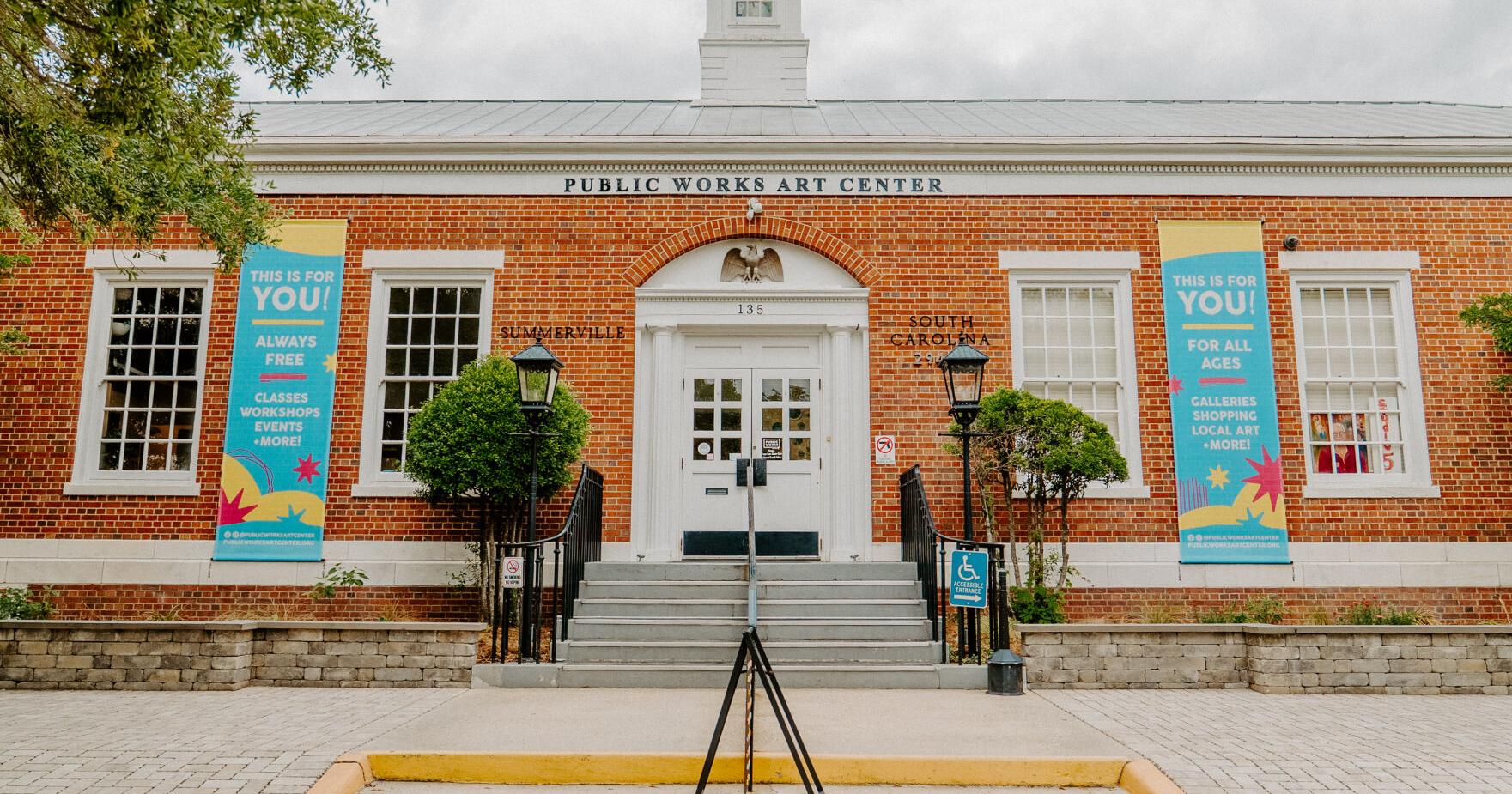
New exhibits start at Public Works Art Center

The Public Works Art Center in Summerville, South Carolina, opens five new exhibitions on May 21 with a reception from 5:30-8:30 p.m. The shows include "GODBODY: THE FEMME," a group exhibition celebrating Black women artists; Amy Stewart's "Intersections" exploring interconnectedness; Nick Cerrato's "Our Society Needs To…" featuring abstract works created with his feet; Sarah Mitchell's "Wildlife in Wool" with needle-felted animals; and the Summerville Artist Guild's annual "All Members Show." During the reception, guild members will create collaborative paintings for sale to benefit the Summerville Rocks Scholarship Fund.
AMP art walk: making art more accessible

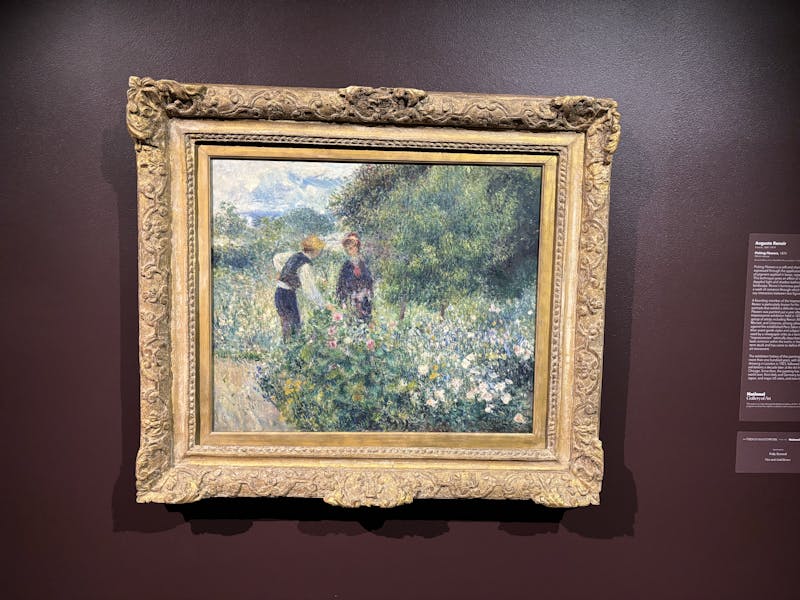
Western Washington University's Arts & Music Productions (AMP) launched a monthly art walk on the first Friday of October, continuing the tradition each month after the closure of the Viking Union Gallery. The event, conceived by AMP supervisor Casey Hayden, aims to introduce students to Bellingham's art scene in a guided, social setting. Skylar Cooney, AMP's visual arts coordinator, leads tours to smaller venues like Bay Street Studios, and the walks have drawn a diverse academic crowd. Participating galleries, such as Voxel Gallery, report increased foot traffic and community engagement, while local artists and professors like Garth Amundson emphasize the importance of free, accessible events for fostering inclusion.

Underground Railroad stop in New York threatened by real-estate development

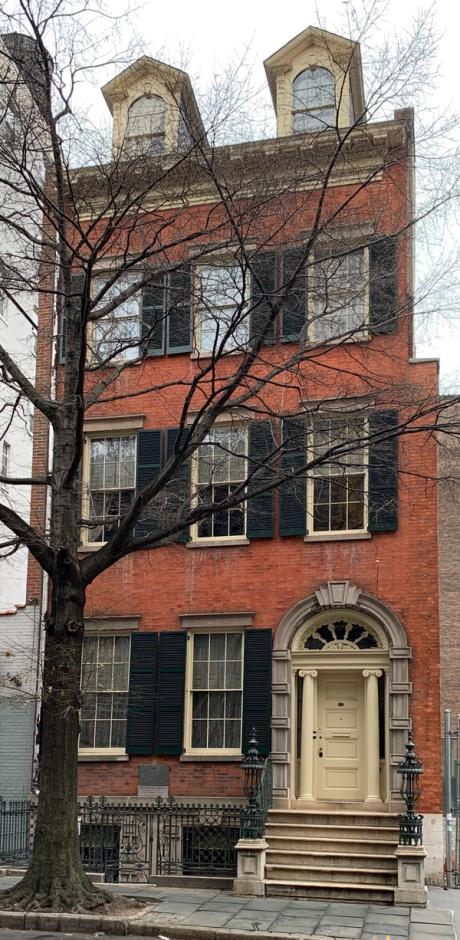
A hidden chute within the Merchant's House Museum in Manhattan, identified as a rare surviving stop on the Underground Railroad, is threatened by a planned real-estate development next door. The two-foot-square vertical passage, concealed behind a built-in dresser, was built in 1832 by abolitionists Joseph and Susanna Brewster to shelter Black fugitives escaping slavery. The museum's western wall, which contains the hideaway, adjoins a one-story garage slated for demolition to make way for a commercial building, prompting the museum team to oppose the development due to risk of structural damage.