filter_list Showing 8 results for "Jeddah" close Clear
search
dashboard All 24 museum exhibitions 9trending_up market 8article news 3person people 2article culture 1article events 1
date_range Range Today This Week This Month All
Subscribe

gulf art scene global force

The article reports on the rapid expansion of the Gulf art scene, with a packed calendar of events from November to March including Abu Dhabi Art, the Diriyah Contemporary Art Biennale, Noor Riyadh, Desert X AlUla, Art Basel Qatar, Art Dubai, and the Sharjah Biennial. Institutional buying is surging as Abu Dhabi prepares to open its Guggenheim, Qatar Museums acquires for the Art Mill, and Saudi Arabia buys for multiple planned museums. The number of collectors is also growing, driven by a "Covid bounce" of high-net-worth individuals relocating from Europe and India to tax-efficient Dubai and Doha, with 6,700 millionaires moving to the UAE in 2024 alone.

Scaled back Art Dubai 2026 reveals wide impact of Iran war

Art Dubai 2026 has announced a significantly scaled-back edition for its 20th anniversary, now running from May 15 to 17 at Madinat Jumeirah with a VIP day on May 14. The fair will feature just 50 galleries—a 60% drop from pre-war expectations—and will be free for all visitors for the first time. Two-thirds of participants are Middle East-based, with all Indian galleries canceling due to safety concerns, shipping risks, and lack of insurance. A new “risk-sharing” model allows galleries to pay a percentage of sales capped at their booth fee, while half of withdrawn galleries’ fees are refunded and half credited toward 2027.

Why is the art market turning Gulf-wards?

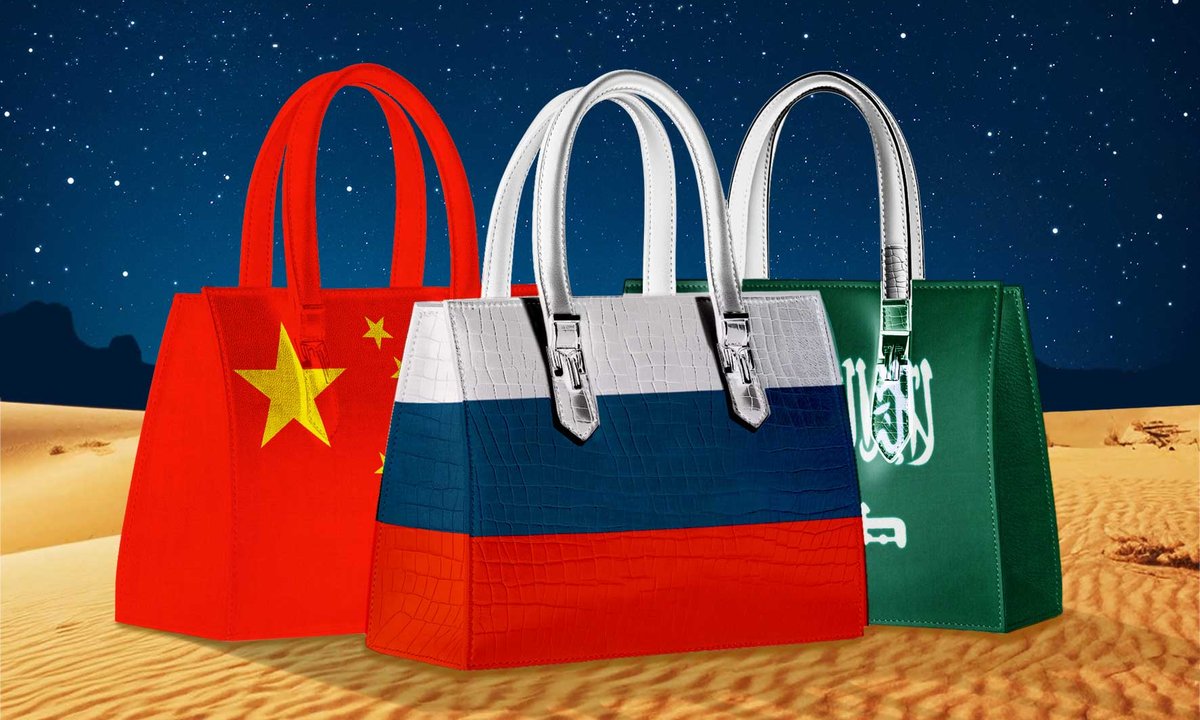
The art market is shifting its focus toward the Gulf region, particularly Saudi Arabia and the United Arab Emirates, following a sharp decline in Chinese luxury goods sales (18–20% drop in 2024) and a 31% slump in Chinese art sales. Auction houses like Sotheby’s and Christie’s have established outposts in Saudi Arabia, with Sotheby’s first auction in Diriyah generating $17.3 million and attracting 35% new buyers. The UAE’s tax-haven status and lack of sanctions on Russians have drawn wealthy residents, while Saudi Arabia’s Vision 2030 campaign, led by Mohammed bin Salman, is pouring money into cultural projects such as AlUla, Art Week Riyadh, the Islamic Arts Biennale, and a new teamLab Borderless museum in Jeddah.

From oil to canvas: Saudi Arabia’s emerging art economy

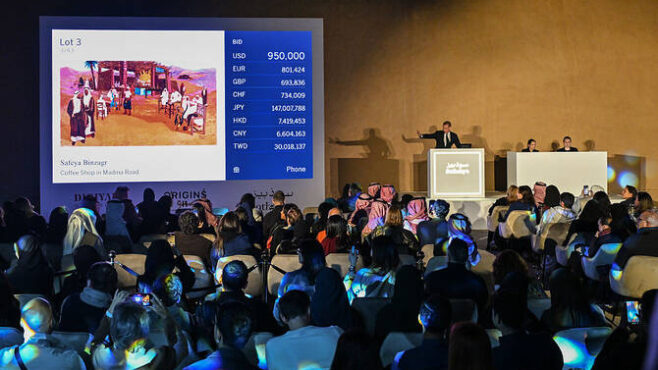
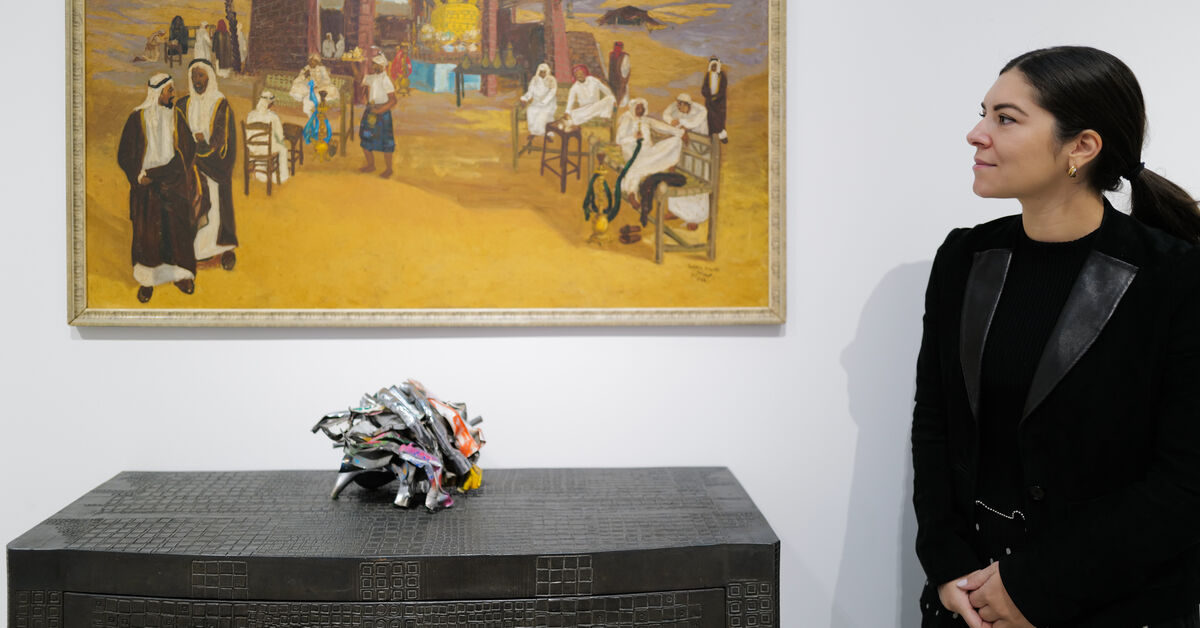
Saudi Arabia's art market reached a significant milestone with Sotheby’s second "Origins" auction in Riyadh, headlined by the $2.1 million sale of Safeya Binzagr’s painting "Coffee Shop in Madina Road." This record-breaking event, which nearly doubled its high estimate, underscores the rapid growth of the Kingdom’s art economy under the Vision 2030 plan. The auction saw a mix of local and international buyers, signaling that Saudi artists are increasingly being integrated into the global contemporary art dialogue.

Sotheby’s returns to Saudi Arabia with art-only auction

Sotheby's is returning to Saudi Arabia with an art-only auction, marking a significant re-entry into the regional market. The event signals a deepening engagement with the kingdom's burgeoning cultural scene.

Sotheby’s Origins II Returns to Riyadh

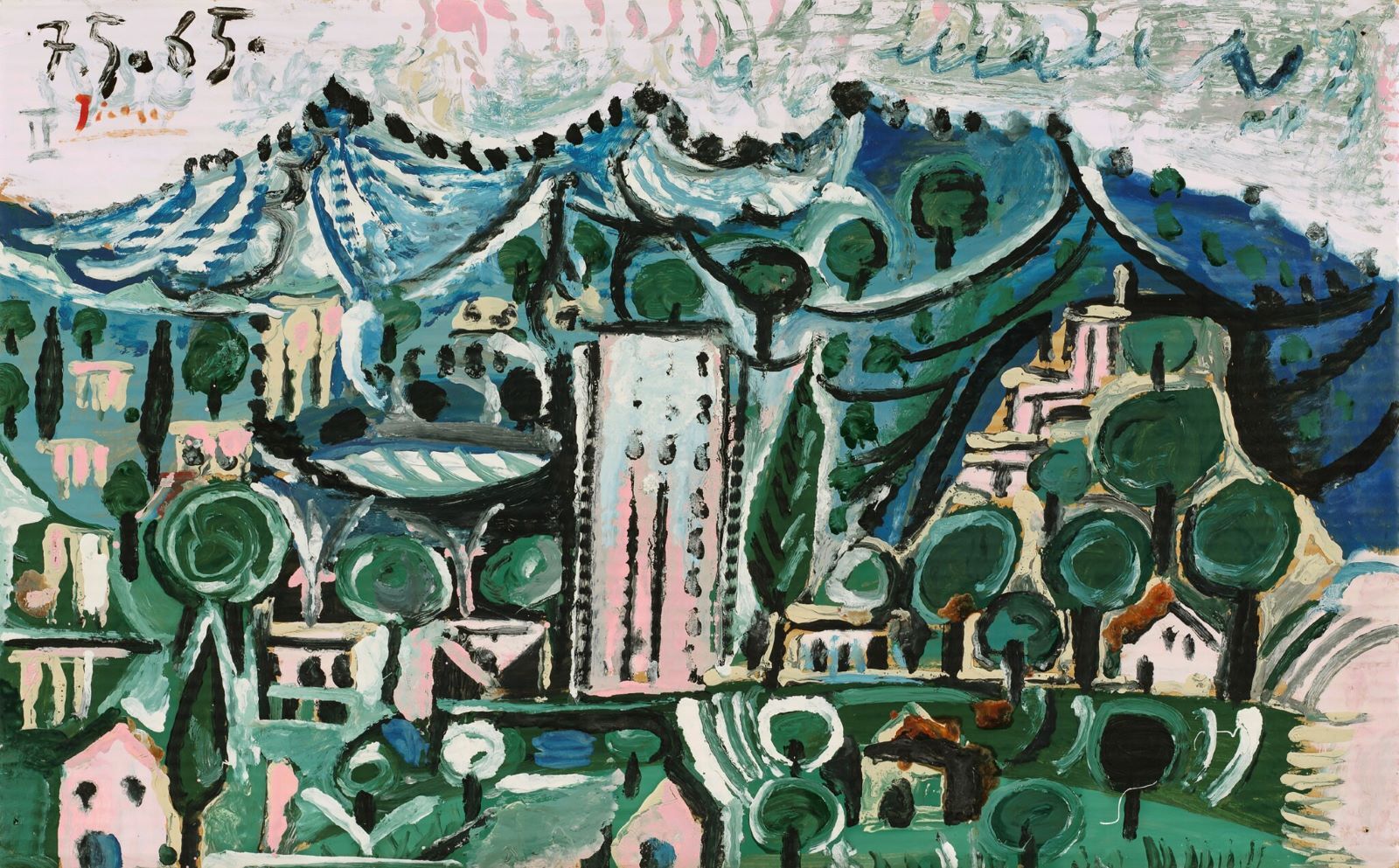
Sotheby’s is returning to Riyadh for the second edition of its Origins sale, titled Origins II, with a live auction scheduled for 31 January. The sale will feature over 70 lots spanning Modern and Contemporary Art, Ancient Sculpture, and 20th-Century Design, including works by Saudi pioneer Safeya Binzagr, Iraqi artist Mahmoud Sabri, and Pablo Picasso. The auction coincides with the Diriyah Contemporary Art Biennale and the debut of Art Basel Doha, and will be preceded by a public exhibition at Diriyah’s Bujairi Terrace from 24 to 31 January.

Middle Eastern art takes center stage in Sotheby’s London exhibition

Sotheby’s London is hosting an exhibition previewing highlights from its upcoming Modern & Contemporary Middle East and Arts of the Islamic World & India auctions. Featured works include Abdulhalim Radwi’s 'Untitled (Desert Scene)' (1975), a mix of oil and sand on canvas estimated at £40,000–£60,000; Ahmed Mater’s 'X-ray Painting 5' from his pioneering series blending medicine and art; Paul Guiragossian’s 'Portefaix en Chomage,' depicting unemployed porters; and Fahrelnissa Zeid’s 'Untitled (Flowers)' from the late 1940s, bridging figurative and abstract styles.

With sanctions on Iranian art, buyers are turning to India

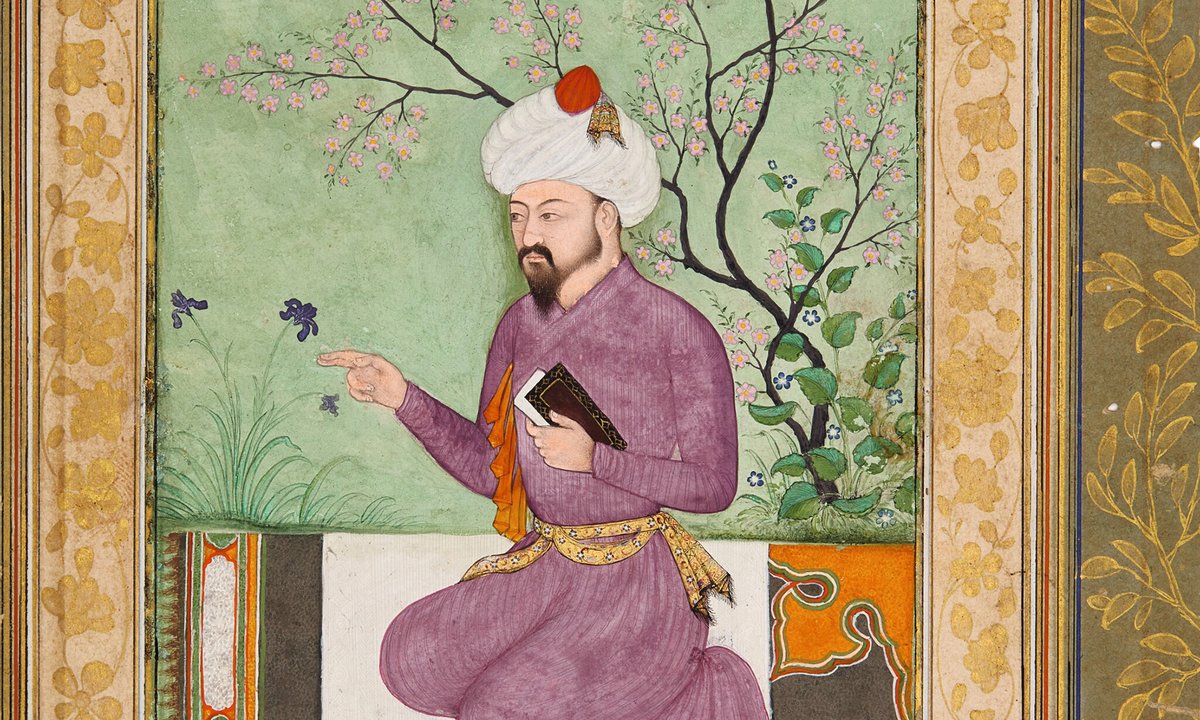
The article reports a significant shift in the Islamic art market, where traditional Persianate works from Iran are declining in sales and value, while art from India and historic Arab polities is rising. At Sotheby's April 2025 sale, 14 of 27 Persian works went unsold, continuing a long-term slump. Key factors include U.S. sanctions on Iran that restrict export of Iranian-origin works, aging collectors, maturing museums, and a generational shift away from classical art toward contemporary pieces. In contrast, Mughal art from India is experiencing a steady price increase, reflecting the repositioning of the market away from Persianate mainstays.