filter_list Showing 11 results for "Eno" close Clear
search
dashboard All 170 museum exhibitions 102article local 20article culture 11article news 11trending_up market 9article policy 8person people 7rate_review review 2
date_range Range Today This Week This Month All
Subscribe

Art Movements: Larry Gagosian Heads to the Big Screen

This week's Art Movements roundup covers several major art world developments. Larry Gagosian is the subject of a new unauthorized documentary by Canadian director Barry Avrich, completing his trilogy on the art industry. Pace Gallery has taken on representation of the Constantin Brancusi Estate. The Maxwell/Hanrahan Foundation announced five winners of its 2026 Awards in Craft, each receiving $100,000. Selldorf Architects and Studios Architecture Paris have been selected to lead a $1 billion renovation of the Louvre Museum, including a new room for the Mona Lisa. Other news includes the Sharpe-Walentas Studio Program's 2026–2027 cohort, A Blade of Grass's 2026 In Fellowship cohort, and several appointments.
A New Residency Aims to Give Indigenous Artists the Tools to Make Art in Neon

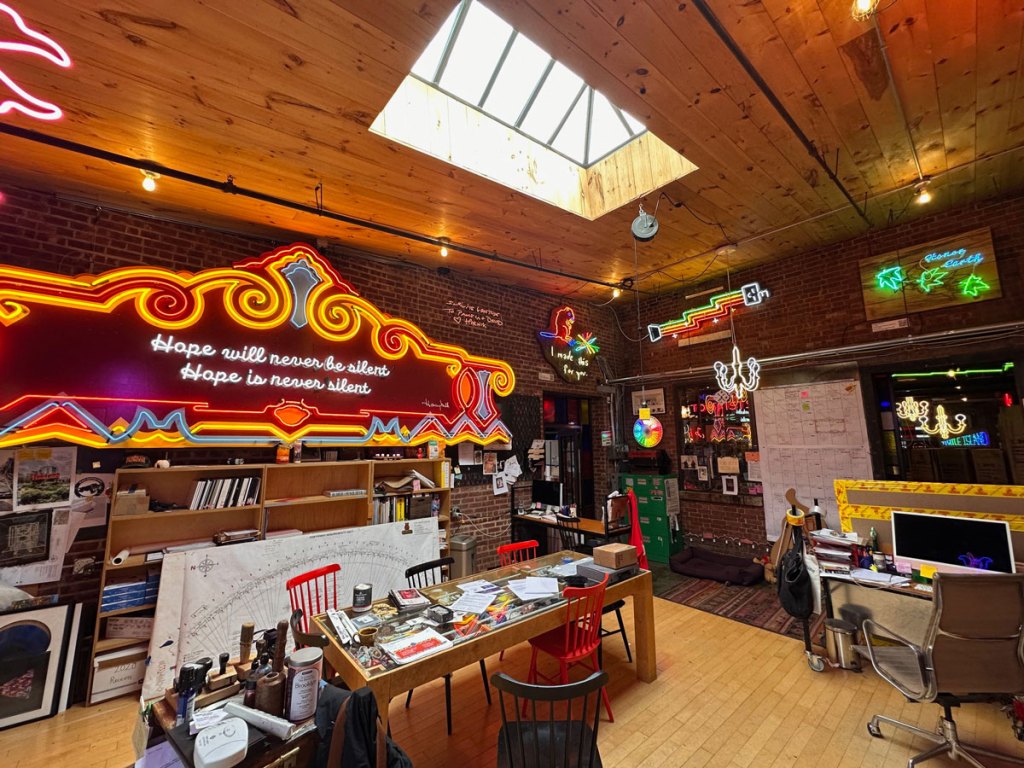
The Walker Youngbird Foundation, a Native-led nonprofit, has launched a new residency program in collaboration with Lite Brite Neon Studio in Kingston, New York, aimed at giving Indigenous artists the opportunity to create work in neon for the first time. The inaugural resident is Sarah Rowe (Ponca Tribe of Nebraska), a painter and installation artist selected from over 100 applicants. The residency is valued at around $50,000 per cycle, covering fabrication, travel, lodging, a $10,000 stipend, and full ownership of the artwork and intellectual property. The program was inspired by foundation founder Reid Walker's acquisition of neon works by artists such as Watt and Jeffrey Gibson.

New residency in upstate New York will give Indigenous artists access to neon fabrication studio

Lite Brite Neon Studio in Kingston, New York, has partnered with the Walker Youngbird Foundation to launch Native Neon, a residency program providing Indigenous artists with access to neon fabrication. The inaugural recipient is Sarah Rowe, an enrolled member of the Ponca Tribe of Nebraska and of Lakota descent, who receives $50,000, a $10,000 stipend, and a week-long residency to create an immersive neon environment. The studio, known for collaborations with artists like Glenn Ligon and Jeffrey Gibson, aims to lower the technical and financial barriers to working with neon.

Chanel Expands Support for Centre Pompidou Amid $535 Million Renovation

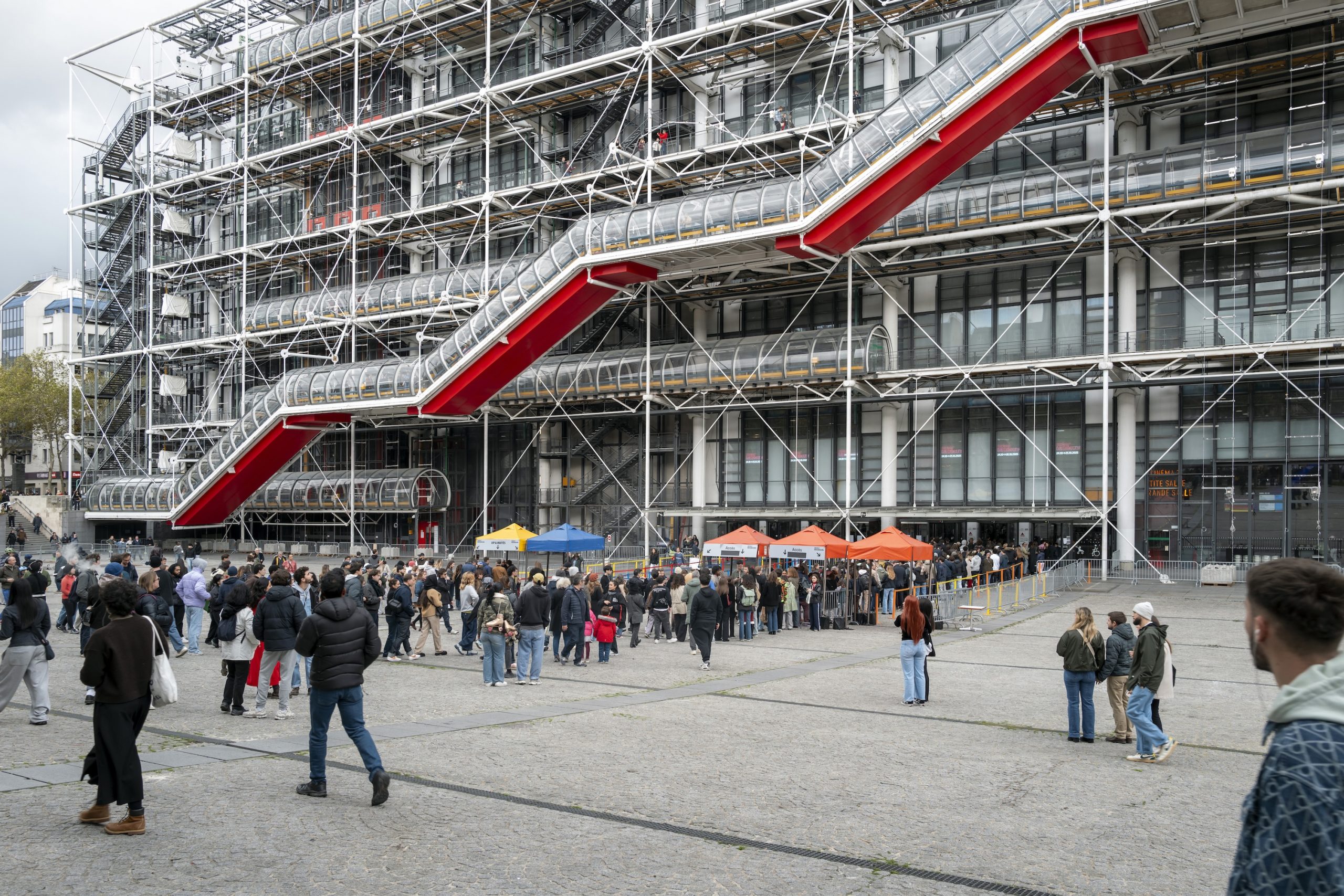
Chanel has announced a new five-year partnership with the Centre Pompidou in Paris, expanding its support for the museum during its landmark €460 million ($535 million) renovation. The fashion house, which has backed the Pompidou since 2019, will help preserve access to modern and contemporary art while the museum is closed to the public until its scheduled reopening in 2030. This follows a separate three-year deal in 2025 to grow the museum's collection of contemporary Chinese art by 30 percent, with a focus on women artists, and a 2024 acquisition of 21 works by 15 Chinese artists tied to an exhibition co-organized with Shanghai's West Bund Museum.

Dubai Plans a Massive New Museum for Digital Art

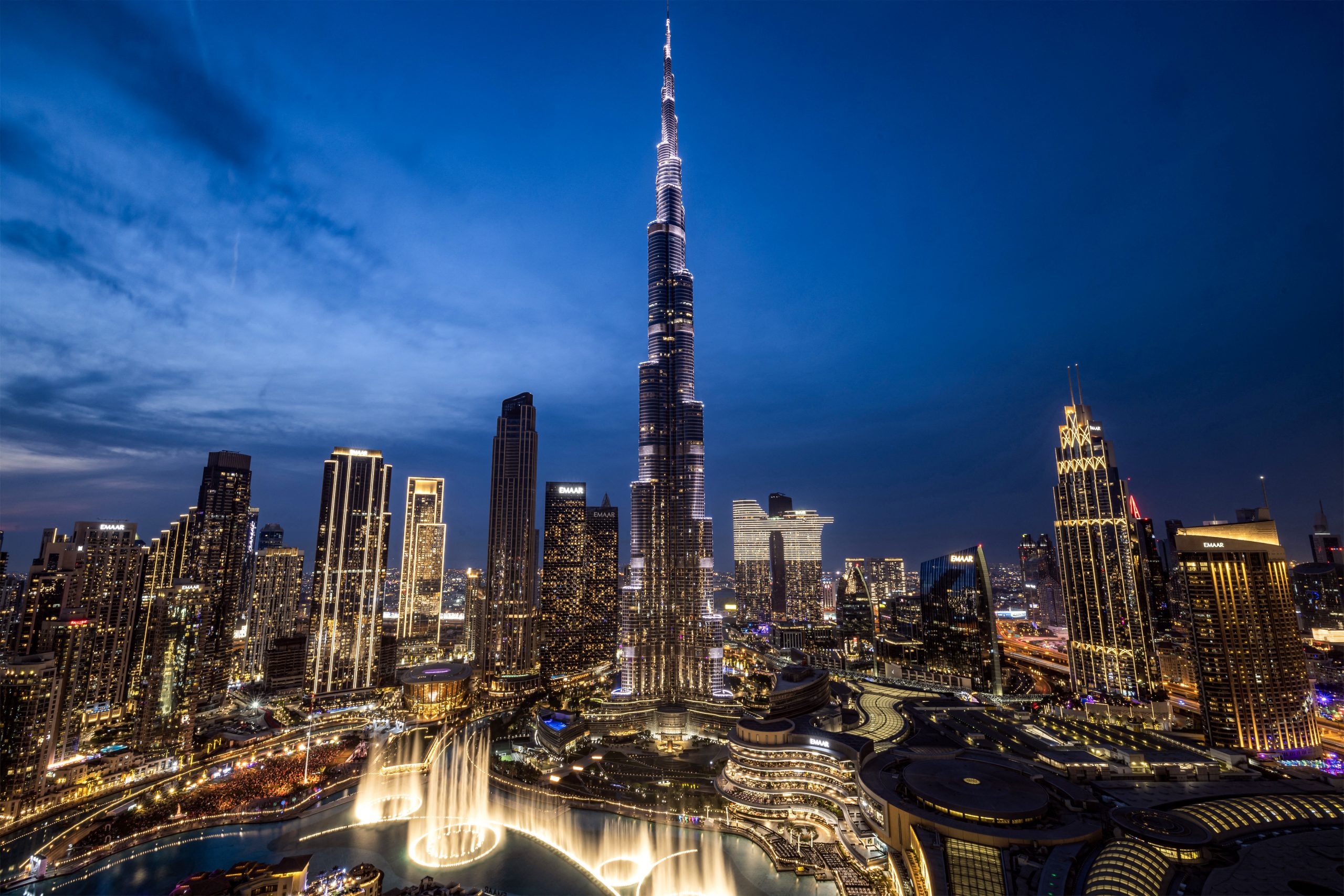
Dubai has announced plans for a new Museum of Digital Art (MODA), a major institution dedicated to digital and tech-driven art. The museum is part of a $27 billion transformation of Dubai's financial district into a technology hub, and will feature immersive and interactive experiences. No budget or completion date has been set, but Sheikha Latifa bint Mohammed bin Rashid Al Maktoum, chairperson of Dubai Culture, stated the museum advances the city's commitment to converging creativity and technology. The museum will be designed by Adrian Smith + Gordon Gill Architecture, the firm behind the Burj Khalifa.

The Short Circuit of Art in Venice. The Tensions at the Biennale Are Not Just Geopolitics

Il cortocircuito dell’arte a Venezia. Le tensioni alla Biennale non sono solo geopolitica

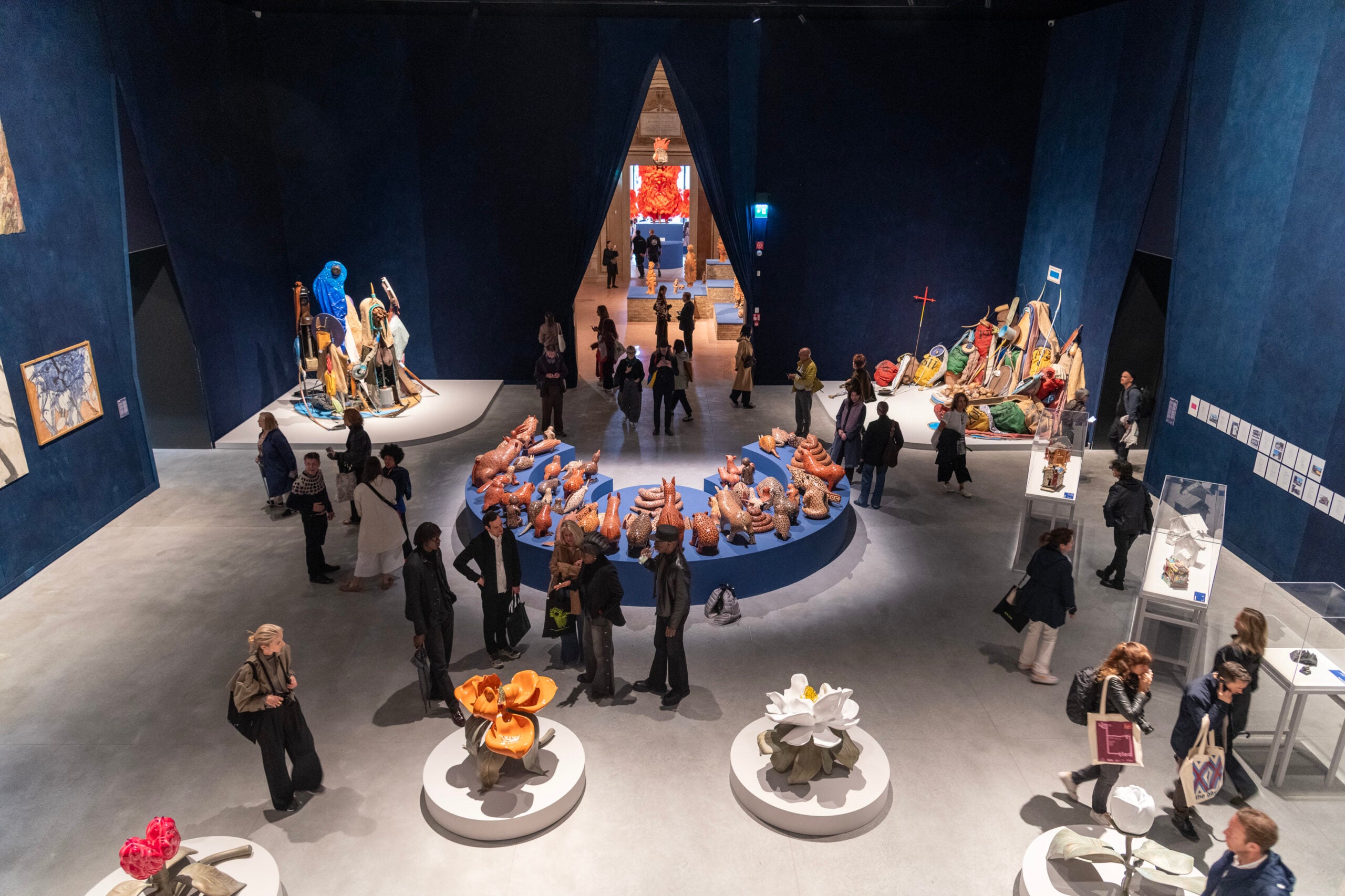
The article analyzes the recent tensions and controversies surrounding the 2026 Venice Biennale, which began with President Pietrangelo Buttafuoco's announcement in March that Russia, Iran, Israel, Ukraine, and Belarus would all be allowed to participate, framing it as a foreign policy gesture. This sparked immediate polarization, leading to two open letters from half the invited artists and curators demanding the exclusion of Russia, Israel, and the United States; the resignation of the jury a week before the opening over a decision to exclude countries under ICC indictment; and a historic strike by workers on May 8 that shut down many pavilions, merging protests against genocide with those against precarious labor conditions.

Russian art today is blood. A tough interview with Pussy Riot

“L’arte russa oggi è il sangue”. Una dura intervista alle Pussy Riot

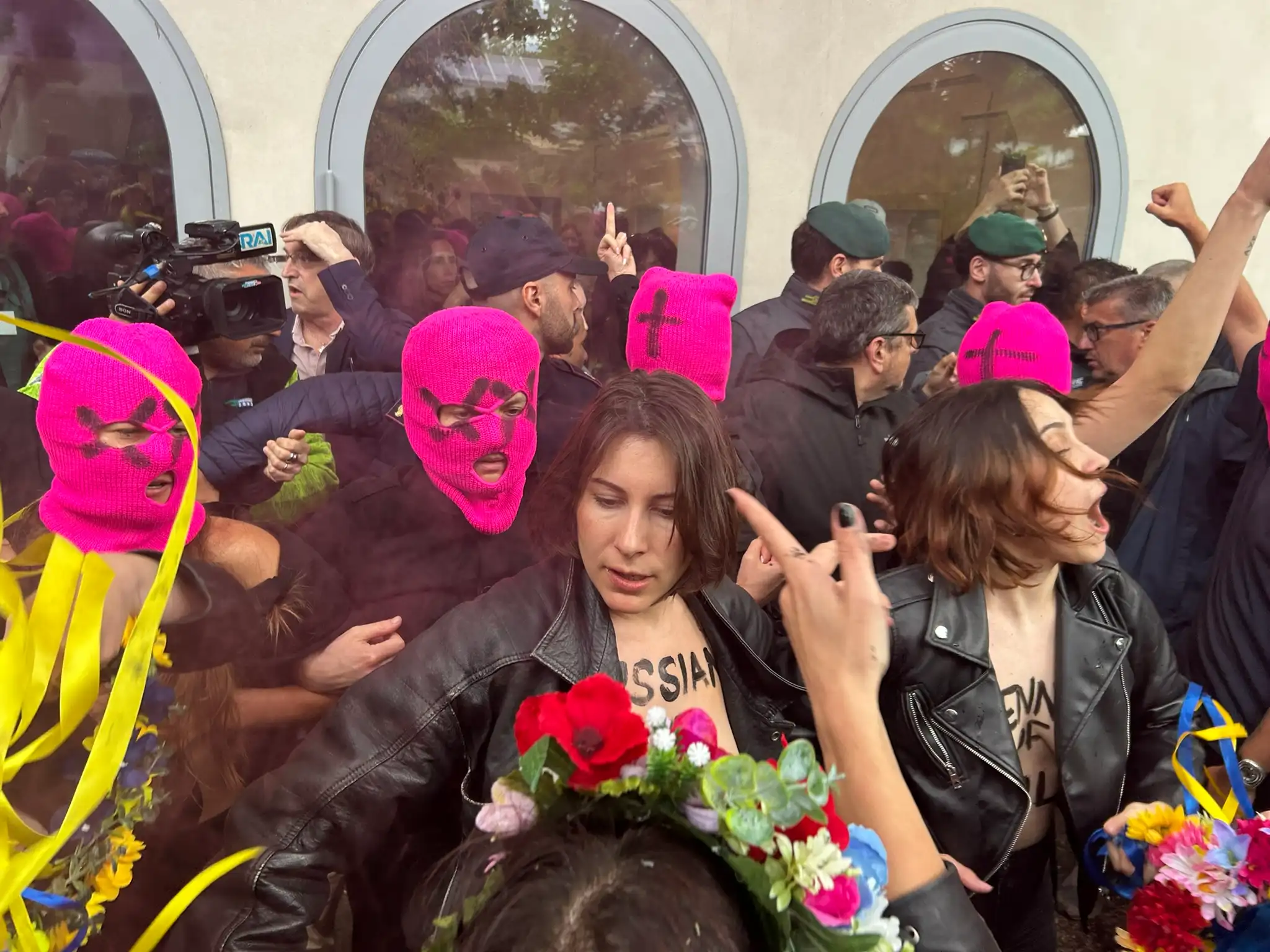
During the preview of the 2026 Venice Biennale, the Russian Pavilion became the site of a protest by Pussy Riot and FEMEN, who staged an action called "STORM OF VENICE." Wearing pink balaclavas and carrying radical slogans, they denounced Russia's presence at the Biennale, accusing the Kremlin and the European cultural system of complicity. The protest centered on the phrase "Blood is Russia's art." In an interview, Pussy Riot member Nadya Tolokonnikova argues that artists who represent the official Russian Pavilion become instruments of the aggressive imperial state, and that the Biennale confuses cultural dialogue with political normalization.

Ukrainian Museums and Cultural Sites Damaged in Massive Russian Attack

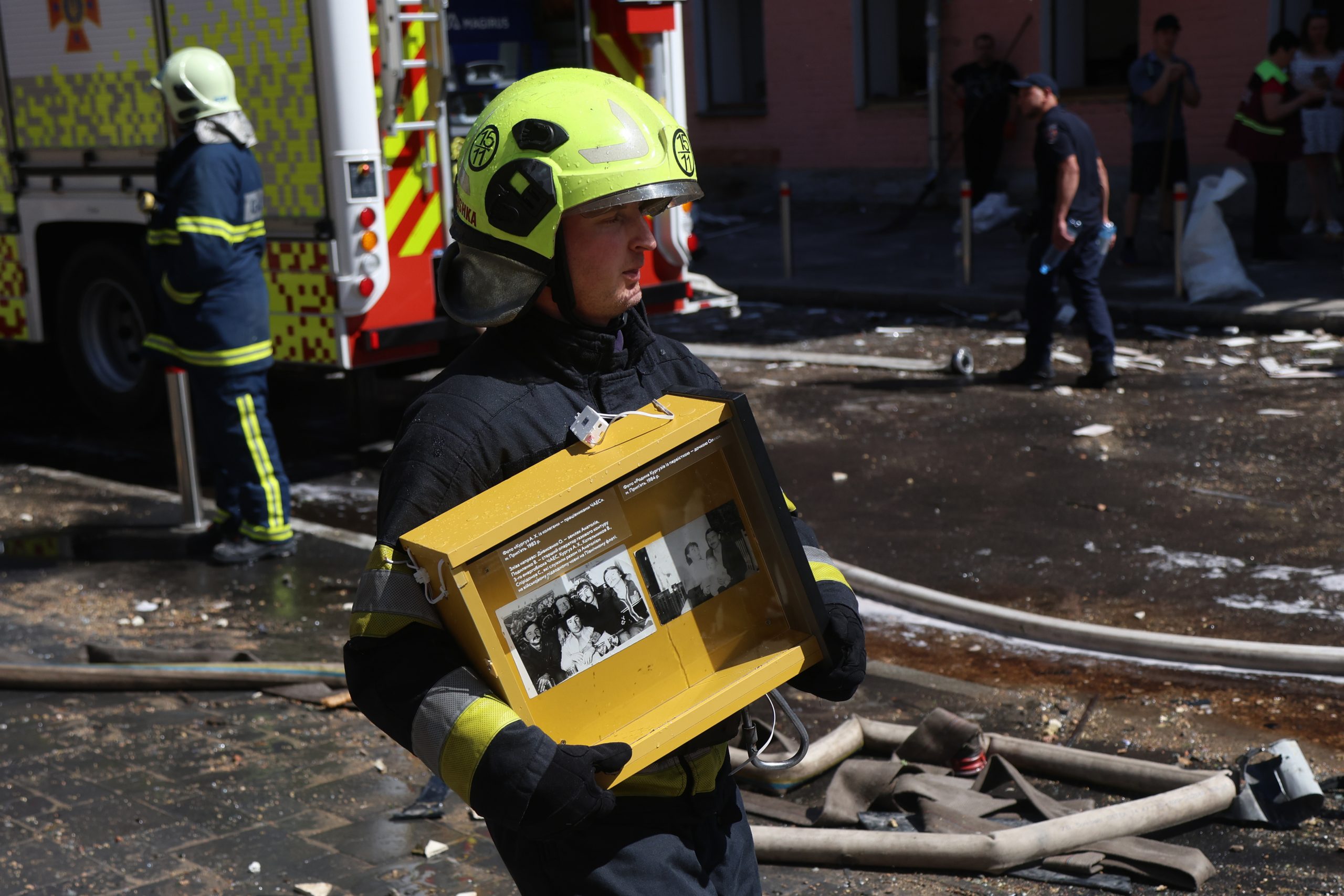
In the early hours of Sunday, May 24, 2026, Russia launched a massive attack on Kyiv and its surrounding region, firing 90 missiles and 600 drones. The strike killed four people and injured about 100, while damaging civilian infrastructure including supermarkets, universities, and cultural sites. Among the hardest-hit institutions were the National Art Museum of Ukraine (NAMU) and the Ukrainian National Chernobyl Museum, both recently renovated. The Ukrainian National Chernobyl Museum was "effectively destroyed," with its historic building and 1,350-piece collection sustaining significant damage, though crews rescued about 40 percent of the collection. NAMU's 130-year-old building also suffered critical blows, though its collection of over 40,000 artworks remained safe. Other damaged sites include the Zhytnii Market, Hinaus Gallery, Ukrainian House exhibition hall, Taras Shevchenko Institute of Literature, and two opera houses.

Architects Behind Frick Renovation Tapped for Louvre’s ‘New Renaissance’

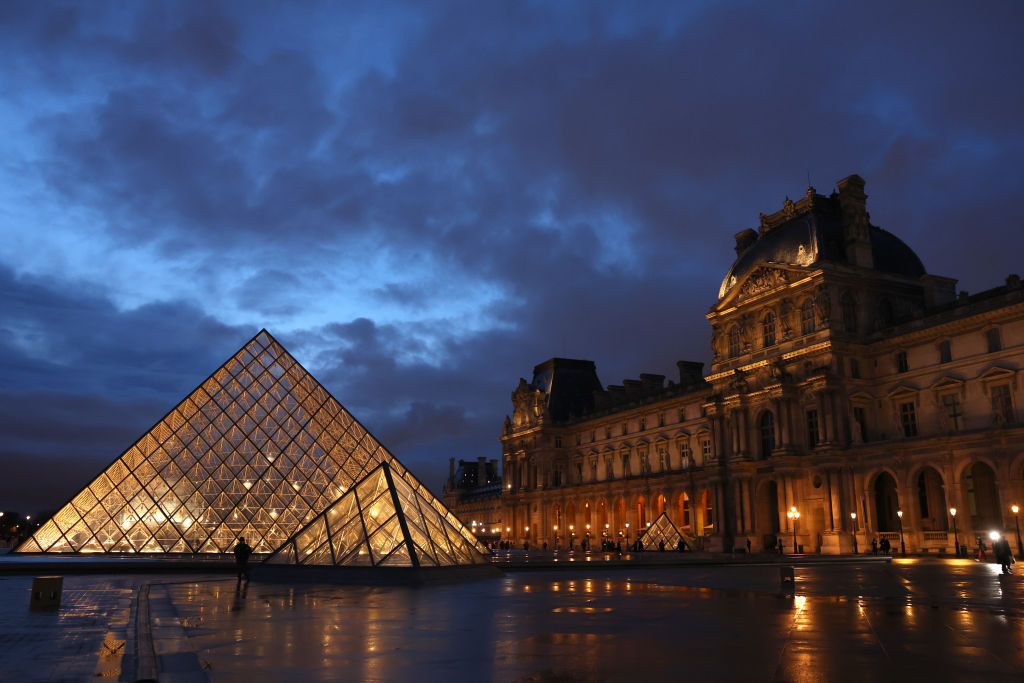
The French government has selected STUDIOS Architecture to lead a major renovation of the Louvre Museum in Paris, including new galleries and a second entrance. The project, called the 'New Louvre Renaissance,' was announced by President Emmanuel Macron in early 2025 but stalled after a jewel heist and staff strikes led to the resignation of former Louvre president Laurence des Cars, who was succeeded by Christophe Leribault. The $778 million plan aims to ease overcrowding at the museum, which hosts 9 million visitors annually, and includes a dedicated 33,000-square-foot gallery for the Mona Lisa.

Sarah Rowe Will Light Up Native Neon Residency in Kingston, NY

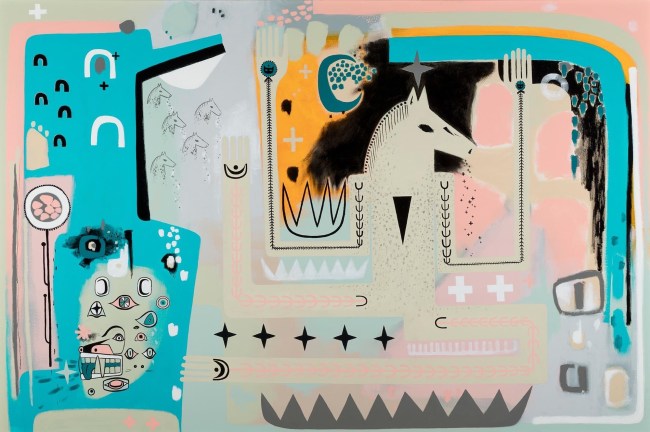
A new residency program for Indigenous artists working with neon for the first time has been launched through a collaboration between the Walker Youngbird Foundation and Lite Brite Neon Studio in Kingston, New York. Sarah Rowe, a painter and installation artist from Omaha, Nebraska, was selected as the first recipient from over one hundred applicants. She plans to create a work inspired by the heyoka, a trickster figure from Lakota tradition, and will receive a $10,000 stipend plus fully funded fabrication, materials, studio time, and technical instruction valued at around $50,000. The resulting artwork will be publicly presented, and Rowe will retain full intellectual property rights and ownership.

Cannes 2026 Dispatch, Part 1: Breaking False Unities

On May 8, during the pre-opening of the Venice Biennale, the independent collective ANGA (Art Not Genocide Alliance) organized a strike protesting genocide and precarity in the art world. Pro-Palestinian activists entered the Arsenale, where part of the exhibition "In Minor Keys" curated by the late Koyo Kouoh was installed, and hung posters on artworks calling for the liberation of Palestine and denouncing what they described as the Biennale's "art-washing" of Israel's reputation. The disruption blurred the line between activist intervention and the exhibition itself, as many works already addressed Palestine directly, including a poem by Refaat Alareer placed at the entrance.