
filter_list Showing 3 results for "Gabrielle" close Clear
search
dashboard All 8 museum exhibitions 3article news 3trending_up market 1candle obituary 1
date_range Range Today This Week This Month All
Subscribe

A Time of Transition

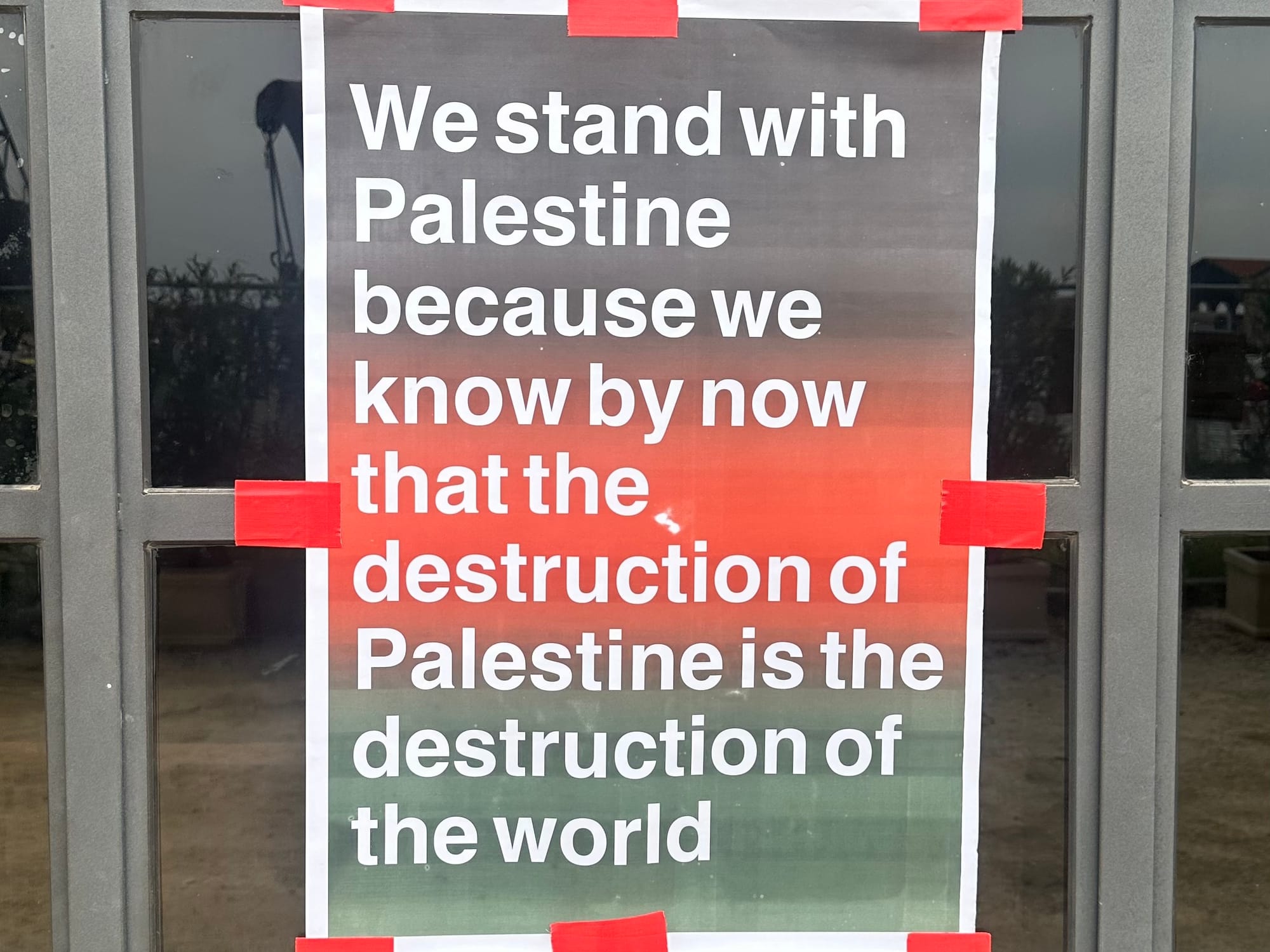
During the preview week of the 61st Venice Biennale, escalating protests targeted the national pavilions of Israel and Russia, with demonstrations by Pussy Riot, ANGA (Art Not Genocide Alliance), and Baltic pavilions. A major protest on May 8 drew over 3,000 people in solidarity with Palestine, and 27 national pavilions—including Austria, the Netherlands, France, and Japan—staged a strike, the first at the Biennale since 1968. The Golden Lion jury resigned after declaring they would not consider countries under ICC investigation (Israel and Russia), and the Biennale administration replaced the prize with a visitors' award, from which half the artists in the main exhibition have withdrawn.
Dozens of Pavilions Close During Strike at 61st Venice Biennale

On May 8, 2026, a 24-hour strike organized by the Art Not Genocide Alliance (ANGA) and several Italian activist groups brought the 61st Venice Biennale to a standstill. Approximately 27 of the 100 national pavilions closed fully or partially in solidarity with protesters demanding Israel’s exclusion from the event, including those of Austria, Belgium, France, Great Britain, Japan, South Korea, and Ukraine. Over 3,500 people marched through Venice, with speakers including artist Gabrielle Goliath and curator Caroline Dumalin. The main exhibition, "In Minor Keys," curated by the late Koyo Kouoh, closed by late afternoon, and riot police were stationed outside the Arsenale. The Israeli pavilion, already shuttered during previews, remained closed.

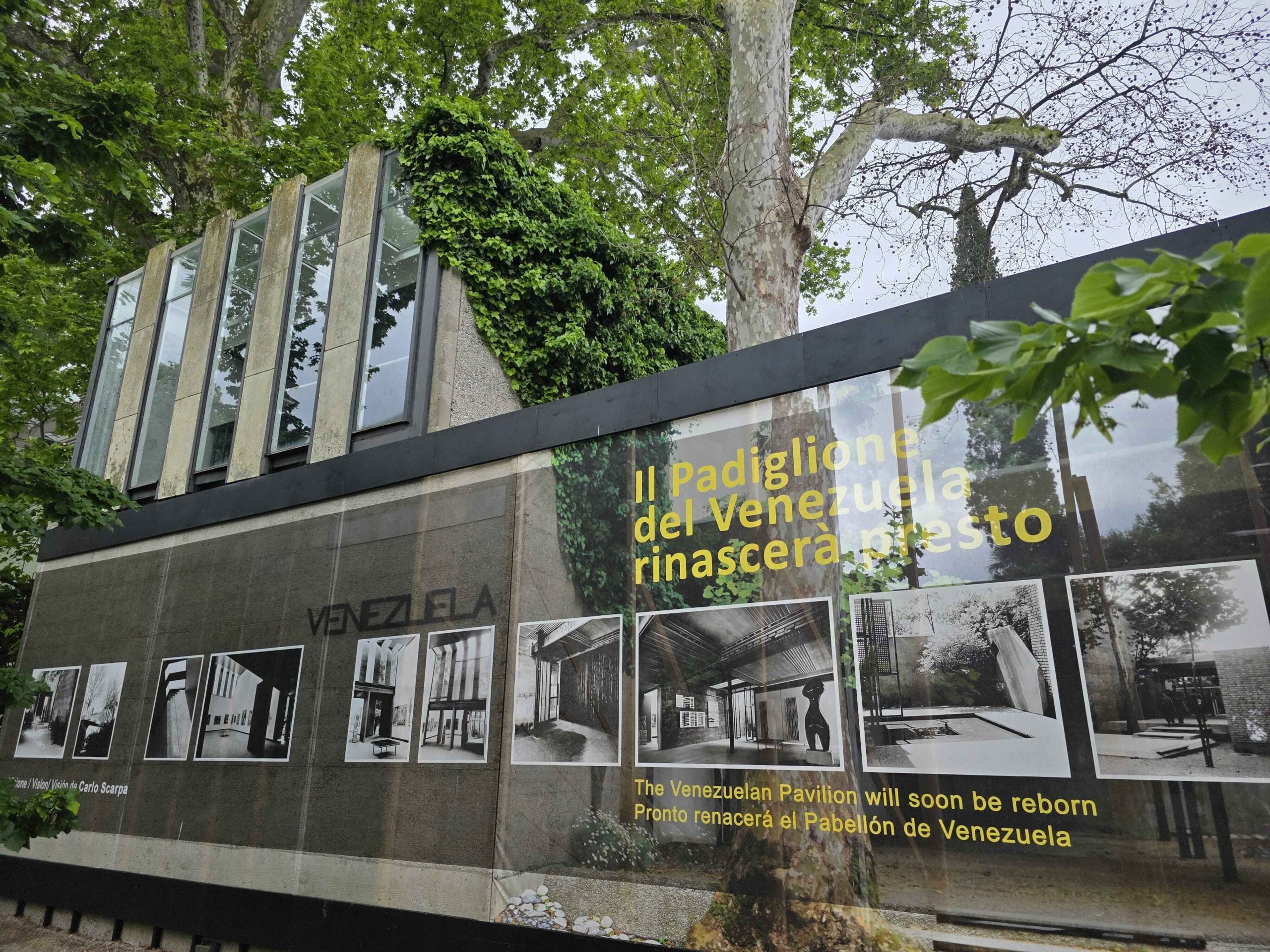
There is an absent pavilion at the 2026 Venice Art Biennale that no one has talked about: Venezuela

C’è un padiglione assente alla Biennale d’Arte di Venezia 2026 di cui nessuno ha parlato: il Venezuela

The Venezuelan pavilion at the 2026 Venice Art Biennale remains closed, an absence that has gone largely unnoticed amid other controversies surrounding the Russian, Israeli, South African, and Iranian pavilions. Designed by architect Carlo Scarpa and built between 1953 and 1956, the pavilion now displays a trilingual sign stating it will "rise again soon," reflecting the country's collapse after the kidnapping and imprisonment of President Nicolás Maduro by the United States and the installation of a fragile pro-American interim government.