
filter_list Showing 3 results for "Reconstruction" close Clear
dashboard All 17 museum exhibitions 9article news 3article local 2article culture 1rate_review review 1article policy 1
date_range Range Today This Week This Month All
Subscribe

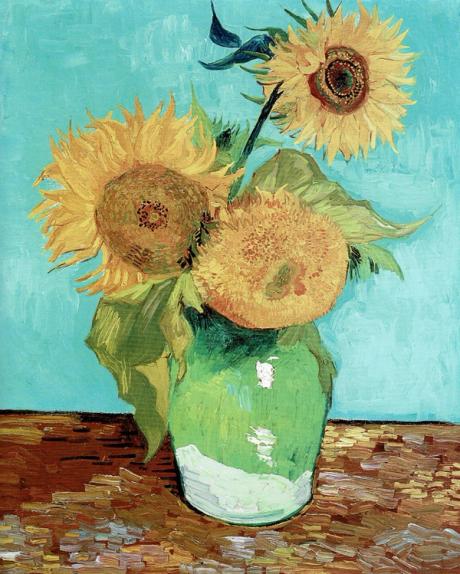
Revealed: the amazing frame once created for Van Gogh’s Sunflowers

A long-lost, custom-designed Art Deco frame for Vincent van Gogh's painting "Three Sunflowers" has been identified through archival research. The frame, which featured a dark lacquer finish, randomly placed gold circles, and angled outer edges, was commissioned by the Parisian couturier and collector Jacques Doucet shortly after he acquired the painting in 1912. Its existence was pieced together from a 1930s interior photograph, a 1967 family snapshot, and a frame sold at Sotheby's in 1989, allowing for a digital reconstruction of the complete artwork.
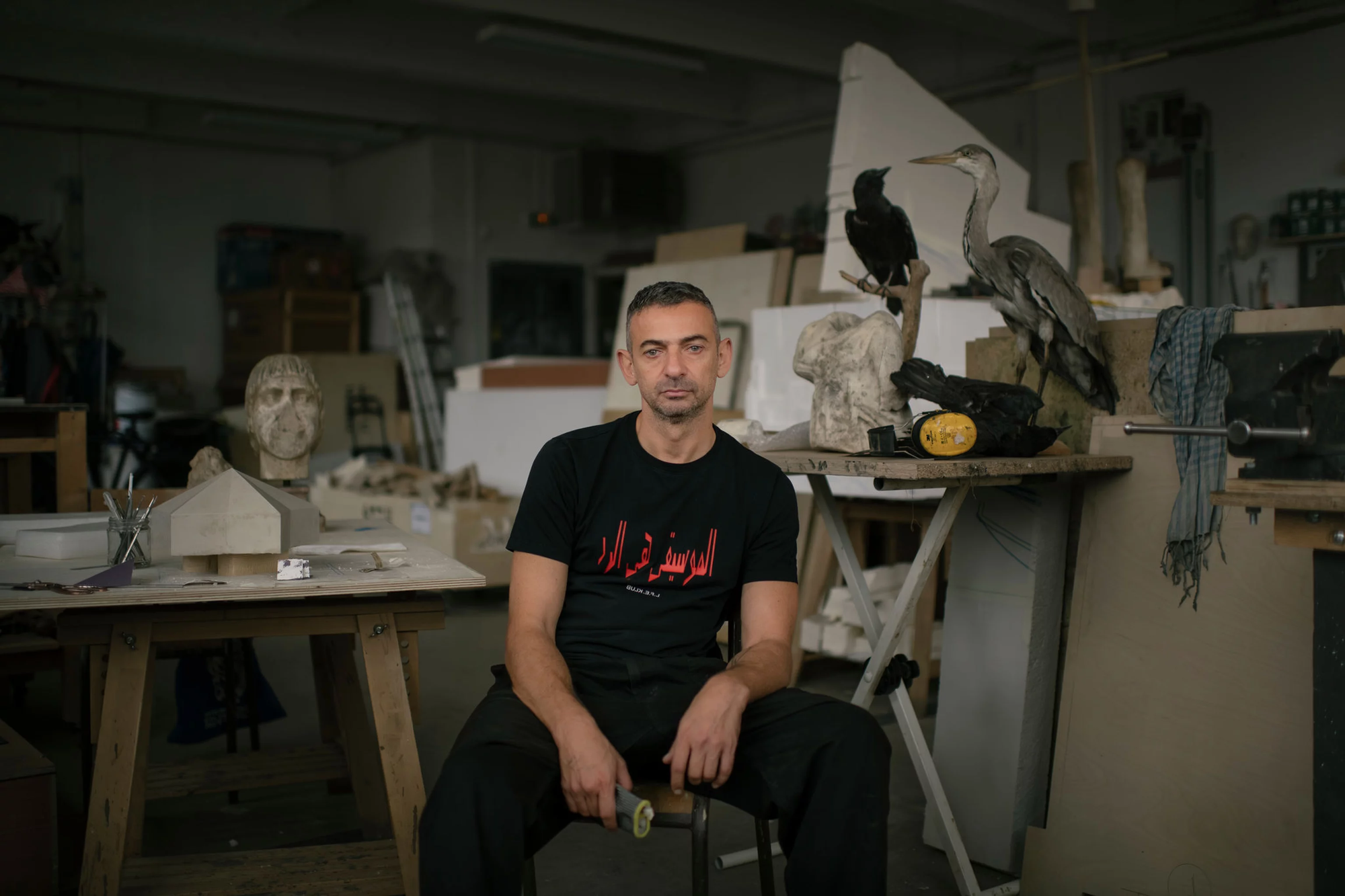
Ali Cherri Files War Crime Case Over Israeli Airstrike on Beirut

French-Lebanese artist Ali Cherri, in collaboration with the International Federation for Human Rights, has filed a civil complaint in a French court's specialized war crimes unit following a 2024 Israeli airstrike in Beirut. The attack, which occurred just hours before a ceasefire, destroyed Cherri’s family home and killed seven civilians, including his parents and their domestic helper. The complaint utilizes digital reconstructions from Forensic Architecture and reports from Amnesty International to argue that the targeting of a residential building without warning constitutes a war crime under international law.

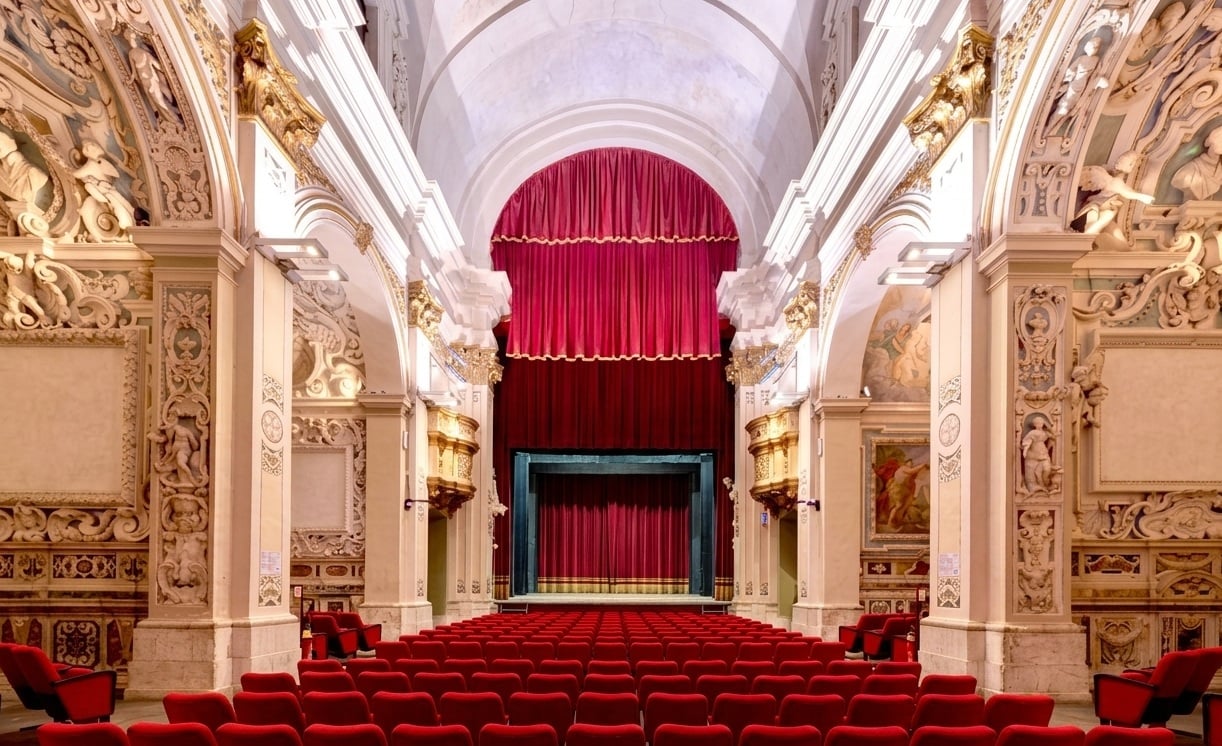
Restoration of L’Aquila’s Teatro San Filippo, Damaged by Earthquake, Concludes After 17-Year Closure

Si conclude all’Aquila il recupero del Teatro San Filippo danneggiato dal terremoto. Era chiuso da 17 anni

The Teatro San Filippo in L’Aquila has officially completed a comprehensive restoration process after being shuttered for 17 years due to the devastating 2009 earthquake. The reopening ceremony, attended by Italian Minister of Culture Alessandro Giuli, marks the return of a historic site that originated as a 17th-century Baroque church before being converted into a theater and artistic hub in the 1970s. The project was funded through a combination of state resources and private donations, including significant contributions from the "Artisti Uniti per l’Abruzzo" initiative.