filter_list Showing 5 results for "Reconstruction" close Clear
search
dashboard All 94 museum exhibitions 54article news 16article local 10article culture 5article policy 4rate_review review 3article museum 1person people 1
date_range Range Today This Week This Month All
Subscribe

How the New Deal Treated Art as Essential to Democracy

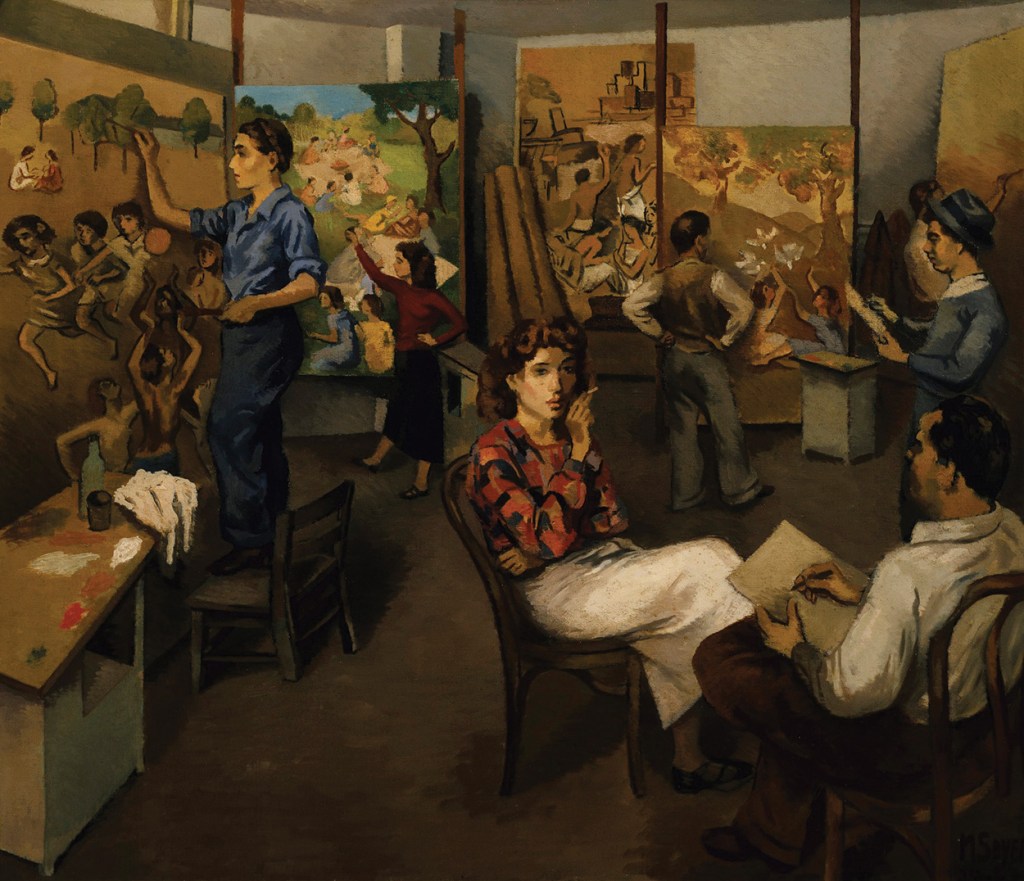
The United States government transformed the role of the artist during the Great Depression by treating art as a vital public resource rather than a private luxury. Between 1933 and 1943, New Deal programs like the Public Works of Art Project (PWAP) commissioned hundreds of thousands of works for schools, libraries, and hospitals, providing 'plumbers' wages' to struggling creators. This federal patronage supported a generation of then-unknown figures, including Jackson Pollock, Mark Rothko, and Alice Neel, while focusing on the 'American scene' to make culture accessible to the general public.

Same is More: Parisian Architecture à l’identique by Octave Perrault

Paris is undergoing a wave of architectural preservation and renovation that prioritizes the "à l’identique" (identical) approach, most notably seen in the reconstruction of Notre-Dame Cathedral following its 2019 fire. This trend extends to other major cultural landmarks, including the renovation of the Bourse de Commerce by Tadao Ando and the upcoming multi-year closure of the Centre Pompidou for technical upgrades. The author uses the critical lens of 19th-century writer Joris-Karl Huysmans to question whether this obsession with restoring buildings to a previous state stifles contemporary architectural evolution.

WUF13: Director of National Art Museum explains how art shapes cities and urban change [INTERVIEW]

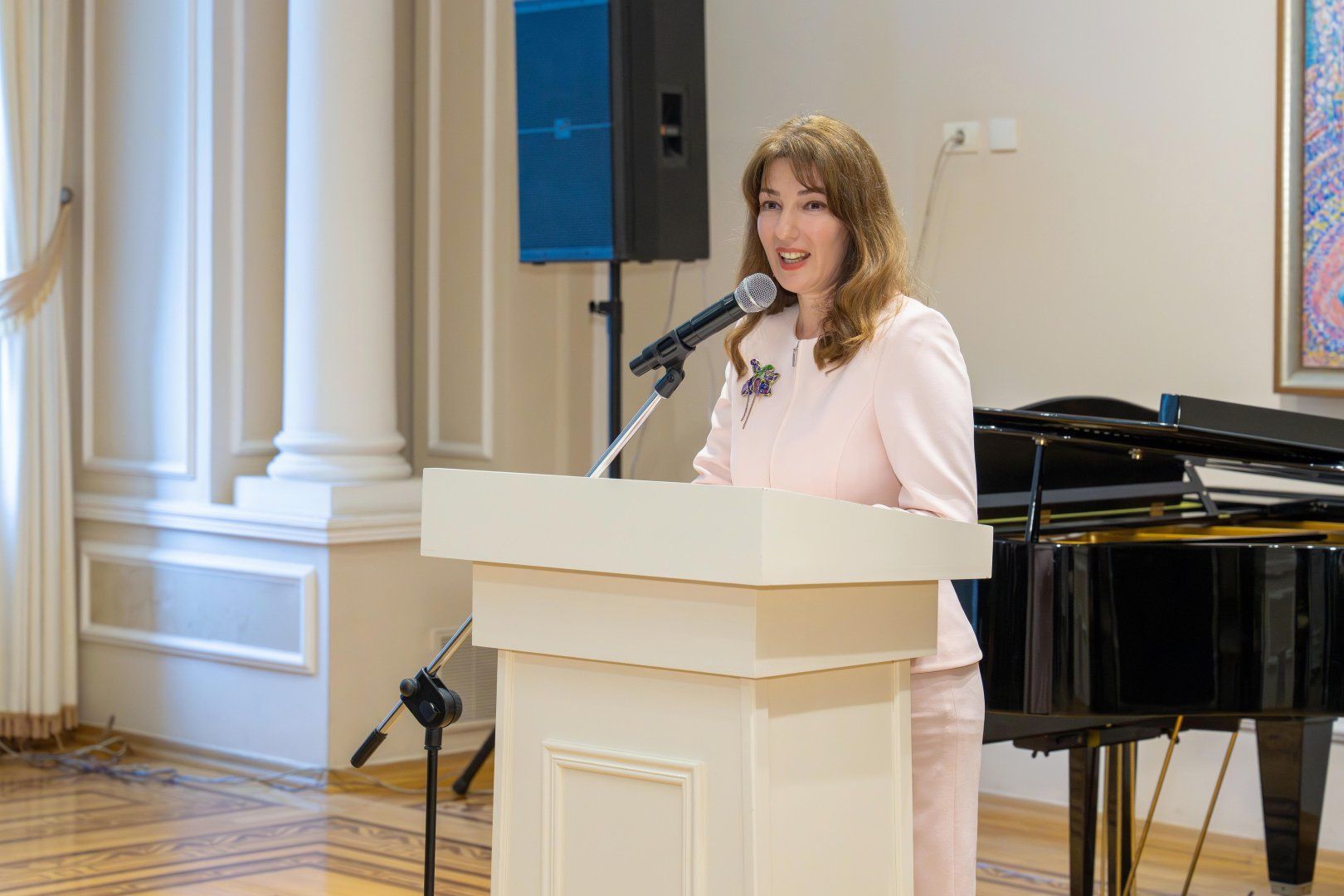
At the 13th session of the World Urban Forum (WUF13) in Baku, Shirin Malikova, director of the Azerbaijan National Art Museum, gave an interview discussing how art reflects and shapes urban development. She cited historical examples such as Bernardo Bellotto's 18th-century vedute paintings, which were used to reconstruct Warsaw's historic center after WWII, and the Eiffel Tower, originally a temporary installation that became a permanent symbol of Paris. The museum also presented an exhibition at the forum focusing on Baku's transformation across different eras, highlighting how art captures the multilayered history and cultural identity of cities.

parthenon dark lighting effects

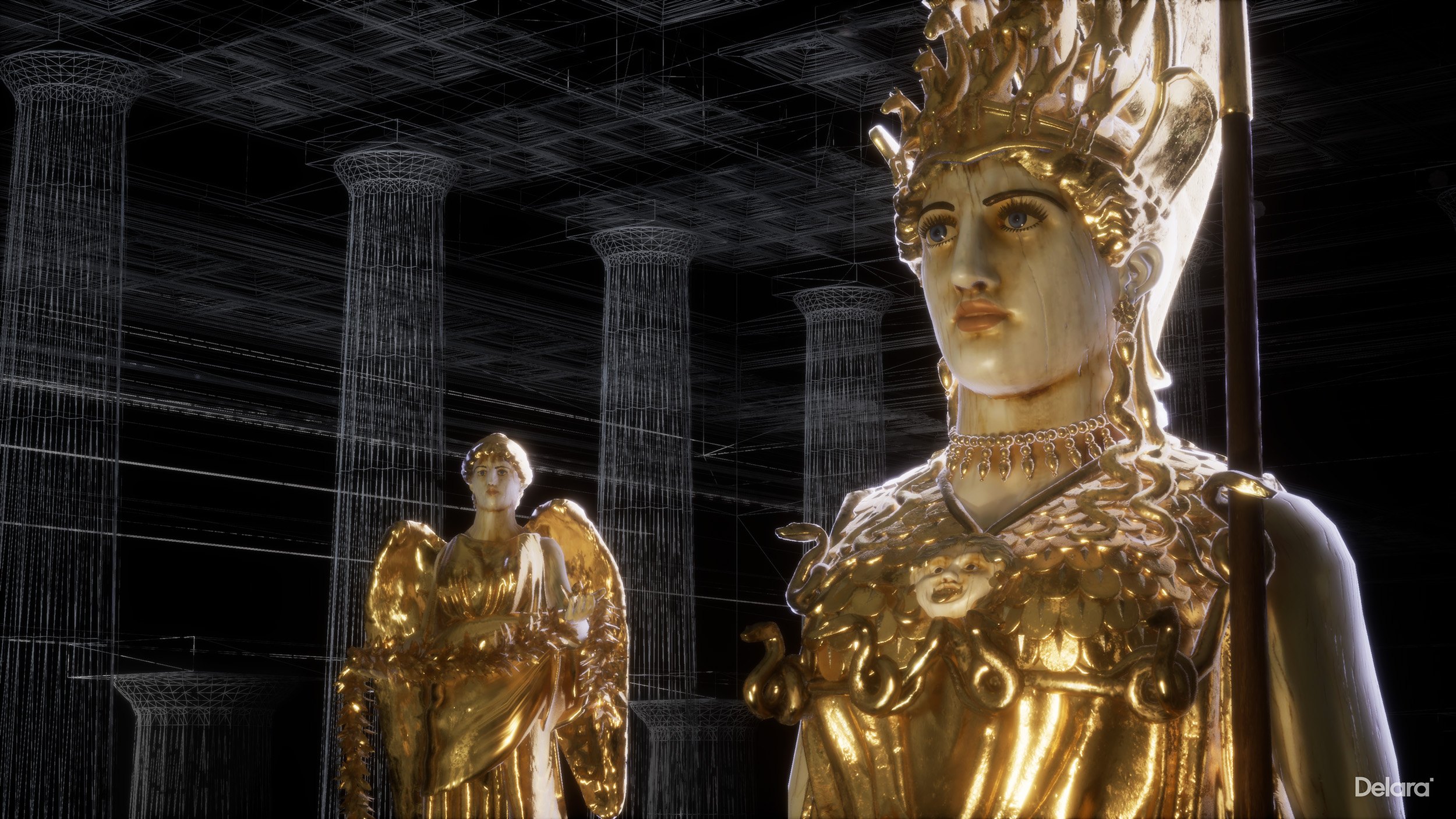
Archaeologist Juan de Lara of Oxford University has published a paper challenging the long-held belief that the Parthenon in Athens was a brightly lit, open space. Using a 3D model that simulates natural and artificial light, Lara argues the temple was actually dark and dim, with sunlight barely reaching the statue of Athena's waist and a wooden ceiling blocking any translucency from marble roof tiles. He also suggests that hand-held torches, rather than numerous lamps, were used for artificial light, and that the reflective pool in front of Athena's statue did little to illuminate the space.

When the Night Bleeds into the Day

Wenn die Nacht auf den Tag abfärbt

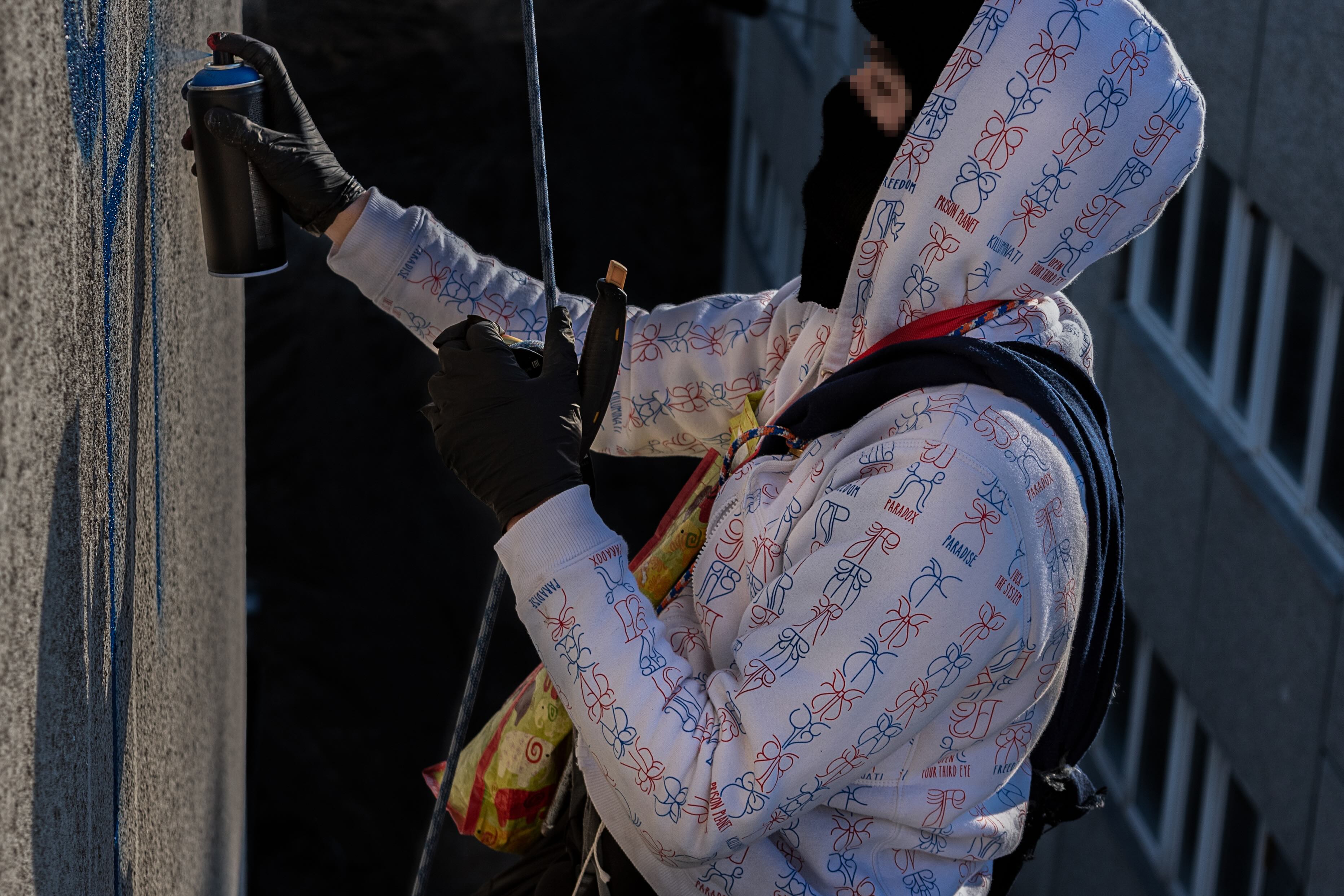
Berlin-based graffiti artist Paradox Paradise, known for his distinctive red-and-blue "Paraglyphs" painted on high facades, discusses his evolution from classic graffiti to a radically reduced visual language. In an interview with Monopol, he explains how he stripped away decorative elements to focus on precise, vertical outlines and messages like "Mieten runter Wände bunter" (lower rents, more colorful walls). He describes his nocturnal actions as states of heightened presence requiring weeks of planning, where every movement has immediate consequences.