filter_list Showing 10 results for "Turbulent" close Clear
search
dashboard All 76 museum exhibitions 27trending_up market 17article news 10rate_review review 6article culture 6person people 5article policy 2article local 2candle obituary 1
date_range Range Today This Week This Month All
Subscribe

kenny schachter art basel report

Kenny Schachter recounts his fraught journey from Newark to London for his curated Paul Thek exhibition at Thomas Dane Gallery and the 56th edition of Art Basel in Switzerland, describing a near-crash landing and widespread anxiety among U.S. attendees about returning home amid FAA cutbacks and immigration fears. He highlights Mary Lovelace O’Neal’s presence at Jenkins Johnson as his Basel highlight, dismisses panic over a single unsold Giacometti as overblown, and critiques art journalists for lacking real market experience, while sharing conversations with collectors Mera Rubell and Dakis Joannou.

Van Gogh was not fantasising when he painted mountain landscapes with ‘The Two Holes’

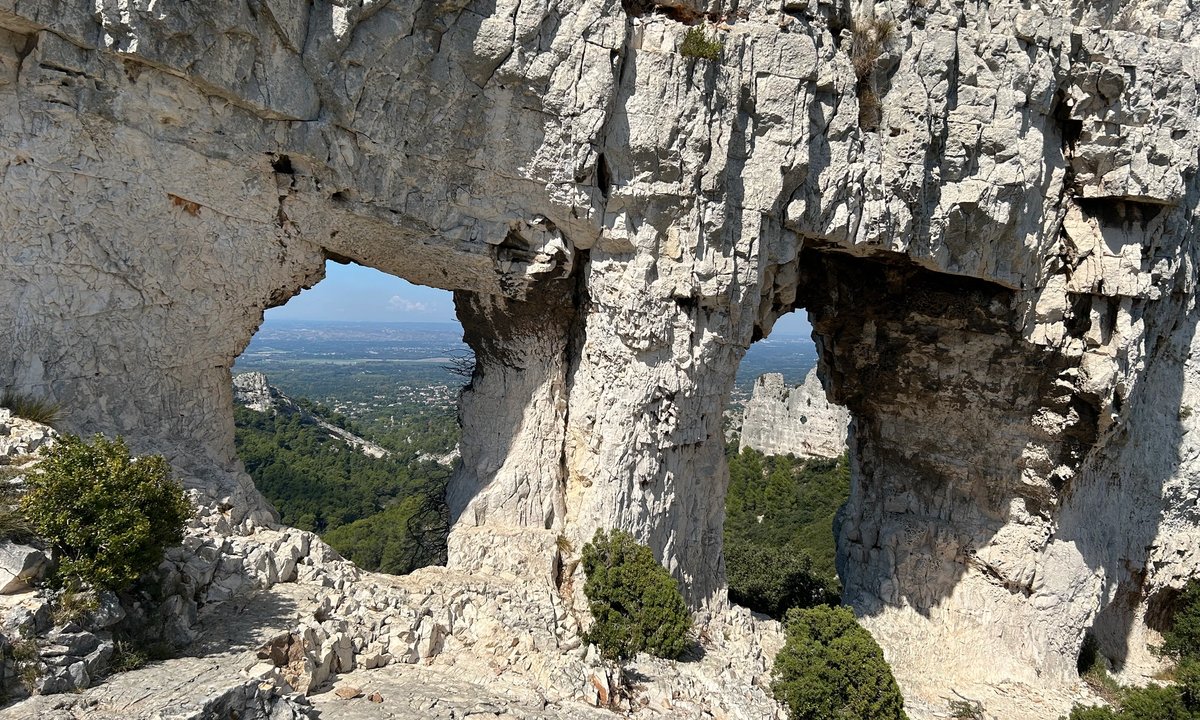
Martin Bailey, a leading Van Gogh specialist, reveals that the distinctive rock formation known as Le Rocher des Deux Trous (The Rock of the Two Holes), which appears in two of Vincent van Gogh's paintings—The Olive Trees (June 1889) and Mountains at Saint-Rémy (July 1889)—is a real geological feature near the asylum in Saint-Rémy-de-Provence, not a figment of the artist's imagination. The two paintings, held by the Museum of Modern Art and the Solomon R. Guggenheim Museum in New York, were recently displayed together at London's National Gallery exhibition Van Gogh: Poets & Lovers (14 September 2024–19 January 2025), offering a rare chance to compare them. Bailey traces the history of the formation, noting that an anonymous 17th-century artist also depicted it, and describes a walking route from the former asylum to the site.

From hard borders to soft power: how did the art world fare in 2025?

The article surveys the art world's turbulent 2025, beginning with devastating Los Angeles wildfires that destroyed artworks and the political shockwaves of Donald Trump's re-election. Trump's administration targeted the National Portrait Gallery, whose director Kim Sajet resigned after threats of firing, while immigration crackdowns, tariffs on art imports, and attacks on diversity initiatives chilled the art community. The year also saw Venice residents protest Jeff Bezos's lavish wedding, Trump's gilded Oval Office renovations, and a major Veronese exhibition at the Prado that drew parallels between historical extravagance and decline.

dustin yellin pioneer works birthday party

Pioneer Works founder Dustin Yellin celebrated his 50th birthday with a fundraiser called Village Fête, raising $1.4 million for the nonprofit arts and sciences center he founded 13 years ago. The event featured a cocktail hour, seated dinner, performances by Annie & the Caldwells and David Byrne, and an afterparty co-hosted by CULTURED, with attendees including Claire Danes, Moses Sumney, Maggie Rogers, and Darren Aronofsky. Speakers included lead sponsor Gabriela Hearst, artist Nate Lewis, artist Azikiwe Mohammed, and founding team members Gabriel Florenz and Janna Levin, who highlighted the institution's impact on over 450 artists.

louvre closed as workers begin strike france

The Louvre Museum in Paris was forced to close on Monday after approximately 400 employees went on strike to protest deteriorating working conditions. The strike, organized by unions CGT, CFDT, and Sud, blocked the museum's iconic pyramid entrance. Workers cited a brazen $102 million theft of French crown jewels in October 2025 as evidence of deep operational dysfunction, and they accused management of failing to address longstanding security and staffing issues. The closure follows a turbulent year that included a leaked memo from director Laurence des Cars warning of water leaks and overcrowding, a wildcat strike in June, and the closure of the Sully wing due to structural weaknesses.

louvre robbery history behind stolen crown jewels

Eight pieces of the French Crown Jewels were stolen from the Louvre Museum on October 19, including a pearl-and-diamond tiara and a bow-shaped brooch that once belonged to Empress Eugénie, as well as a sapphire parure and diadem owned by Queen Maria Amalia. The theft has drawn attention to the jewels' complex history: most of the Crown Jewels were auctioned off in 1887 by the French government to eliminate monarchical symbols, and the stolen pieces were among the few remaining in the Louvre's collection, some repurchased at great expense in the 1990s and 2000s with help from the Société des Amis du Louvre.

A new hope: Lucas Museum of Narrative Art sets September 2026 opening date

The Lucas Museum of Narrative Art in Los Angeles has announced its opening date of September 22, 2026, more than a decade after the project was first conceived by filmmaker George Lucas and his wife Mellody Hobson. The museum, which moved from San Francisco to Chicago before settling in Los Angeles's Exposition Park, has grown from a $700 million budget to a reported $1 billion and will house over 40,000 works across 100,000 square feet of exhibition space. The collection spans ancient artifacts, canonical artists like Frida Kahlo and John Singer Sargent, comic book legends such as Jack Kirby and Alison Bechdel, photography by Gordon Parks and Dorothea Lange, and the Lucas Archives of film memorabilia.

Cultural workers at Venice Biennale to strike over Israel’s participation

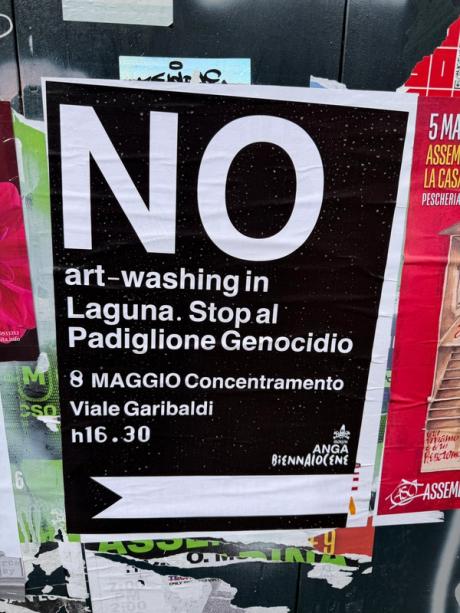
Cultural workers and participants at the Venice Biennale plan to strike on 8 May during the opening week of the 61st edition, protesting Israel’s participation in the event. The strike, organized by the Art Not Genocide Alliance (ANGA) and supported by Italian trade unions, includes a rally near the Arsenale site. ANGA previously sent a letter signed by over 230 artists and curators demanding the cancellation of the Israeli pavilion, citing opposition to "genocide normalisation in culture" and precarious labor conditions. Israel is represented this year by sculptor Belu-Simion Fainaru, who opposes cultural boycotts.

Archaeologists Uncover a 2,000-Year-Old Hillfort in Estonia

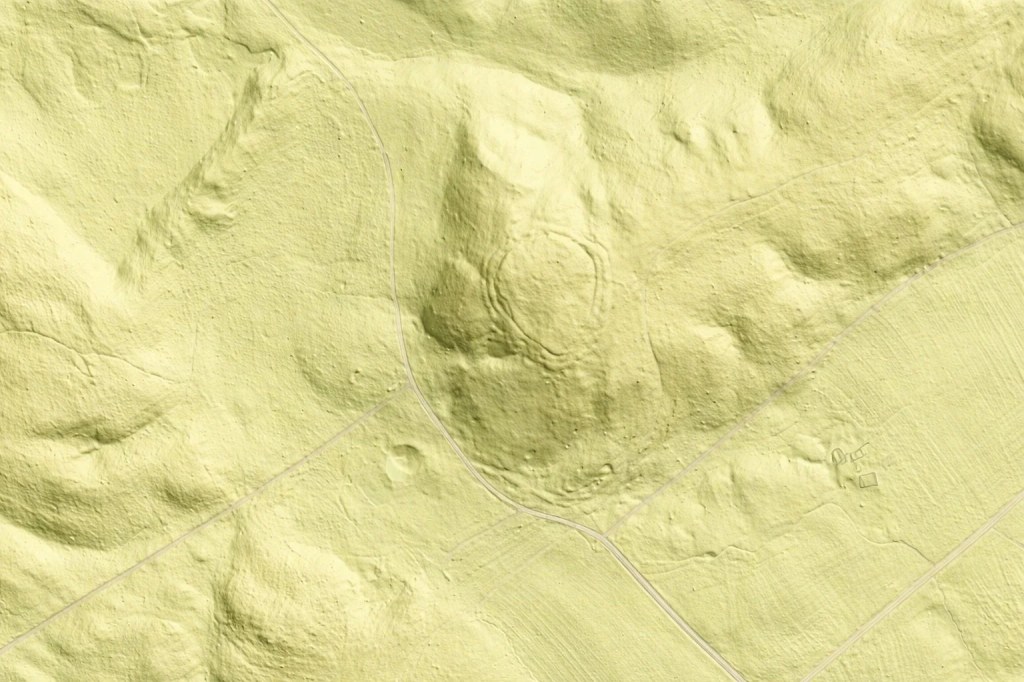
Archaeologists from the University of Tartu have discovered a 2,000-year-old Iron Age hillfort at Köstrimägi in Tartu County, Estonia. Using high-resolution terrain mapping, the team identified a 16,000-square-foot fortification featuring an unusual stepped rampart system that dates back to between 41 BCE and 9 CE. Despite its size, the site yielded few artifacts beyond pottery fragments and charcoal, suggesting a very brief period of occupation before it was destroyed by fire.

hikers in the czech republic giant gold hoard

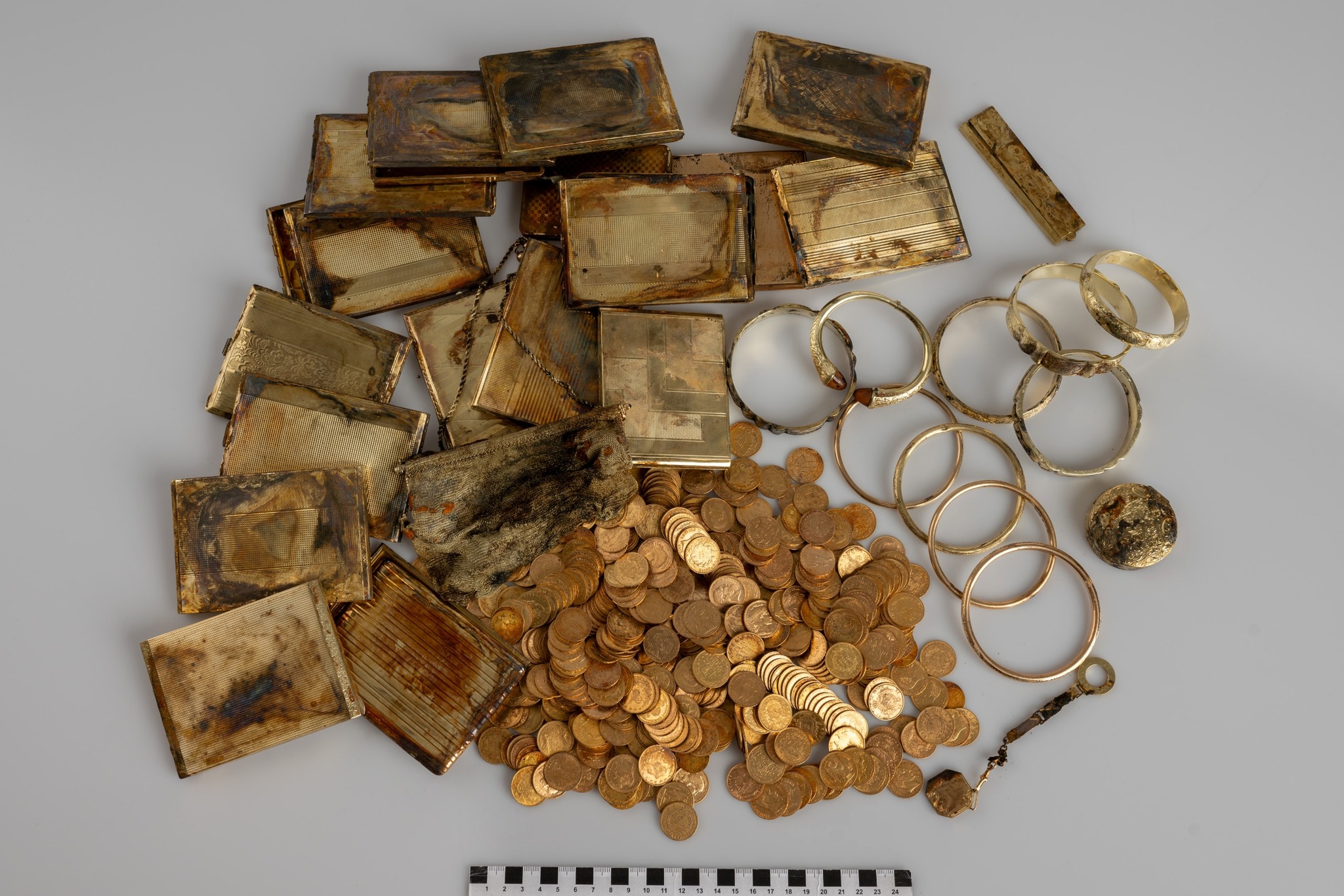
A pair of hikers in the Czech Republic discovered a 20th-century gold hoard worth over $340,000 in the foothills of the Krkonoše mountains. The find, consisting of 600 gold coins from multiple countries and a second box of gold items, was turned over to the Museum of Eastern Bohemia in Hradec Králové, where archaeologists are investigating its origins.