filter_list Showing 24 results for "Used" close Clear
dashboard All 119 museum exhibitions 54article news 24article local 23person people 5article culture 5trending_up market 4rate_review review 1candle obituary 1article policy 1gavel restitution 1
date_range Range Today This Week This Month All
Subscribe

May You Live in Less Interesting Times

The international jury for the Venice Biennale has collectively resigned just before the press preview, following their announcement that countries accused of crimes against humanity—specifically Israel and Russia—would be excluded from award consideration. The jurors did not provide an explicit reason for their resignation. Meanwhile, Russia's return to the 61st Venice Biennale will involve workarounds to comply with international sanctions, including restricted pavilion access. The article also highlights a widely-read essay by Hakan Topal on the financialization and 'administrification' of American art schools and academia.

No Need to Shed a Tear for the Jury

"Man muss der Jury keine Träne nachweinen"

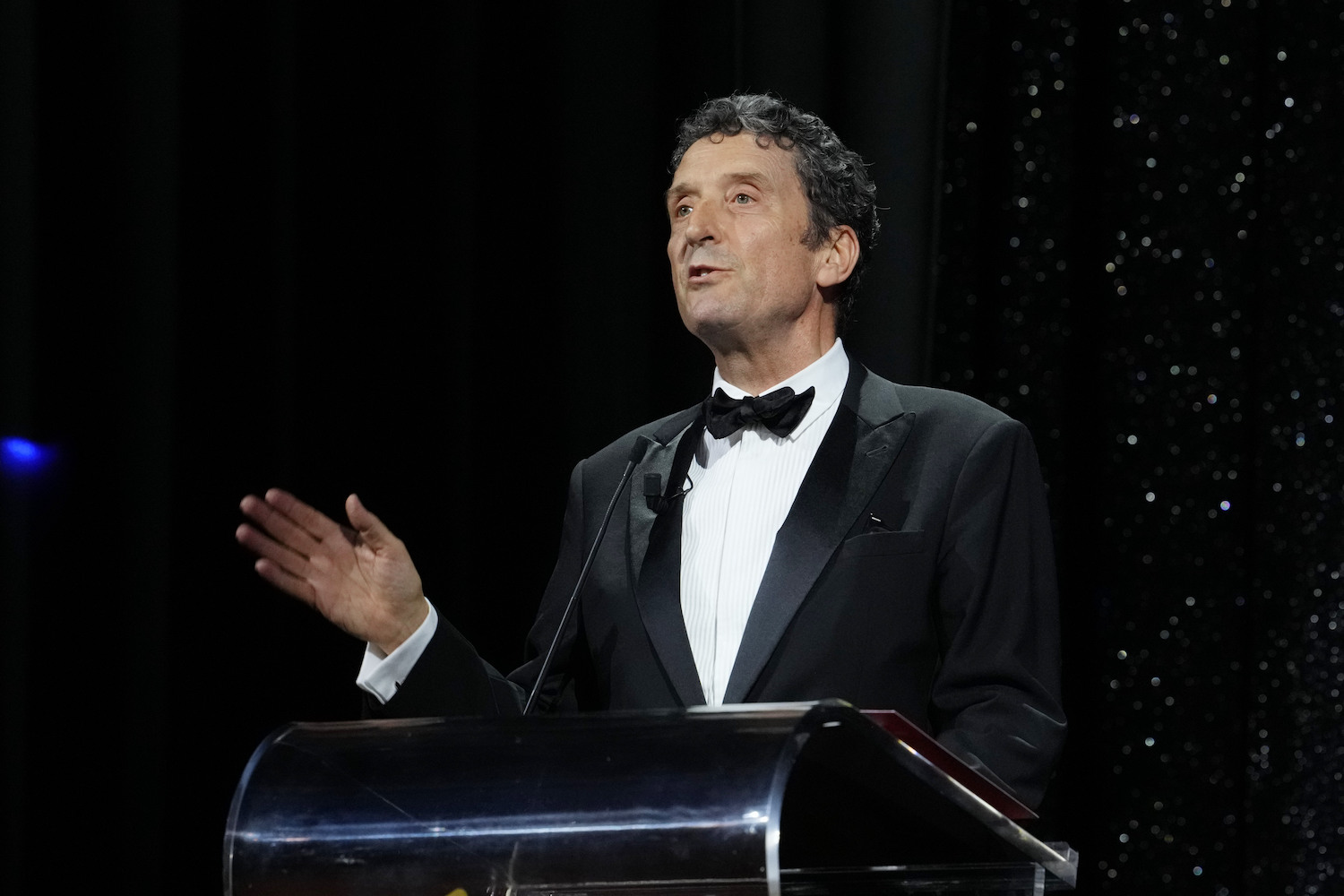
The entire jury of the Venice Biennale resigned shortly before the opening, prompting criticism of Biennale President Pietrangelo Buttafuoco. Italian Culture Minister Alessandro Giuli accused Buttafuoco of pursuing a misguided "pacificist fantasy" by readmitting Russia to the six-month exhibition, calling it failed "side foreign policy." Commentators in German media, including Niklas Maak (FAZ) and Marcus Woeller (Die Welt), see the resignation as a symptom of a crisis in the art world, with the jury having acted as a "political tribunal" by pre-judging artists based on nationality, particularly regarding Israel. The Biennale leadership defended inclusion, but the standoff has caused significant "image damage." Separately, Dirk Knipphals (wochentaz) delivers a scathing review of Wolfram Weimer's first year as cultural policy commissioner, accusing him of empty rhetoric and failing to counter right-wing cultural politics. Juliane von Mittelstaedt (Der Spiegel) reports on Saudi Arabia's use of a spectacular new art museum in Riyadh as a stability narrative amid regional conflict.

Texas Man Who Orchestrated $20 M. Crypto Scam Based on Fictitious Van Gogh and Picasso Masterpieces Sentenced to 23 Years in Prison

A Houston man, Robert Dunlap, was sentenced to 23 years in federal prison for orchestrating a $20 million cryptocurrency scam. Between 2018 and 2023, Dunlap defrauded nearly 1,000 investors by promoting a digital asset called “Meta-1 Coin,” falsely claiming it was backed by a $1 billion art collection featuring works by Salvador Dalí, Vincent van Gogh, and Pablo Picasso, as well as $44 billion in gold. He used forged legal and insurance documents to conceal that he owned neither the art nor the gold. A federal jury in the Northern District of Illinois convicted him on mail fraud charges in 2025, and US District Judge LaShonda A. Hunt imposed the sentence, also ordering restitution.

Why London’s Whitechapel Gallery Hired an Economist

London's Whitechapel Gallery has appointed economist Mariana Mazzucato as its first economist-in-residence, a three-year role aimed at rethinking how museums generate revenue and demonstrate social value. The gallery faces a £880,458 deficit, a 325% increase from the previous year, due to declining exhibition income, reduced trust and foundation funding, and cuts in Arts Council England grants. Mazzucato, a professor at University College London and director of the Institute for Innovation & Public Purpose, will advocate for treating culture as a strategic public investment.

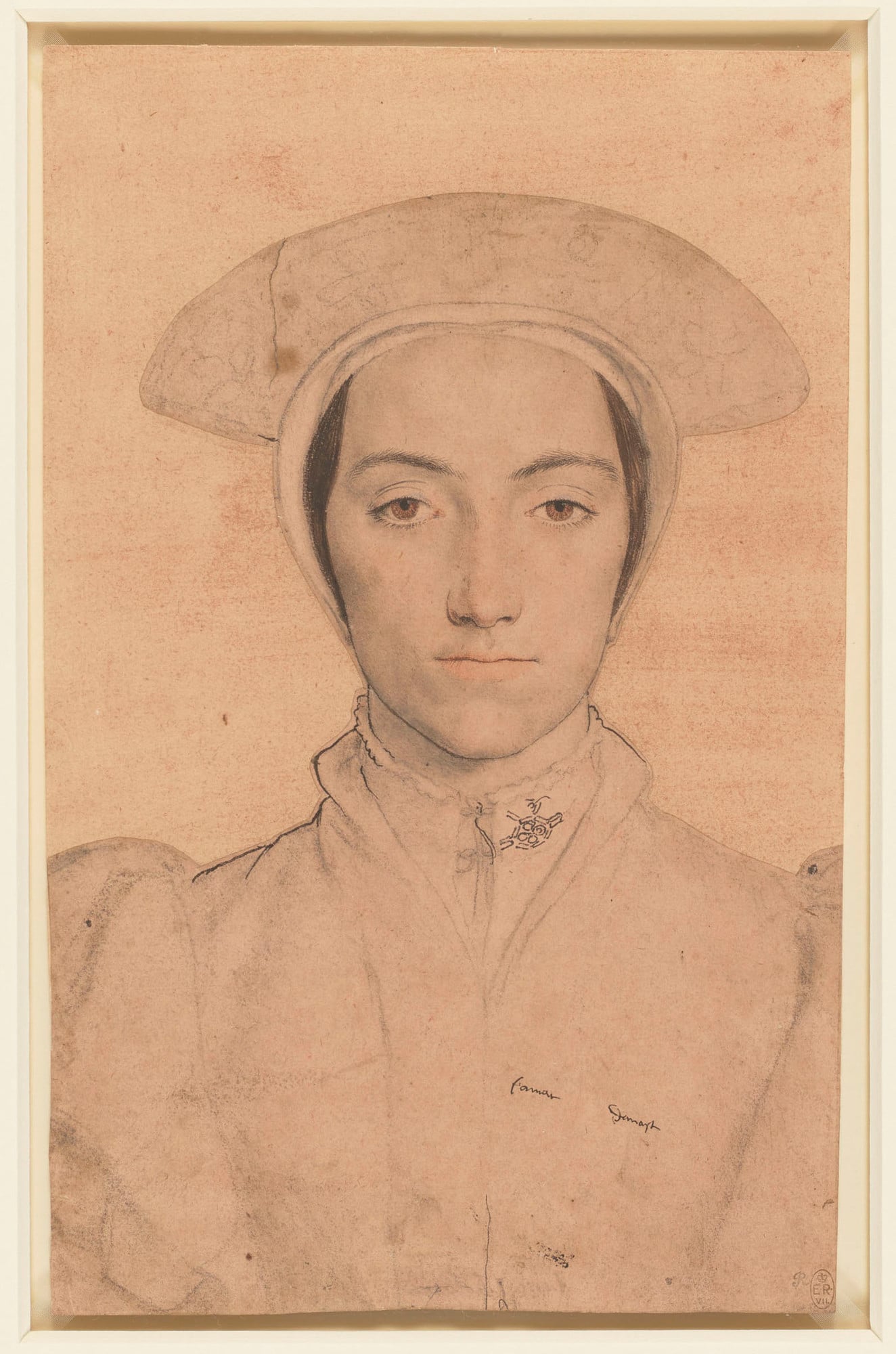
AI Helps UK Researchers Identify Unknown Subject in Hans Holbein Drawing as Anne Boleyn

Researchers Karen L. Davies and Hassan Ugail used artificial intelligence facial recognition to analyze two Hans Holbein drawings from the Royal Collection Trust. Their study, published in npj Heritage Science, suggests that a portrait previously labeled as Anne Boleyn actually depicts her mother, Elizabeth Howard, while a drawing cataloged as an unidentified woman is the true likeness of Anne Boleyn. The findings challenge long-held identifications based on 18th-century inscriptions and align more closely with contemporary descriptions of Boleyn as slender with dark hair.

A.I. Identifies Holbein Drawing as Possible Portrait of Anne Boleyn

Researchers at the University of Bradford have used artificial intelligence to analyze preparatory drawings by Hans Holbein the Younger in the Royal Collection at Windsor Castle. The AI model, which previously identified a forgotten Raphael painting, suggests that a drawing long believed to depict Anne Boleyn actually shows her mother, Elizabeth Howard, while another drawing labeled "Unidentified Woman" likely portrays Anne Boleyn herself. The findings, published in Heritage Science, are based on biometric analysis of facial features, bone architecture, and proportional relationships, offering quantifiable evidence to resolve long-standing scholarly uncertainty about the sitters' identities.

Venice Biennale Jury Resigns in the Wake of Controversial Prize Ban

The jury for the 2026 Venice Biennale has resigned just days before the public opening on May 9, after announcing on April 22 that it would not consider artists from countries accused of crimes against humanity for the Golden and Silver Lion prizes. The jury, consisting of Solange Oliveira Farks (president), Zoe Butt, Elvira Dyangani Ose, Marta Kuzma, and Giovanna Zapperi, cited its earlier statement of intention in its resignation, which directly impacted the participation of Russia and Israel—both subject to International Criminal Court warrants. In response, the Biennale postponed the awards ceremony from May 9 to November 22 and replaced the traditional jury with a public vote for best participant and best national participation, framing the move as upholding openness and rejecting censorship.

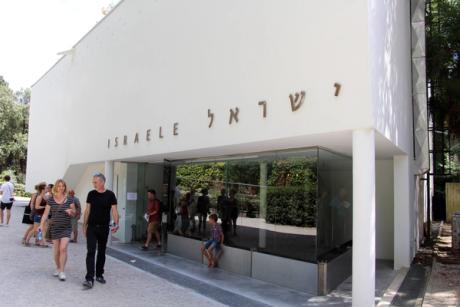
Israel’s foreign ministry accuses Venice Biennale's jury of ‘politicising’ exhibition

Israel’s foreign ministry has accused the Venice Biennale's jury of politicizing the exhibition after jurors announced they would not consider for prizes countries whose leaders face International Criminal Court charges for crimes against humanity. The jury’s statement, which did not name specific nations, is broadly understood to apply to Israel and Russia, both returning to the Biennale for the first time since the Gaza war and the Ukraine invasion, respectively. The Israeli ministry posted on X that the jury had decided to 'boycott' Israeli sculptor Belu-Simion Fainaru, calling it 'a contamination of the art world.' The Biennale distanced itself from the jury’s announcement, stating the jury acts autonomously, while the Russian pavilion is reportedly set to open only for a limited pre-opening period due to budget constraints amid sanctions.

Venice Biennale’s jury resigns

The entire jury of the 61st Venice Biennale, presided by Brazilian curator Solange Farkas and comprising four other curators, resigned just nine days before the exhibition's scheduled opening on 9 May 2026. The jury had announced it would not award prizes to countries whose leaders are charged with crimes against humanity by the International Criminal Court, a move widely understood to target Israel and Russia. In response, the Biennale's organisers cancelled the prize-giving ceremony and will instead award Golden Lions via a popular vote among ticketholders. The row escalated further when the Israeli representative, sculptor Belu-Simion Fainaru, accused the jury of discrimination and threatened legal action, prompting intervention from Italy's culture ministry.

Iran Withdraws From 2026 Venice Biennale

Iran has withdrawn from the 2026 Venice Biennale, the world's most important art event, organizers announced on May 4. No official reason was given, but the withdrawal comes amid an uncertain ceasefire in Iran's war with the United States and Israel. The Biennale confirmed the decision in a statement, noting that 100 countries will still participate, including newcomers Tanzania and Seychelles. This follows South Africa's withdrawal over a legal dispute concerning a Gaza-focused artwork, and the closure of the Russian Pavilion to the public after the EU withdrew €2 million in funding over Russia's involvement.

"Eine Idee, die gut ist, kann fast alles verändern"

Henrike Naumann's final major artistic project, the German Pavilion at the Venice Biennale, is completed posthumously by friends after her death from cancer at age 41. Meanwhile, the sudden death of curator Koyo Kouoh at 57 has left her team to finish the central exhibition "In Minor Keys" for the Biennale, opening May 9. The US Pavilion is openly crowdfunding for its 2026 presentation by sculptor Alma Allen, citing opaque funding under the Trump administration. Israel's foreign ministry has accused the Venice Biennale jury of boycotting its artist Belu-Simion Fainaru by excluding countries whose leaders face International Criminal Court charges.

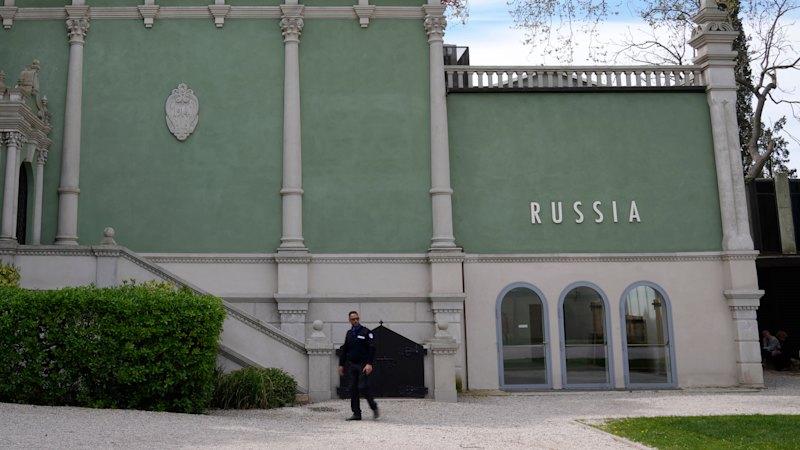
Russia’s Venice Pavilion Will Be Closed to Public for Duration of Biennale

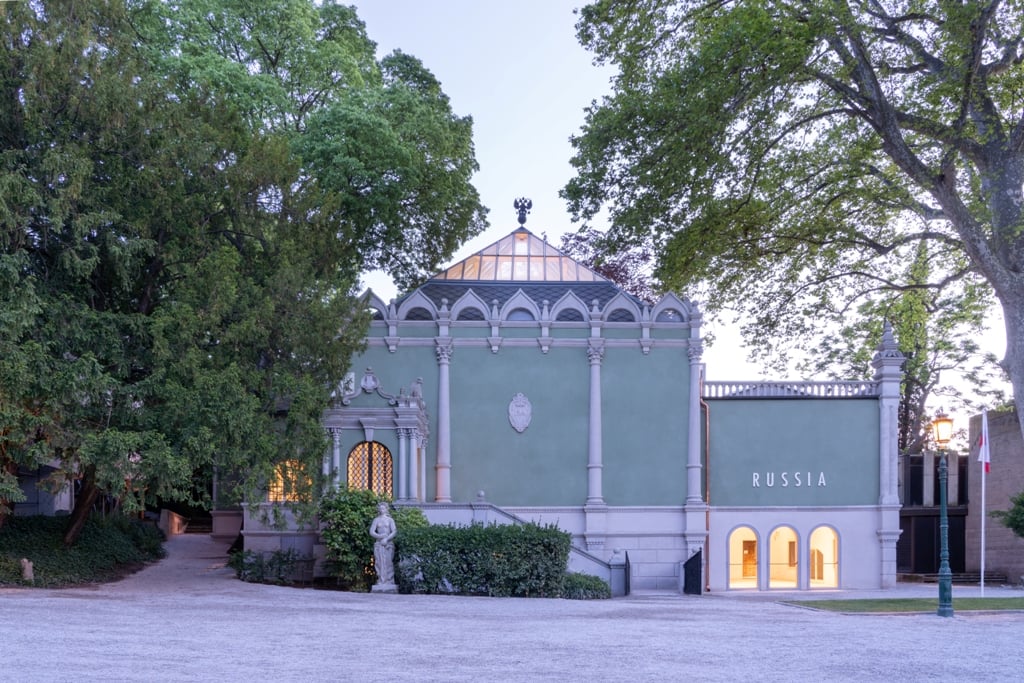
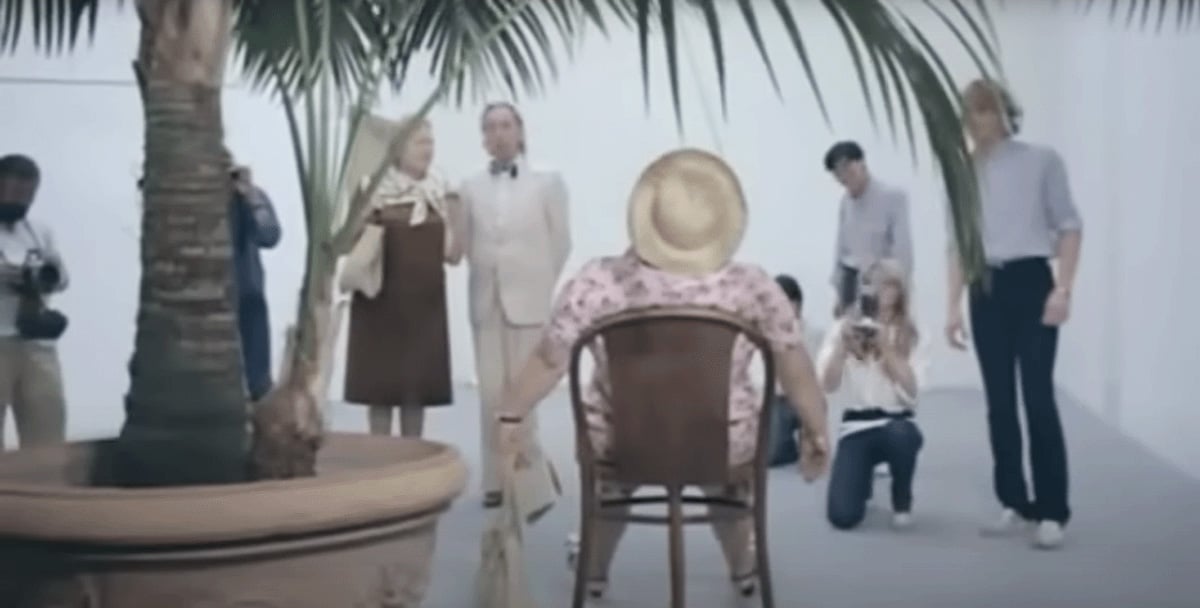
Russia's pavilion at the 2026 Venice Biennale will be closed to the public for the duration of the exhibition, from May 9 to November 22, following escalating controversy over the country's participation. The group show, titled “The tree is rooted in the sky,” will only be open to press and industry insiders during the preview days (May 5–8). The move comes after the International Criminal Court accused Russia of crimes against humanity, leading the Biennale to bar Russia and Israel from competing for awards. Italian culture minister Alessandro Giuli has also boycotted the preview and opening ceremony in protest.

Under pressure, the jury of the 61st Venice Biennale will exclude Russian and Israeli pavilions from the awards

Sous pression, le jury de la 61e Biennale de Venise exclura les pavillons russe et israélien du palmarès

The 61st Venice Biennale, titled "In Minor Keys" and running from May 9 to November 22, 2026, has been embroiled in political controversy after organizers decided to reinstate the Russian pavilion, which had been excluded since Russia's 2022 invasion of Ukraine. Under pressure from the European Commission, which threatened to suspend a €2 million grant, the jury announced it will exclude artists from the Russian and Israeli pavilions from winning prizes, citing that leaders Vladimir Putin and Benjamin Netanyahu face International Criminal Court charges for crimes against humanity. The Russian pavilion will remain closed to the public but open for VIP press previews, while the Israeli pavilion stays open to the public. Italian Culture Minister Alessandro Giuli has refused to attend the opening ceremony in protest.

Venice Biennale jury resigns amid row over Russian entry

The international jury of the Venice Biennale resigned en masse just nine days before the opening of the world's oldest contemporary art fair, amid a dispute over Russia's participation and the panel's decision to bar prizes for countries accused of crimes against humanity by the International Criminal Court. The jury, comprising president Solange Farkas and members Zoe Butt, Elvira Dyangani Ose, Marta Kuzma, and Giovanna Zapperi, stepped down without explanation, following tensions that also involved Italy's Culture Ministry cutting €2 million in EU funding over Russia's presence and sending inspectors to the Russian Pavilion.

Brussels, Russia and the Venice Biennale

The jury of the 61st Venice Biennale Art Exhibition has resigned en masse to protest the decision to allow Russian participation for the first time since the 2022 invasion of Ukraine. The jury stated it would refuse to consider artists from countries whose leaders face International Criminal Court warrants, specifically Israel and Russia, citing a commitment to human rights. The Biennale organizers defended the re-admission as consistent with openness and dialogue, while Ukrainian Foreign Minister Andriy Sybiha and EU foreign policy chief Kaja Kallas condemned the move, with the EU threatening to cut funding. The Italian government distanced itself, calling the Biennale autonomous.

Venice Biennale chief under pressure

Venedig-Biennale-Chef unter Druck

Just before the opening of the Venice Art Biennale, its president Pietrangelo Buttafuoco is facing mounting criticism after the entire jury resigned. Italian Culture Minister Alessandro Giuli accused Buttafuoco of pursuing a form of "parallel foreign policy" by readmitting Russia to the six-month exhibition, calling him a "victim of a pacifist fantasy." The opening ceremony and the traditional Golden Lion awards have been canceled; prizes will now be decided by visitor vote at the end of the Biennale in November.

Under pressure, the Venice Biennale jury resigns and is replaced by a public vote

Sous pression, le jury de la Biennale de Venise démissionne et est remplacé par un vote du public

On April 30, just days before the Venice Biennale's public opening on May 9, the entire international jury responsible for awarding the Golden and Silver Lions resigned. The jury—comprising Solange Farkas, Zoe Butt, Elvira Dyangani Ose, Marta Kuzma, and Giovanna Zapperi—had been caught in a escalating controversy after Biennale president Pietrangelo Buttafuoco reinstated Russia, which had been excluded since the 2022 invasion of Ukraine. The European Union threatened to suspend or cancel its €2 million subsidy if Russia remained included. The jury attempted to exclude countries whose leaders face International Criminal Court arrest warrants, effectively targeting Russia and Israel, but ultimately resigned under pressure from both external diplomatic turmoil and internal institutional opposition to any discrimination between pavilions.

Iran Abruptly Drops Out of Venice Biennale as US and Israel’s War Continues

Iran has abruptly withdrawn from the 61st Venice Biennale, scheduled for May 9–November 22, 2026, reducing the number of participating nations from 101 to 100. The Biennale confirmed the withdrawal in a statement but did not provide a reason; Iran is now the only country listed without any artist representatives, though Aydin Mahdizadeh Tehrani remains listed as the pavilion's commissioner. The announcement comes as the Biennale opens to press amid ongoing controversy over the participation of Israel and Russia, whose pavilions have drawn protests from artists and politicians.

Venice Biennale Jury Resigns Amid Tension Over Awards Ban

The jury of the Venice Biennale, the world's most prominent art exhibition, has resigned collectively amid a dispute over a proposed ban on awarding artists from countries whose leaders are accused of crimes against humanity. The jury had declared it would not consider such artists for prizes, leading to internal tensions and ultimately their resignation.

Accused of Harassing Staff, Martha Ortiz Steps Down as Director of Bogotá’s MAMBO

Martha Ortiz has stepped down as director of Bogotá’s Museo de Arte Moderno (MAMBO) amid allegations of harassing staff and fostering a toxic work environment. The museum announced her retirement and will begin a search for a successor, with board president Ángela Royo and financial manager Francy Hernández assuming interim leadership. Ortiz, who had no prior museum management experience, took the role in March 2024. Her departure follows the ousting of artistic director Eugenio Viola less than three months earlier, after he raised concerns about deteriorating working conditions.

Ministry of Culture inspectors present report on Biennale: Russia pavilion will remain closed

Gli ispettori del Ministero della Cultura in Biennale presentano relazione: il padiglione Russia resterà chiuso

Italian Ministry of Culture inspectors have submitted a report to the Prime Minister's office regarding Russia's participation in the 2026 Venice Art Biennale. The report concludes that Russia did not receive a formal invitation from the Biennale Foundation to participate, nor did it sign the participation agreement—a situation shared by other countries with permanent pavilions. While Russia submitted a project and appointed a commissioner, its pavilion will remain closed to the public due to EU sanctions, though a private vernissage may proceed. The report finds no serious violations that would cancel Russia's participation, but notes critical issues that warranted more caution. The international jury resigned en masse after announcing it would not consider countries whose leaders are accused of crimes against humanity by the International Criminal Court, including Russia and Israel, and after an Israeli artist threatened a discrimination lawsuit.

The Craziest Venice Biennale Ever: One Week Before Opening, the Jury Resigns (The Public Will Decide the Lions!)

La Biennale di Venezia più pazza di sempre: a una settimana dall’apertura si dimette la giuria (I Leoni li deciderà il pubblico!)

The entire international jury of the 61st Venice Biennale has resigned en masse just one week before the opening. The jury, chaired by Solange Oliveira Farkas and including Zoe Butt, Elvira Dyangani Ose, Marta Kuzma, and Giovanna Zapperi, had publicly announced they would not consider countries whose leaders are accused of crimes against humanity by the International Criminal Court—effectively excluding Russia and Israel from the Golden Lion competition. This decision came amid ongoing tensions between Italian Culture Minister Alessandro Giuli and Biennale President Pietrangelo Buttafuoco over Russia's participation, as well as controversy surrounding Israel's presence. After a meeting with Buttafuoco, the jury resigned, leaving the Biennale without a key body to award its top prizes.

Meloni on Venice Biennale: 'I've somewhat lost track'

Meloni über Venedig-Biennale: "Habe den Überblick etwas verloren"

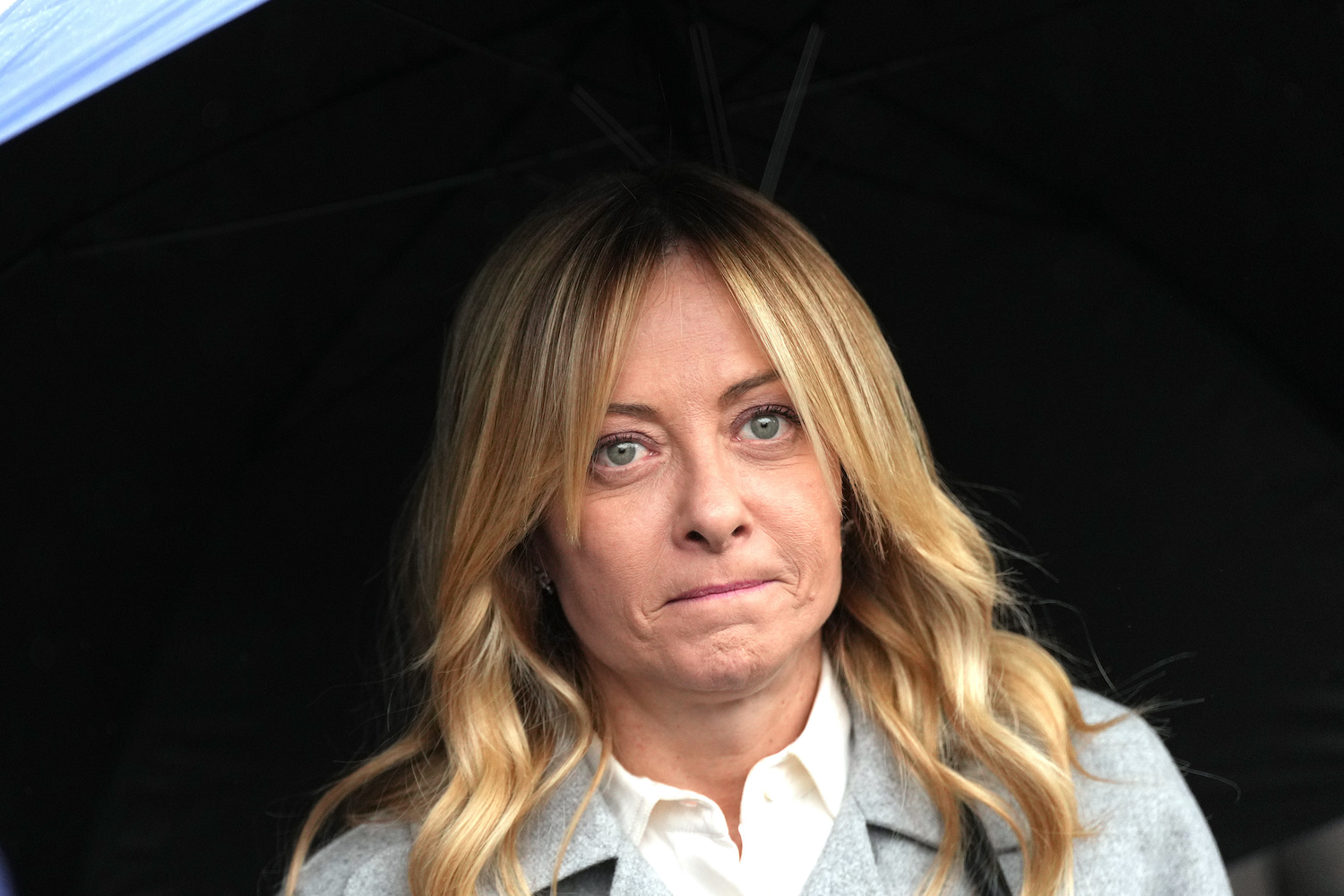
Days before the opening of the Venice Biennale, the entire international jury resigned in protest over Russia's participation despite its war against Ukraine. The jury had previously excluded Russia and Israel from prize consideration due to International Criminal Court warrants against their leaders. Italy's Prime Minister Giorgia Meloni admitted she had "lost track" of the situation, while the government sent inspectors to Venice. Biennale organizers responded by postponing the Golden Lion awards until November and introducing two audience-choice awards that will include Russian and Israeli entries.

ArtWonk: Budgets, Brouhahas, and Beowolff

Boston Art Review (BAR), an independent publication focused on contemporary art in Boston, has published an article titled 'ArtWonk: Budgets, Brouhahas, and Beowolff' that appears to cover a mix of art-world financial issues, controversies, and a reference to a figure or concept named 'Beowolff.' The piece is part of BAR's ongoing coverage of the local and broader art scene, including weekly happenings and programs.