filter_list Showing 11 results for "Van Gogh Museum" close Clear
search
dashboard All 84 museum exhibitions 40trending_up market 17article news 11article culture 9article policy 3article local 1candle obituary 1gavel restitution 1rate_review review 1
date_range Range Today This Week This Month All
Subscribe

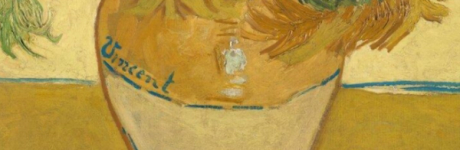
Why did Van Gogh sign his paintings as ‘Vincent’?

Art historian Julia Engelmayer has published a study titled 'Simply ‘Vincent’: An Overview of Van Gogh’s Signed Paintings' on the Van Gogh Museum's website, analyzing why and how Vincent van Gogh signed his works. The research reveals that only 133 of his 840 surviving paintings bear a signature (16%), an unusually low proportion for a 19th-century artist. Van Gogh signed with only his first name due to strained family relations and the difficulty non-Dutch speakers had pronouncing his surname. The study also highlights his predominant use of red signatures (on 75 works), angled signatures on over half of his signed pieces, and a distinctive horseshoe-shaped 'V' used during his Arles period.

met museum lego monet set

The Metropolitan Museum of Art has partnered with Lego to release a $249.99 building set recreating Claude Monet's 1899 painting 'Bridge Over a Pond of Water Lilies.' The kit, containing 3,179 pieces, is the most expensive in Lego's Art series and launches March 4. The museum is also releasing a podcast hosted by curator Alison Hokanson to accompany the set.

8 controversies that rocked the art world in 2025

Artnet News rounds up eight major controversies that shook the art world in 2025, including a brazen theft of crown jewels from the Louvre Museum in Paris, which exposed severe security gaps and led to a staff strike. Another key scandal involves a lawsuit filed by heirs of the Stern family against the Metropolitan Museum of Art and the Basil and Elise Goulandris Foundation, alleging that a Van Gogh painting was looted by the Nazis and later concealed through a series of transactions in New York.

Exclusive | The world's 100 most visited art museums in 2025: new venues a big hit with visitors

The Art Newspaper's 2025 survey of the world's 100 most visited art museums reveals a strong but uneven recovery from the pandemic, with total visits reaching over 200 million. New museums in the Middle East, East Asia, and major Western cities have been major hits with the public, driving significant attendance.

Can Tefaf Maastricht Keep Up with the Experience Economy?

Can Tefaf Maastricht keep up with the experience economy?

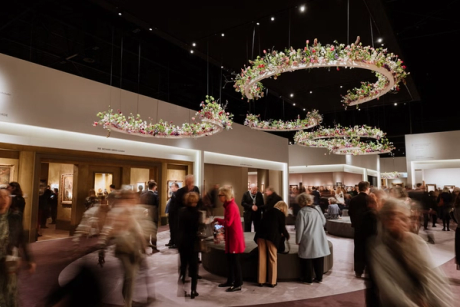
The 39th Tefaf Maastricht fair opened, showcasing high-quality pre-20th century art and antiques, from Monet paintings to a 1st-century Egyptian vase. However, the fair faces an existential question about the relevance of older art in a market where Old Masters specialists are declining and contemporary art sales are volatile.

New York auctions, James McNeill Whistler at Tate Britain, Edvard Munch—podcast

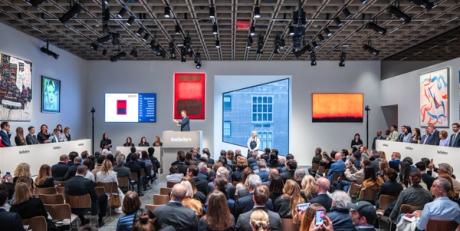
This episode of The Art Newspaper's podcast 'The Week in Art' covers three major stories: the spring auction results in New York, which saw record prices for works by Jackson Pollock, Constantin Brancusi, and Mark Rothko; the opening of the largest James McNeill Whistler exhibition in Europe in over 30 years at Tate Britain in London, which will later travel to the Van Gogh Museum and The Mesdag Collection in the Netherlands; and a feature on Edvard Munch's 1922 frieze from the Freia Chocolate Factory, currently on loan to the Munch museum in Oslo for the exhibition 'Edvard Munch and the Chocolate Factory.'

Museum acquisitions round-up: a rediscovered work by Rosso Fiorentino, a circular painting by Salman Toor and 16th-century gold goblet

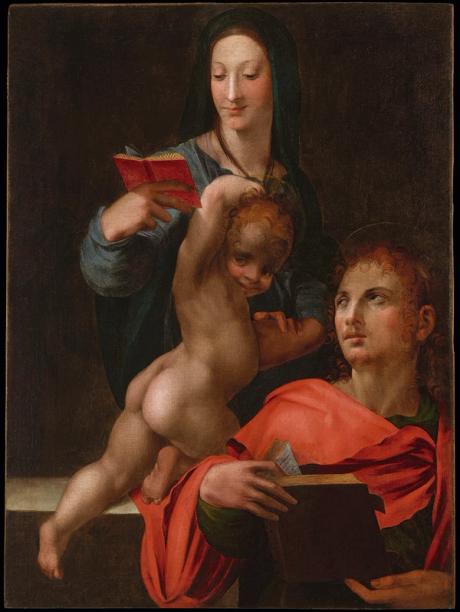
The Art Newspaper reports on three notable museum acquisitions: a rediscovered Renaissance painting by Rosso Fiorentino acquired by the Metropolitan Museum of Art, a 16th-century silver gilt goblet by Hans Rappolt I acquired by the Siegerland Museum, and a circular painting by Salman Toor donated to the National Gallery of Art. The Rosso Fiorentino work, 'Madonna and Child with Saint John the Evangelist' (1512/13), was thought lost for centuries and was identified after cleaning revealed a hidden figure. The goblet, made around 1581, is a rare example of Nuremberg goldsmithing and was supported by a €75,000 donation from the German Federal Cultural Foundation. The Toor painting, 'Wandering Beggars' (2022), is the first by the artist to enter the NGA's collection, donated by the Bronzini-Vender family.

Did Van Gogh’s Yellow House turn blue after his death?

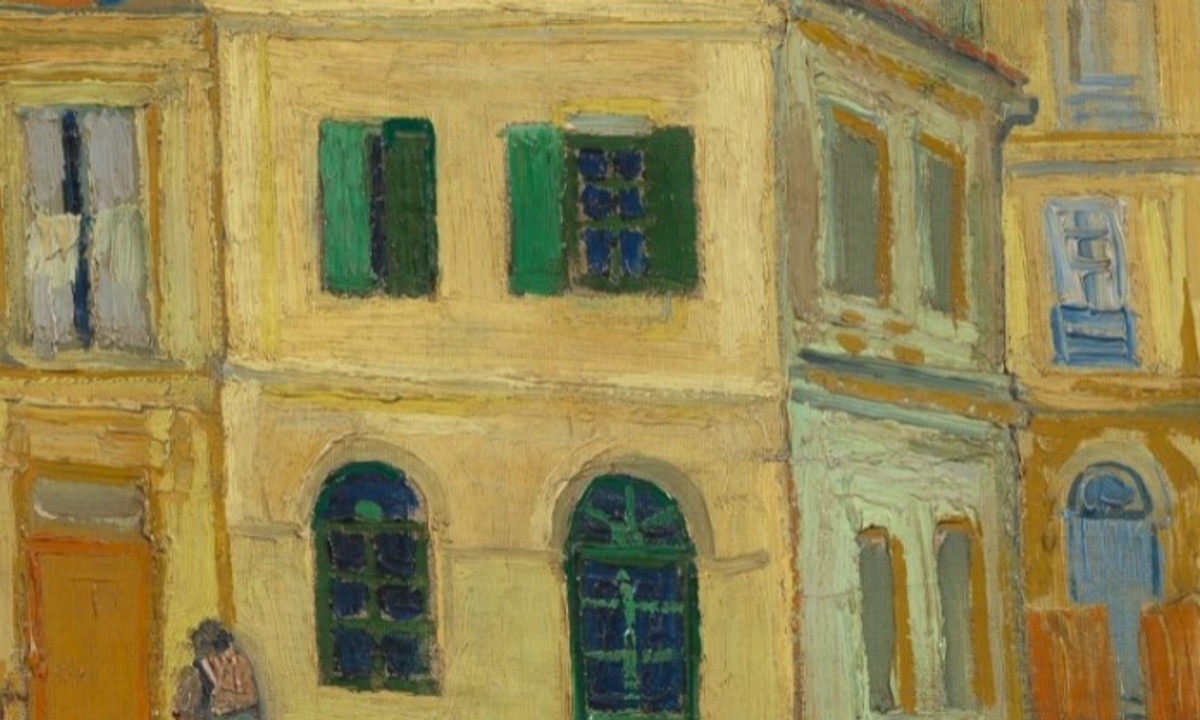
New historical evidence suggests that Vincent van Gogh’s iconic 'Yellow House' in Arles underwent a dramatic color change before its destruction. While Van Gogh famously painted and cherished the building for its yellow facade in 1888, two recently highlighted paintings from the late 1930s by artists Willy Guggenheim (Varlin) and George Tomaziu depict the structure with a blue exterior. This discovery, brought to light by Ukrainian artist Yuri Pikul, indicates the building had been repainted while serving as a café-bar called the Civette Arlésienne.

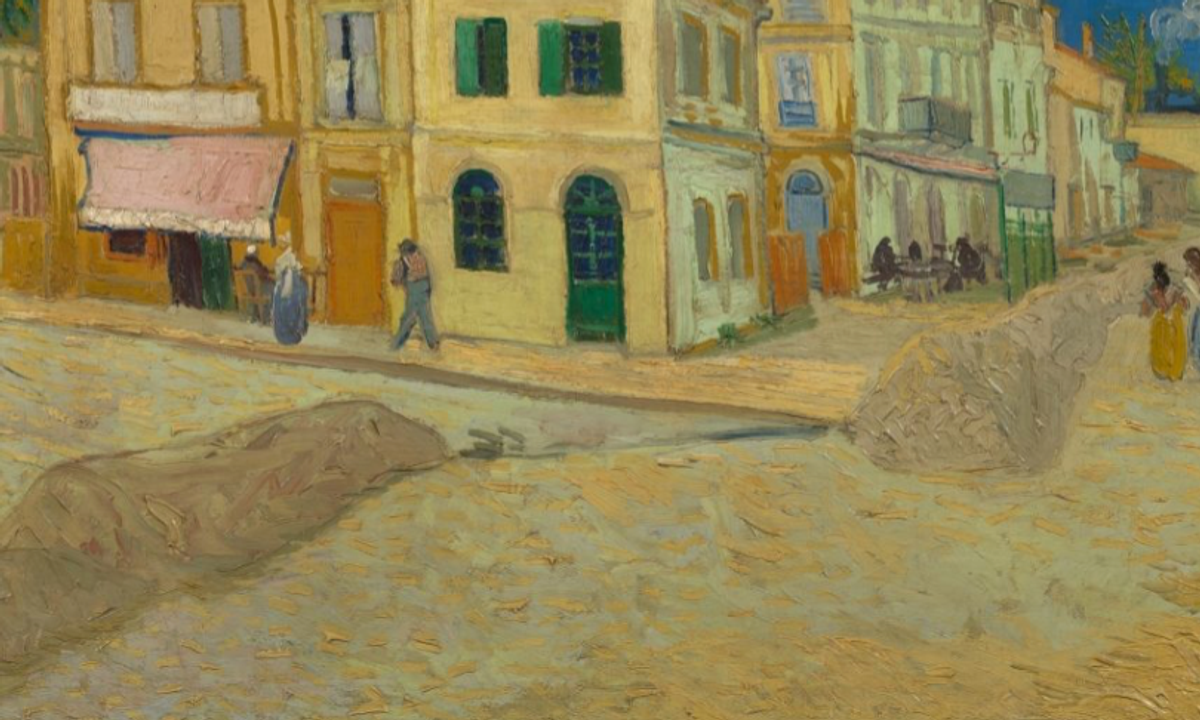
A manure mystery: why did Van Gogh depict heaps of sand in a painting of his beloved Yellow House?

A new study by Van Gogh Museum senior researcher Teio Meedendorp proposes that the mysterious piles of sand in Vincent van Gogh's 1888 painting "The Yellow House" are not, as previously thought, related to gas pipe installation, but rather cleansing sand used to absorb horse manure and urine on the streets of Arles. Meedendorp supports his theory with historical postcards from 1902 showing similar sand piles and street-cleaning practices, as well as municipal records indicating the city had outsourced dung removal in August 1888.

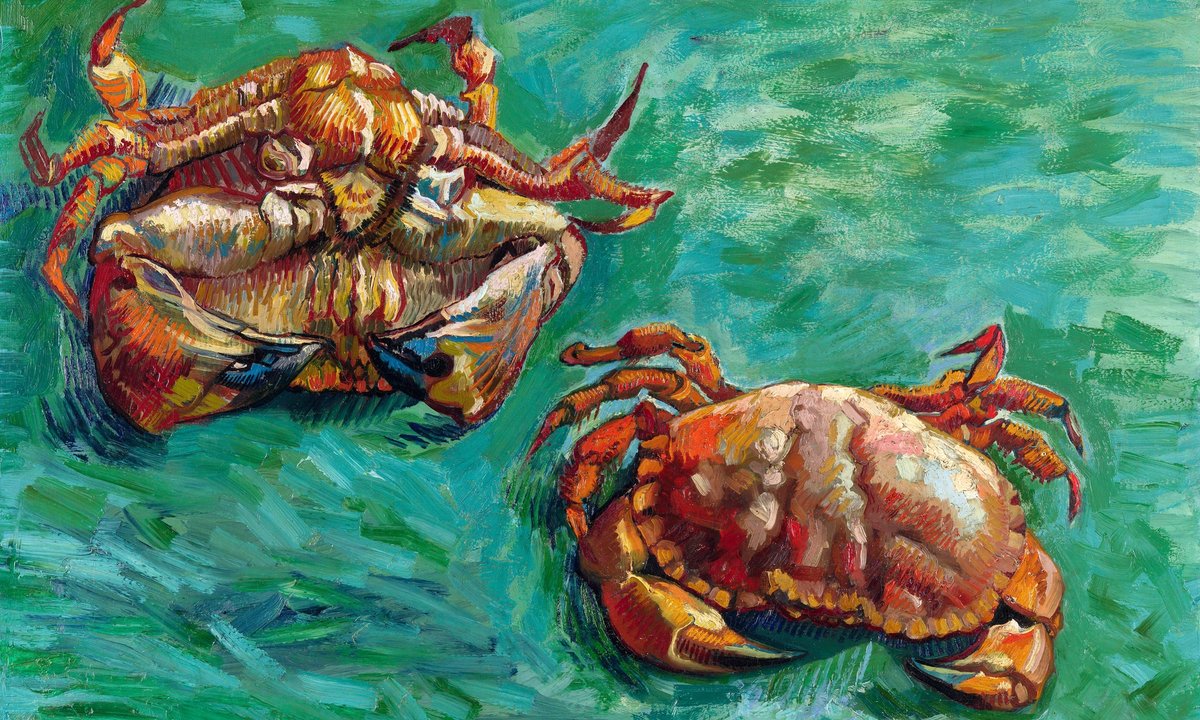
When—and why—did Van Gogh paint a pair of crabs?

An article explores the story behind Vincent van Gogh's still life "Two Crabs," revealing that the two crabs are likely the same individual—a female Cancer pagurus missing its first pair of walking legs. Paul Clark, a crustacean specialist at London's Natural History Museum, confirmed the sex based on the broad abdomen visible in the painting. The work is on long-term loan to London's National Gallery, where it was recently redisplayed as part of the gallery's major rehang ahead of the Sainsbury Wing reopening on May 10. The article also traces the painting's provenance: it was the first Van Gogh bought by a British collector, William Cherry Robinson, in 1893 for 200 guilders, later sold at auction in 1906 for half that amount, and eventually resold at Sotheby's in 2004 for £5.2 million to an anonymous collector who lent it to the National Gallery.

The Year in Review 2025

The Art Newspaper has published its annual 'Year in Review' for 2025, a roundup of the most significant stories, trends, and developments in the international art world over the past twelve months. The article serves as a comprehensive digest covering major exhibitions, market shifts, institutional changes, and key figures that shaped the visual arts landscape in 2025.