filter_list Showing 4 results for "italia" close Clear
search
dashboard All 54 museum exhibitions 31article culture 6article local 6trending_up market 4article news 4person people 2rate_review review 1
date_range Range Today This Week This Month All
Subscribe

IA et musées

This issue of Le Journal des Arts covers several major art news stories: the opening of the Venice Biennale amid a tense climate, the final adoption of a French law on the restitution of cultural property looted during colonization, the new V&A East museum targeting younger audiences, the uneven economic benefits of Monet's legacy in Giverny, and the structuring of the Nabis art market.

Open Letter in Support of the Artist Asel Kadyrkhanova

An open letter initiated by members of the Kazakhstani and international art community protests the removal of artist Asel Kadyrkhanova's work *Machine* (2013) from the Kazakhstan pavilion at the 2026 Venice Biennale. The mixed-media installation, which addresses Stalinist repression through a vintage typewriter, arrest warrants, and red threads, was dismantled on May 5, 2026, reportedly by order of Kazakhstan's Ministry of Culture and Information, just before the pavilion's opening. The artist and curator were allegedly pressured to alter the work beforehand, and the ministry initially cited restrictions from the Italian side, but the Italian Ministry of Defense denied involvement.

Biennale’s Kazakh Pavilion Roiled by Controversy after Artwork Fails to Make It on View

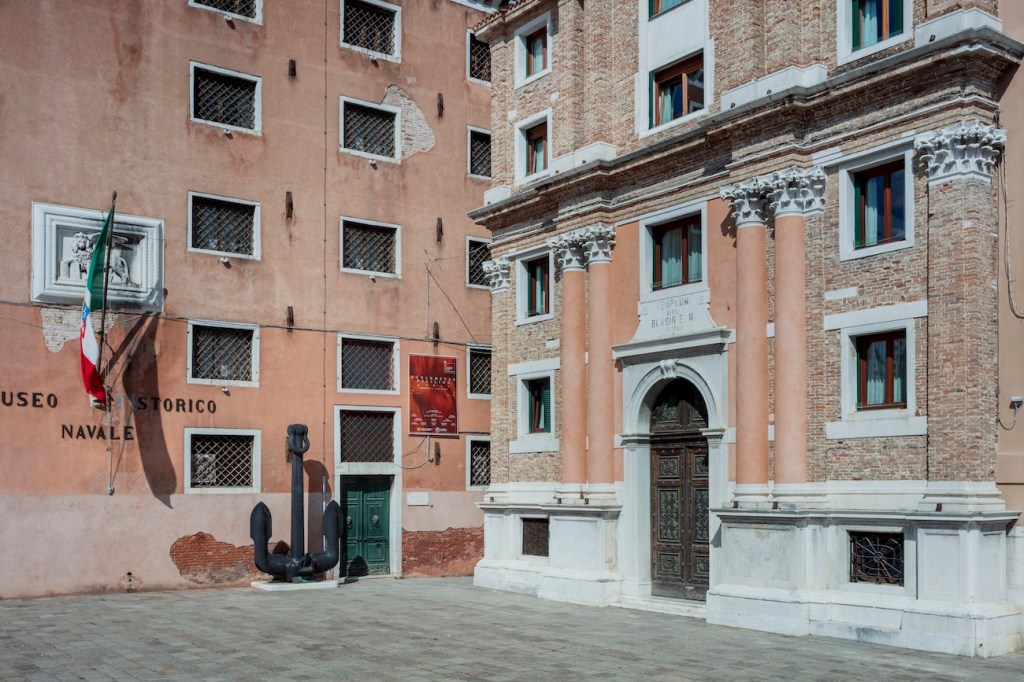
Controversy has erupted at the Kazakhstan pavilion of the Venice Biennale after artist Äsel Kadyrhanova's multimedia installation *Machine* (2013), which addresses Stalin-era repression in Kazakhstan, was dismantled before the exhibition opened. An open letter published on e-flux, signed by prominent Kazakhstani art community members, alleges the work was removed on May 5 on orders from the nation's Ministry of Culture or pavilion organizers. The pavilion's curator, Syrlybek Bekbota, claims he personally made the decision to dismantle the work after negotiations with the artist failed, citing contractual restrictions from the venue, the Museo Storico Navale di Venezia, which prohibits "political, ideological," or "propagandistic" content. The venue's management company, D'Uva, denies any role in the removal, while the project's co-commissioner, Danagul Tolepbay, disputes the accuracy of the open letter's claims.


“Villa Borghese è perfetta e non si tocca”. Siamo andati a vedere se è proprio così perfetta

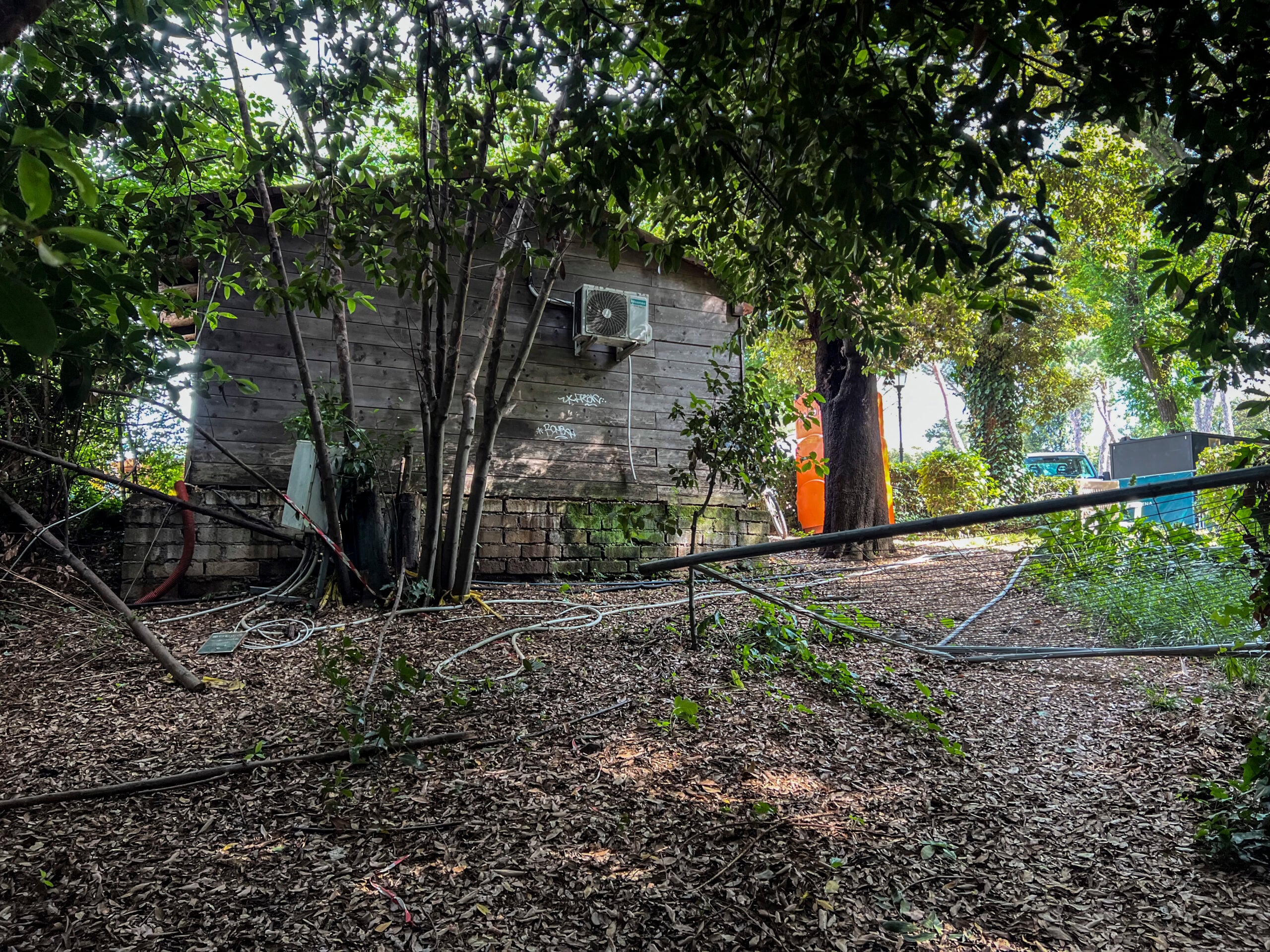
A private company donated a design competition to the Galleria Borghese in Rome, aiming to expand the museum's exhibition spaces and services. Before any winning project was selected, associations like Italia Nostra protested, claiming the initiative would desecrate Villa Borghese. The article's author visited the park to document its current state, finding decay: a wrecked Globe Theatre, neglected ponds, graffiti, trash, dilapidated buildings, and a degraded horse-riding track. The author argues that while the park is defended as "perfect and untouchable," it is actually suffering from real neglect that goes unaddressed by the same groups opposing development.