

filter_list Showing 3 results for "MUNCH" close Clear
search
dashboard All 122 museum exhibitions 50trending_up market 37article culture 11article news 7rate_review review 5person people 4candle obituary 3article policy 2article local 2gavel restitution 1
date_range Range Today This Week This Month All
Subscribe

Georg Baselitz obituary

Georg Baselitz, the German painter and sculptor known for his provocative, expressionistic works and his iconic upside-down paintings, has died at the age of 88. The article traces his life from his childhood in war-torn Germany, through his early career as a rebellious artist in divided Berlin, to his rise as an international art star. It highlights his 1961 manifesto poster "Pandemonium I," his rejection of American abstraction, and his controversial 1963 exhibition that was raided by police for its explicit content.

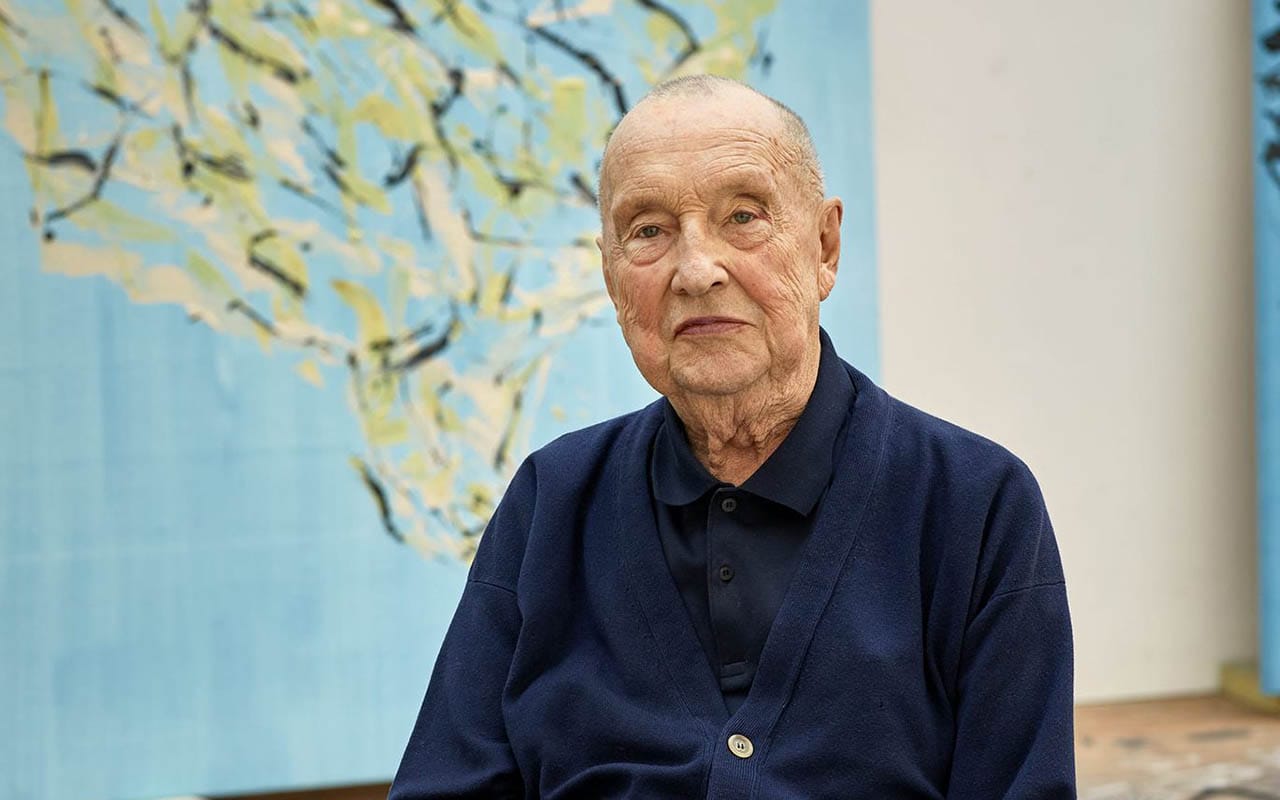
Georg Baselitz (1938-2026)

Georg Baselitz, born Hans-Georg Kern in 1938, has died at age 88. The German painter and sculptor, who changed his name in 1961, built a career on aesthetic dissent. Expelled from art school in East Berlin, he first gained notoriety with a 1963 exhibition at Galerie Werner and Katz in Berlin, where two works were seized for obscenity. His signature gesture—inverting his images, beginning with "Der Wald auf dem Kopf" in 1969—became his most recognizable trademark, shifting focus from subject to the act of painting itself. Baselitz also produced significant sculptures, often carved with a chainsaw and axe, and his work was the subject of major retrospectives at the Centre Pompidou (2021-2022) and the Musée d'Art Moderne de Paris (2011-2012).

George Baselitz, Purveyor of the Tortured Male Genius Myth, Dies at 88

Georg Baselitz, the influential German Neo-Expressionist painter known for his emotionally charged, often violent works and his controversial statements about women artists, has died at age 88. His final paintings will be shown in the exhibition "Eroi d’Oro" at the Fondazione Giorgio Cini in Venice starting May 6. Baselitz rose to prominence with his "Heroes" series of monumental male soldiers and his signature "upside down" paintings, which forced viewers to focus on painterly gesture over representation. He was a key precursor to Germany's Neue Wilde movement and confronted Germany's World War II trauma in works that combined expressionistic brutality with Wagnerian grandeur.