

filter_list Showing 3 results for "Richter" close Clear
dashboard All 7 candle obituary 3trending_up market 2museum exhibitions 1article policy 1
date_range Range Today This Week This Month All
Subscribe

German artist Georg Baselitz dies aged 88

German artist Georg Baselitz has died at age 88, as confirmed by the Thaddaeus Ropac gallery. Known for his expressive paintings and sculptures, Baselitz rose to prominence in the 1960s after a scandal over sexually symbolic works led to a high-profile court case. He pioneered painting canvases upside down from 1969 onward, a technique he used to grapple with German history and collective guilt. His work spanned six decades and included notable sculptures, such as a wooden figure at the 1980 Venice Biennale that appeared to perform a Nazi salute, which he later clarified was inspired by an African artifact. Baselitz achieved international acclaim in the 1980s and became one of Germany's highest-priced living artists, alongside Gerhard Richter.
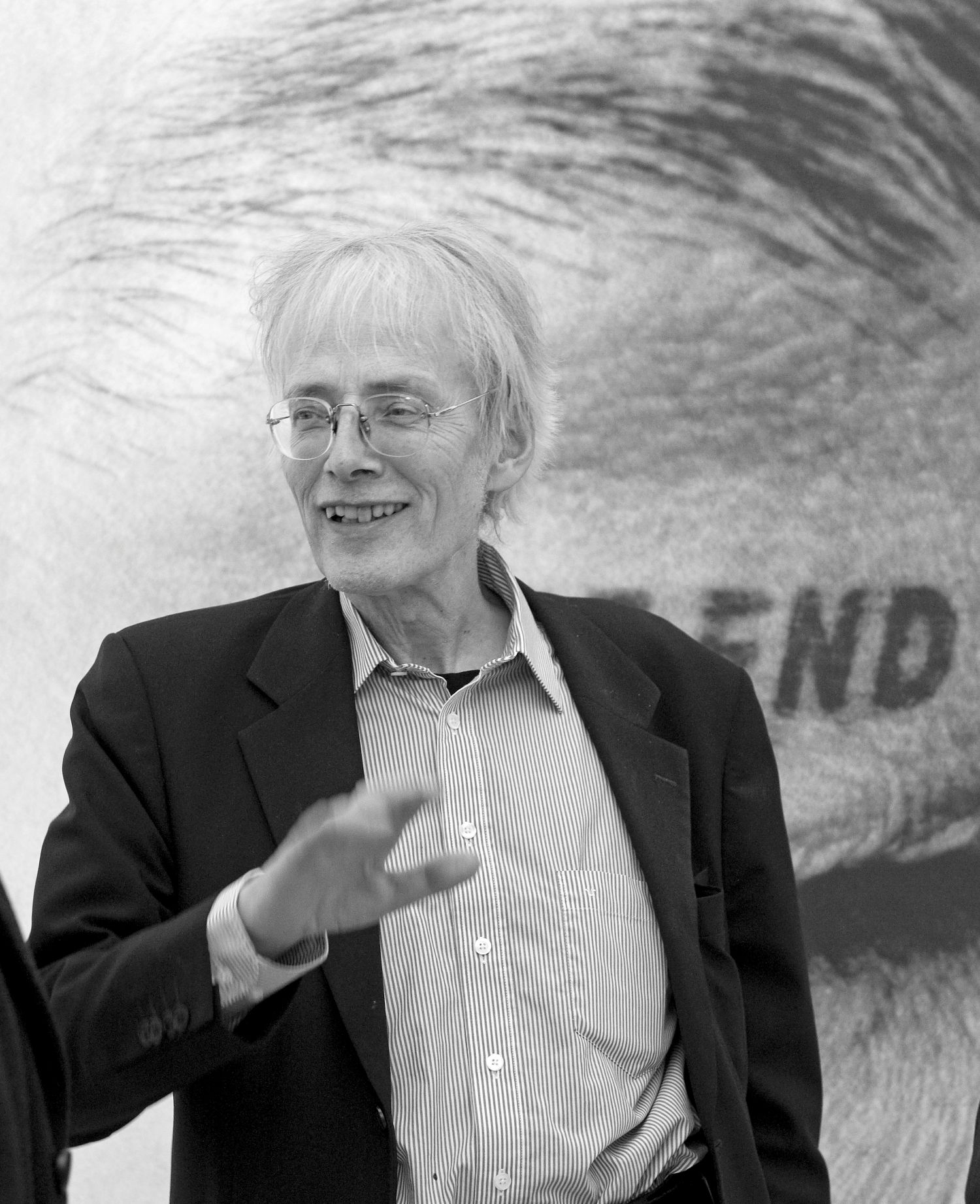
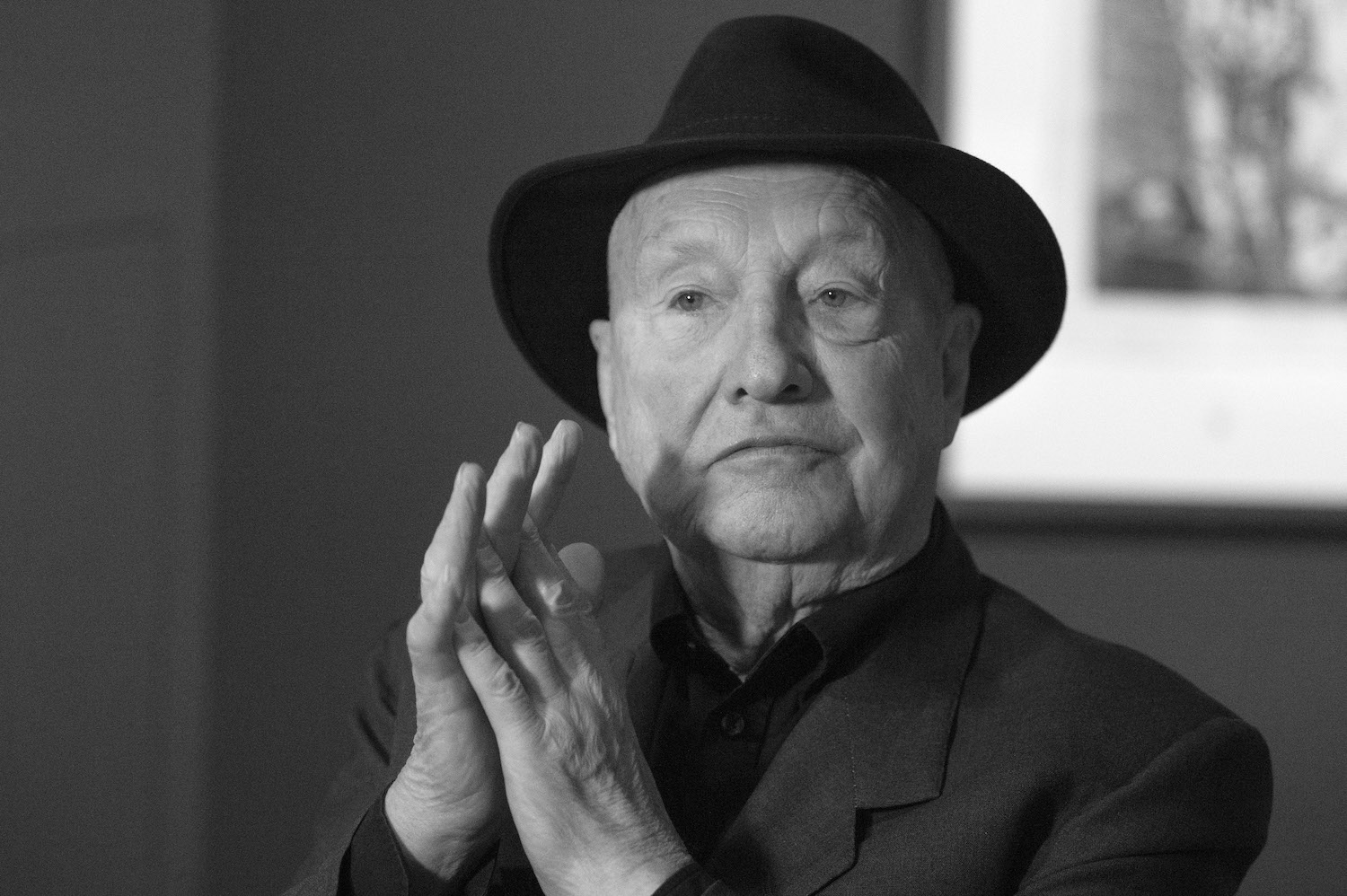
The Prototype of an Artist

Der Prototyp eines Künstlers

Timm Ulrichs, the self-proclaimed "Totalkünstler" (total artist) known for his boundary-pushing performances—tattooing himself, locking himself inside a hollowed boulder, and running naked in thunderstorms—has died at age 86 in Berlin. A pioneer of Land Art, Body Art, concrete poetry, and endoscopic imaging, Ulrichs created works that anticipated later artists like Isa Genzken, and was invited to Documenta 6 in 1977. Despite his prolific output and influence on younger generations, he often lamented being overlooked by the international art market compared to peers like Georg Baselitz and Gerhard Richter.

The Great Lone Wolf of Art

Der große Einzelgänger der Kunst

Georg Baselitz, the German painter known for his radical, figurative works and iconic upside-down motifs, has died at age 88. Born Hans-Georg Kern in 1938 in Deutschbaselitz, Saxony, he fled East Germany for West Berlin in 1957 after being expelled from art school for "socio-political immaturity." Baselitz rose to international fame with his expressive, fractured depictions of the human figure, famously inverting his compositions starting with "Der Wald auf dem Kopf" (1969). He also worked as a stage and costume designer for operas by Harrison Birtwistle, György Ligeti, and Richard Wagner.