
filter_list Showing 3 results for "STY" close Clear
dashboard All 77 museum exhibitions 50article local 9trending_up market 5article culture 5article news 4candle obituary 3rate_review review 1
date_range Range Today This Week This Month All
Subscribe

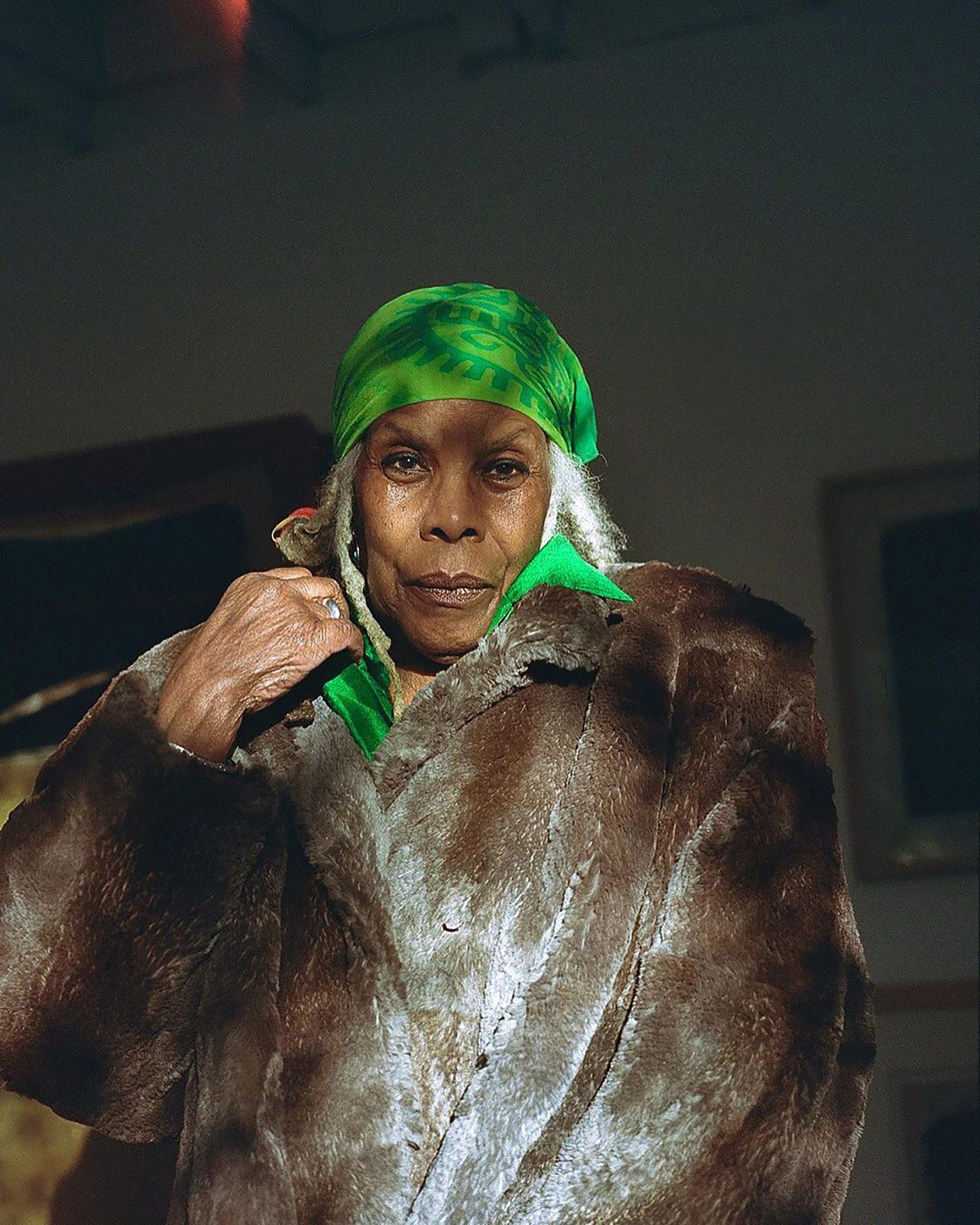
Mary Lovelace O’Neal, Painter Who Defied the Bounds of Abstraction, Dies at 84

Mary Lovelace O’Neal, the American painter known for her large-scale abstract works that defied easy categorization, died in Mérida, Mexico, on May 10 at age 84. Her death was confirmed by her galleries, Jenkins Johnson and Marianne Boesky, on May 13. Active in the Civil Rights movement of the 1960s, O’Neal developed a distinctive practice that blended Minimalism, Abstract Expressionism, and figurative elements, most notably through her Lampblack series and later the "Whales Fucking" series. Her work gained renewed attention in the 21st century, with exhibitions at Mnuchin Gallery and the Museum of the African Diaspora, and her painting *Blue Whale a.k.a. #12* (1983) was selected for the 2024 Whitney Biennial.
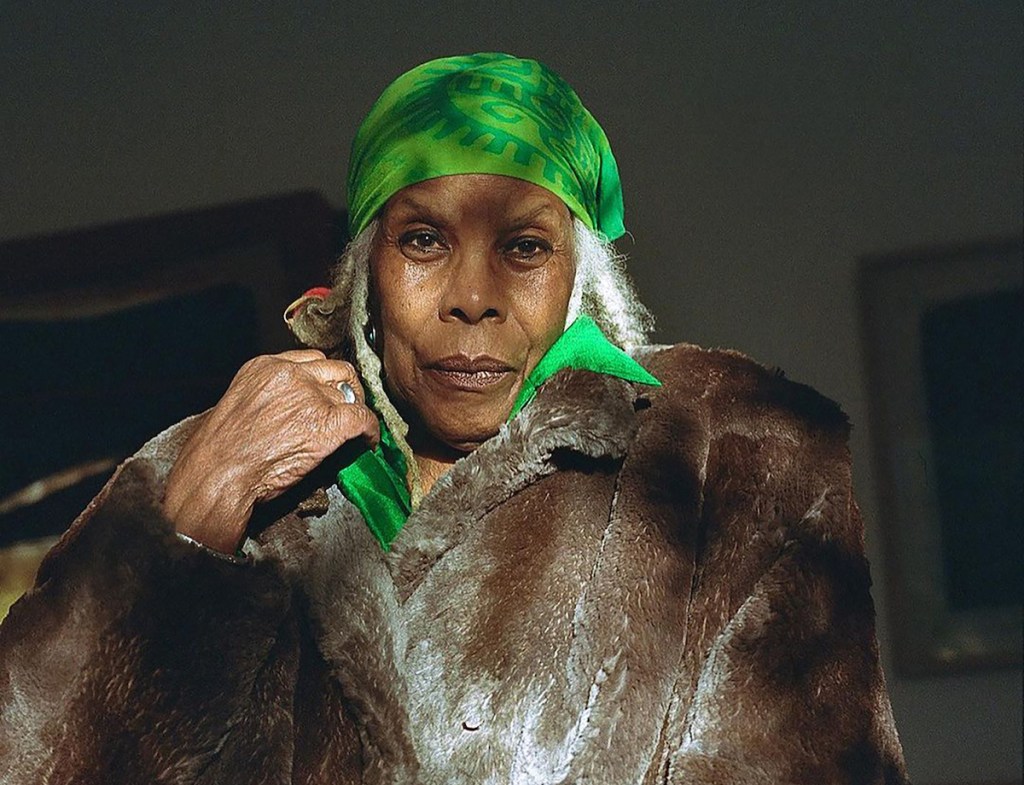

Mary Lovelace O’Neal, Abstract Painter Who Refused to Conform, Dies at 84

Mary Lovelace O’Neal, an abstract painter known for her gestural, unruly works that defied categorization, died on Sunday in Mérida, Mexico, at age 84. Her galleries, Jenkins Johnson and Marianne Boesky, announced her passing. O’Neal produced sprawling paintings characterized by tangles of drippy strokes, often using lamp black pigment to create intensely black canvases. She rejected labels like Abstract Expressionist or Minimalist, insisting she was simply a painter. Her series "Whales Fucking" (1979) and a 2020 exhibition at Mnuchin Gallery revived her profile, leading to inclusion in the 2024 Whitney Biennial.

Artist Valie Export, Who Saw Right Through the Male Gaze, Dies at 85

Austrian artist Valie Export, a pioneering feminist performance and media artist, died on May 14, three days before her 86th birthday. Her death was confirmed by Thaddaeus Ropac Gallery. Export, born Waltraud Lehner in 1940, rejected traditional domestic roles and adopted her iconic all-uppercase name from a cigarette brand. She created guerrilla-style performances and films that directly confronted the male gaze and patriarchal society, often using her own body as a medium. Key works include “Genital Panic” (1968), in which she walked through a Munich cinema in crotchless pants, and “Tapp und Tastkino (Tap and Touch Cinema)” (1968), where she invited strangers to touch her bare breasts through a stage strapped to her chest.