filter_list Showing 12 results for "STY" close Clear
search
dashboard All 72 museum exhibitions 39article culture 12article local 9article news 4rate_review review 3trending_up market 2candle obituary 1person people 1article policy 1
date_range Range Today This Week This Month All
Subscribe

The 21st Century’s Biggest Art Trend is Not a Style. But Once You See It, You’ll Notice It Everywhere.

The article traces the evolution of "systems art," a term coined by critic Jack Burnham in 1968 to describe art that uses rules, seriality, and repetition to mirror and reveal the growing protocols of the Cold War era. It highlights early practitioners like Kenneth Noland, Robert Morris, Dan Flavin, and notably Hans Haacke and Adrian Piper, who shifted from atmospheric systems (e.g., Haacke's *Condensation Cube*) to social systems (e.g., Haacke's *Shapolsky et al. Manhattan Real Estate Holdings*). The piece argues that systems thinking has become unavoidable in contemporary life—from algorithms to systemic racism—and that art remains a crucial tool for making these invisible systems legible.
Two of Modernism’s Lesbian Icons Get the Novel Treatment

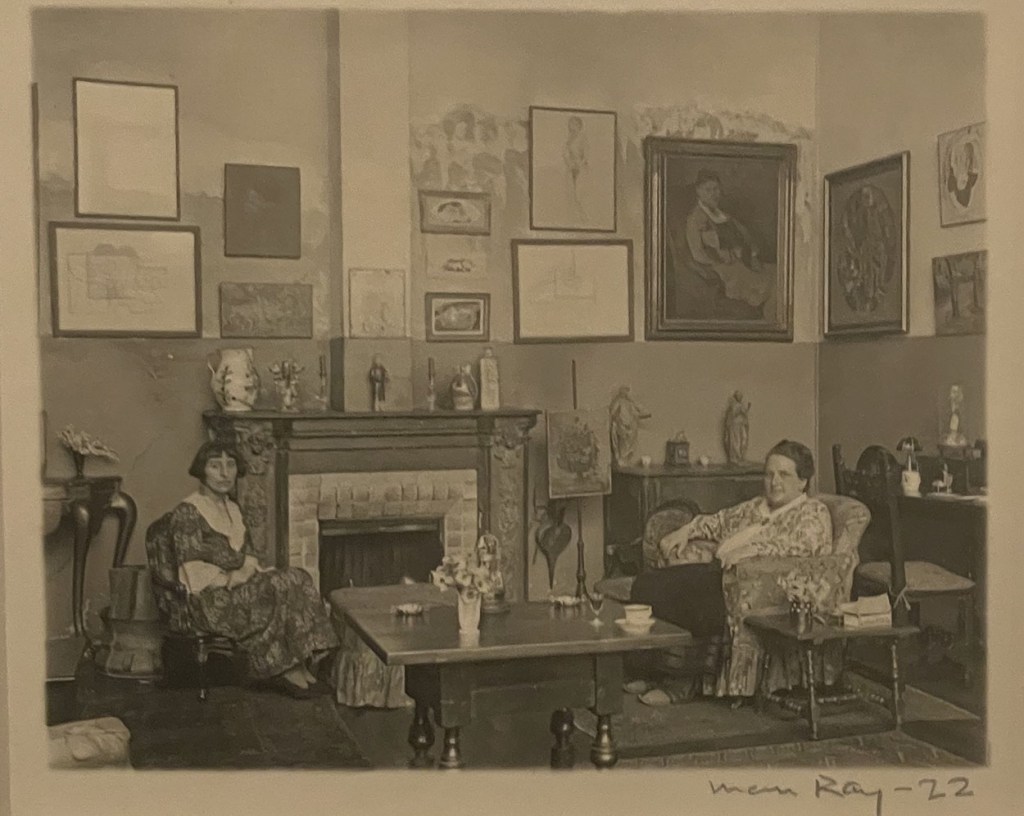
Deborah Levy's novel "My Year in Paris with Gertrude Stein" follows an unnamed narrator who travels to Paris to write an essay about Gertrude Stein, struggling with the weight of Stein's legacy while visiting her grave at Père Lachaise cemetery. The book explores Stein's life as a modernist icon, her relationship with Alice B. Toklas, and her role as a host to figures like Pablo Picasso and Ernest Hemingway, while the narrator grapples with Stein's defiant personality and literary style.

Let’s dress like a Mark Rothko! How gen Z fell for the king of colour field paintings

Mark Rothko, the abstract expressionist known for his color field paintings, is experiencing a cultural resurgence among Generation Z on social media platforms like TikTok and Instagram. Videos inspired by his work amass hundreds of thousands of views, with creators styling outfits based on his canvases, assigning his paintings to personality archetypes, and comparing his palettes to dream pop bands like the Cocteau Twins. The Rothko Chapel in Houston, Texas, has also seen a wave of curious young visitors drawn to the meditative, confrontational experience of his art.

Sex Dreams, Piss Takes, and Fake Trends: A Week in the NY Art World With Domenick Ammirati

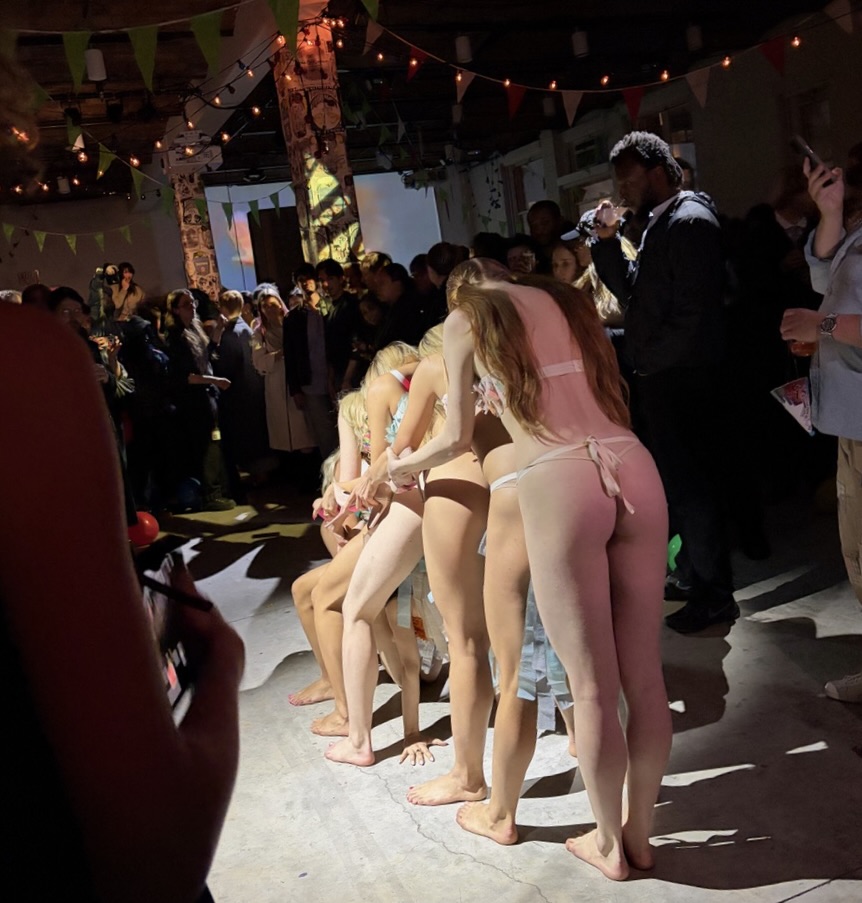
Domenick Ammirati returns to New York after a year-long writing residency in Siena and Provincetown to cover the spring art fairs, including Frieze New York 2026. He observes a notably calm art week, attributing the subdued atmosphere to the fair's proximity to the Venice Biennale, which left key players exhausted. Highlights include a Rei Kawakubo installation at Independent, Gucci's Cruise show in Times Square, and MoMA PS1's 50th anniversary gala, where he mingles with curator Jody Graf and spots Klaus Biesenbach.

Malo Chapuy Reimagines Medieval Art on the Cover of our New Talent Issue

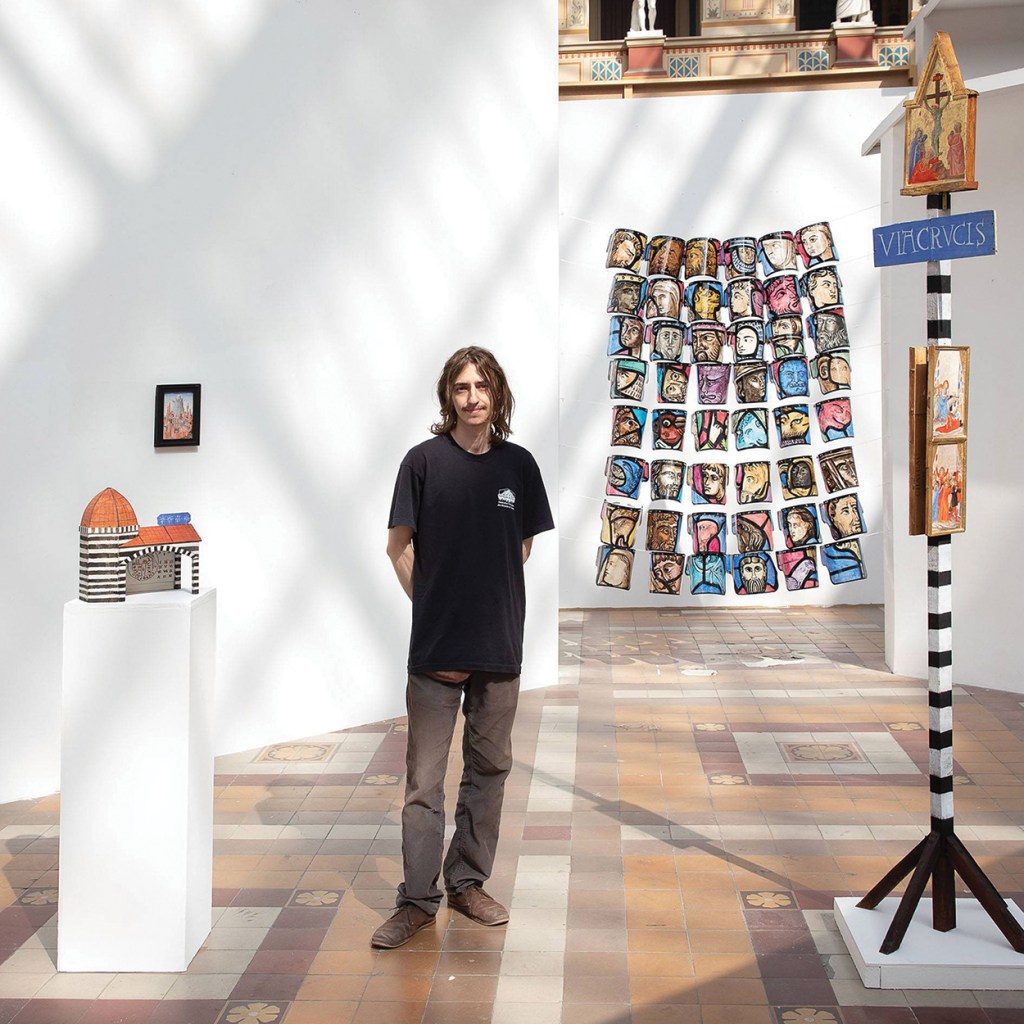
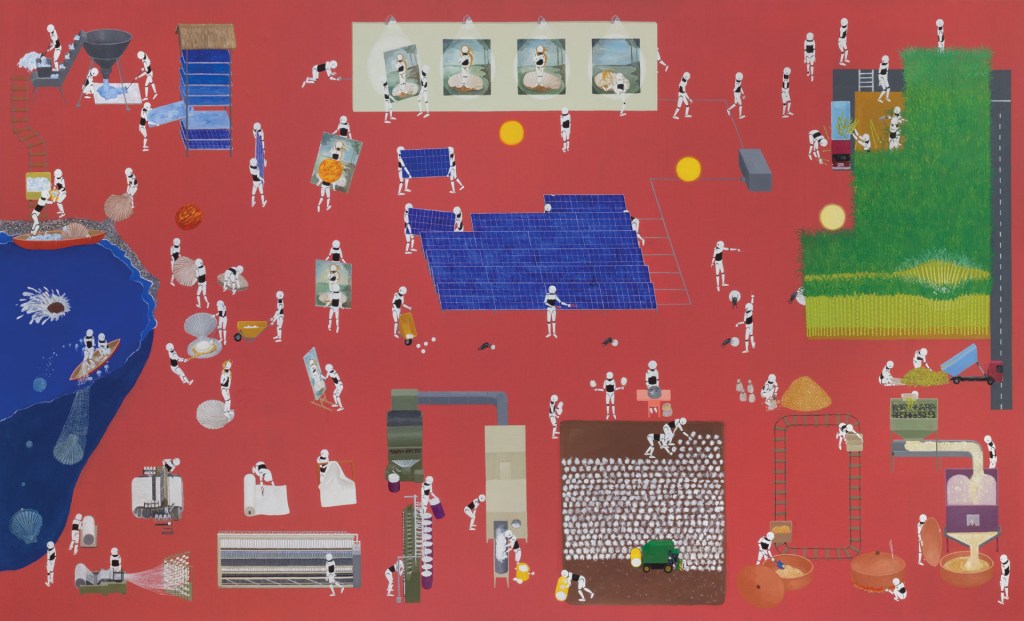
Malo Chapuy's painting *Virgin with Codex* (2025) appears on the cover of Art in America's new talent issue. In an interview from his Paris studio, Chapuy explains how he reinterprets medieval and early Renaissance Flemish painting by mixing its motifs with contemporary and sci-fi elements, such as gothic cathedral spaceships and QR codes designed to function like medieval manuscripts for future postapocalyptic monks. He describes his process as making "forgeries," using traditional techniques like oil on wood panels, homemade lead white, and self-carved frames to mimic aged Old Master works while addressing themes of ecological collapse, apocalyptic anxiety, and planetary exile.

Shoot and branch: new photography book highlights the enduring majesty of trees

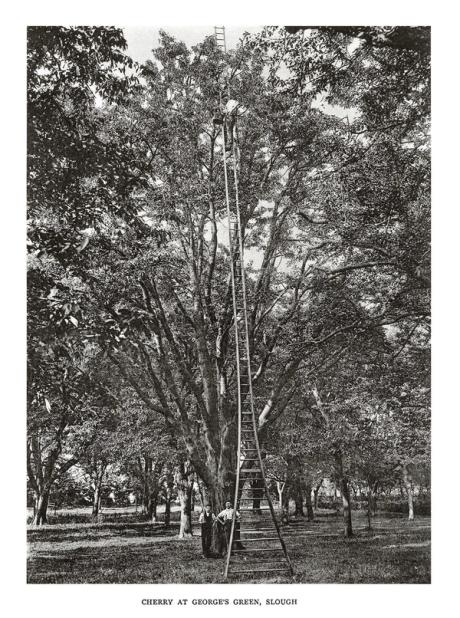
A new photography book, *Trees of Great Britain and Ireland*, reproduces over 60 photographs originally taken between 1906 and 1913 for Henry John Elwes and Augustine Henry's ambitious seven-volume catalogue of tree species. The images, mostly by uncredited photographers, were printed using a collotype process by the Autotype Company and are now newly lithoprinted to preserve their tonal subtlety. The book includes an introduction by Michael Pritchard and notes by photographic historian Björn Andersson, highlighting the historical and aesthetic significance of these botanical photographs.

The Whelm of Massive Group Shows, and My Tender Eyes

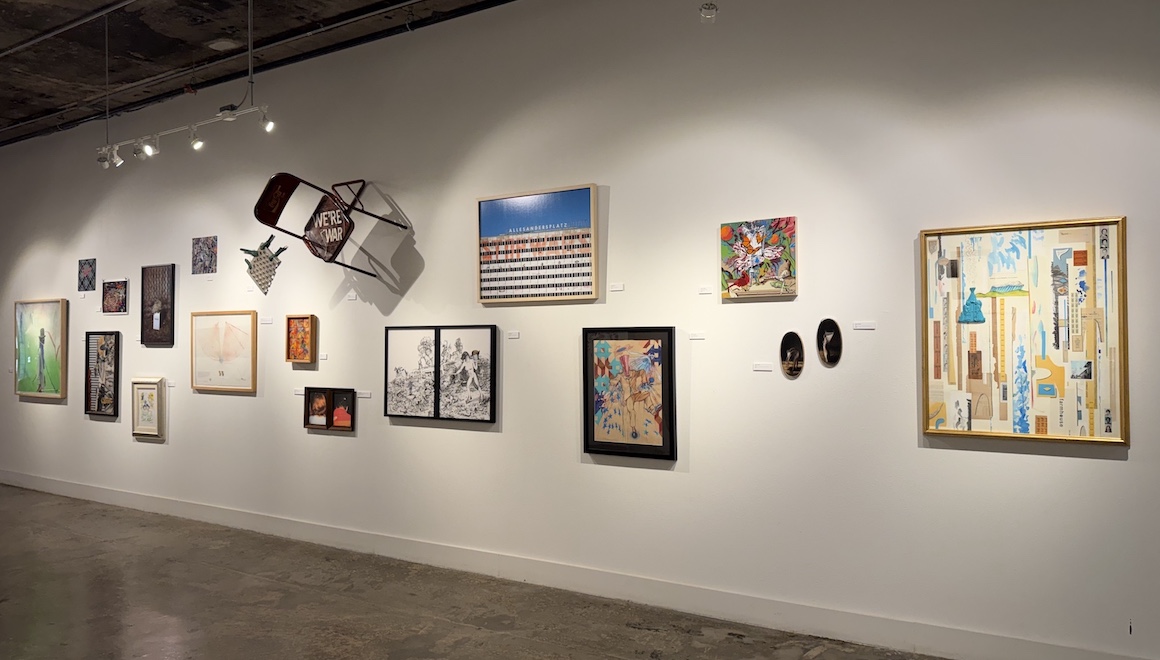
The article reflects on the overwhelming experience of massive group exhibitions, using examples like Lawndale's "The Big Show" (77 artists in 2025), "Hecho en Dallas" (66 artists), and the School of the Art Institute of Chicago's 1999 MFA thesis show (around 150 artists). The author, a gallerist, recounts visiting two recent San Antonio shows—"A Postmodernist Says ¿Que?" at Centro de Artes and "Fan of a Fan 3" at C7 Space—which feature dozens of works hung salon-style, forcing viewers to make choices about where to focus attention.

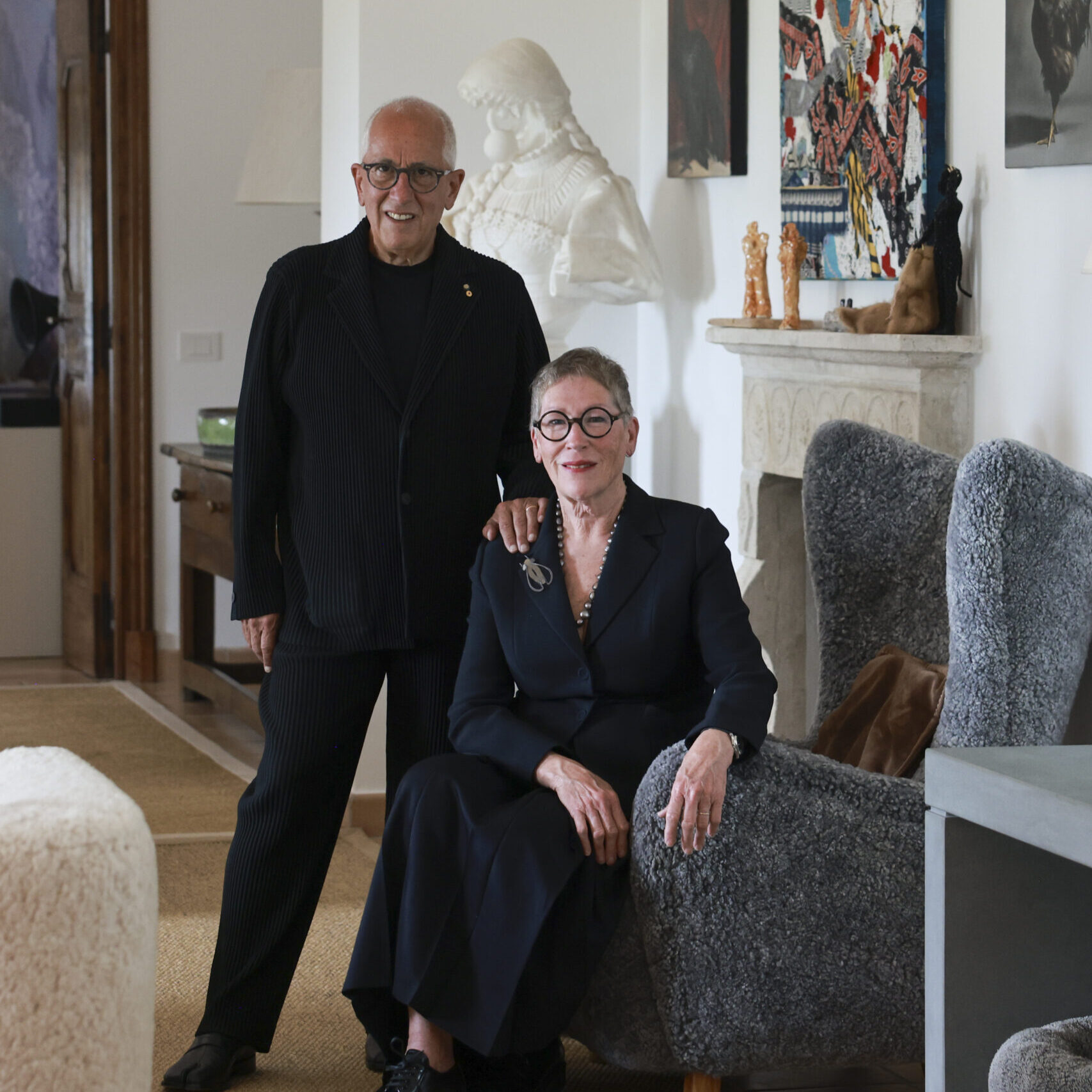
This Family Made Gin on Zoom During Covid. Here’s How It Became an Art World Staple.

During the pandemic, the Mordant family—Simon, Catriona, Brielle, and Angus—began making gin from wild juniper on their Umbria property, splitting operations between Italy, London, and upstate New York. After enrolling in a master gin-making course and refining recipes via Zoom, they entered their creation into the World Gin Awards, earning a triple-gold medal with a score of 97 out of 100. Despite initially producing only 502 bottles not intended for sale, global demand prompted them to scale up commercially, leading to Quattro Gatti becoming the official gin of the Venice Biennale.

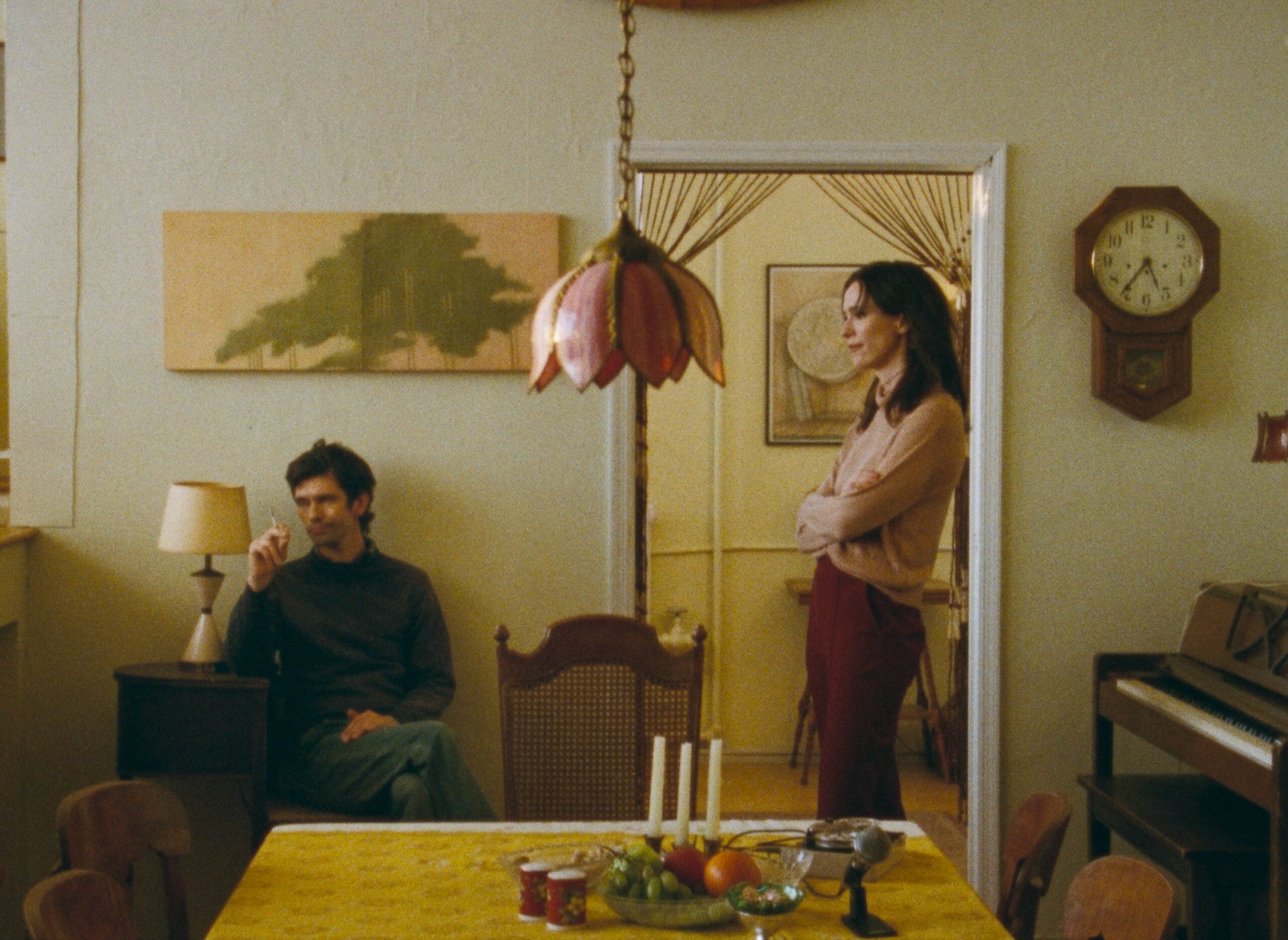
On the MUBI platform arrives the story of the great New York photographer Peter Hujar

Sulla piattaforma Mubi arriva la storia del grande fotografo newyorchese Peter Hujar

MUBI has announced the exclusive streaming release of "Peter Hujar's Day," a film directed by Ira Sachs, set to premiere on May 22. The film is based on a 1974 conversation between photographer Peter Hujar and author Linda Rosenkrantz, and stars Ben Whishaw as Hujar and Rebecca Hall. It reconstructs a single day in Hujar's life, capturing the creative energy and precariousness of 1970s New York, with appearances from figures like Allen Ginsberg and Susan Sontag.

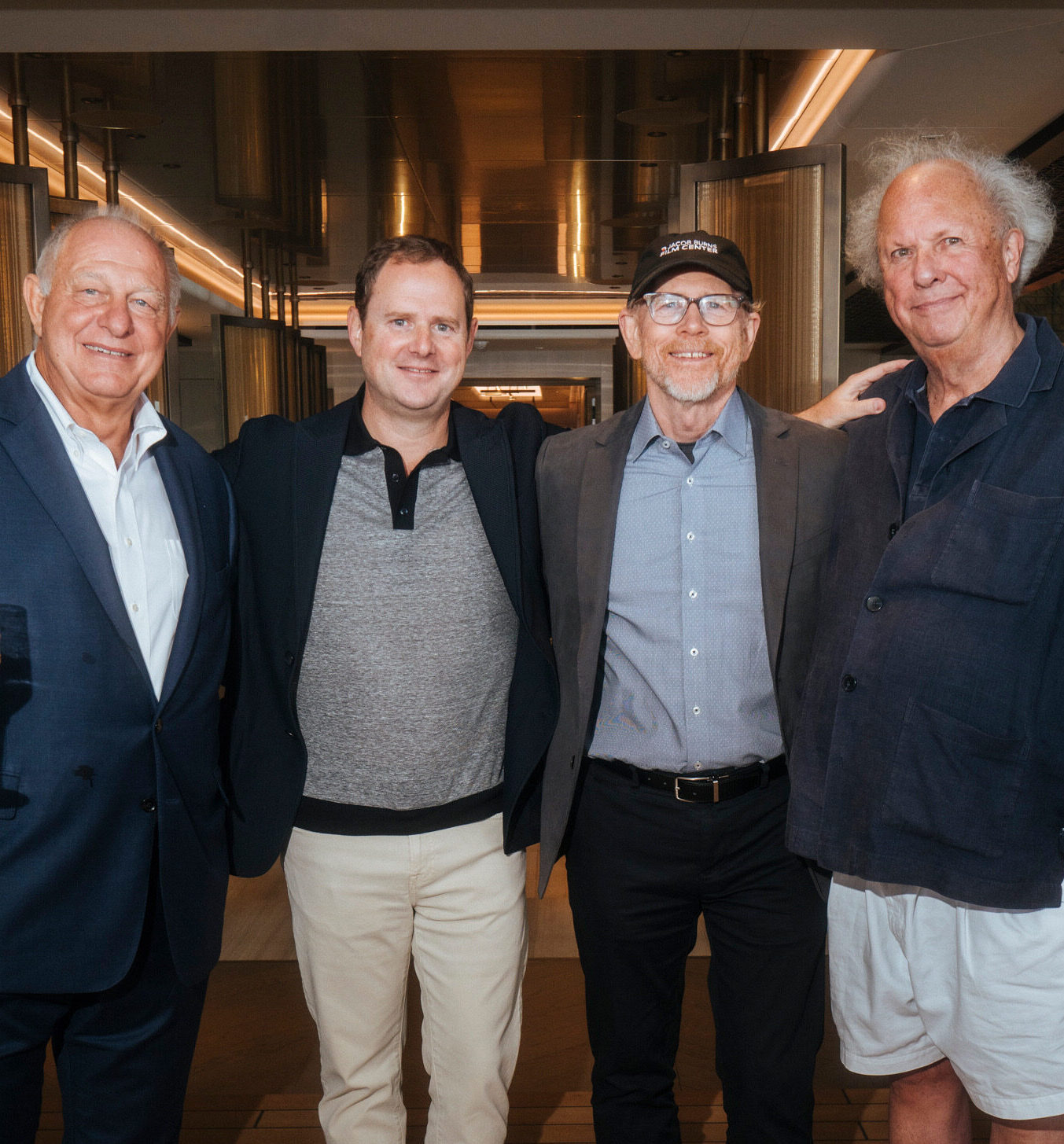
Step Aboard the Superyacht Circling This Year’s Cannes Film Festival

Over the weekend of the Cannes Film Festival, director Ron Howard premiered his documentary *Avedon*, which traces photographer Richard Avedon's rise from a working-class Jewish immigrant background to a defining chronicler of American culture. The film received a second life aboard the Renaissance superyacht with a party hosted by editor Graydon Carter, Ancient chairman and CEO Alexander Klabin, and Burgess chief executive John Beckett. Guests included actors Natasha Lyonne and Rosemarie Dewitt, photographer Jean Pigozzi, model Eddie Mitsou, Avedon's grandchildren Michael, Matthew, and Caroline Avedon, and producers Courtney Kivowitz, Sara Bernstein, Darcie Reisler, Dallas Rexer, Chris St. John, and Justin Wilkes. The after-hours cocktail allowed attendees to relive the film's most impactful scenes while mingling with the producers and the photographer's family.

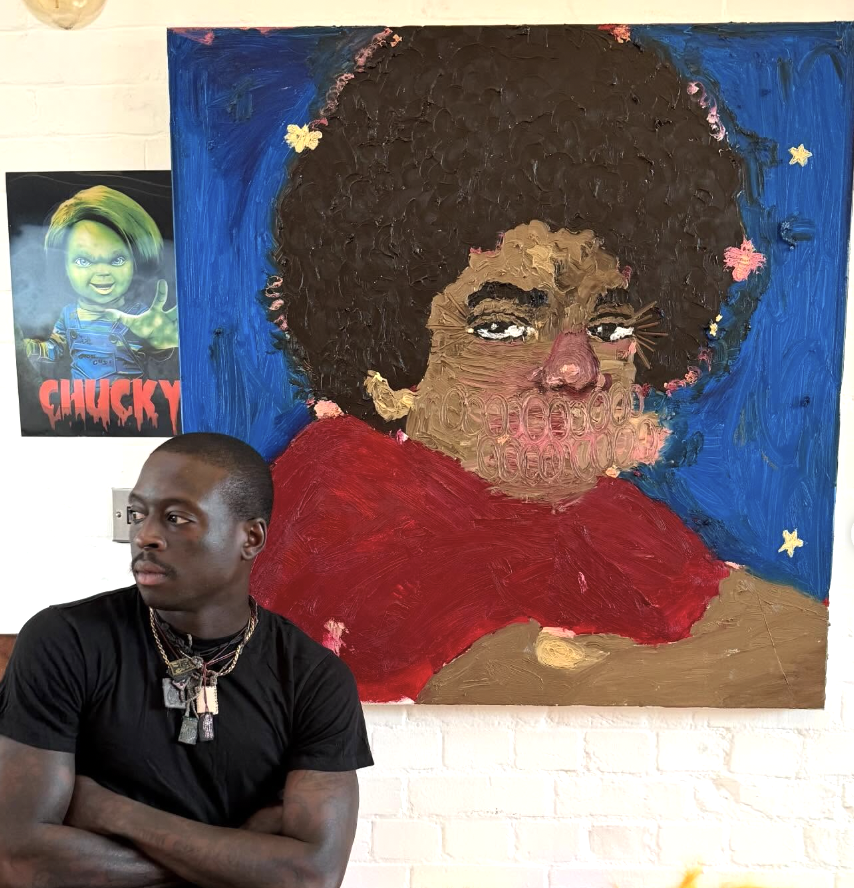
6 Nigerian Gen Z Painting Artists We Should All Recognize By Now

This article profiles six Nigerian Gen Z painting artists who are gaining international recognition for their vibrant, culturally reflective works. The featured artists include Anthony Azekwoh, known for blending classical and digital styles; Olaolu Slawn, a former skateboarder turned graffiti-style artist with collaborations like Rolex and Formula 1; Chigozie Obi, whose multidimensional art explores activism and mental health; Ayanfe Olarinde, a self-taught multidisciplinary artist; Adeoluwa Oluwajoba, a mixed-media artist and curator; and Meju Lawrence, known for colorful, animated pieces displayed in notable galleries.

Aging more slowly thanks to museums? Science confirms it

Vieillir moins vite grâce aux musées ? La science le confirme

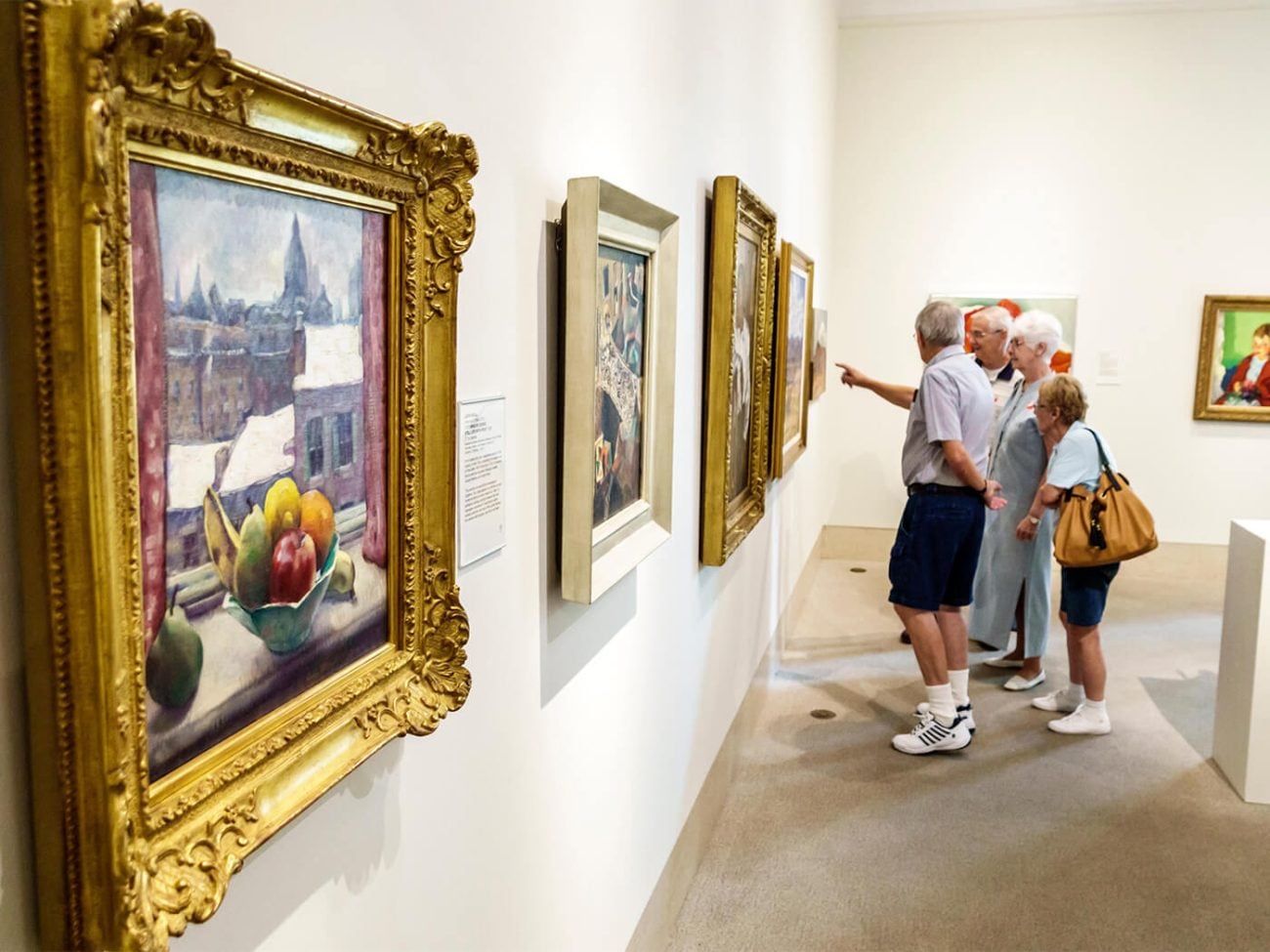
A study published on May 11 in Innovation in Aging by University College London analyzed data from 3,556 adults in the UK, measuring their cultural engagement against biological age using epigenetic clocks. Researchers found that those who visit museums, exhibitions, concerts, or libraries at least once a week age approximately 4% more slowly than those who rarely participate. Even three cultural outings per year correlate with a 2% slowdown in biological aging, with monthly visits yielding a 3% effect—comparable to the benefits of physical exercise.