filter_list Showing 9 results for "Memory" close Clear
search
dashboard All 442 museum exhibitions 359article local 22article culture 21person people 9rate_review review 8article news 7candle obituary 6article policy 4gavel restitution 3trending_up market 3
date_range Range Today This Week This Month All
Subscribe

The Essential Works of Yin Xiuzhen

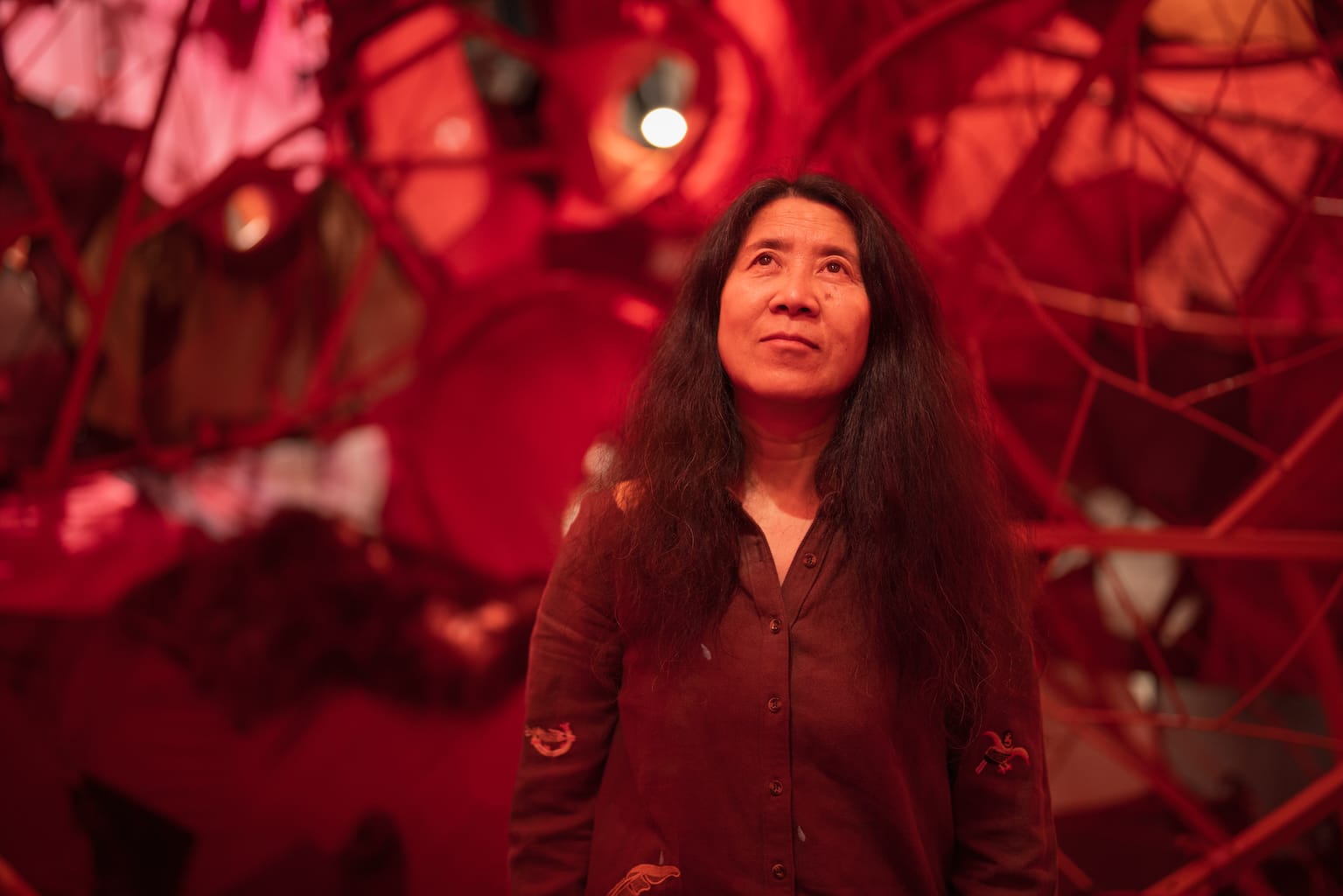
ArtAsiaPacific published a profile of Chinese artist Yin Xiuzhen, born in 1963 in Beijing, highlighting her career as a pivotal figure in Chinese contemporary art since the 1990s. The article revisits milestone works following the closing of her solo exhibition "Yin Xiuzhen: Heart to Heart" at London's Hayward Gallery, including early pieces like *Dress Box* (1995) and *Washing River* (1995). Yin emerged alongside the second wave of Chinese contemporary artists, including Yu Hong, Song Yonghong, Wang Jinsong, and her husband Song Dong, and was an early practitioner of what art historian Gao Minglu termed "Apartment Art." Her practice uses discarded clothing, household ephemera, and industrial materials to address urbanization, globalization, environmental crisis, and collective memory.

« Les artistes sont des fous, des enfants » : rencontre avec Annette Messager au cœur du bric-à-brac poétique de son atelier

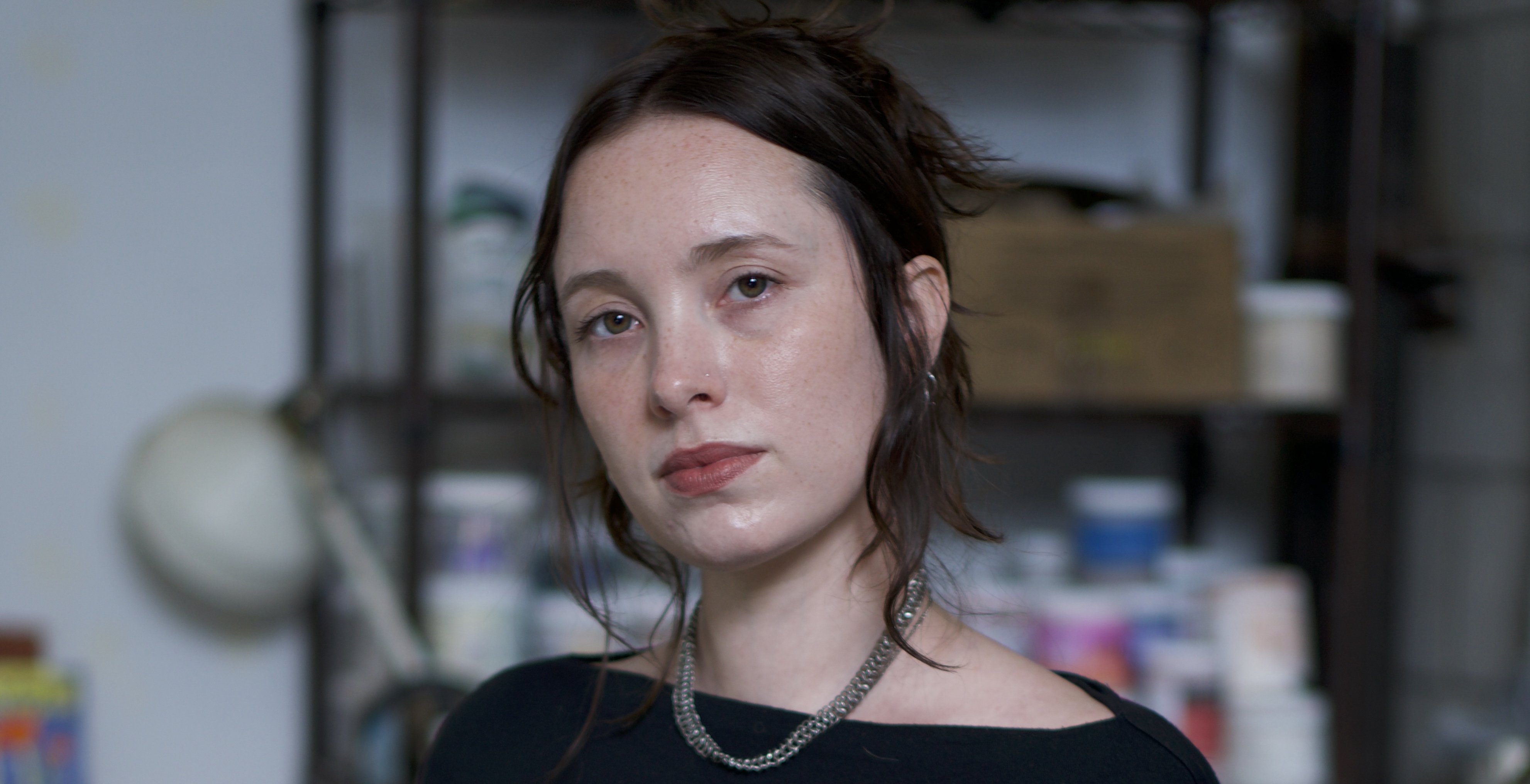
French artist Annette Messager, 82, welcomes Beaux Arts Magazine into her Malakoff studio and home ahead of her exhibition at the Musée de la Chasse et de la Nature in Paris. The studio is a chaotic, poetic bric-à-brac filled with hybrid creatures, stuffed toys, anatomical objects, and textile works, including her iconic piece "Les Piques" (1992–1993). Messager, who won the Golden Lion at the Venice Biennale in 2005, discusses her playful yet serious approach to art, describing artists as "mad, like children" who play constantly, sometimes very seriously. Her upcoming shows include presentations at Centre Pompidou Málaga, Galería Albarrán Bourdais in Madrid, the National Taiwan Museum of Fine Arts, and the Kunsthalle Prague.

Maddy Inez’s Mystic Ceramics Tell the Hidden Stories of Ancestral Plants

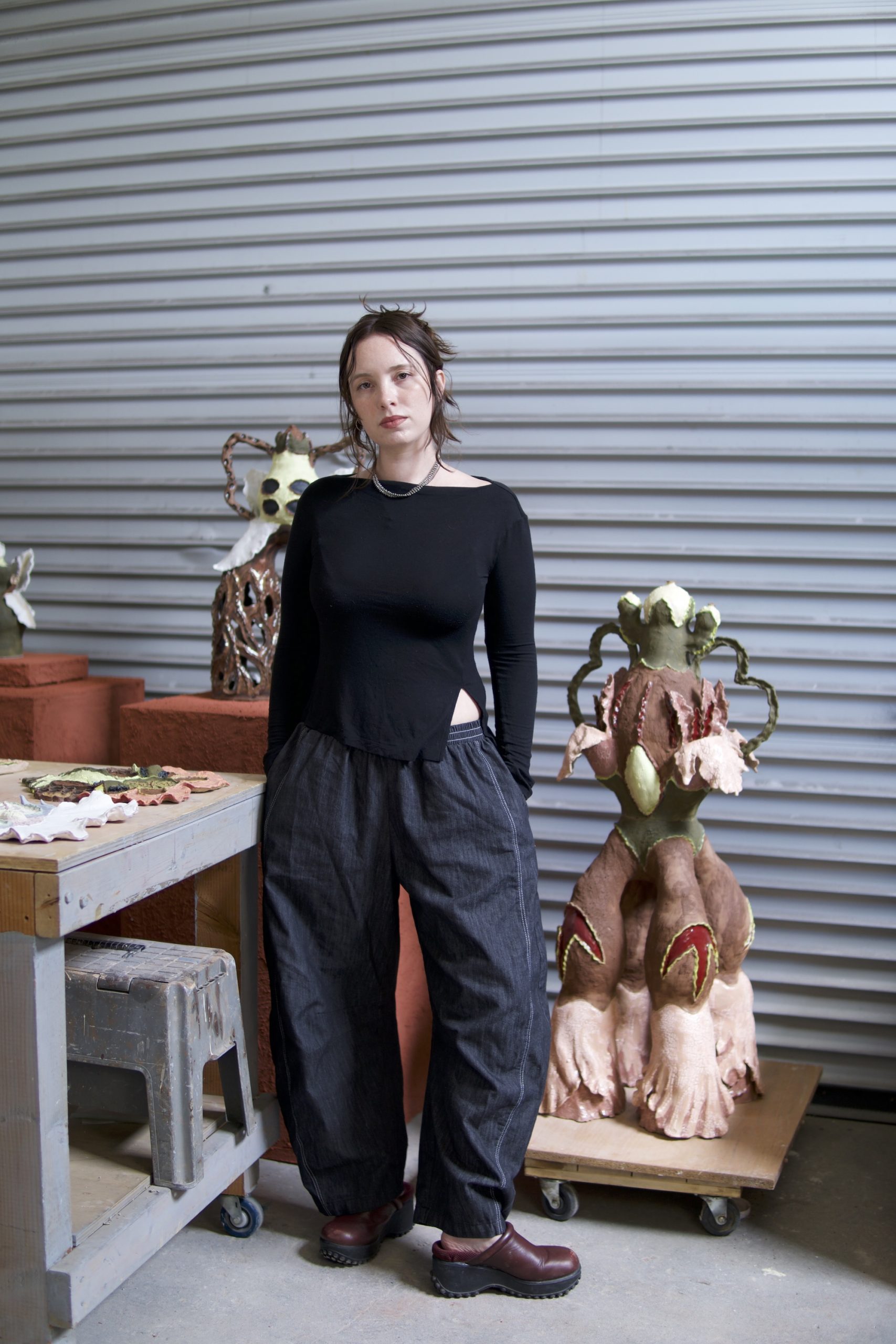
Ceramist Maddy Inez, daughter of artist Alison Saar and granddaughter of assemblage pioneer Betye Saar, creates hand-built biomorphic ceramic sculptures inspired by mysticism and ancestral knowledge. Her works have recently grown in scale, reflecting a deepening exploration of hidden stories tied to ancestral plants.

Discover the Mapplethorpe Snapshot of Peter Berlin Hiding in This São Paulo Gallerist’s Bedroom

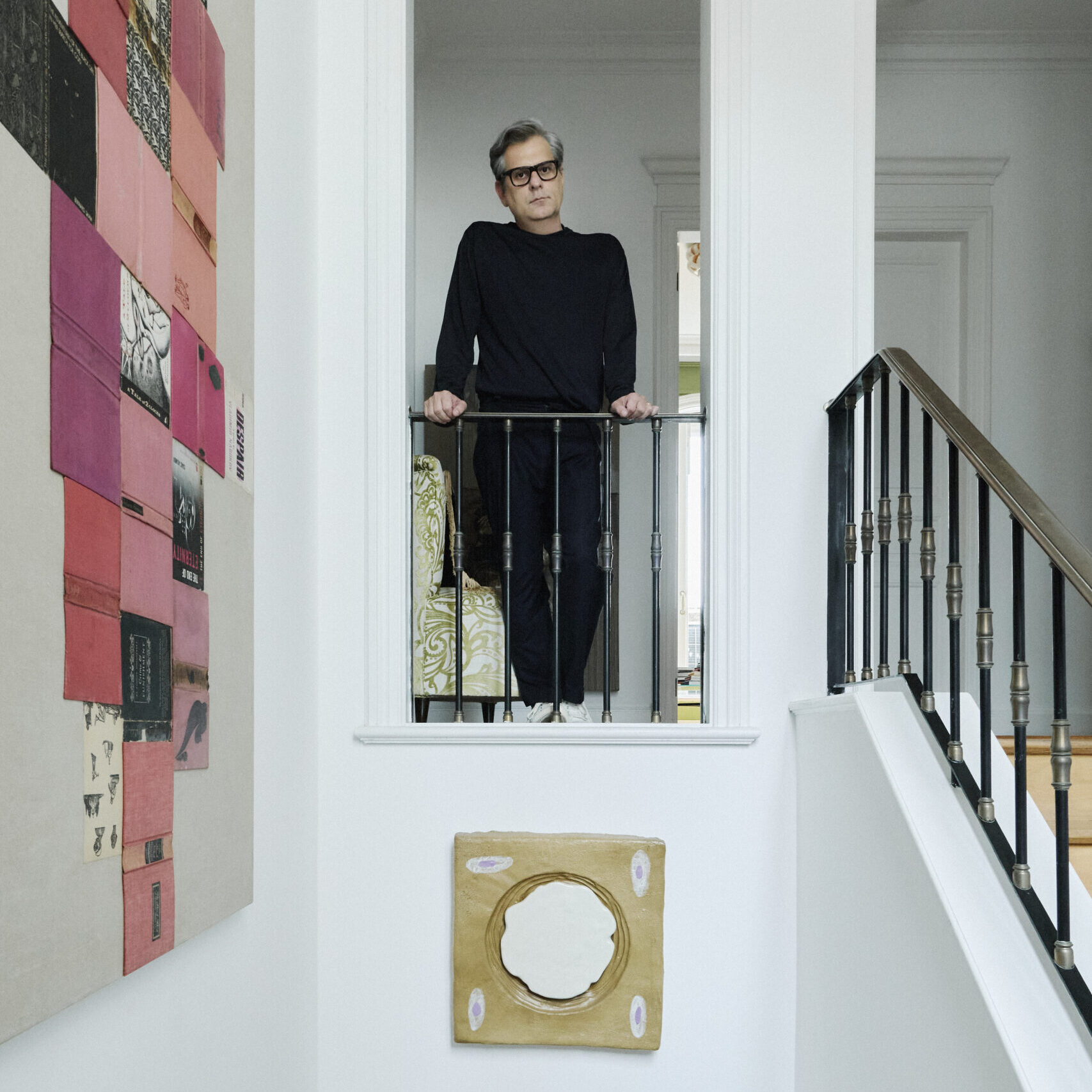
Alexandre Gabriel, a partner at São Paulo gallery Fortes D’Aloia & Gabriel, opens his home in the Praça da República neighborhood to reveal his personal art collection, which includes works by friends and a Robert Mapplethorpe photograph of Peter Berlin (1976). Gabriel describes how his collection began with gifts from artist friends he met while interning at a film production company in 1996, including Ivens Machado, Luiz Zerbini, Barrão, and Ernesto Neto, and emphasizes that his collection is strictly personal, guided by love and memory rather than market trends.

BLANCA DE LA TORRE Y EL “MUSEO ANFIBIO”: “A MÍ ME INTERESA EL PÚBLICO, NO NECESARIAMENTE LAS MASAS”

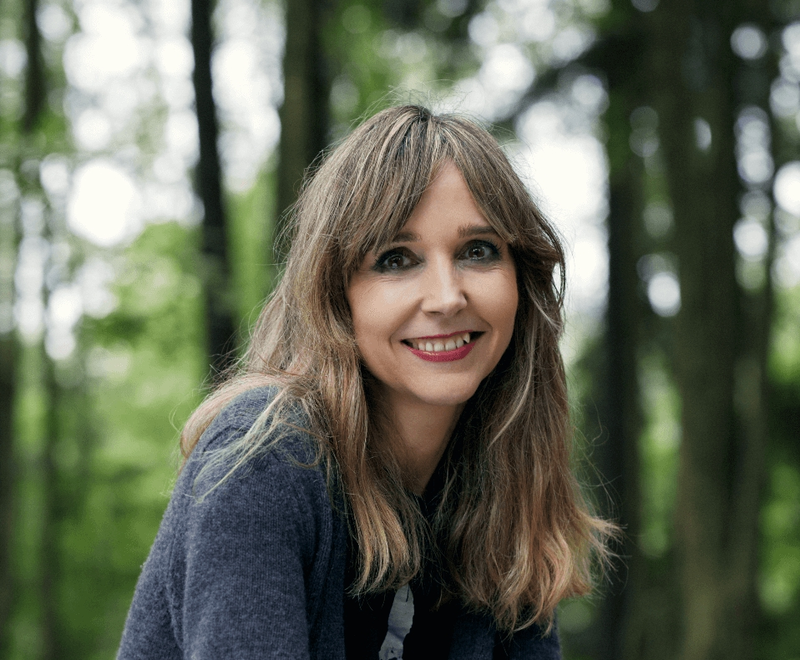
Blanca de la Torre, director of the Institut Valencià d’Art Modern (IVAM), discusses her concept of the "Museo Anfibio" (Amphibious Museum) in an interview for Artishock Revista's series on Ibero-American museum leaders. She proposes reimagining the museum as a relational institution that mediates between physical and symbolic territories, communities, and ecosystems, structured around two axes: Territories-Earth and Aquatic Environments. The interview is part of a series leading up to International Museum Day, with previous entries including Nicolás Gómez Echeverri of the Banco de la República de Colombia.

Minor Keys and Major Silences: Yoshiko Shimada and the Art of Outrage

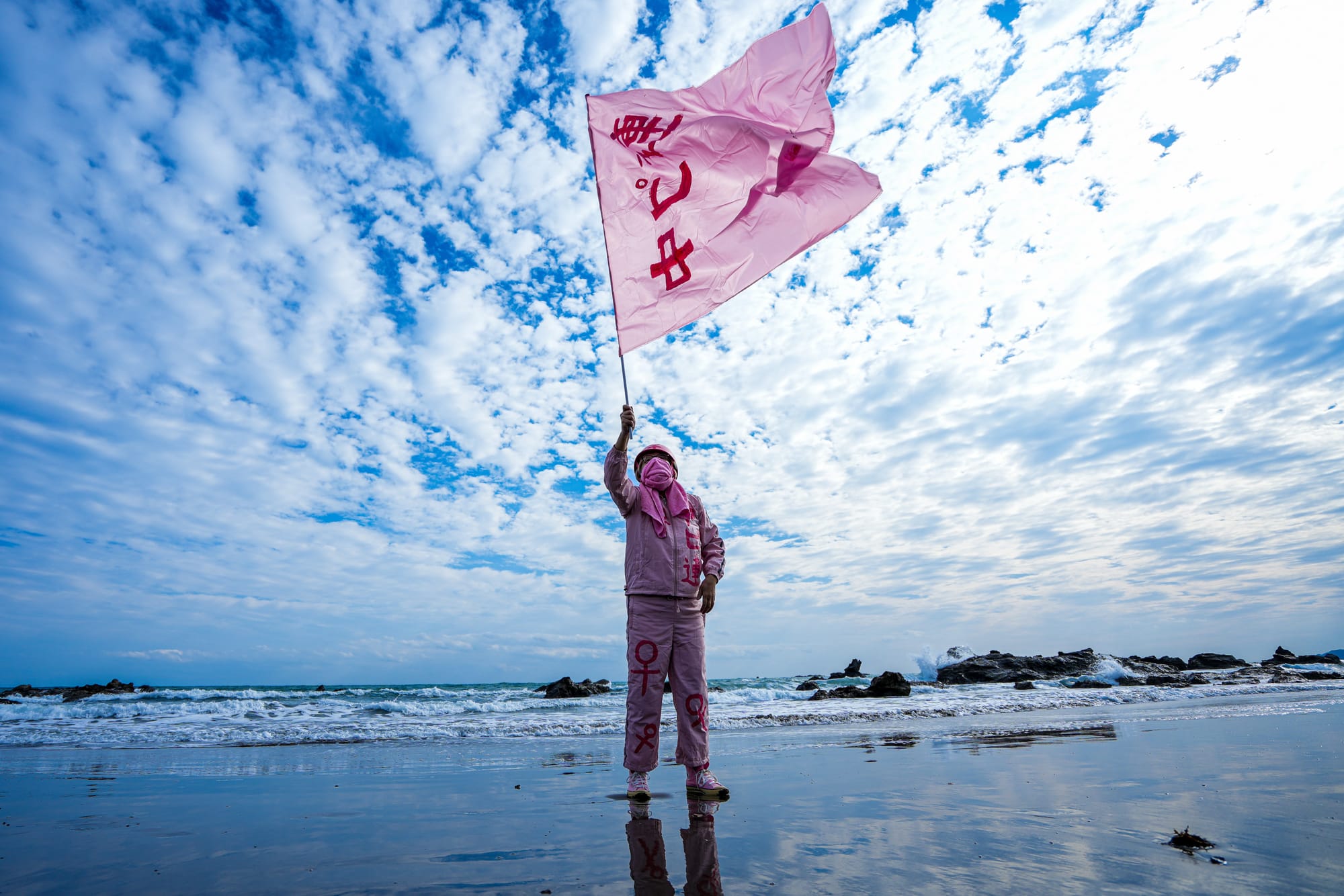
Yoshiko Shimada, a Japanese feminist and antiwar artist, is featured in a conversation with ArtAsiaPacific ahead of her inclusion in the 2026 Venice Biennale, curated by Koyo Kouoh under the theme "In Minor Keys." The article explores Shimada's decades-long practice of excavating the gendered scars of Japanese imperialism, focusing on her collaborative work with BuBu de la Madeleine, which uses drag and irony to critique imperial frameworks and the erasure of wartime atrocities. It also highlights her revival of the Chū-pi-ren movement, a 1970s feminist group that fought for abortion rights and access to birth control, arguing that their legacy remains urgent in 2026 given Japan's slow progress on women's bodily autonomy.

Maddy Inez talks to Phillip Edward Spradley

Maddy Inez, a Los Angeles-based ceramic artist, discusses her practice in an interview with Phillip Edward Spradley. Her work draws on California's natural environment and histories of displacement, using ceramics to explore maternal lineage, oral history, and plant-based knowledge. A key inspiration is a midwifery certificate belonging to her great-great-great grandmother from the era of enslavement. Inez's upcoming solo exhibition at Megan Mulrooney opens May 16, 2026.

Monuments in Motion

Denkmäler in Bewegung

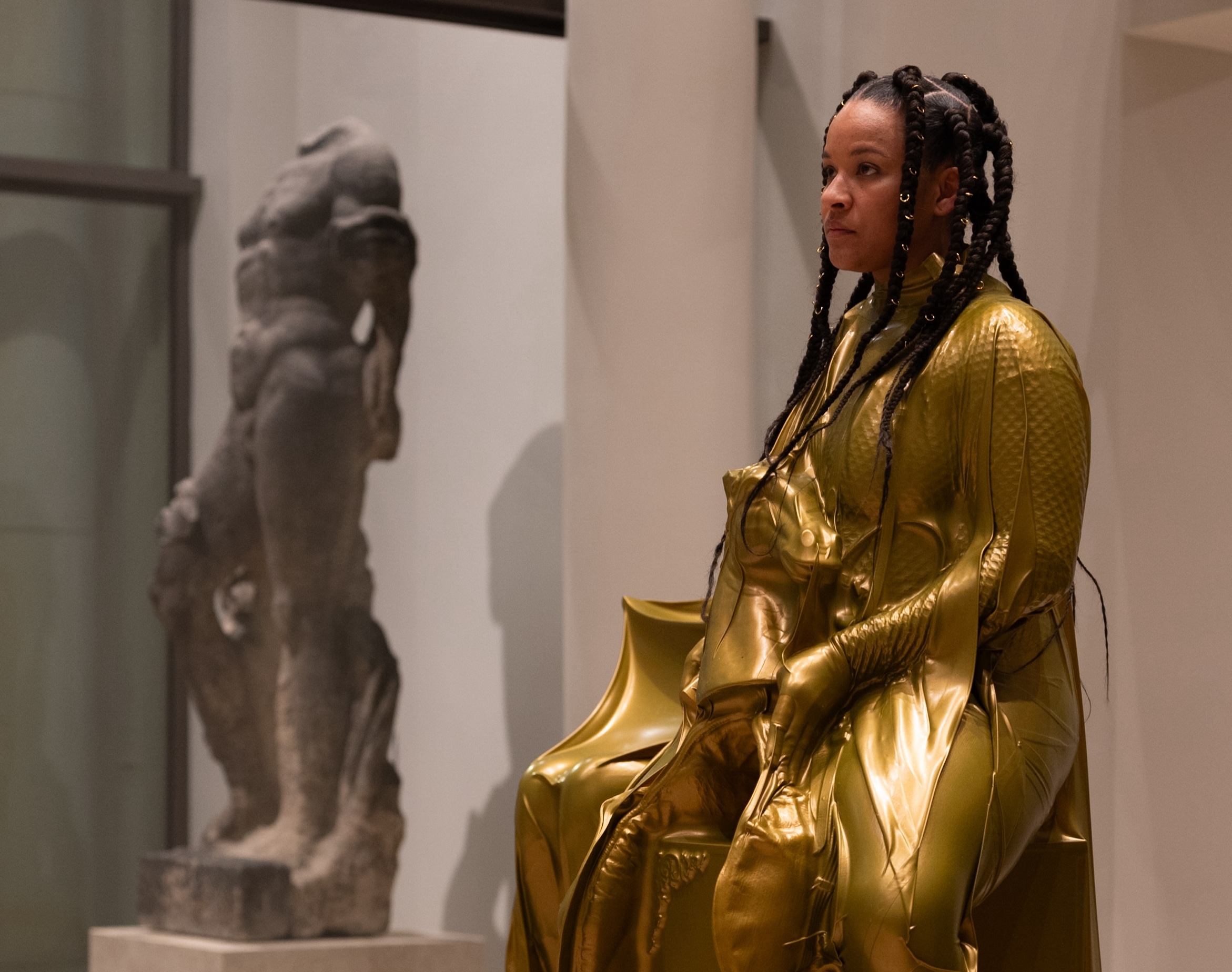
Berlin-based artist Sarah Ama Duah, who transitioned from fashion to sculpture, creates works that explore Afro-German memory culture. Her practice includes beeswax portraits, found objects like Delft porcelain and baroque vases, and performances at venues such as the Humboldt Forum. In 2025, she received the Wolfram Beck Prize for Sculpture. Duah's early fashion work, including silicone garments shown at the Fashionclash Festival in Maastricht, evolved into sculptural investigations of clothing, body, and space, leading her to study performance and sculpture at the Berlin University of the Arts under Jimmy Robert.

Hyeree Ro: What Bears

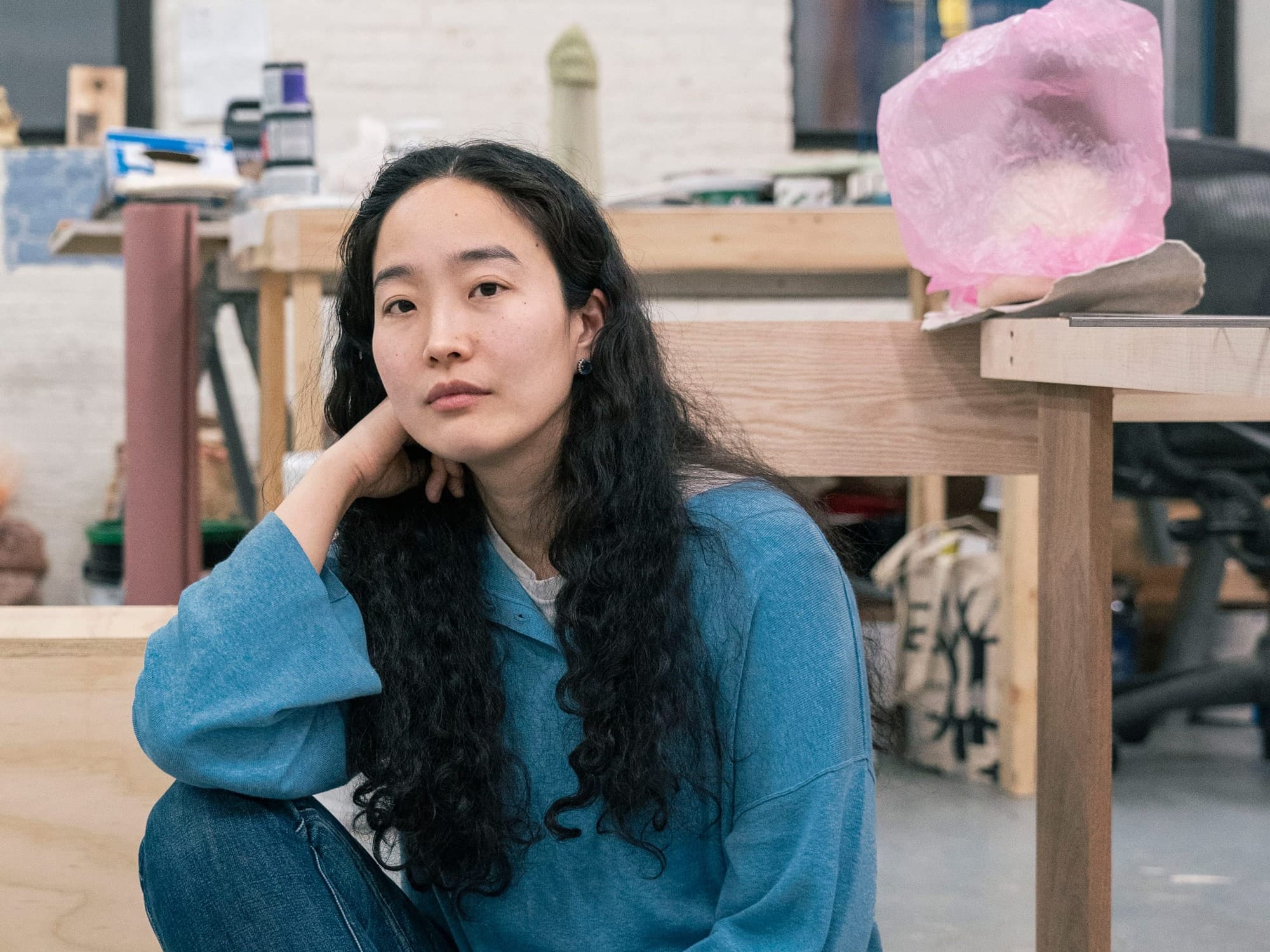
Hyeree Ro is preparing for the 2026 Venice Biennale, where she will present the work "Bearing (2026)" as part of the Korean Pavilion, titled "Liberation Space: Fortress/Nest." The article follows Ro in her temporary Brooklyn studio, where she works with salvaged objects and materials that migrate across multiple works over years—such as a sheet of organza purchased in 2023 that later appeared in "Niro (2024)" and "Carry (2025)" before being repurposed as the pavilion's fabric walls. Her practice is defined by a nomadic, accumulative material logic: objects enter without a fixed destination and gain meaning through repeated reuse.