filter_list Showing 20 results for "Memory" close Clear
search
dashboard All 428 museum exhibitions 344article local 24article culture 20person people 9rate_review review 8article news 7candle obituary 6article policy 4gavel restitution 3trending_up market 3
date_range Range Today This Week This Month All
Subscribe

On Paranoid Time

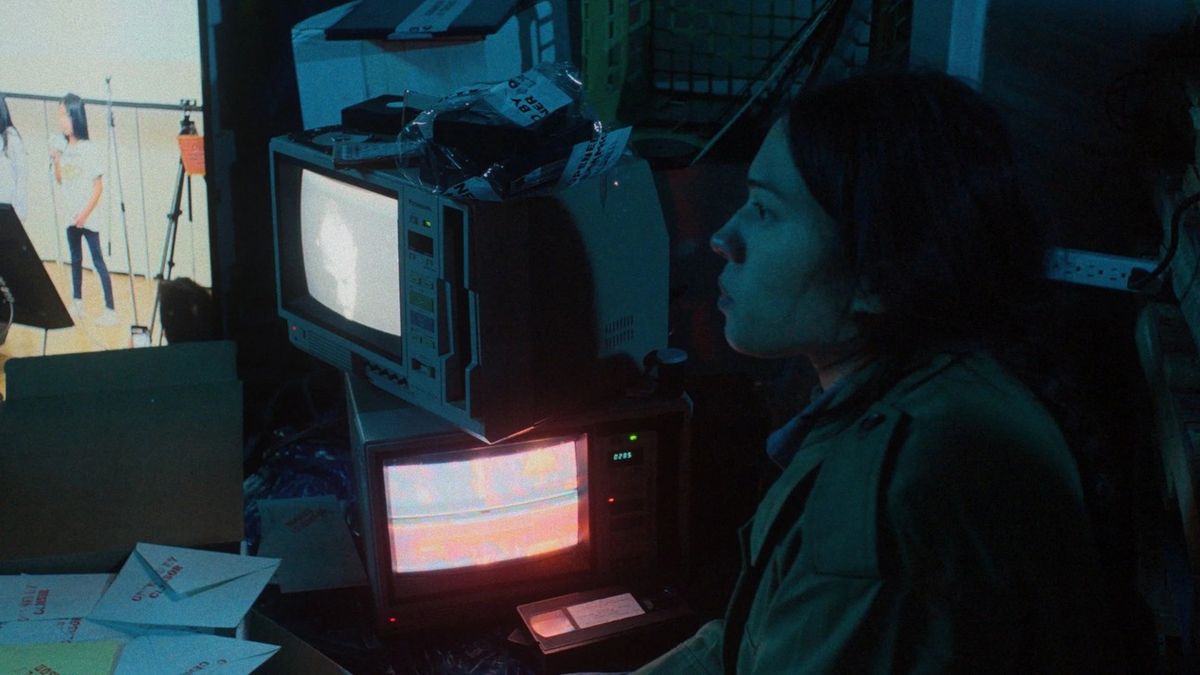
Film Notes has published Qingyuan Deng's essay exploring the intersection of Lacan's concept of retroactive meaning and Eve Kosofsky Sedgwick's distinction between paranoid and reparative reading, as applied to recent artists' films and moving-image installations. The essay examines how works like Alison Nguyen's installation "Perforation, Ellipse" at New York's Storefront for Art and Architecture use cinematic techniques—such as perforations, splices, and missing scenes—to hold the temporal gap between an event and its belated political comprehension, focusing on the censorship of Vietnamese bolero songs after the American War.
Sift Through the Hundreds of Pacifiers, Graphic Tees, and Spoons in This NYC Couple’s Collection

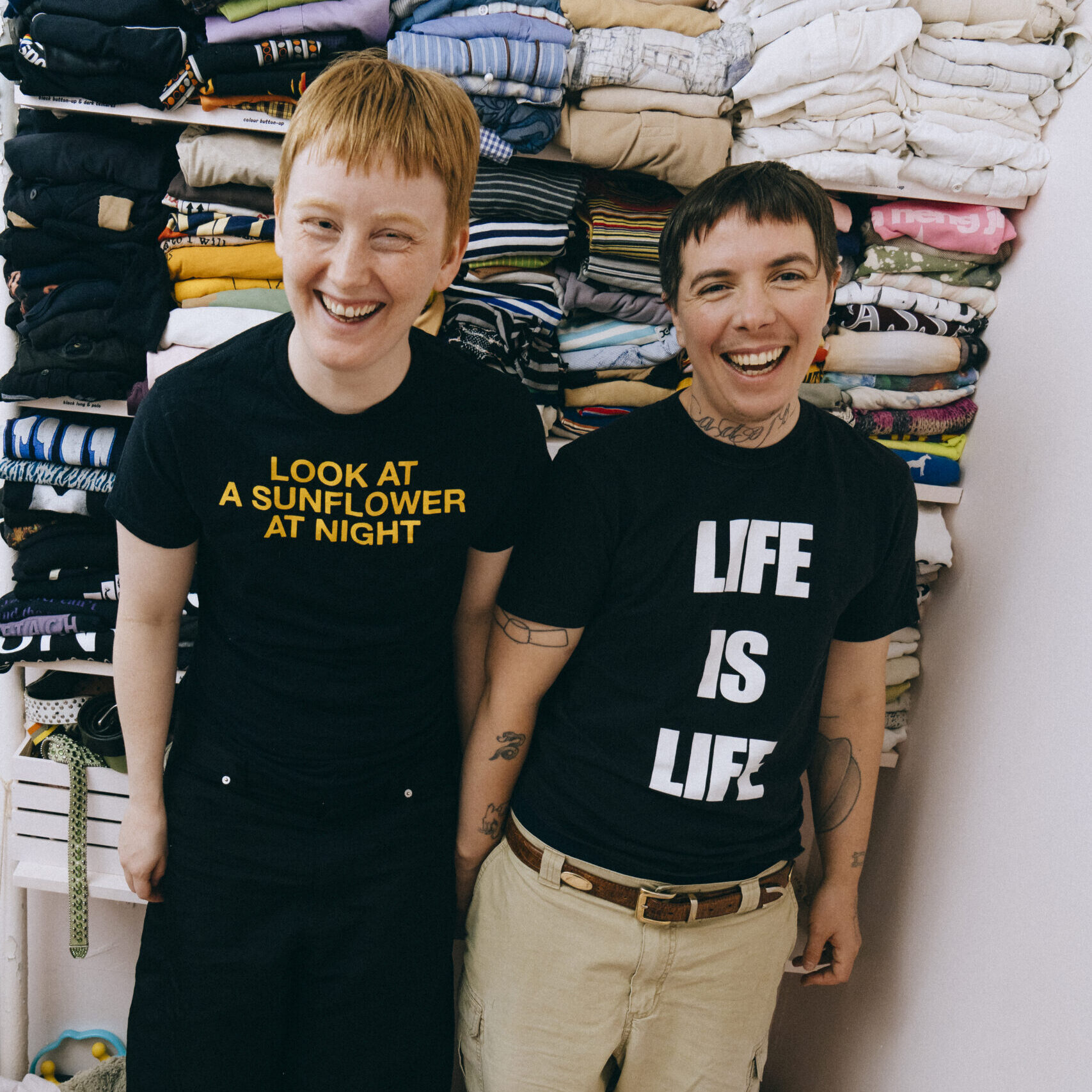
Multidisciplinary artists Bobbi Salvör Menuez and quori theodor, a couple living in New York City, have built an extensive collection of everyday objects including T-shirts, cassette tapes, spoons, pacifiers, and playing cards sourced from sidewalks, thrift stores, and shoot sets. Their collecting practice is intuitive and deeply personal, driven by nostalgia, childhood memories, and their bond with each other, treating each object as a talisman or treasure rather than a financial investment.

Isabel Nolan’s Work Challenges Everything We Think We Know About Creativity

Artist Isabel Nolan recently discovered she has aphantasia, a rare neurological condition that prevents her from visualizing mental images. Despite this, Nolan has built a successful career creating abstract sculptures, drawings, and tapestries, and her work is featured in the Irish Pavilion at the Venice Biennale. Her exhibition, "Dreamshook," explores themes of imagination versus reality and draws inspiration from late medieval history and the printer Aldo Manuzio.

A brush with... Andrew Cranston—podcast

This episode of 'A brush with...' podcast features Scottish painter Andrew Cranston, born in 1969 in Hawick. Cranston discusses how his work draws on personal experiences—childhood memories, family recollections, and recent rituals—filtered through the painting process. His pictures are rich with references to art history, cinema, poetry, and television, and he often paints on the covers of old hardback books. The conversation covers his influences (Pieter Bruegel the Elder, Paul Klee, Pierre Bonnard, Winifred Nicholson, writers Hugh MacDiarmid and Elizabeth Bishop, filmmakers Nicholas Roeg and Dennis Potter), his studio life, and his answer to 'what is art for?' The episode is sponsored by Bloomberg Connects.

Sur Arte Radio et dans une expo, l’enquête d’Adrianna Wallis sur les traces de sa grand-mère peintre spoliée par les nazis

Artist Adrianna Wallis (born 1981) discovers that her paternal grandmother, painter Diane Esmond (1910–1981), was a victim of Nazi looting during World War II. After being contacted by historians Patricia Helletzgruber and Sophie Juliard, Wallis learns that much of Esmond's work was systematically destroyed by the ERR, the Nazi organization responsible for art theft in occupied countries. This revelation sparks a personal investigation that becomes a podcast for Arte Radio titled "Il restera la gravité," blending documentary, autobiographical inquiry, and sound installation. Wallis delves into archives, examining microfilms and lists that detail 46 of Esmond's paintings—each methodically described and declared destroyed, such as "Woman in blue evening dress: annihilated."

Vanités contemporaines

The article explores the enduring relevance of still life and vanitas in contemporary art, tracing their evolution from the biblical proclamation "Vanity of vanities; all is vanity" through modern masters like Paul Cézanne, Pablo Picasso, and Giorgio Morandi to contemporary practitioners such as Claudio Parmiggiani. It highlights how artists continue to use everyday objects—compotes, skulls, pitchers, apples—as vehicles for formal experimentation and philosophical reflection, with still life serving as a minimalist device that allows infinite plastic research.

Mummy, is this a video game? The dangers of showing kids art on a screen

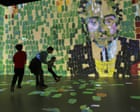
A parent takes their toddler to Frameless, an immersive digital art experience in London, where works by Hieronymus Bosch, Claude Monet, and Georges Seurat are projected onto walls, ceilings, and floors. The child reacts with mixed engagement—enjoying some moments but feeling overwhelmed by the frenetic, screen-based environment—while the author reflects on the tension between traditional static art and animated digital reproductions.

GEORGE FEBRES: TRADUCCIÓN, IRONÍA Y LIBERACIÓN. UN ARTISTA ECUATORIANO EN LA DIÁSPORA

George Febres (Guayaquil, 1943 – New Orleans, 1996) was an Ecuadorian artist whose work blended pop art, neo-surrealism, and Southern U.S. culture, shaped by his experience as a migrant and queer individual. The article traces his life from a privileged but unstable childhood in Ecuador to his migration to the United States, where he was drafted during the Vietnam War and eventually settled in New Orleans. Febres used bilingualism and ironic appropriation of tropical imagery to create a hybrid, irreverent body of work that challenges the official historiography of Ecuadorian art.

‘It’s about processing’: the artist who spent three months recreating the most poignant moments with her ex

Photographer Diana Markosian has created a new project titled "Replaced," in which she spent three months recreating intimate moments from her past relationship with an ex-partner. To document the experience of falling in and out of love, she hired an actor to play her ex and traveled with him to locations they once visited together, including Miami, Paris, Naples, Capri, and Nice. The series blurs documentary and fiction, using staged reenactments to process grief, heartbreak, and healing.

7 Artists Discuss the Power and Urgency of Textiles

Louisiana Channel has released a new film titled "7 Artists on Soft Sculptures," featuring artists Sheila Hicks, Nick Cave, Shoplifter, and Kaarina Kaikkonen, among others. The film explores the tactile and emotional power of textiles in contemporary art, with each artist discussing their unique approach—from Hicks's call for softness in a hard world to Cave's use of found objects in identity-masking suits, Shoplifter's vibrant synthetic hair installations, and Kaikkonen's deeply personal incorporation of her late father's clothing.

A View From the Easel

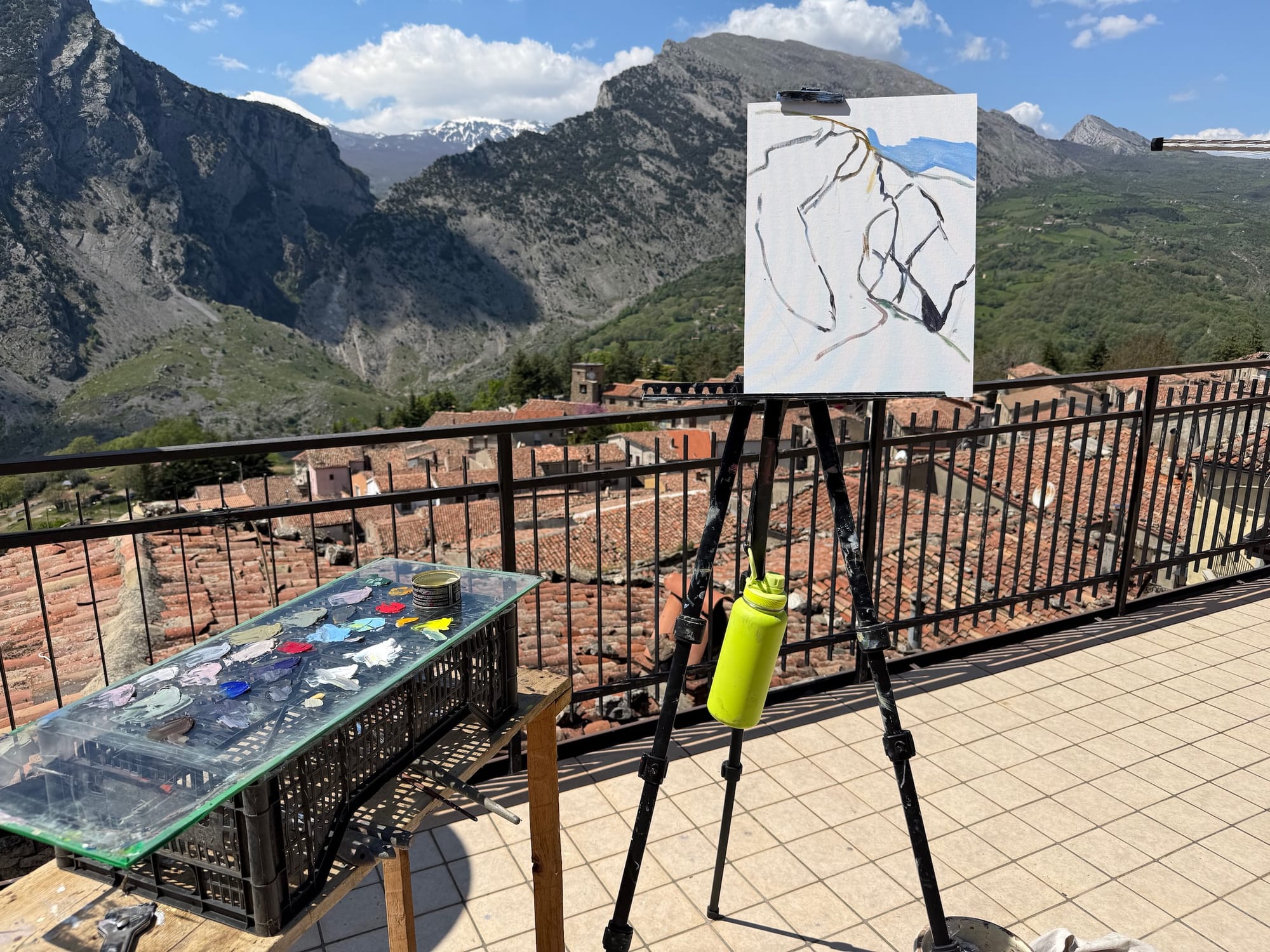
Brenda Zlamany returns to her ancestral village near Pollino National Park in Italy, where she paints in a converted sausage factory and grows her own olives. The 336th installment of Hyperallergic's 'A View From the Easel' series profiles her studio life in a remote, car-free village that her grandfather left as a cobbler 100 years ago.

List of small Italian museums dedicated to writing. Among diaries, typewriters and memories

Lista dei piccoli musei d’Italia dedicati alla scrittura. Tra diari, macchine da scrivere e memorie

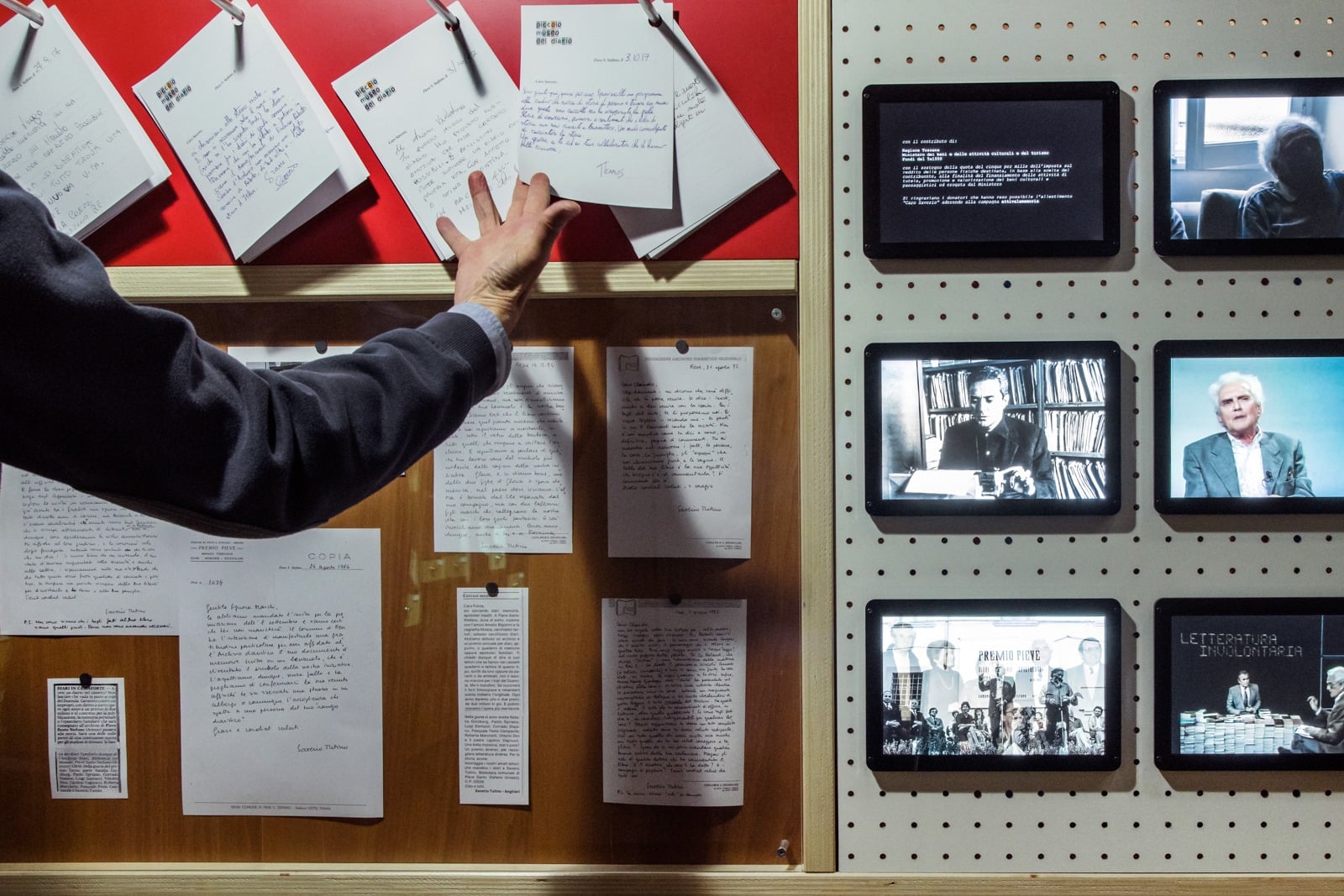
The article highlights the phenomenon of cultural overbooking, where major museums like the Louvre, Vatican Museums, and British Museum attract millions of visitors, turning art appreciation into a physical endurance test. It then pivots to a series of small, specialized museums across Italy dedicated to writing, diaries, and memory, offering a quieter, more intimate alternative. Featured institutions include the Piccolo Museo del Diario in Pieve Santo Stefano, which houses over 10,000 personal diaries and letters, and the Museo della Lettera d’Amore in Torrevecchia Teatina, with 25,000 love letters. Other stops include the Parco Poesia Pascoli in San Mauro Pascoli, dedicated to the poet Giovanni Pascoli.

7 new art and culture books in bookstores. Maps of the present: between art, work, memory and forms of perception

7 nuovi libri d’arte e cultura in libreria. Mappe del presente: tra arte, lavoro, memoria e forme della percezione

This article from Artribune presents a curated selection of seven new art and culture books recently released in Italy. The featured titles range from a theoretical lexicon for 21st-century arts edited by Nicolas Martino, which redefines key terms like 'author,' 'AI,' and 'care,' to a poetic pop-up book by Japanese designer Katsumi Komagata titled 'Piccolo Albero,' which uses paper engineering to narrate the cycle of life. Other works explore themes of labor, memory, domestic space (Giorgio Morandi), inner labyrinths (Andrea Bocconi), and direct testimony from Gaza, all aiming to provide new frameworks for understanding a fractured present.

Dolce Vita is Over

Dolce Vita war gestern

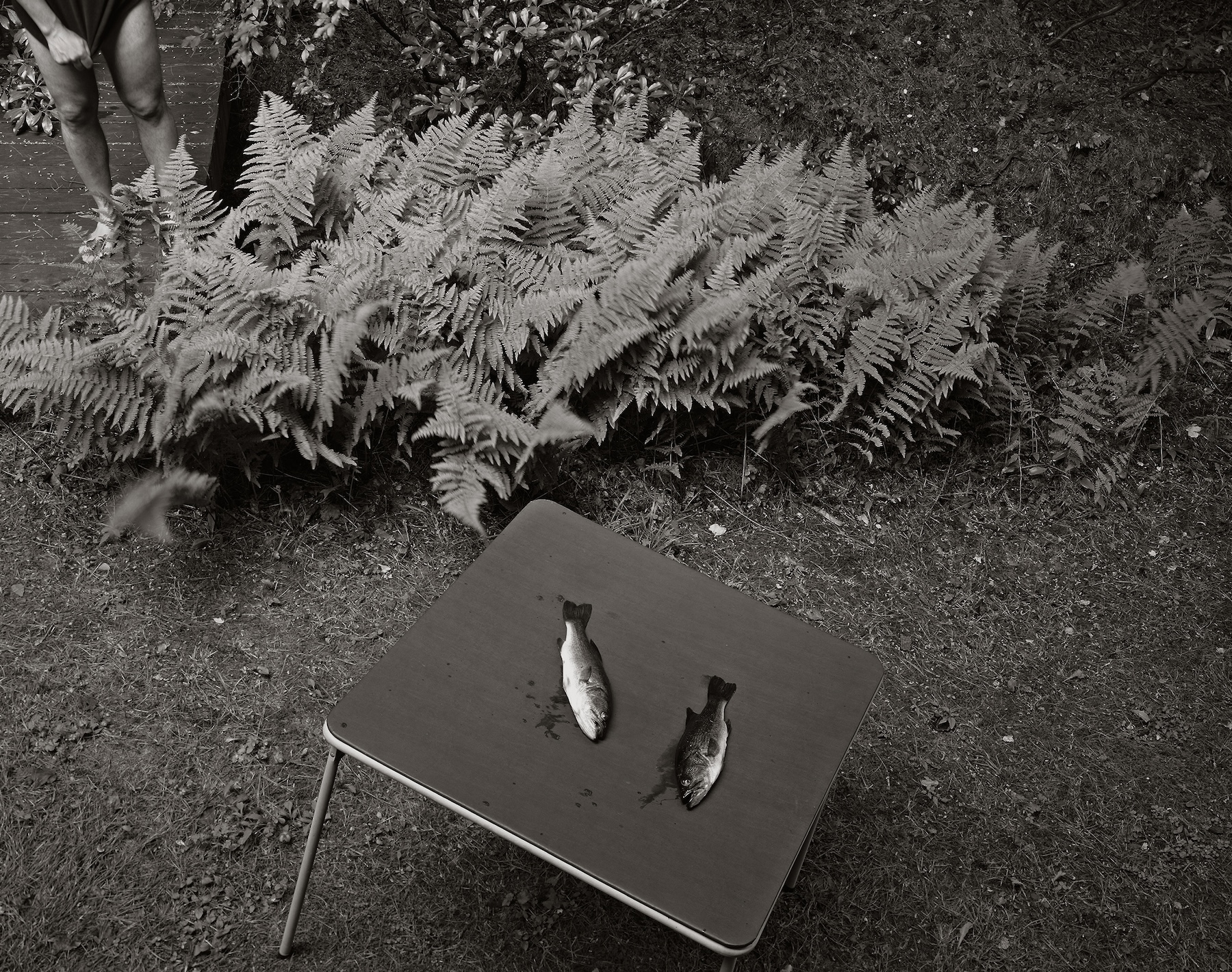
Andrea Modica's new photobook "Italian Story" collects four decades of photographs taken in Italy, beginning with her first trip there in the late 1980s. Born in 1960 to a family with roots in Sicily and Naples, Modica received a Fulbright scholarship to travel to Sicily and photograph the origins of the Catholic imagery, gender roles, and family structures she experienced growing up in New York. The book, however, is not a documentary of her heritage; instead, it presents dreamlike, surreal images—motionless bodies in water, dead fish, figures behind mosquito nets, Madonna statues—that resist clear narrative or identity politics. Modica works with an 8x10 large-format analog camera and prints using the historic platinum-palladium process, giving the images a timeless, collaborative quality.

Art Born of Pain: Frida Kahlo

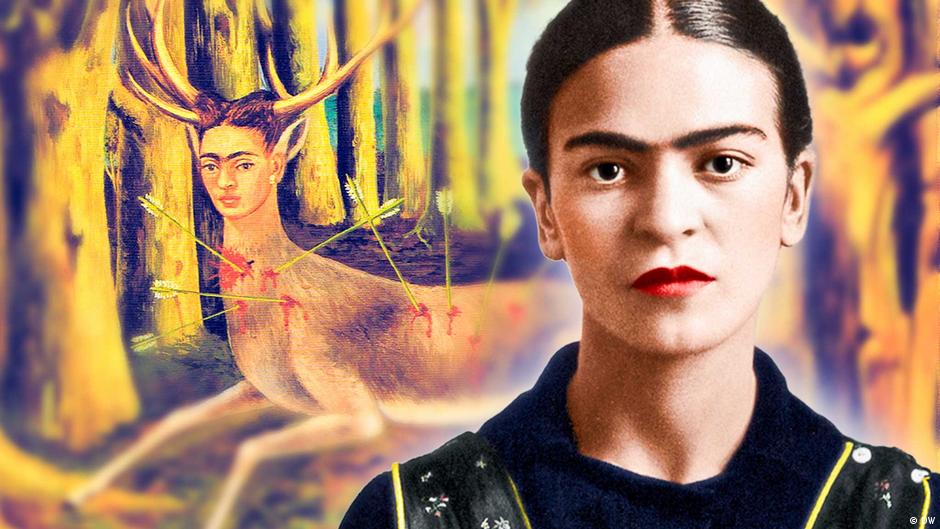
This article is a promotional piece for the DW English program 'Arts Unveiled,' highlighting several upcoming segments. It announces the start of the 61st Venice Biennale, the world's largest art exhibition, and poses questions about its standout features and art's role in times of crisis. Other segments explore the American Dream as a nightmare on the 250th anniversary of US independence, and feature Indigenous artist Britta Marakatt-Labba, who creates embroidered polar landscapes reflecting Sámi culture.

Belfast’s murals are an open-air gallery of history and art

Belfast's murals, long used as tools of political expression and territorial marking during the Troubles, are gradually changing. Research shows that three-quarters of the most intimidatory murals in the loyalist Shankill area have disappeared since 1998. Newer murals commemorate figures like Queen Elizabeth II and King Charles III, while non-sectarian artistic murals—including tributes to murdered journalist Lyra McKee—are appearing across the city. However, some paramilitary-linked murals persist, and a 2024 incident saw a wall in north Belfast rebuilt and its threatening imagery repainted, reflecting ongoing tensions and the complex politics of 'conflict transformation' funding.

Why Is Everyone Obsessed With Bogs?

The New York Times Art section published an explainer titled "Why Is Everyone Obsessed With Bogs?" examining the cultural fascination with wetlands, particularly bogs, across fashion and art. The article explores how bogs have become a recurring motif in contemporary visual culture, from runway collections to gallery installations, reflecting a broader societal interest in these unique ecosystems.

Libri d’arte. 7 novità in libreria tra saggi, racconti e fotografie

This article from Artribune presents seven new art book releases in Italy, all united by a common theme of bringing marginalized subjects back into focus. Featured titles include Johnny L. Bertolio's "L'ha scritto lei, ma…" which examines why female authors are excluded from Italian school curricula, and Carla Rossi's "Oltre i margini," a rigorous study of European female miniaturists from the Middle Ages to the Renaissance. Other works address queer representation in museums, children's voices on Gaza, photographic portraiture by Lorenzo Cicconi Massi, a collective volume on the Bertolucci family, and a theatrical project by Kepler-452 set in the central Mediterranean.

The dialogue between painter Vichit Nongnual and art history

The article explores the artistic practice of Thai painter Vichit Nongnual, examining how his work engages in a continuous dialogue with art history. It highlights his unique approach to blending traditional Thai artistic elements with contemporary techniques, positioning his paintings as a bridge between past and present visual cultures.

Where Art Meets Memory: The Gallery Kalo Journey

Gallery Kalo founder Përparim Kalo discusses the origins and philosophy of his Tirana-based gallery in a Q&A. Founded in 2014, the gallery began as a personal collection shared with the public and has since grown into a cultural meeting point that promotes artistic authenticity, inclusivity, and community engagement. Its vision has expanded beyond Tirana to villages along the Vjosa and Drino rivers, connecting art with landscape and local heritage.