filter_list Showing 24 results for "interview" close Clear
search
dashboard All 197 museum exhibitions 75article culture 55person people 24article news 20candle obituary 10article local 7rate_review review 3trending_up market 1article policy 1gavel restitution 1
date_range Range Today This Week This Month All
Subscribe

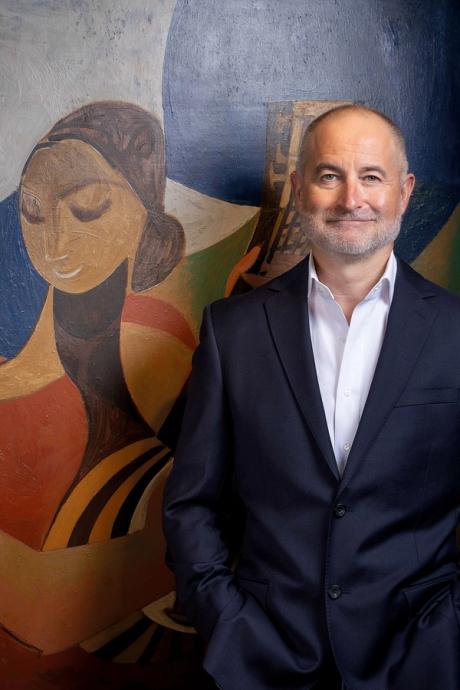
‘The story can be almost as important as the piece itself’: philanthropist Christian Levett on his approach to collecting

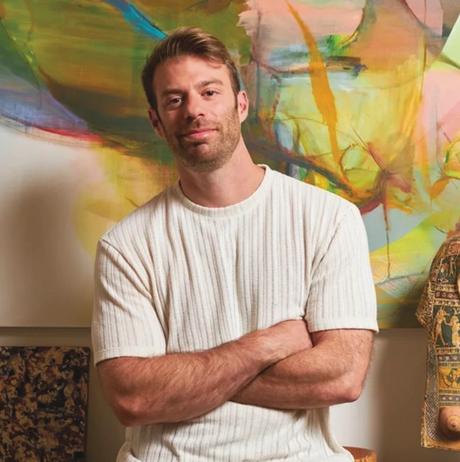
Philanthropist and collector Christian Levett, who opened the Mougins Museum of Classical Art in 2011 in southern France, closed that institution in 2023 and replaced it with Female Artists of the Mougins Museum, reflecting his growing focus on abstraction by women artists. Levett, a former investment manager, now owns around 1,700 works spanning antiquity to contemporary art, with significant holdings in post-war American art, African cutting-edge works, and the Zero movement. He recently bought Françoise Gilot's 1942 painting 'Geneviève Pensive' privately through Christie's and will speak at Tefaf Talks in New York on a panel titled 'Collecting with a Mission for Public Access.'
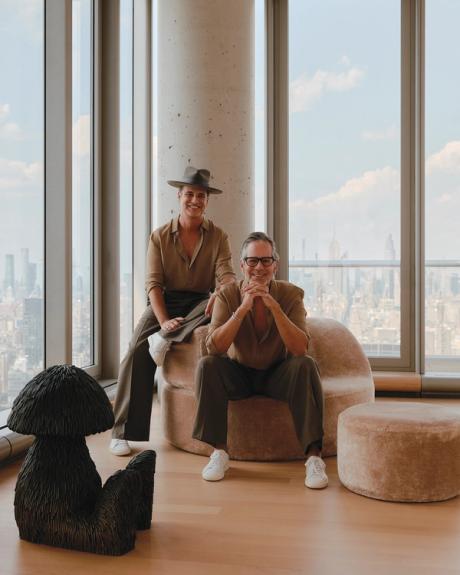
'Trusting that first reaction is important': Nacho Polo and Robert Onuska on the process of collecting

Nacho Polo and Robert Onuska, co-founders of the design gallery Studiotwentyseven, discuss their art collection in an interview with The Art Newspaper. Housed in their Tribeca apartment, the collection spans painting, sculpture, and photography with an emphasis on materiality and sculptural form. They recount their first acquisition—Ron Gorchov's *Autolykos* (2019)—and their most recent purchase, Alex Katz's *Nine Women 5* (2009). The couple also shares their instinctive buying process, a regret over missing a Nick Cave sculpture, and their anticipation for the Jean and Terry de Gunzburg collection at Sotheby's this spring.

Re-Air: The Young Painter Curators Are Rushing to Work With

Artnet News resurfaces an interview with painter Taína H. Cruz, who is featured in both the Whitney Biennial and MoMA PS1's Greater New York exhibition. Cruz, born in 1998 and a recent MFA graduate from Yale School of Painting, creates moody paintings often depicting Black female figures, drawing on African American and Caribbean folklore, horror, fantasy, and personal imagery. The interview, conducted by Ben Davis, explores her influences and her response to the sudden surge of attention from major institutions.

The Interview: Ei Arakawa-Nash

Ei Arakawa-Nash, a Japanese American performance artist, was selected to represent Japan at the 61st Venice Biennale, becoming the first non-Japanese national to do so in a solo presentation. This follows his first solo museum exhibition, "Paintings Are Popstars," at Tokyo's National Art Center in 2024, which was also the center's first solo show devoted to a performance artist. In an interview with ArtReview, Arakawa-Nash discusses his naturalization as a U.S. citizen, his complex relationship with national identity, and his upcoming Venice exhibition titled "Grass Babies, Moon Babies," cocurated by Lisa Horikawa and Takahashi Mizuki, which will explore themes of care and reparation using babies as a central motif.

When Beauty Appears: Lee Mingwei Interviewed by Rhana Devenport

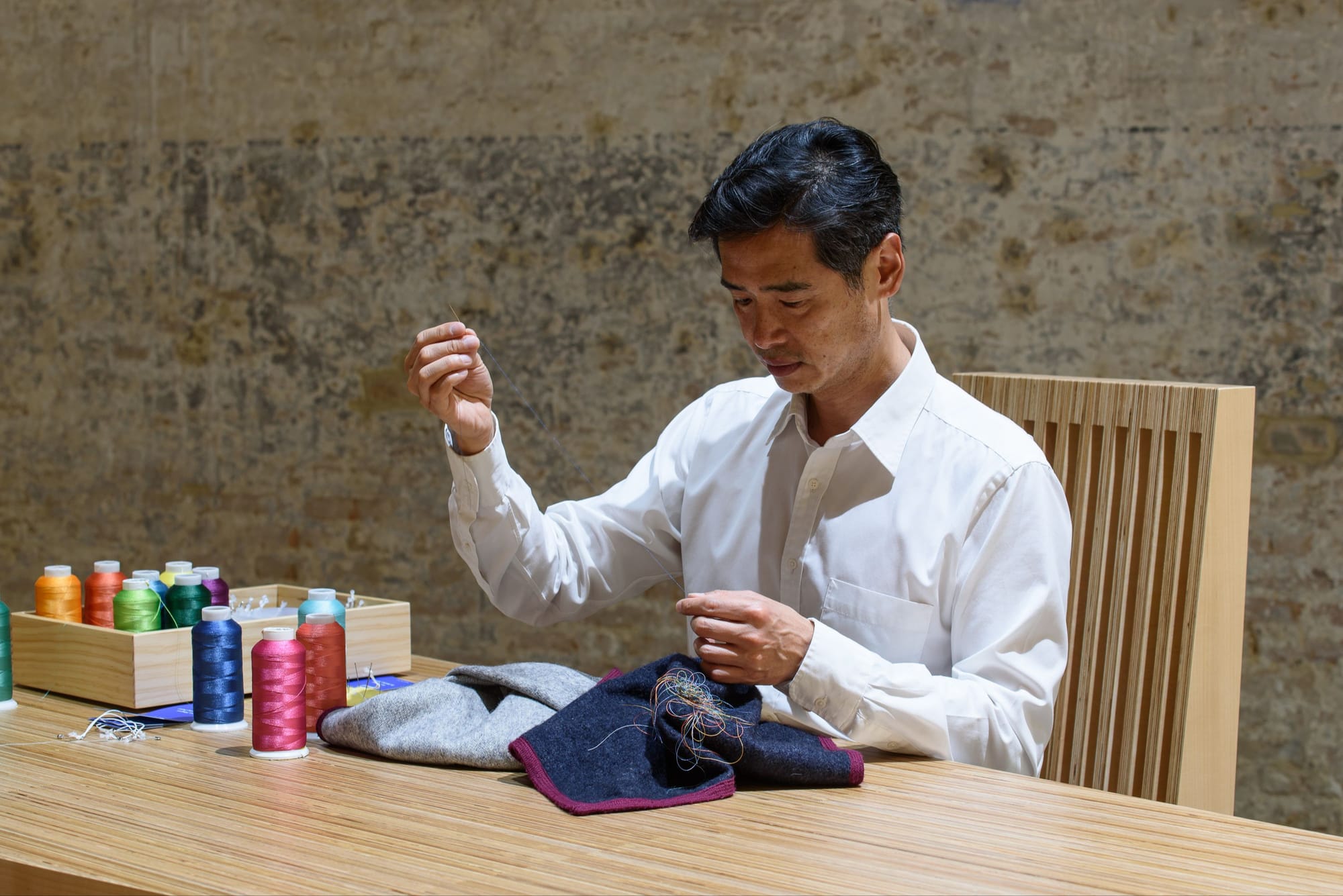
Taiwanese American artist Lee Mingwei presents his largest non-museum exhibition to date, "Lorsque La Beauté Paraît (When Beauty Appears)," at Perrotin in Paris. The show brings together seven invitational projects, including works like *The Mending Project* (2009–) and *The Moving Garden* (2009–). In an interview with Australian curator Rhana Devenport, Lee discusses the political dimensions of beauty, the restorative power of gift-giving, and the courage required for small acts of kindness among strangers. The exhibition is curated by Thierry Raspail, co-founder of the Lyon Biennale and director of the Lyon Museum of Contemporary Art.

Danielle Mckinney Shares the Advice That Keeps Her Painting Even on Her Worst Days

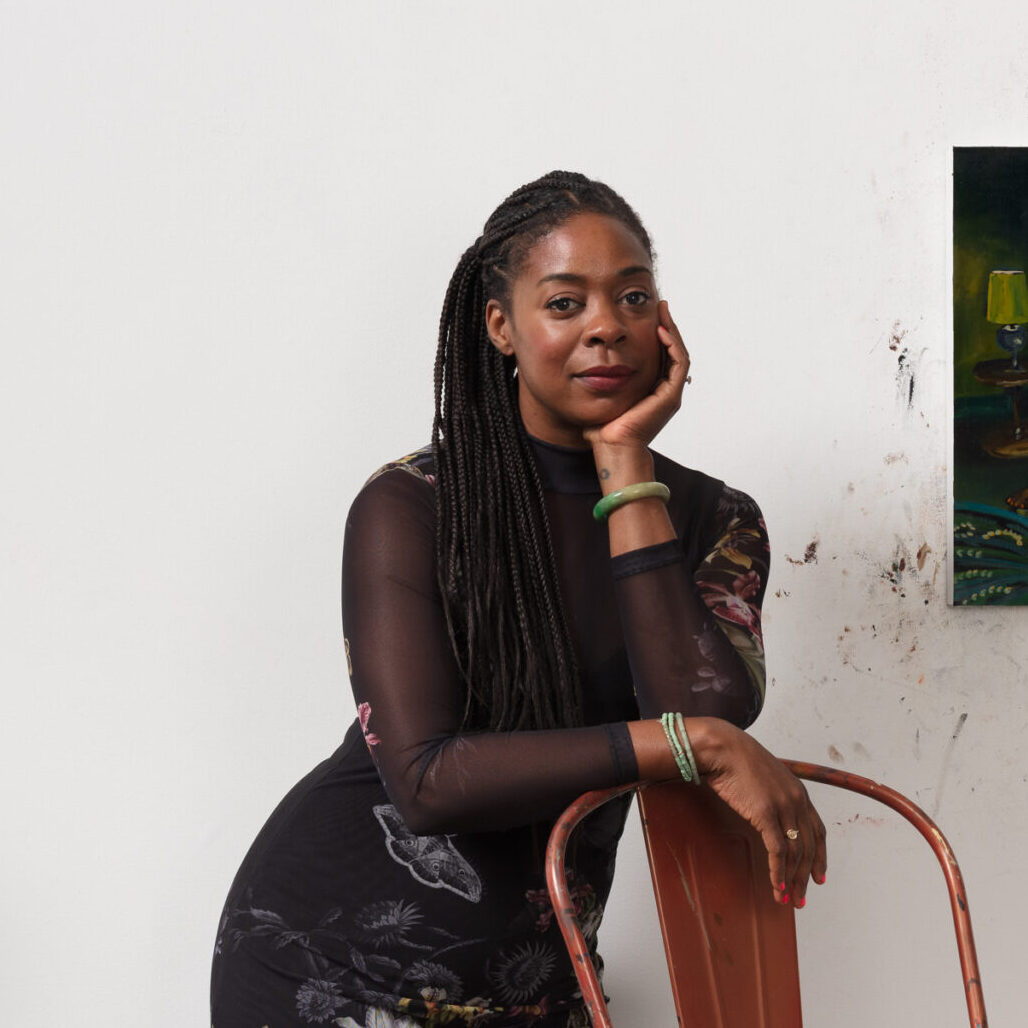
Danielle Mckinney, a rising painter known for intimate depictions of Black women in moments of repose, shares insights into her creative process in a studio visit interview. She has two concurrent exhibitions: one at the Norton Museum of Art in West Palm Beach (through Oct. 4) and one at Marianne Boesky Gallery in New York (through June 13), where she debuts a series of watercolors and continues dissolving boundaries between figures and their domestic surroundings.

'I get strong gut reactions': Jonathan Travis on what he collects and why

Jonathan Travis, a realtor and art collector who has helped drive the migration of New York galleries to Tribeca, discusses his collecting habits in an interview with The Art Newspaper. Travis, a partner at Redwood Property Group, has found Tribeca homes for around 40 galleries and co-founded the Wolf Hill artist residency in Chappaqua, New York, with Ethan Rafii. He shares details about his first purchase (a Nicole Eisenman painting), his most recent acquisition (a Masanori Tomita painting), and his strong gut reactions when buying art in person. He also mentions works in his collection by artists such as Sasha Gordon, Jenna Gribbon, and Arcmanoro Niles, and expresses excitement for the Salvador Dalí show at Di Donna and the May auctions.

The Interview: Amar Kanwar

ArtReview interviews Amar Kanwar, a New Delhi-based artist known for films and multimedia installations that blend poetry, activism, and documentary to explore power, conflict, and social justice. Kanwar discusses his career trajectory from documentary filmmaking to occupational health research in a coal mining region, and back to filmmaking on his own terms. His best-known work, *The Sovereign Forest* (2012), addresses government-corporate collusion in Odisha, while his latest, *The Peacock's Graveyard* (2023), is a seven-channel film installation currently paired with *The Torn First Pages* (2004–08) at Palazzo Grassi in Venice under the heading "Co-Travellers." Kanwar has participated in four consecutive editions of Documenta (2002–2017) and was a curator of the 2022 Istanbul Biennial.

The End-of-Term Grand Interview with Stefano Boeri After 8 Years as President of Triennale di Milano

La grande intervista di fine mandato a Stefano Boeri dopo 8 anni da presidente della Triennale di Milano

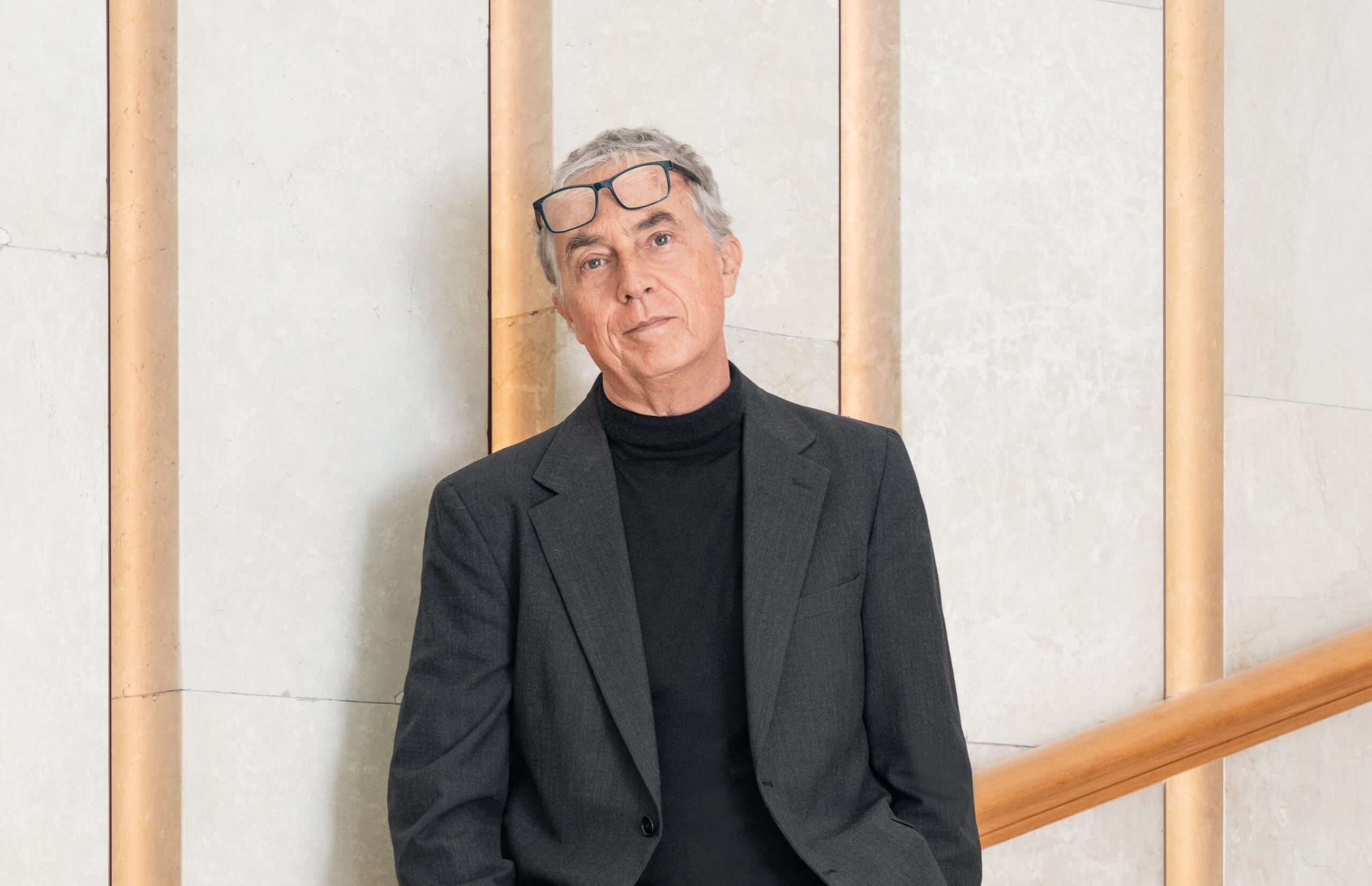
Stefano Boeri reflects on his eight-year tenure as president of Triennale Milano in a wide-ranging exit interview. He discusses the institution's transformation into a more international and accessible cultural hub, highlighting key achievements such as the three major International Exhibitions—"Broken Nature" (2019), "Unknown Unknowns" (2022), and "Inequalities" (2025)—and the physical reclamation of spaces like the "Cuore" hall and the garden-level floor, which were opened free to the public. Boeri also touches on financial management, governance challenges, and his hopes for the future leadership.

LACMA Director Michael Govan ’85 talks museum architecture, public art, mounds of dirt

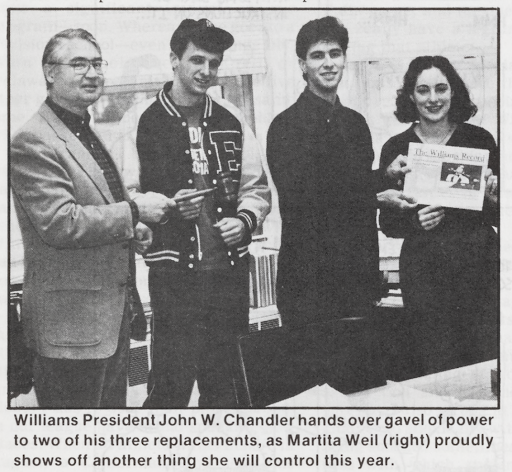
Michael Govan, director of the Los Angeles County Museum of Art (LACMA) and a 1985 graduate of Williams College, discussed his career and philosophy in an interview with the Williams Record. Govan reflected on his early work at the Williams College Museum of Art (WCMA), where he helped install pieces in Lawrence Hall after an expansion by architect Charles Moore, and his subsequent collaborations with Frank Gehry on the Guggenheim Museum Bilbao and Zaha Hadid at the Solomon R. Guggenheim Museum. He also highlighted his recent oversight of LACMA's new David Geffen Galleries, a $720 million project that has drawn significant attention.

VARINIA BRODSKY ZIMMERMANN: “ENTIENDO AL MUSEO COMO UN CAMPO DE REVERBERACIÓN”

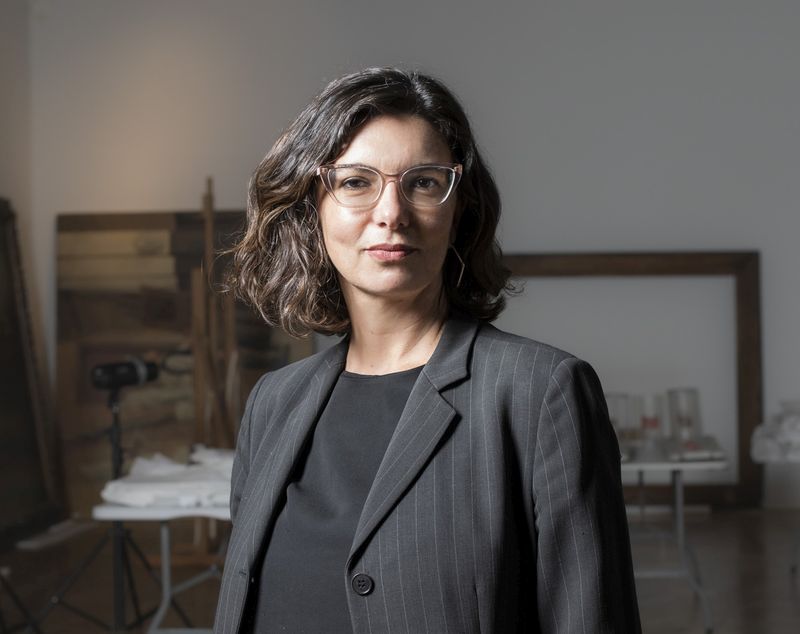
Varinia Brodsky Zimmermann, director of the Museo Nacional de Bellas Artes de Chile, is interviewed as part of a series on contemporary museums in Latin America. She describes the museum as a "field of reverberation" that amplifies social, cultural, and political questions without reacting mechanically to demands. The conversation covers structural challenges facing public museums in Chile, including budget precarity and suspended exhibition projects, and Brodsky advocates for more permeable, horizontal, and sustainable institutions that maintain critical depth while engaging diverse communities.

The Cosmos in a Drop: Interview with Wallace Chan

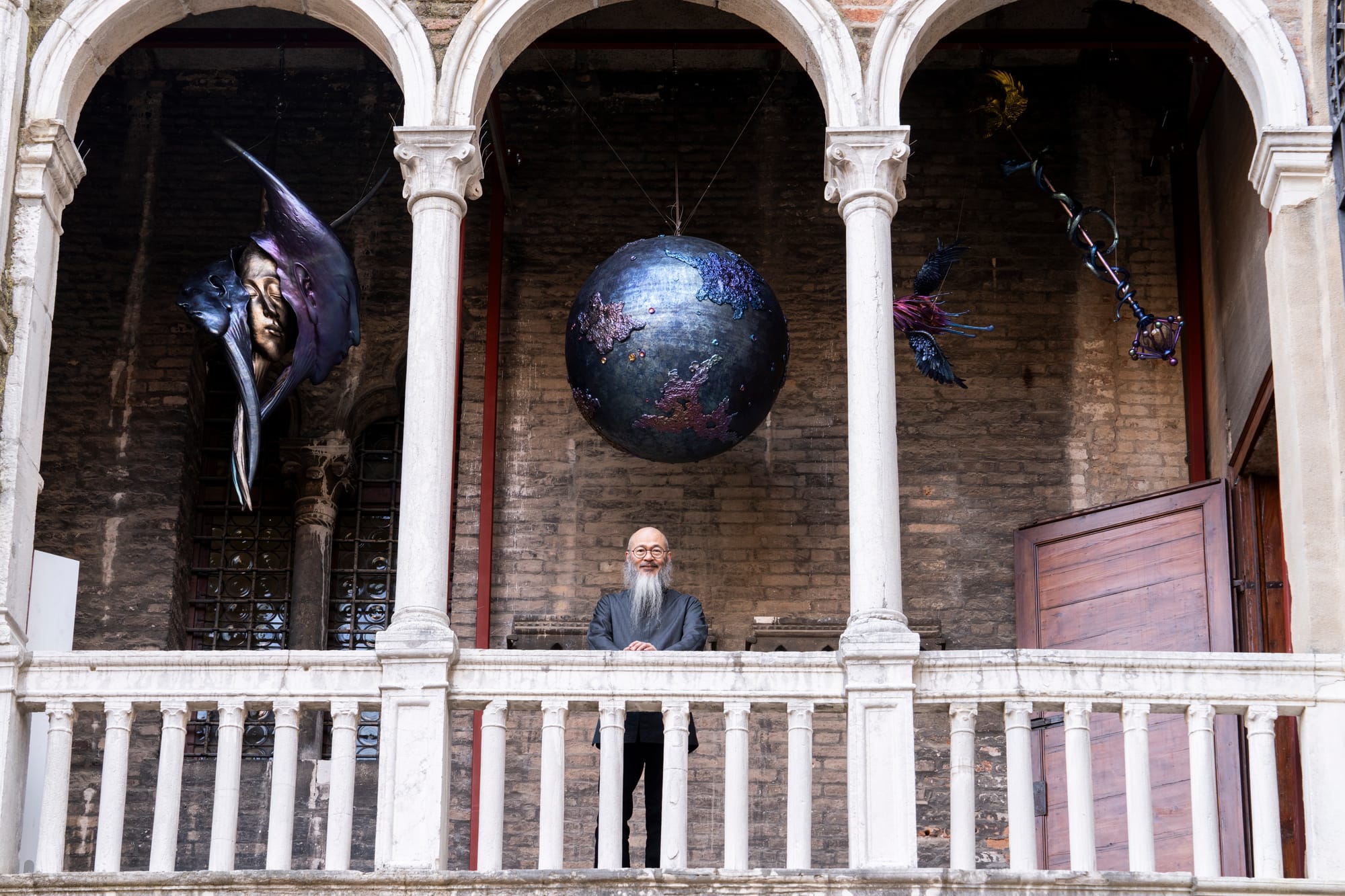
Wallace Chan, the Chinese artist known for his work across microscopic gemstone carving and monumental titanium sculpture, is presenting two concurrent exhibitions in Venice during the 61st Venice Biennale: “Vessels of Other Worlds” at the Pietà Chapel and “Mythos” at Scala Contarini del Bovolo. In an interview with ArtAsiaPacific, Chan discusses his artistic journey from traditional Chinese Buddhist carving to Western iconography, the spiritual resonance of the Pietà Chapel (where Vivaldi composed), and how his works explore themes of transformation, birth, growth, and rebirth through the lens of Buddhist philosophy and Catholic ritual.

Interview with the frontier gallerist who opened his space in Vasto, Abruzzo

Intervista al gallerista di frontiera che ha aperto il suo spazio a Vasto in Abruzzo

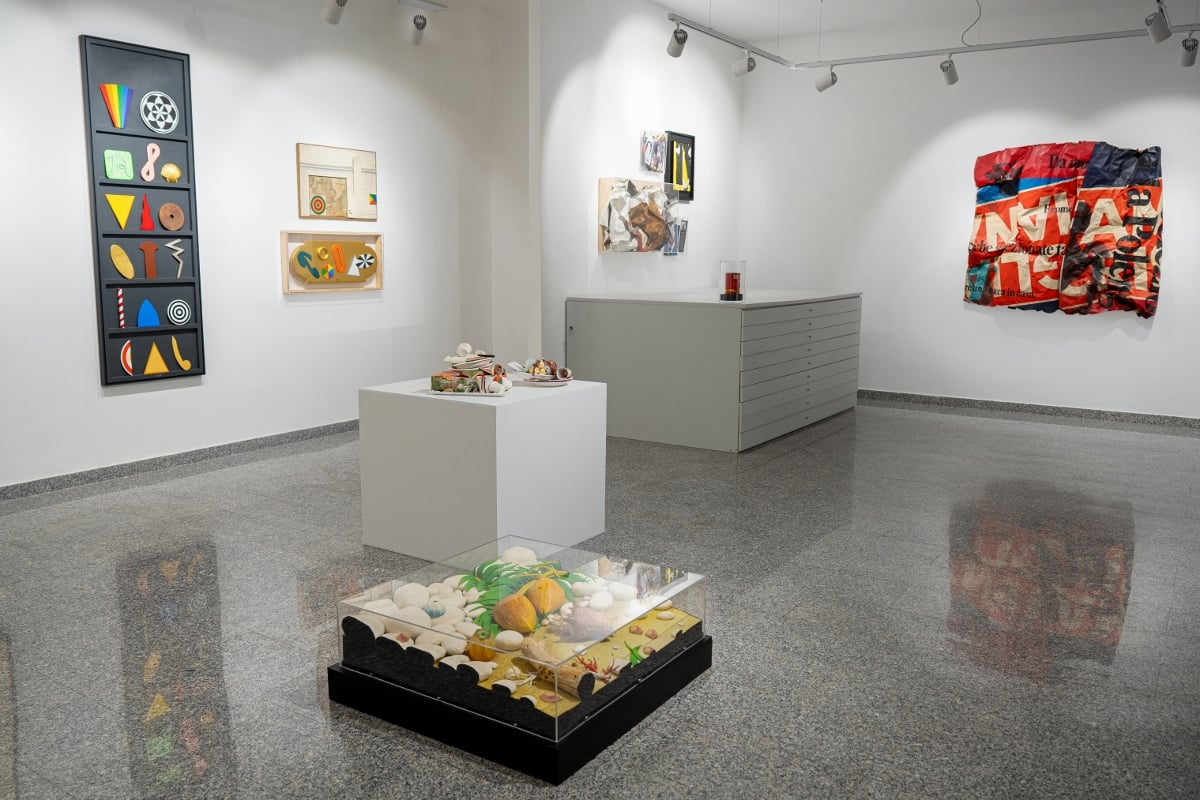
Sangallo Fine Art, a modern art gallery located in Vasto, Abruzzo, Italy, is profiled in an interview with its founder Giorgio di Michele Marisi. The gallery, born from a chance encounter and a passion for 20th-century art, has carved out a distinctive space in the periphery of the art world. It is currently presenting the exhibition "Permanenza della materia espansa" (2026), curated by Lorenzo Madaro, which exemplifies its commitment to critical rediscovery and experimental display. Despite being geographically distant from traditional art hubs, the gallery has built a loyal clientele of knowledgeable collectors and international buyers, relying on direct relationships and participation in art fairs.

BLANCA DE LA TORRE Y EL “MUSEO ANFIBIO”: “A MÍ ME INTERESA EL PÚBLICO, NO NECESARIAMENTE LAS MASAS”

Blanca de la Torre, director of the Institut Valencià d’Art Modern (IVAM), discusses her concept of the "Museo Anfibio" (Amphibious Museum) in an interview for Artishock Revista's series on Ibero-American museum leaders. She proposes reimagining the museum as a relational institution that mediates between physical and symbolic territories, communities, and ecosystems, structured around two axes: Territories-Earth and Aquatic Environments. The interview is part of a series leading up to International Museum Day, with previous entries including Nicolás Gómez Echeverri of the Banco de la República de Colombia.

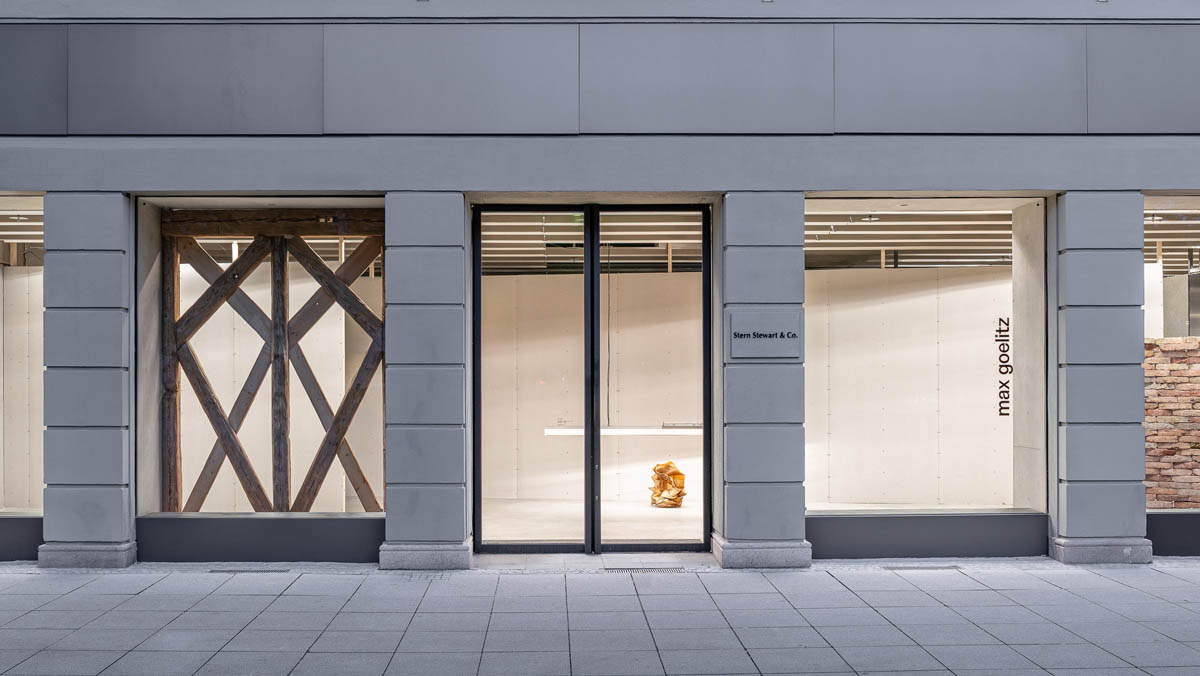
Interview. Max Goelitz

In an interview marking the sixth anniversary of his gallery, Max Goelitz reflects on the founding and evolution of his two-location operation in Munich and Berlin. He discusses how his decade at Häusler Contemporary, where he served as director, prepared him for the unpredictable nature of running his own gallery. The COVID-19 pandemic forced a strategic pivot from international ambitions to a focus on the local German market, which proved unexpectedly sustainable. Goelitz also addresses the current challenges facing galleries, including generational shifts and a more difficult art market, while advocating for an "old-school" reconsideration of what defines a gallery in times of transition.

De Pont Director Maria Schnyder On Why Financial Independence Is a Museum’s Greatest Asset

Maria Schnyder, who has served as deputy director of the De Pont Museum of Contemporary Art in Tilburg, Netherlands, since 2021, has been appointed as its new director, succeeding Martijn van Nieuwenhuyzen. In an interview, Schnyder discusses the advantages of rising from within, emphasizing continuity and deep knowledge of the institution's artist-first ethos. The museum, housed in a former woolen mill with 7,000 square meters of exhibition space, operates with only 18 full-time employees and is financially independent, allowing it to prioritize artistic vision over audience-driven agendas.

‘Out of the middle’: Asian Art Museum director sees contemporary Korean art coming into its own

Dr. Lee So-young, the first Korean American director of a major U.S. art museum, discussed the rising global prominence of contemporary Korean art during an interview in Seoul. She was visiting with San Francisco Mayor Daniel Lurie to celebrate the cities' 50th anniversary of sister-city ties and to promote an upcoming retrospective on Korean abstract artist Ha Chong-hyun at the Asian Art Museum in September. Lee, who previously curated at the Metropolitan Museum of Art and Harvard Art Museums, noted that Korean art has shifted from traditional focus to contemporary work, with museums and collectors increasingly engaging with dynamic artists from Korea.

MANUEL SEGADE: “PRESERVAR LA COMPLEJIDAD DEL MUNDO ES UNA DE LAS TAREAS FUNDAMENTALES DEL MUSEO”

Manuel Segade, director of the Museo Nacional Centro de Arte Reina Sofía, is interviewed as part of a series for International Museum Day. He discusses the museum's role as a space historically tied to critique, conflict, and negotiation with tradition, emphasizing the need to preserve the world's complexity. Segade advocates for institutions that can speak on multiple levels, from introductory lectures to para-academic research, and stresses transforming internal structures toward more horizontal and interdependent models.

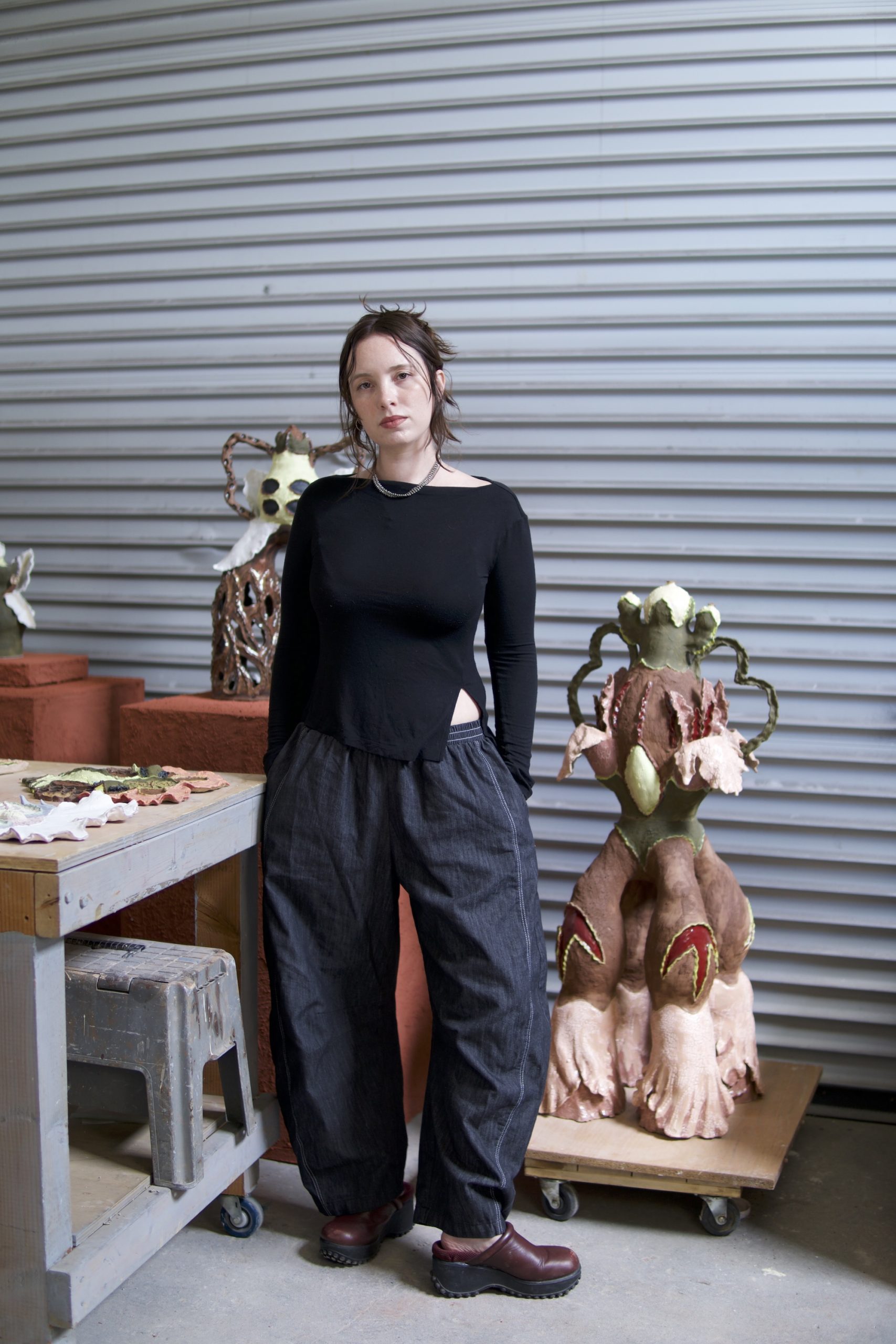
Maddy Inez talks to Phillip Edward Spradley

Maddy Inez, a Los Angeles-based ceramic artist, discusses her practice in an interview with Phillip Edward Spradley. Her work draws on California's natural environment and histories of displacement, using ceramics to explore maternal lineage, oral history, and plant-based knowledge. A key inspiration is a midwifery certificate belonging to her great-great-great grandmother from the era of enslavement. Inez's upcoming solo exhibition at Megan Mulrooney opens May 16, 2026.

3 Questions with Gallerist Daniel Cooney

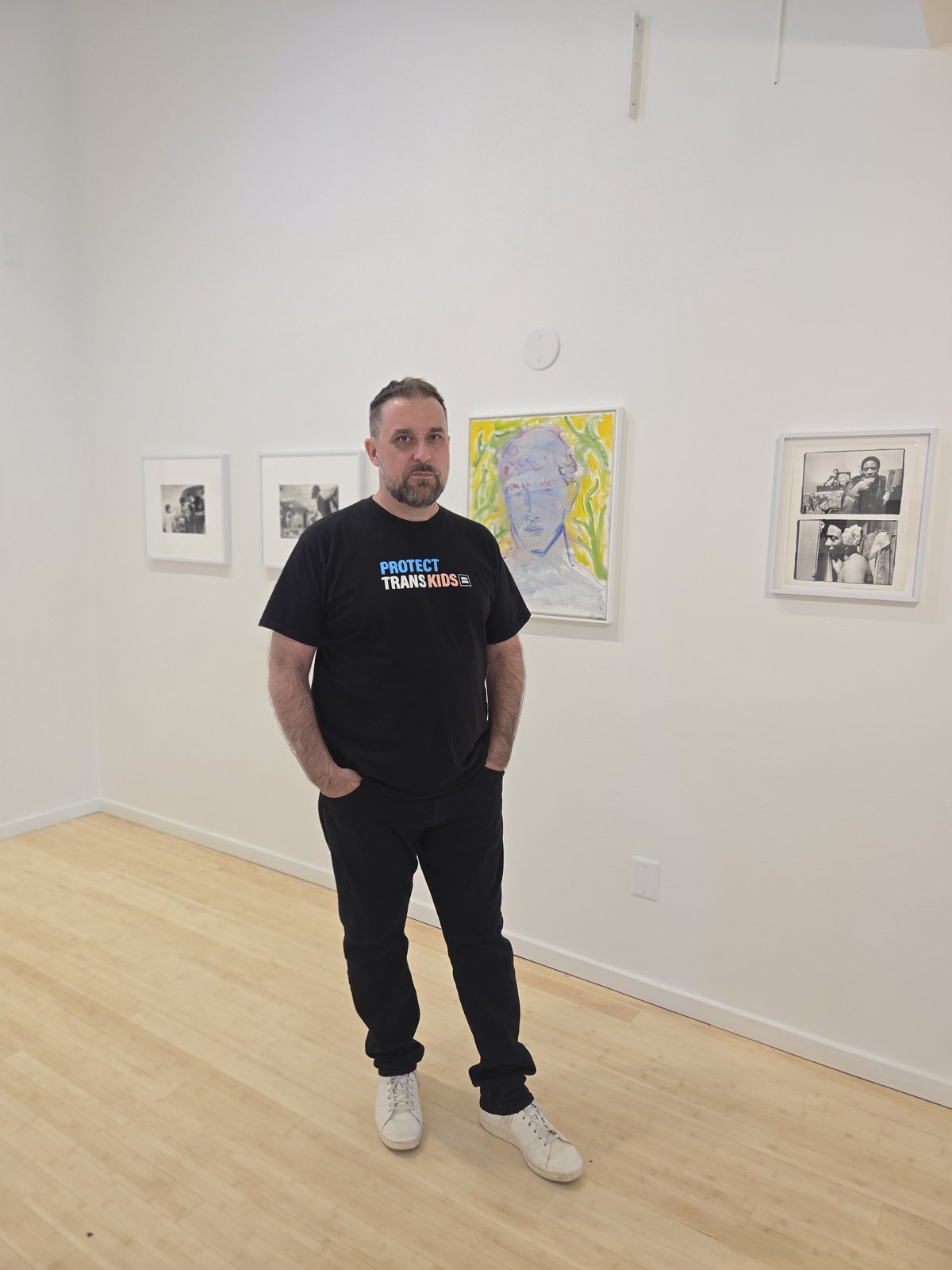
Santa Fe gallerist Daniel Cooney of Daniel Cooney Fine Art discusses his gallery's focus one year after relocating from New York City. In an interview, Cooney explains that while his gallery prominently features LGBTQ artists, its core mission is supporting underrepresented artists broadly—including emerging talents, overlooked older artists, and estates. He notes a continued emphasis on photography, his own background, but also shows other mediums. Cooney expresses interest in featuring more local New Mexico artists but has not yet integrated deeply into the local scene.

Cosmic Province. Between bar and studio, or the punk life of Jacopo Benassi

Provincia Cosmica. Tra bar e studio, ovvero la vita punk di Jacopo Benassi

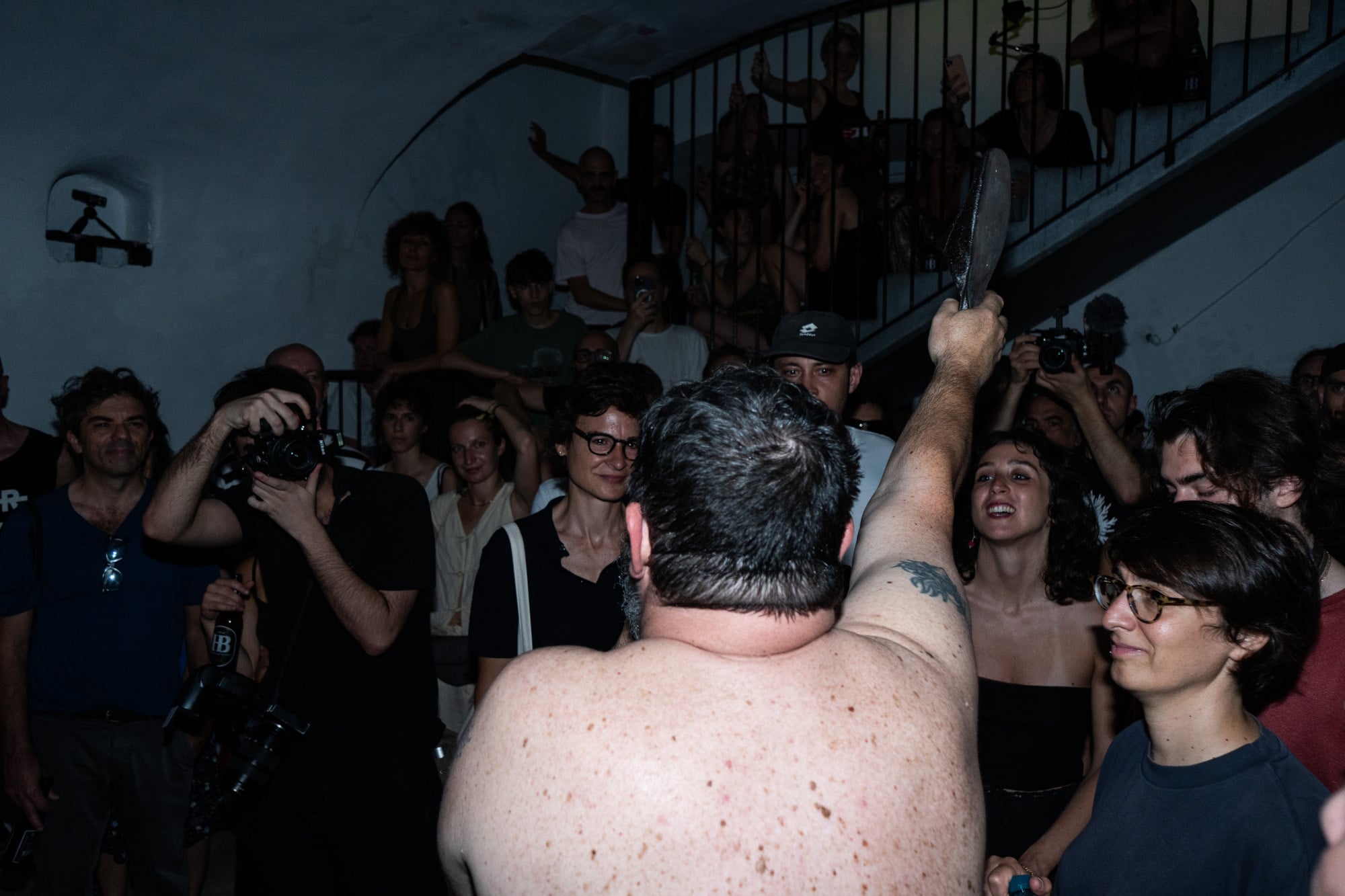
Italian artist Jacopo Benassi, born in 1970 and shaped by the punk scene, discusses his return to his hometown of La Spezia after years in Milan, where he worked as a photographer for Rolling Stone. He describes his life revolving around his studio and local bars, and reflects on founding the underground club B-Tomic in 2011, which became a hub for his artistic and photographic work blending music and performance. He also mentions an upcoming book of drawings and texts by Renzo Daveti (alias Benzo), a formative figure from the Italian punk scene.

L'invité de La Tribune de l'Art n° 28 : Gérard Audinet

Gérard Audinet, director of the Maison de Victor Hugo in Paris, is retiring. In a new podcast episode of "L'invité de La Tribune de l'Art," he discusses the history of the museum, its collections, the Maison de Victor Hugo in Guernsey, and the acquisitions and exhibitions he oversaw during his tenure.

From studio to gallery, here are three women redefining the art world

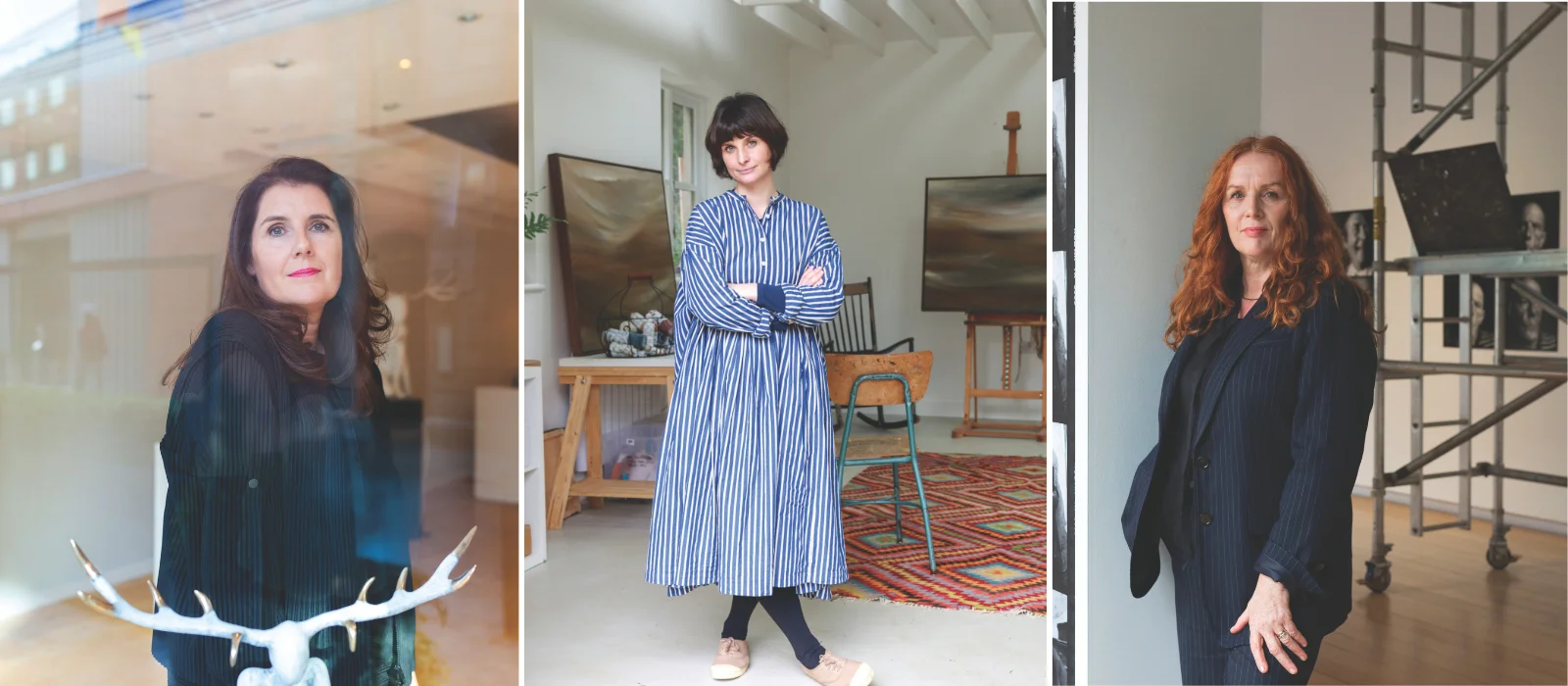
Melanie Mullan interviews three women redefining the art world: contemporary artist Petria Lenehan, who transitioned from fashion design to painting and now works from her studio in Wicklow, Ireland, promoting her work via Instagram; and Trish Lambe, CEO and Artistic Director of Photo Museum Ireland, who began her career at the museum in the 1990s and now leads its curatorial team. The article highlights Lenehan's intuitive painting process and Lambe's hands-on approach to exhibition production.

The Story of Alexey Shor: From Mathematician to Contemporary Classical Composer. The Interview

La storia di Alexey Shor: da matematico a compositore classico contemporaneo. L’intervista

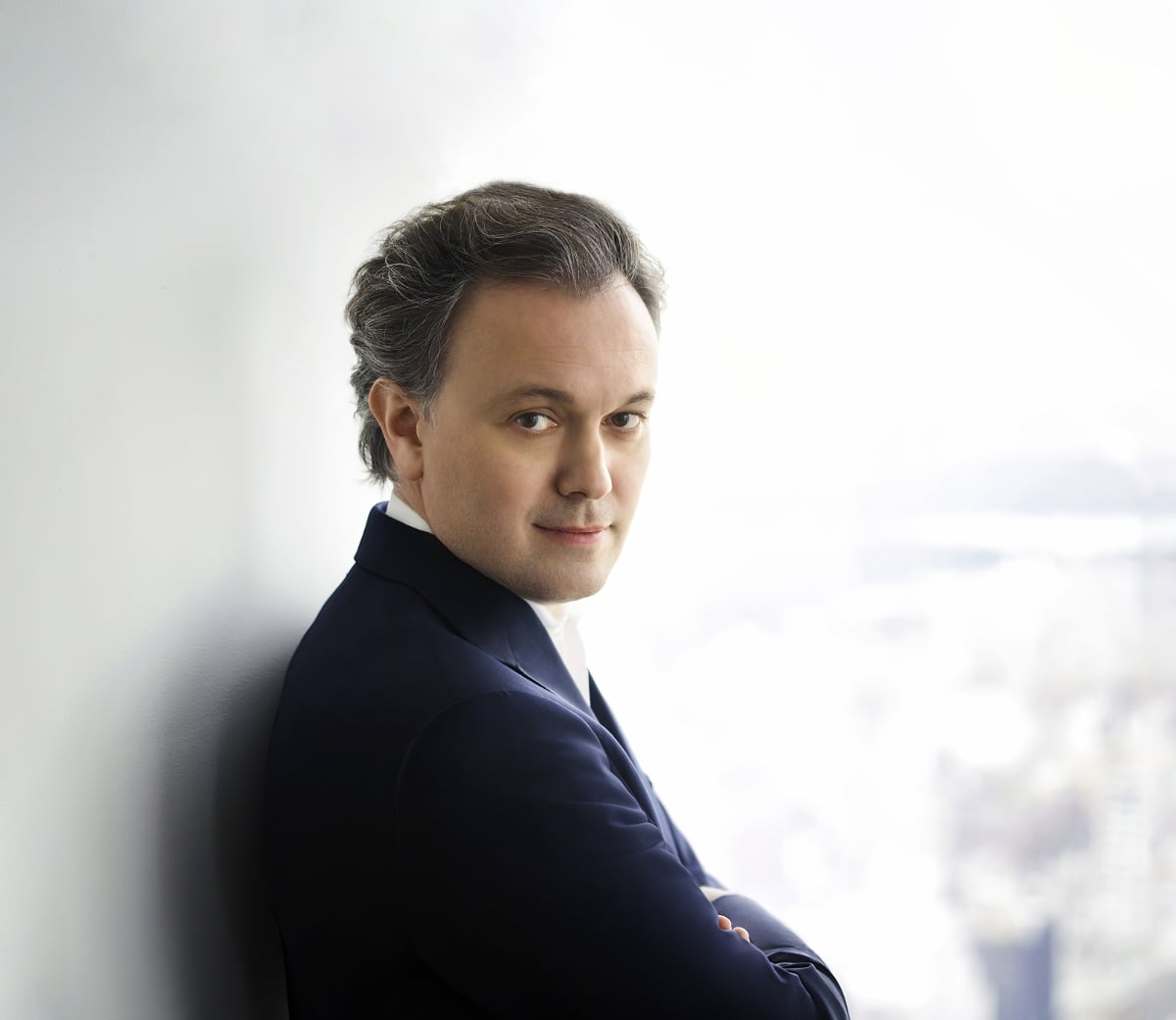
Alexey Shor, a 1970-born Ukrainian-American composer who originally earned a PhD in mathematics and worked in finance, has transitioned to a full-time career in contemporary classical music. From April 28 to 30, 2026, his neo-romantic compositions were performed at the Auditorium RAI "Arturo Toscanini" in Turin, Italy, by the RAI National Symphony Orchestra under Estonian conductor Anu Tali, alongside works by Rachmaninoff, Schubert, and Grieg. The concerts featured renowned musicians including Russian conductor Mikhail Pletnev, violinist Giuseppe Gibboni, violinist Daniel Lozakovich, and pianist Arsenii Moon. In an interview with Artribune, Shor discussed his dual career, his emotional connection to audiences, and his openness to having his music used in films.