
filter_list Showing 2 results for "Concrete" close Clear
search
dashboard All 55 museum exhibitions 32article local 6article news 5rate_review review 5article culture 3candle obituary 2article policy 2
date_range Range Today This Week This Month All
Subscribe

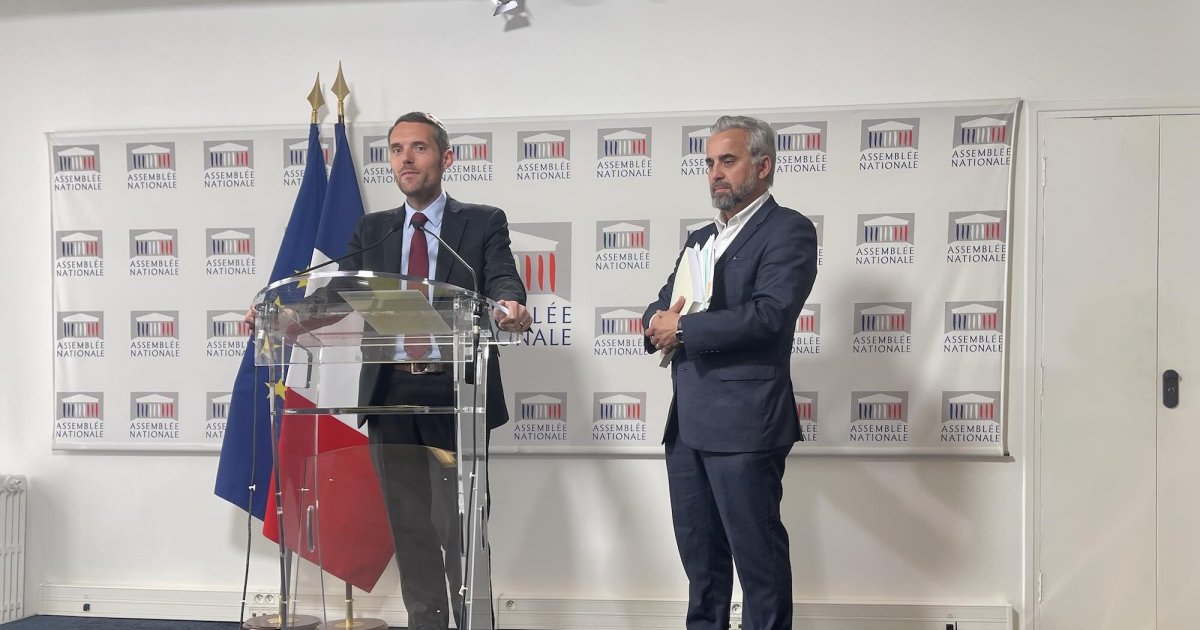
L'excellent rapport de la commission d'enquête sur la sûreté des musées est paru

A French parliamentary commission of inquiry into museum security, initiated by Alexandre Portier (president) and reported by Alexis Corbière, has published its findings. The report, unanimously adopted across party lines, includes forty recommendations and is notably critical of the Louvre's management under director Laurence des Cars, accusing her of neglecting security priorities and causing significant delays in the museum's master plan. The commission validated earlier criticisms by La Tribune de l'Art, describing the Louvre as an "État dans l'État" (state within a state) and estimating that twenty to twenty-seven months were lost due to postponed decisions.

Cultural Observatories: Dinosaurs or Subjects Capable of Interpreting the Present?

Osservatori culturali. Dinosauri o soggetti in grado di interpretare il presente?

The Cultural Observatory of Canton Ticino has published a study on cultural observatories worldwide, including a map and list of surveyed organizations. The analysis reveals that cultural observatories are not a global phenomenon but are concentrated mainly in Europe and South America, with occasional presence in North America (especially Canada and Hispanic-oriented organizations in the US). Africa, Asia, and Oceania are almost entirely absent from the map. The study also highlights a high rate of inactive observatories: among the top 10 countries by active observatories, only Germany shows an effective activity ratio. Spain has 26 active observatories out of about 45 total, while Italy has 11 active out of over 20 inactive. The research defines observatories as non-profit organizations that combine cultural and statistical expertise to deepen and transfer knowledge about the cultural sector, and classifies as inactive those with no recent activity on web or social channels.