

filter_list Showing 4 results for "Constitution" close Clear
search
dashboard All 17 museum exhibitions 6article policy 4article local 2trending_up market 2article news 2rate_review review 1
date_range Range Today This Week This Month All
Subscribe

DOGE Cuts to National Endowment for the Humanities Were Unconstitutional, Court Rules

A federal judge ruled that the cancellation of over 1,400 grants by the National Endowment for the Humanities, carried out by Elon Musk's Department of Governmental Efficiency (DOGE), was unconstitutional. Judge Colleen McMahon of the Federal District Court in Manhattan ordered DOGE to rescind the cancellations, finding that the cuts violated the First Amendment and the equal protection component of the Fifth Amendment. The lawsuits were filed after the NEH chairman was dismissed and the agency was redirected under President Donald Trump's "America First" cultural campaign, with acting chair Michael McDonald cutting most grants awarded by the previous administration. The cuts, totaling more than $100 million, disrupted research, publications, and humanities programming, and were reportedly flagged using ChatGPT to target grants related to diversity, equity, and inclusion.
La loi sur les restitutions des biens culturels pillés pendant la colonisation définitivement adoptée

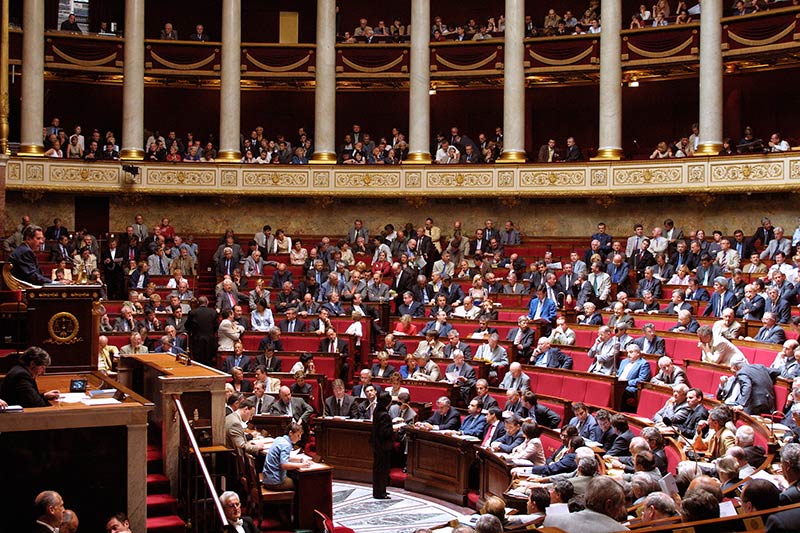
The French Parliament has definitively adopted a permanent law on the restitution of cultural property looted during colonization, replacing the previous case-by-case legislative approach. The Senate unanimously approved the final text on May 7, 2026, following agreement in a joint committee on April 30, and the National Assembly had approved it the day before. The law creates a general derogation from the principle of inalienability of public collections, establishing a bilateral scientific committee to examine provenance, with final decisions made by decree of the Council of State. Key amendments from the National Assembly—including binding parliamentary votes on restitution and conditions on conservation and public access—were removed by the joint committee to avoid perceptions of neocolonial tutelage.

La loi-cadre sur les restitutions définitivement adoptée par le Parlement

The French Parliament has definitively adopted a framework law on the restitution of cultural property that was illicitly acquired. The Senate unanimously approved the conclusions of the joint committee on May 7, following the National Assembly's approval on May 6, after an agreement was reached on April 30. The law establishes a general mechanism for returning objects from French public collections without requiring a specific law for each case, covering items acquired through looting, theft, forced sale, or other illicit means before the 1970 UNESCO Convention. It creates a permanent national commission and a bilateral scientific committee to assess claims, with restitution ultimately decided by government decree subject to legal review by the Council of State.

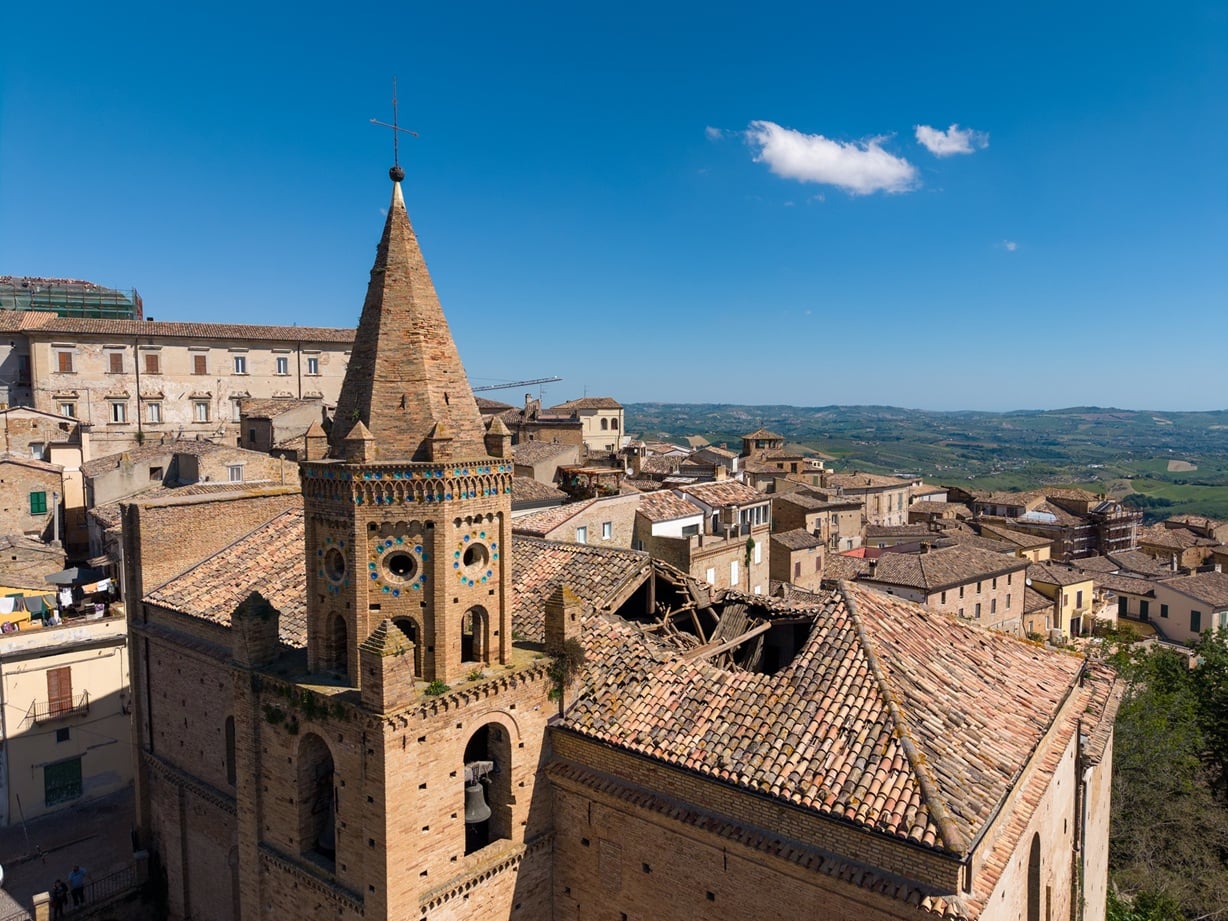
The church, the village, the park. FAI's 'Places of the Heart' returns to save ruins

La chiesa, il borgo, il parco. Tornano i Luoghi del Cuore del FAI per salvare i beni in rovina

The Fondo per l’Ambiente Italiano (FAI) has launched the 13th edition of its "Luoghi del Cuore" (Places of the Heart) initiative, a biennial census that invites Italians to vote for cultural heritage sites most in need of restoration. Since 2003, the campaign has collected over 13.5 million votes, with the 2024 edition alone receiving more than 2.3 million votes for over 41,000 sites across 6,508 municipalities. The initiative has funded 180 recovery projects, 40% of which involve churches, followed by environmental, architectural, and archaeological assets. Notable successes include the Church of San Pietro dei Samari in Gallipoli, the Oratorio del Sasso in Orasso, and the Complesso di Sant’Angelo Magno in Ascoli Piceno.