filter_list Showing 8 results for "DEFINE" close Clear
search
dashboard All 590 museum exhibitions 311article culture 67trending_up market 47candle obituary 44article news 37rate_review review 26article local 25person people 22article policy 8gavel restitution 2article museum 1
date_range Range Today This Week This Month All
Subscribe

museums finances

Museums worldwide are urgently searching for new financial models as government funding declines, wealthy patrons pull back, and corporate sponsors face pressure. A global study published in January by the International Research Alliance on Public Funding for Museums found that in 37 percent of responding countries, 71 to 100 percent of museums now receive most funding from private sources. Institutions are exploring endowments, new revenue streams, and collaborative approaches, with the Louvre becoming the first French museum to create an endowment fund in 2009, raising €175 million. The $85 trillion Great Wealth Transfer offers hope, but next-generation donors prioritize transparency and meaningful engagement over prestige.


If fashion is art, why doesn’t CNZ fund it?

Creative New Zealand (CNZ) explicitly states on its website that it does not fund fashion design, classifying it as primarily part of the commercial creative industries. The article highlights the contradiction that while major institutions like The Dowse Art Museum, Auckland Art Gallery, and World of WearableArt treat fashion as art, CNZ denies funding to fashion designers, with rare exceptions for non-commercial, cross-cultural, or collaborative projects. Fashion designer Doris de Pont, founder of The New Zealand Fashion Museum, notes that even when her trust received CNZ support, it was for the art connection, not the fashion itself.

gallery climate coalition carbon five year report

The Gallery Climate Coalition (GCC), a London-based organization with 2,000 members across 60 countries, released a report titled "Five-Year Review of Climate Action in the Visual Arts" during London Art+Climate Week, timed with the UN climate summit Cop30 in Brazil. The report reveals that 80 percent of members who began tracking their carbon footprint in 2019 have reduced their impact by 25 percent, and are on track to cut emissions by 50 percent by 2030. Key sources of emissions include shipping, air travel, and energy use, accounting for 80 to 95 percent of members' carbon output. Christie's London, which hosted a launch event, reported a 69 percent reduction in emissions from 2019 to 2024 through renewable energy and reduced catalog publishing.

Cultural Institutions Warn Against AfD's Cultural Policy Plans

Kulturinstitutionen warnen vor AfD-Plänen zur Kulturpolitik

Nearly 30 cultural institutions in Saxony-Anhalt, including the Bauhaus Dessau Foundation and the Saxony-Anhalt Museum Association, have issued a joint warning against the AfD party's new government program. The political platform proposes a "patriotic cultural policy" that would prioritize funding for art contributing to "German identity" while criticizing the state's focus on modernism and the Bauhaus as a "sign of identity disorder." The institutions argue these plans threaten artistic freedom, pluralism, and the democratic culture of remembrance regarding Germany's Nazi past.

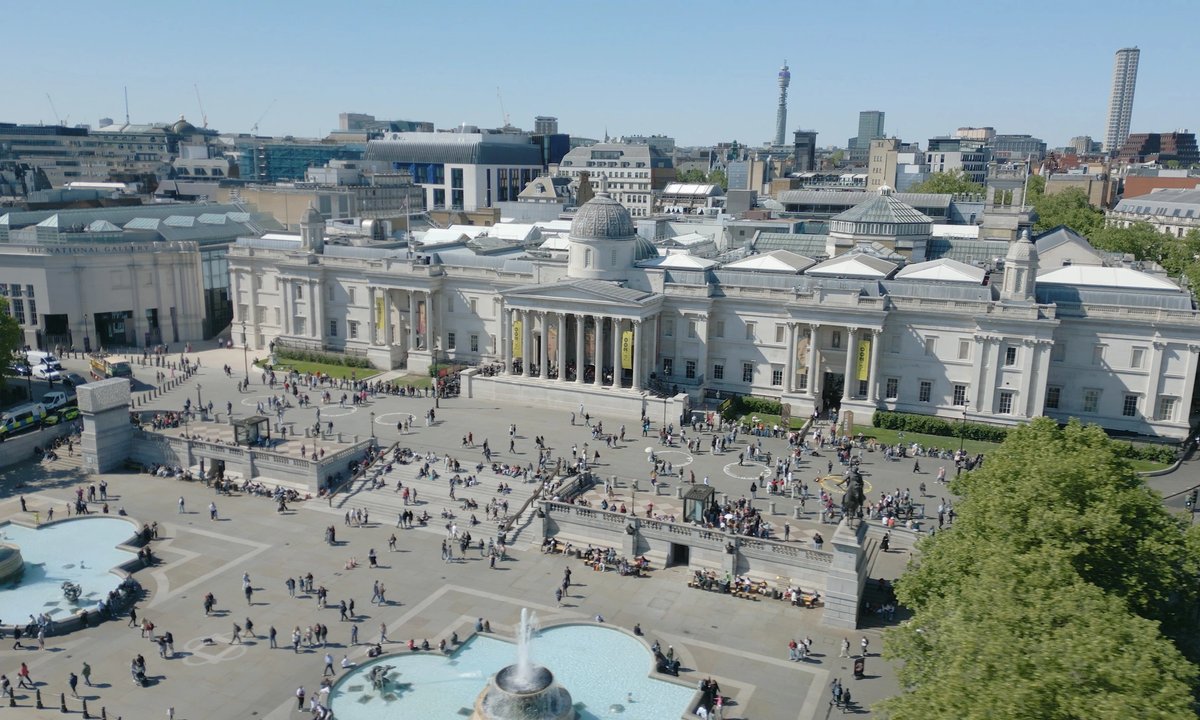
London's National Gallery announces £750m fundraising drive towards new wing and expanded collection

London's National Gallery has announced a £750m fundraising drive, called Project Domani, to expand its collection into the 20th and 21st centuries and build a new wing on the site of St Vincent House, north of the Sainsbury Wing. Around half the target has already been pledged, including two record £150m donations from the Crankstart foundation and the Julia Rausing Trust. A shortlist of six architectural firms—including Foster + Partners, Kengo Kuma and Associates, and Selldorf Architects—has been released to design the extension, with a final choice expected by April and the wing opening in the early 2030s.

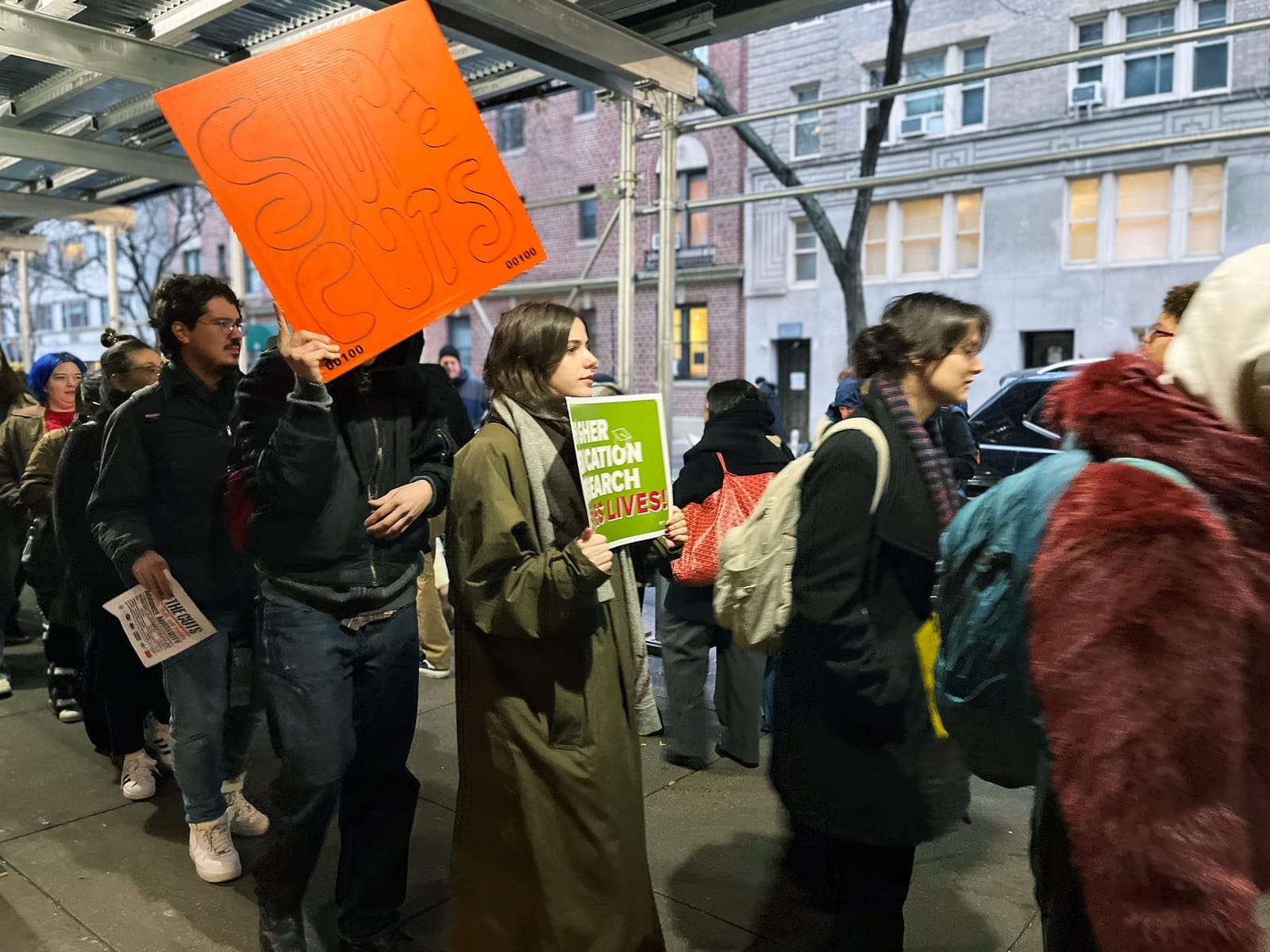
New School Faculty React to Plans to Lay Off 15% of Workforce

The New School announced plans to lay off 15% of its full-time faculty and staff by mid-June, a move driven by a projected $48 million deficit and a 20% enrollment decline since 2021. The cuts are part of a broader workforce reduction strategy that has already included voluntary buyouts. The restructuring will disproportionately affect the New School for Social Research and Eugene Lang College of Liberal Arts, which are undergoing major mergers and program discontinuations, while the Parsons School of Design faces fewer cuts.

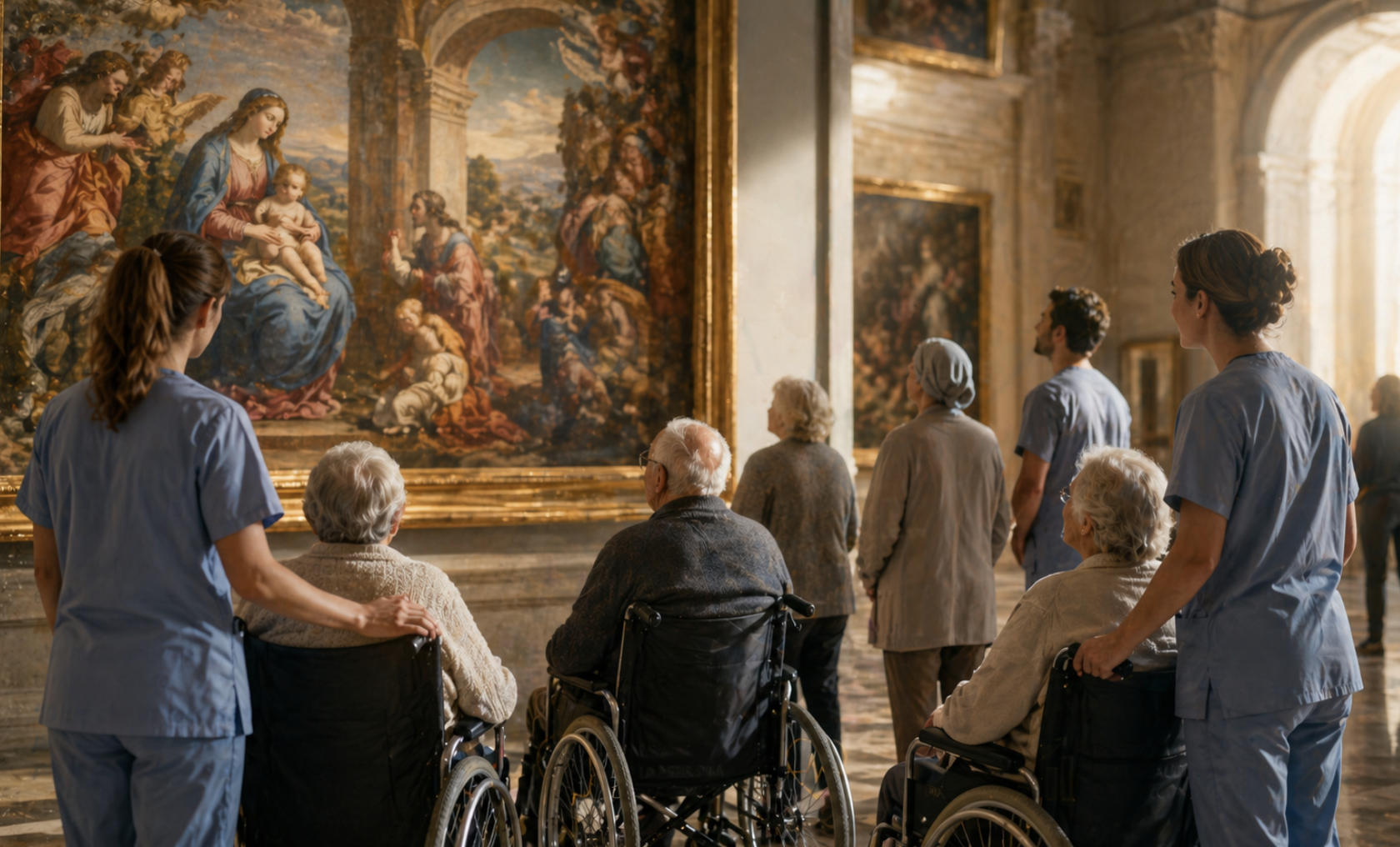
Art can officially be a form of therapy. Interview with Undersecretary of Culture Lucia Borgonzoni, godmother of the project

L’arte può essere ufficialmente una forma di cura. Intervista al Sottosegretario alla Cultura Lucia Borgonzoni madrina del progetto

The Italian Ministry of Culture and Ministry of Health have signed a formal protocol recognizing art as a form of therapy and care. The agreement, championed by Undersecretary of State for Culture Lucia Borgonzoni, mandates that museums, libraries, archives, and cultural institutions play a central role in developing therapeutic pathways using art to improve individual and community well-being. Borgonzoni, who has advocated for this initiative for nearly a decade, traces its origin to a 2018 study at the Sanctuary of Vicoforte that measured cortisol levels in visitors before and after viewing frescoes, showing significant stress reduction.

Cultural Observatories: Dinosaurs or Subjects Capable of Interpreting the Present?

Osservatori culturali. Dinosauri o soggetti in grado di interpretare il presente?

The Cultural Observatory of Canton Ticino has published a study on cultural observatories worldwide, including a map and list of surveyed organizations. The analysis reveals that cultural observatories are not a global phenomenon but are concentrated mainly in Europe and South America, with occasional presence in North America (especially Canada and Hispanic-oriented organizations in the US). Africa, Asia, and Oceania are almost entirely absent from the map. The study also highlights a high rate of inactive observatories: among the top 10 countries by active observatories, only Germany shows an effective activity ratio. Spain has 26 active observatories out of about 45 total, while Italy has 11 active out of over 20 inactive. The research defines observatories as non-profit organizations that combine cultural and statistical expertise to deepen and transfer knowledge about the cultural sector, and classifies as inactive those with no recent activity on web or social channels.