filter_list Showing 21 results for "Future" close Clear
search
dashboard All 361 museum exhibitions 171article news 66article local 42article policy 21article culture 20trending_up market 16person people 15candle obituary 6rate_review review 4
date_range Range Today This Week This Month All
Subscribe

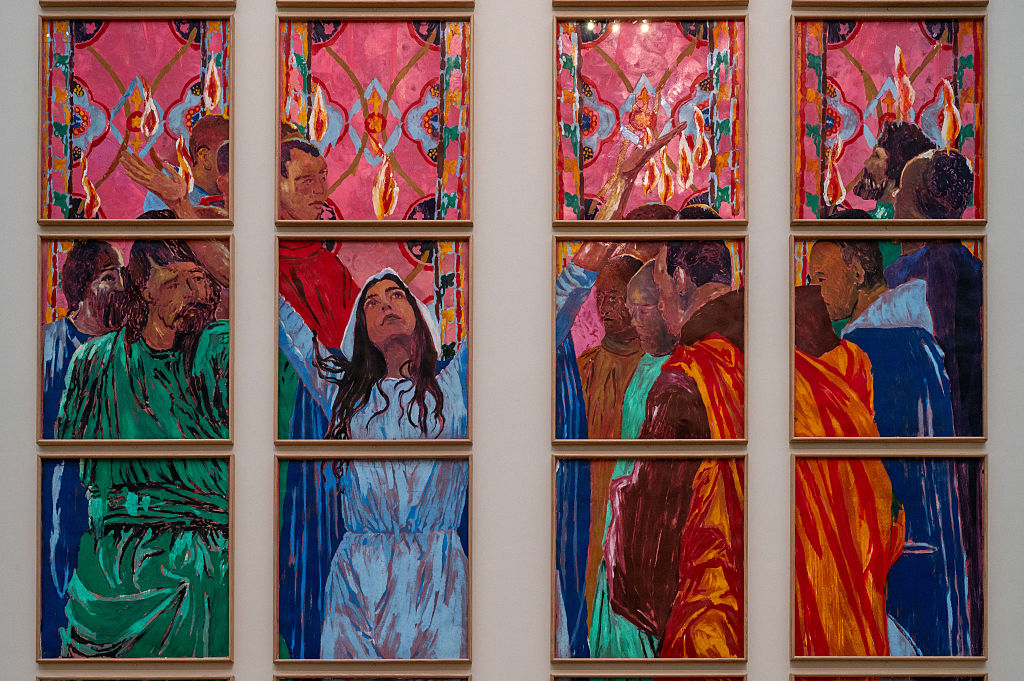
Paris Judge Rejects Bid to Suspend the Replacement of Notre-Dame’s Windows

A Paris judge has rejected a bid to suspend the removal of six 19th-century stained-glass windows by Eugène Viollet-le-Duc from Notre-Dame Cathedral, clearing the way for their replacement with contemporary works commissioned by the French government. The Paris Administrative Court ruled that the project does not constitute an irreversible alteration because the new windows, designed by artist Claire Tabouret and produced by glassmakers Simon-Marq, could be removed in the future, and the original windows will be preserved. The judge did not rule on the legality of the project, which had previously been vetoed by the National Commission of Patrimony and Architecture, leaving the door open for further legal challenges.

America’s Finest Renaissance Tapestry Set for Major Restoration

The European Fine Art Foundation (TEFAF) has awarded its €25,000 Museum Restoration Fund to the Minneapolis Institute of Art (MIA) for the conservation of *The Meeting of Dante and Virgil*, a mid-16th century Italian Renaissance tapestry. This is the first time TEFAF has funded a tapestry restoration since the initiative began in 2012. The wool and silk tapestry, made between 1547 and 1549 by the Florentine workshop of Duke Cosimo I de’ Medici and designed by Francesco Salviati, depicts the opening scene of Dante’s *The Divine Comedy*. It is the only early Medici tapestry held by a public collection outside Italy, standing 17 feet tall and eight feet wide. Due to structural weaknesses and light sensitivity, it has been largely in storage for 70 years. Conservation work by the Midwest Art Conservation Center will include wet cleaning, stabilization, and partial reweaving, along with a new display system. The tapestry is scheduled to return to public view at MIA on July 11.

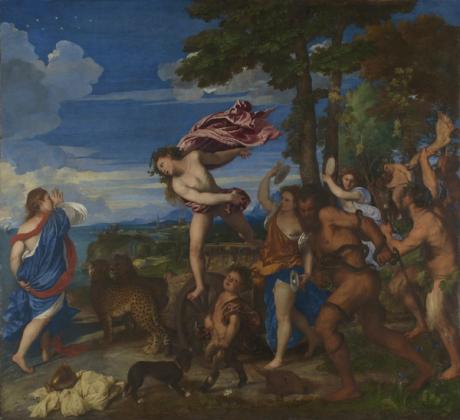
Titian's ‘Bacchus and Ariadne’ to get a refresh with bank conservation grant

Bank of America’s annual art conservation program has awarded grants to 18 projects this year, including the restoration of Titian’s *Bacchus and Ariadne* (1520-23) at the National Gallery in London. The painting will be removed from display next month for conservation work that involves placing it on a new fabric support and repairing paint loss. Other funded projects include Rembrandt’s *The Night Watch* at the Rijksmuseum, bronze palms at the Arc de Triomphe in Paris, *Gaki Zōshi* at the Tokyo National Museum, Matisse’s *La Négresse* at the National Gallery of Art in Washington, DC, and works at the Museo de Arte de Lima and the Montreal Museum of Fine Arts.

"Wir wollen Rücknahme von Kürzungen"

Berlin's cultural senator Sarah Wedl-Wilson resigned on Friday after the Berlin Court of Auditors ruled that millions in funding for antisemitism prevention projects were illegal. The resignation has sparked a political debate, with CDU general secretary Ottilie Klein defending governing mayor Kai Wegner against opposition criticism, while Franziska Stoff of the Berlin Culture Conference demands stability and a reversal of budget cuts. Thomas Fehrle, director of the Deutsche Oper Berlin, expressed personal regret over Wedl-Wilson's departure, praising her competence and engagement.

Arts funding gap in the north must be closed | Letters

Two letter writers to The Guardian criticize the UK government's arts funding imbalance, highlighting that London receives disproportionate investment compared to northern England. Christine Baranski points out that £135m was spent on the V&A East in London while the Tate in Liverpool has been closed for over two years and the Albert Docks cultural area appears neglected. Sharon Maher notes that Arts Council spending is roughly £57 per Londoner versus £28 per person in the north, and argues that future national museum outposts should be located in the north.

Federal Bill Creating Smithsonian Women’s Museum Scuttled Over Demand That It Honor Only “Biological” Females

Legislation to advance the construction of the Smithsonian American Women’s History Museum in Washington, DC, failed in the House on May 21 after Democrats rejected amendments added by Republicans. The bill, introduced by Republican Representative Nicole Malliotakis, was defeated 216-204, with six Republicans joining Democrats in opposition. Key changes included language specifying the museum would honor only “biological women” and explicitly barring the depiction of any “biological male as a female,” which critics said would exclude transgender women. Other provisions would have given President Donald Trump unilateral authority to choose an alternative site for the museum, originally planned for the National Mall, and granted approval power over design and construction to commissions controlled by Trump appointees.

Sainsbury Centre Receives £91.2 Million Donation for Refurbishments

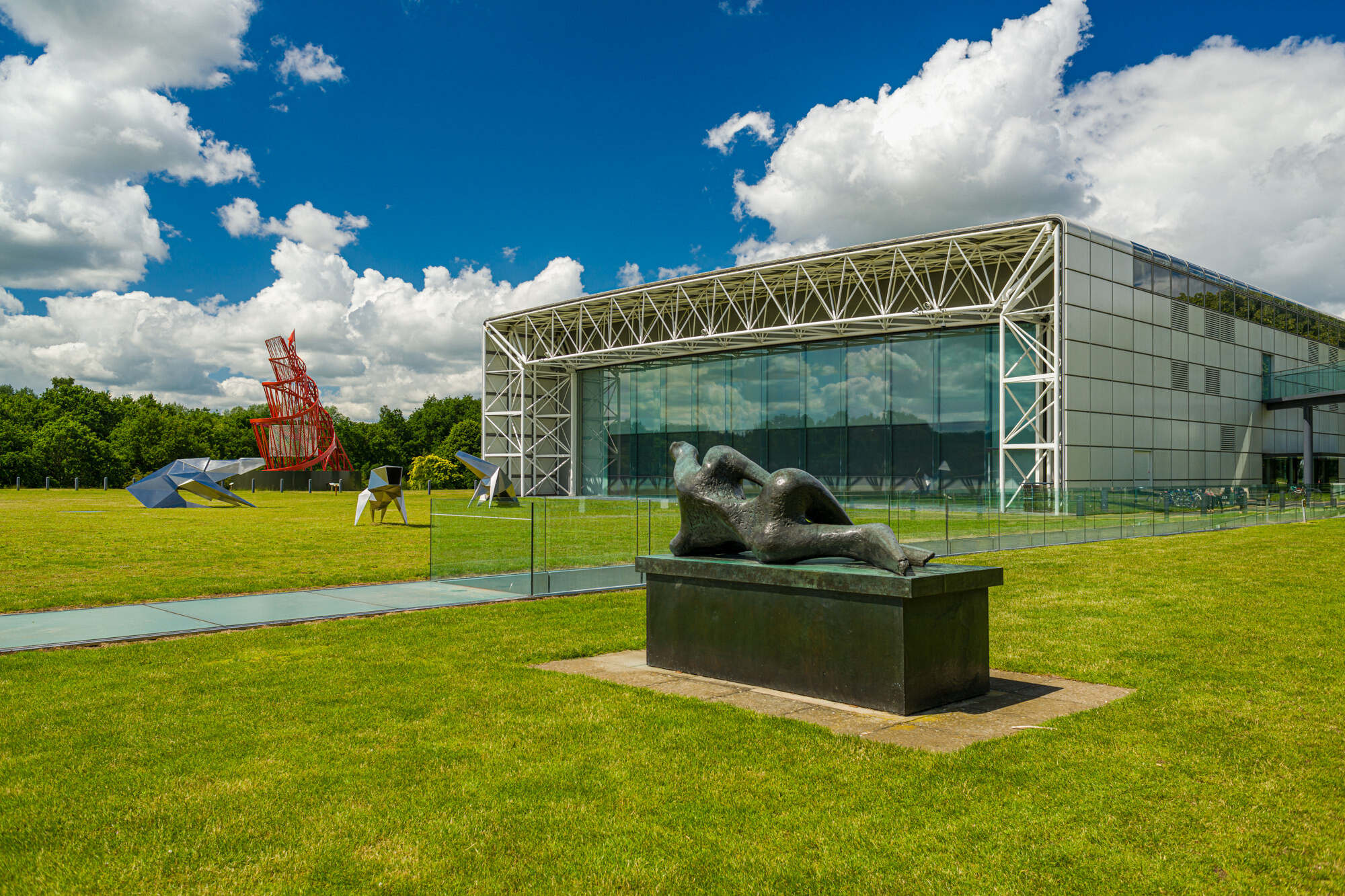
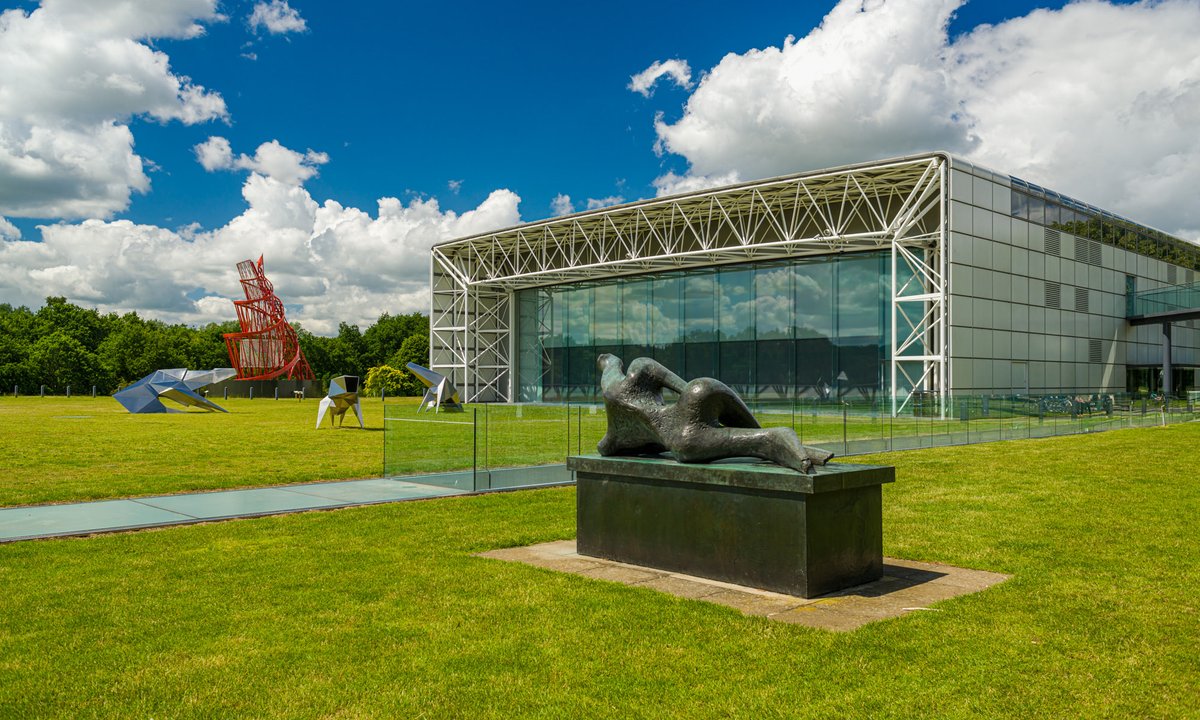
The Sainsbury Centre in Norwich, England, has received a £91.2 million donation from politician and philanthropist Lord David Sainsbury, one of the largest gifts ever made to a UK museum. The funds will support a major refurbishment of the Grade II* listed building, originally designed by Norman Foster, including the conversion of the south cafe terrace into a sustainable space and the installation of photovoltaic panels. The museum was founded in 1973 through a donation from Lord Sainsbury’s parents, Sir Robert and Lady Lisa Sainsbury, who also commissioned Foster to design the gallery.

Sylvie Retailleau : « Pendant cinq ans, tout a été remis en jeu »

Sylvie Retailleau, former French Minister of Higher Education and current president of Universcience since January 2026, details the tense negotiations between the Grand Palais and the Palais de la découverte. She reveals that the Palais de la découverte nearly disappeared during the Grand Palais renovation, but will reopen in March 2027. Universcience ceded a 1,200 m² gallery to the Grand Palais as a financial contribution (worth about €30 million over ten years) and is lending another 350 m² gallery until June 2030 for Centre Pompidou exhibitions during its renovation. In exchange, Universcience gains full control over the programming of the Palais des enfants.

One of England’s greatest art galleries is set for a £90 million transformation

The Sainsbury Centre in Norwich, one of England's greatest art galleries, has received a £91.2 million donation from the Gatsby Charitable Foundation, created by David Sainsbury. The funds will finance a major refurbishment of the Grade II-listed building, originally designed by Norman Foster in 1978, including structural repairs, energy efficiency upgrades, and enhanced visitor amenities. The centre houses a renowned collection featuring works by Picasso, Degas, Bacon, Moore, and Lalique.

Sainsbury Centre receives one of largest ever UK museum donations

The Sainsbury Centre, an art museum in Norwich, England, has received a £91.2 million donation from British politician and businessman David Sainsbury through his charitable foundation, Gatsby. The funds will be used to renovate the grade II* listed building, originally designed by Norman Foster and completed in 1978. The renovation, led by Foster + Partners, includes improvements to the building envelope, photovoltaic panels, and upgraded visitor facilities, aiming to halve the museum's energy use and support the University of East Anglia's net zero campus goal by 2045.

America’s Museums Have a Building Problem

A new report from the Government Accountability Office, analyzed by The Art Newspaper, reveals that roughly 85 percent of American museums are dealing with deferred maintenance or major repair needs, and about 77 percent have at least one structural issue that could endanger their collections. Many of the country's 16,700 museums are small, under-resourced operations housed in aging or historic buildings, with half reporting over $100,000 in deferred maintenance. Basic repairs like roofs or HVAC systems can consume large portions of annual budgets, forcing some institutions to store artworks in makeshift spaces like garages or bathrooms.

L'excellent rapport de la commission d'enquête sur la sûreté des musées est paru

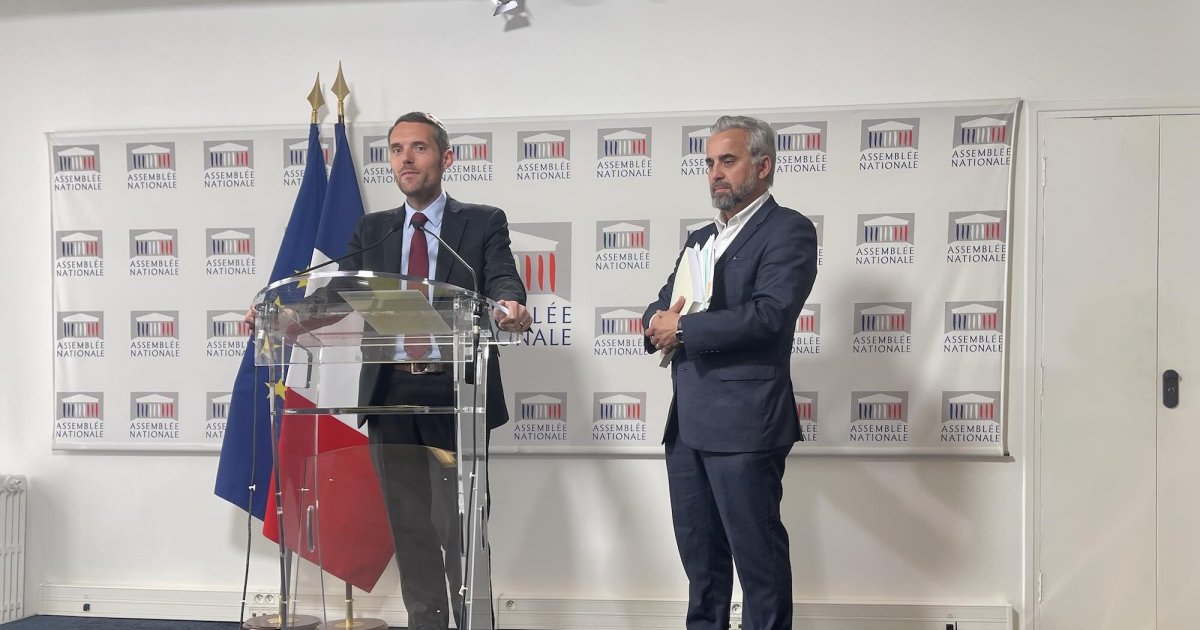
A French parliamentary commission of inquiry into museum security, initiated by Alexandre Portier (president) and reported by Alexis Corbière, has published its findings. The report, unanimously adopted across party lines, includes forty recommendations and is notably critical of the Louvre's management under director Laurence des Cars, accusing her of neglecting security priorities and causing significant delays in the museum's master plan. The commission validated earlier criticisms by La Tribune de l'Art, describing the Louvre as an "État dans l'État" (state within a state) and estimating that twenty to twenty-seven months were lost due to postponed decisions.

Taiwan Strips National Prize from Sakuliu Pavavaljung After Sexual Assault Conviction

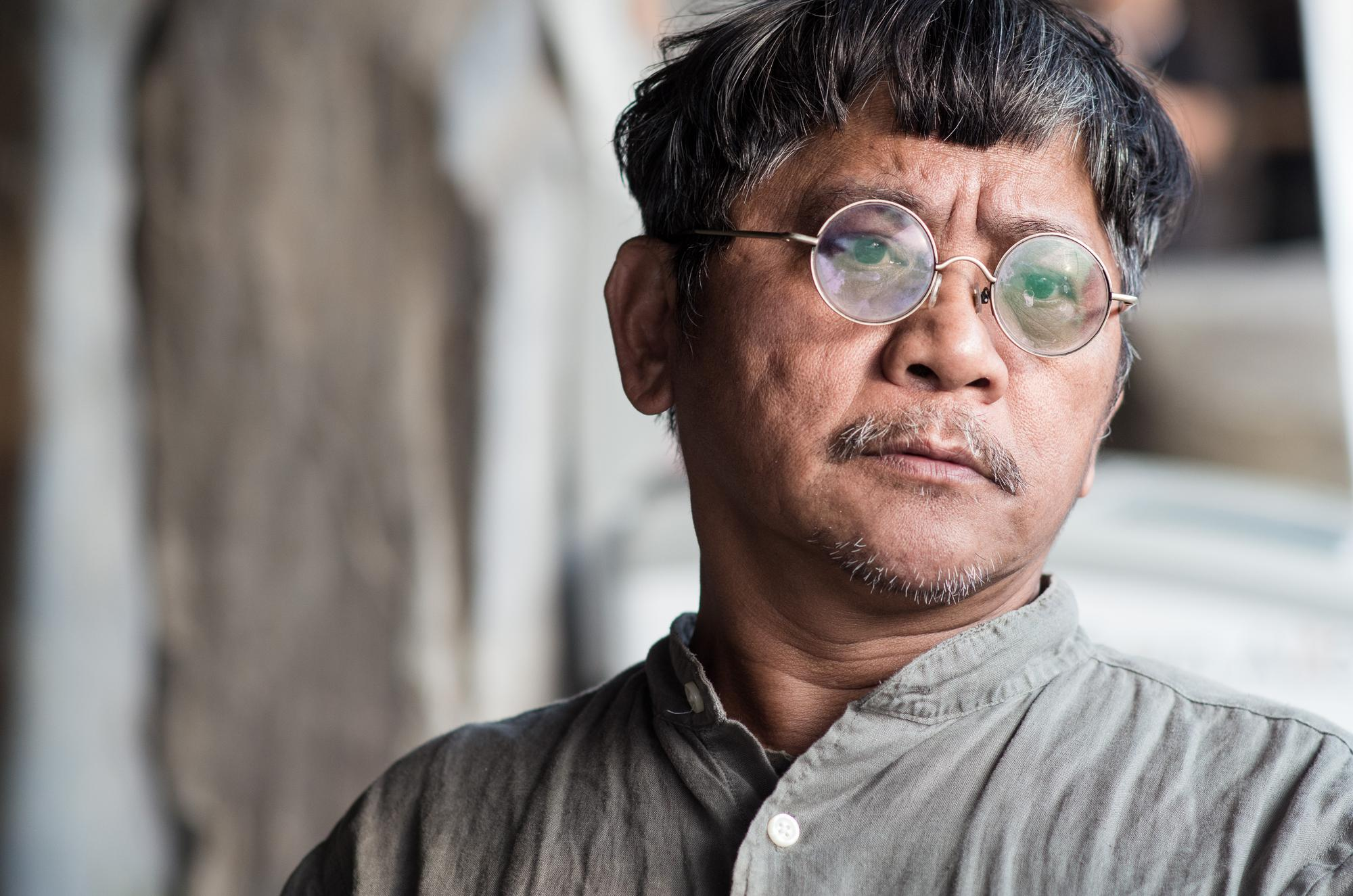
Taiwan’s National Culture and Arts Foundation has revoked the National Award for Arts from Indigenous Paiwan artist Sakuliu Pavavaljung, following his conviction for sexual assault. The Supreme Court upheld a four-and-a-half-year prison sentence for forcible sexual intercourse involving a female student in 2021. Pavavaljung, who received the award in 2018, must return the NTD 1 million prize. The case gained traction after artist Kuo Yu Ping disclosed it on social media in December 2021, leading to additional victims coming forward. His planned exhibition for Taiwan at the 59th Venice Biennale was canceled in 2022.

Sachsen-Anhalt schützt Kunst und Kultur per neuem Gesetz

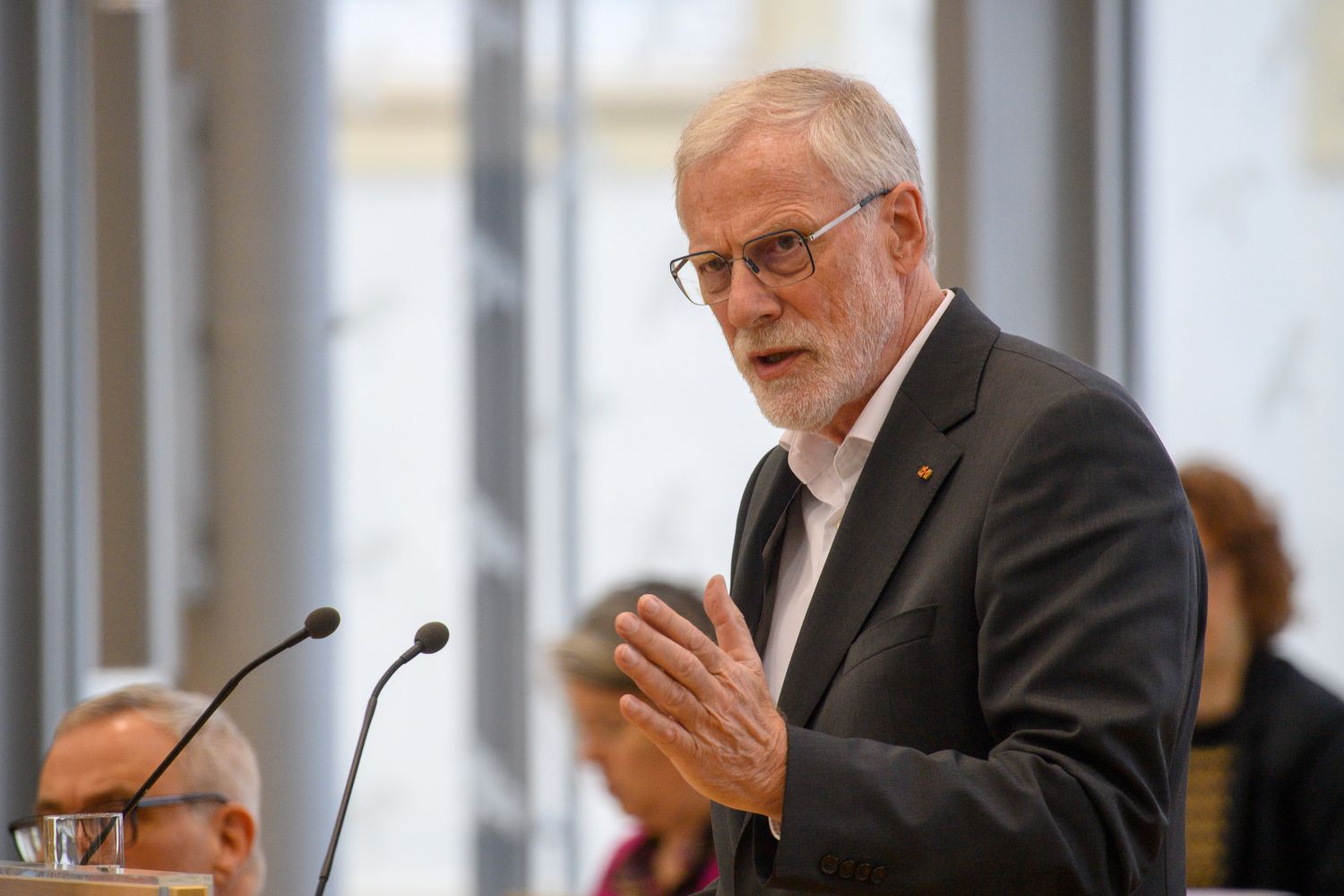
Sachsen-Anhalt has enshrined support for art and culture as a state objective in a new law, passed by the state parliament in Magdeburg with the exception of the AfD faction, which abstained. Culture Minister Rainer Robra (CDU) framed the law as fulfilling a promise from 1989, defining what constitutes art and culture in the state, including their roles in education and as an economic factor, and aiming to make cultural structures resilient against future attacks on artistic freedom.

Why Italy's cultural wealth never really enters public accounts and budgets?

Perché la ricchezza culturale italiana non entra mai davvero nei conti e nei bilanci pubblici?

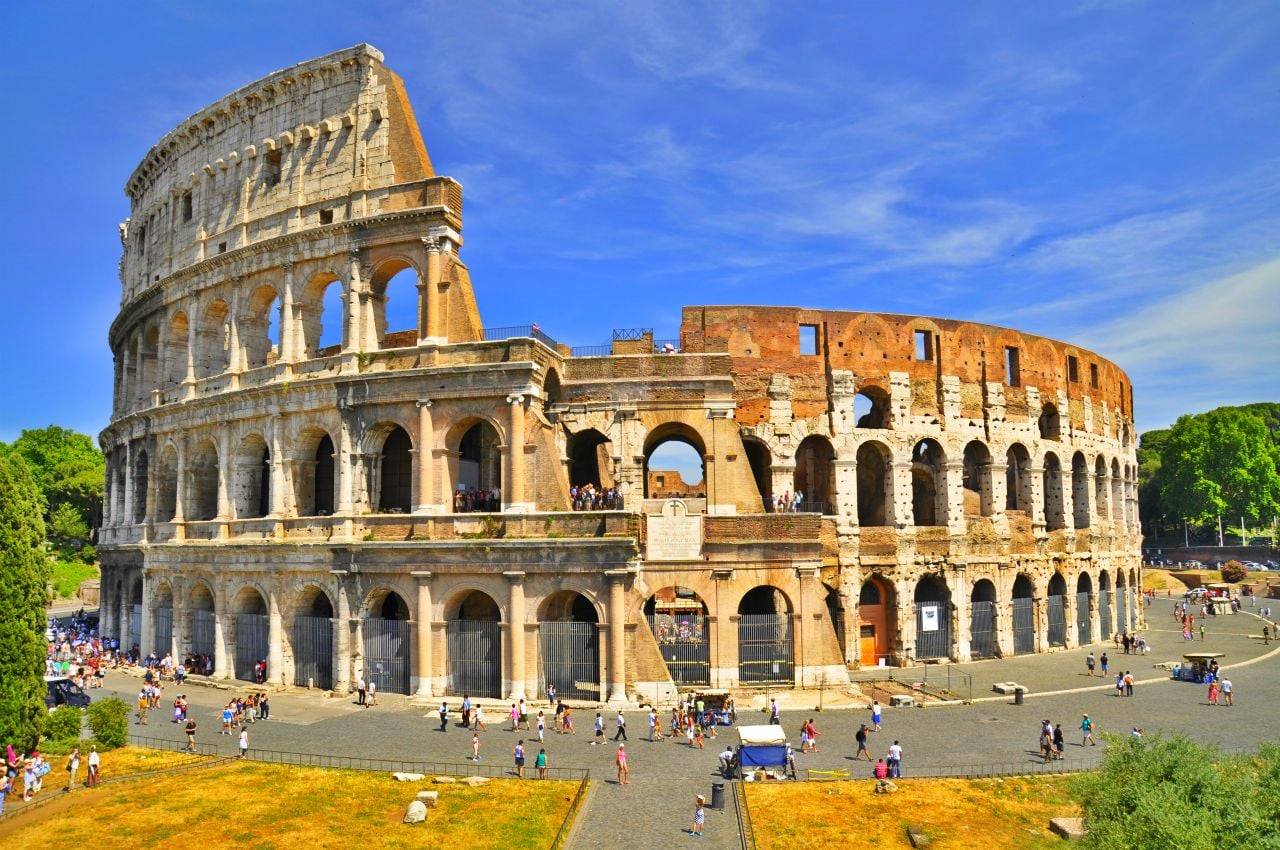
Italy has exceeded the European Commission's structural adjustment path by 0.1 percentage points of GDP, reopening fiscal scrutiny. Amid this debate, the article highlights a deeper issue: Italy's immense cultural heritage is drastically undervalued in public accounts. For example, the Pompeii Archaeological Park is recorded at just €48.9 million, the Colosseum at under €15 million, and the Uffizi at about €2 billion—figures based on outdated 2002 ministerial criteria that bear no relation to actual economic or cultural worth. The State General Accounting Office, with the University of Roma Tre and EU technical assistance, has proposed a new methodology to value cultural assets by discounting their future net financial flows, including direct revenues and indirect tourism-related returns.

The Biennale Must Remain Open – Also for Russia

Die Biennale muss offen bleiben – auch für Russland

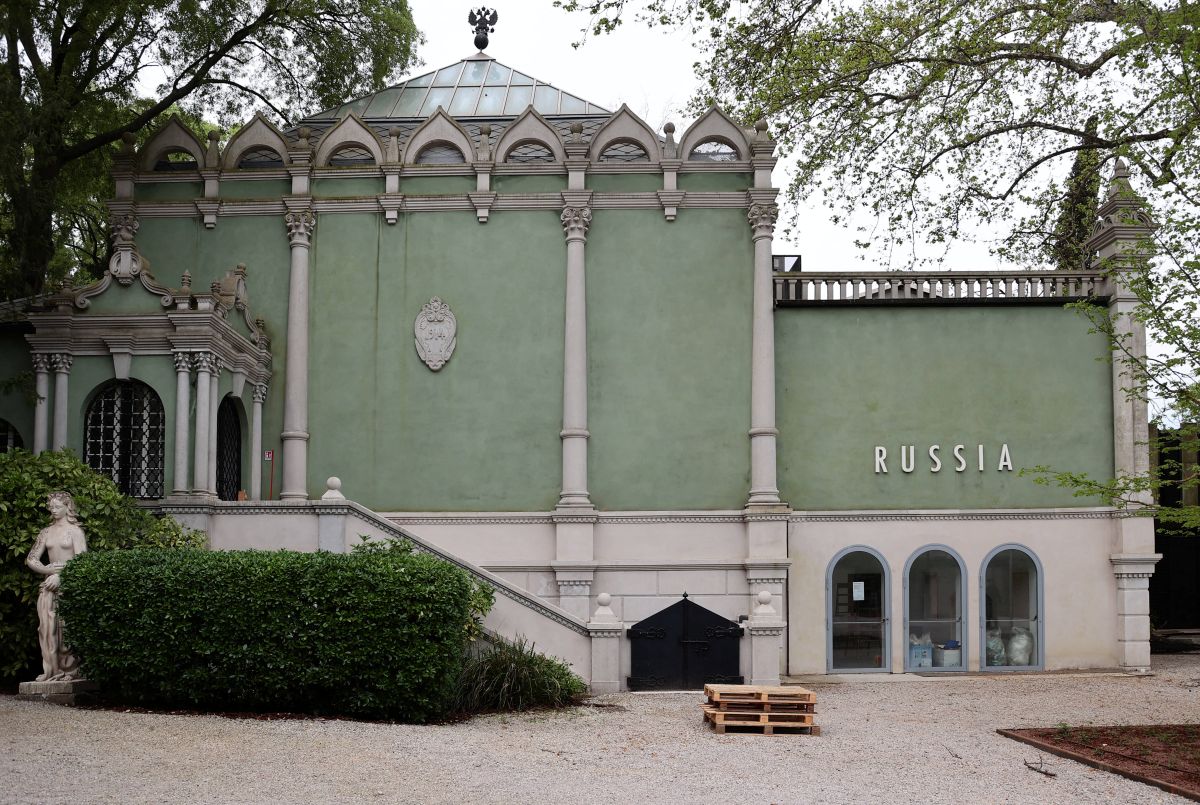
The article argues against calls to exclude Russia from the Venice Biennale, focusing on the controversy surrounding the Russian pavilion's planned exhibition titled "Der Baum ist im Himmel verwurzelt" (The Tree Is Rooted in Heaven). The pavilion is set to feature musicians from Russia, Argentina, Mali, and Mexico, and its theme revolves around the idea that politics is time-bound. The author contends that while the demand to exclude Russia is understandable given the geopolitical context, it is dangerous because once a biennial begins disinviting states, it undermines the very concept of the international exhibition.

Art can officially be a form of therapy. Interview with Undersecretary of Culture Lucia Borgonzoni, godmother of the project

L’arte può essere ufficialmente una forma di cura. Intervista al Sottosegretario alla Cultura Lucia Borgonzoni madrina del progetto

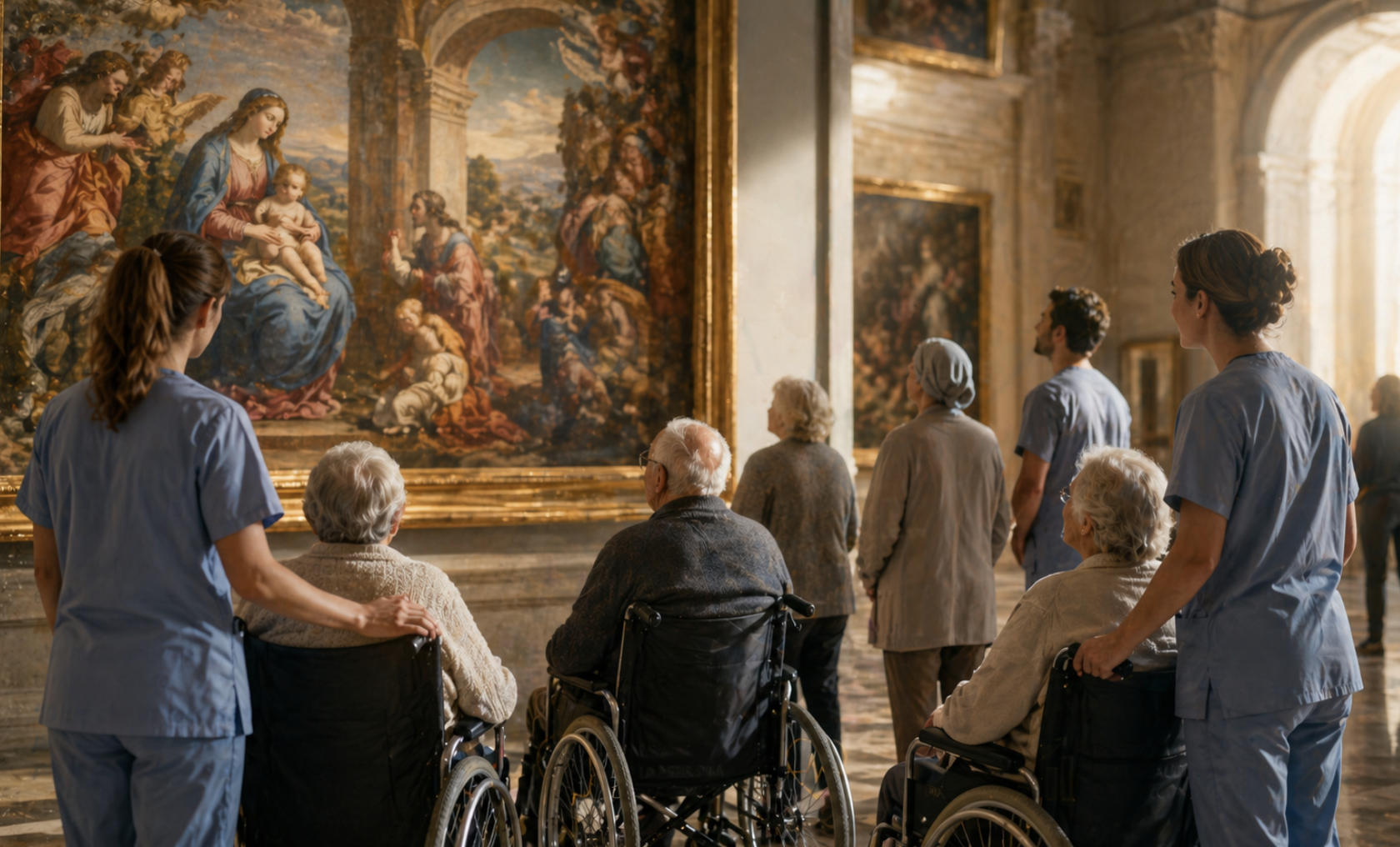
The Italian Ministry of Culture and Ministry of Health have signed a formal protocol recognizing art as a form of therapy and care. The agreement, championed by Undersecretary of State for Culture Lucia Borgonzoni, mandates that museums, libraries, archives, and cultural institutions play a central role in developing therapeutic pathways using art to improve individual and community well-being. Borgonzoni, who has advocated for this initiative for nearly a decade, traces its origin to a 2018 study at the Sanctuary of Vicoforte that measured cortisol levels in visitors before and after viewing frescoes, showing significant stress reduction.

Une souscription pour restaurer le réfectoire des Invalides

La Tribune de l'Art reports that a fundraising campaign has been launched to restore the refectory of the Hôtel des Invalides in Paris, specifically the salle de l'Europe. This room features 17th-century murals attributed to Michel Corneille le Jeune, depicting battles from the Franco-Dutch War (1673–1675), including the sieges of Maastricht, Huy, and Limbourg, as well as allegorical scenes of Louis XIV. The restoration is organized by the Musée de l'Armée, which manages the site.

Can the Costume Institute Survive Without the Met Gala?

The New York Times examines whether the Costume Institute at the Metropolitan Museum of Art can sustain its operations and influence without the Met Gala, its annual fundraising gala that generates millions of dollars and global media attention. The article explores the financial and cultural dependency of the institute on the star-studded event, which has become a major pop culture phenomenon, and considers alternative funding models and programming strategies that could ensure its future.

NRW will Verbot für Handel mit Holocaust-Dokumenten

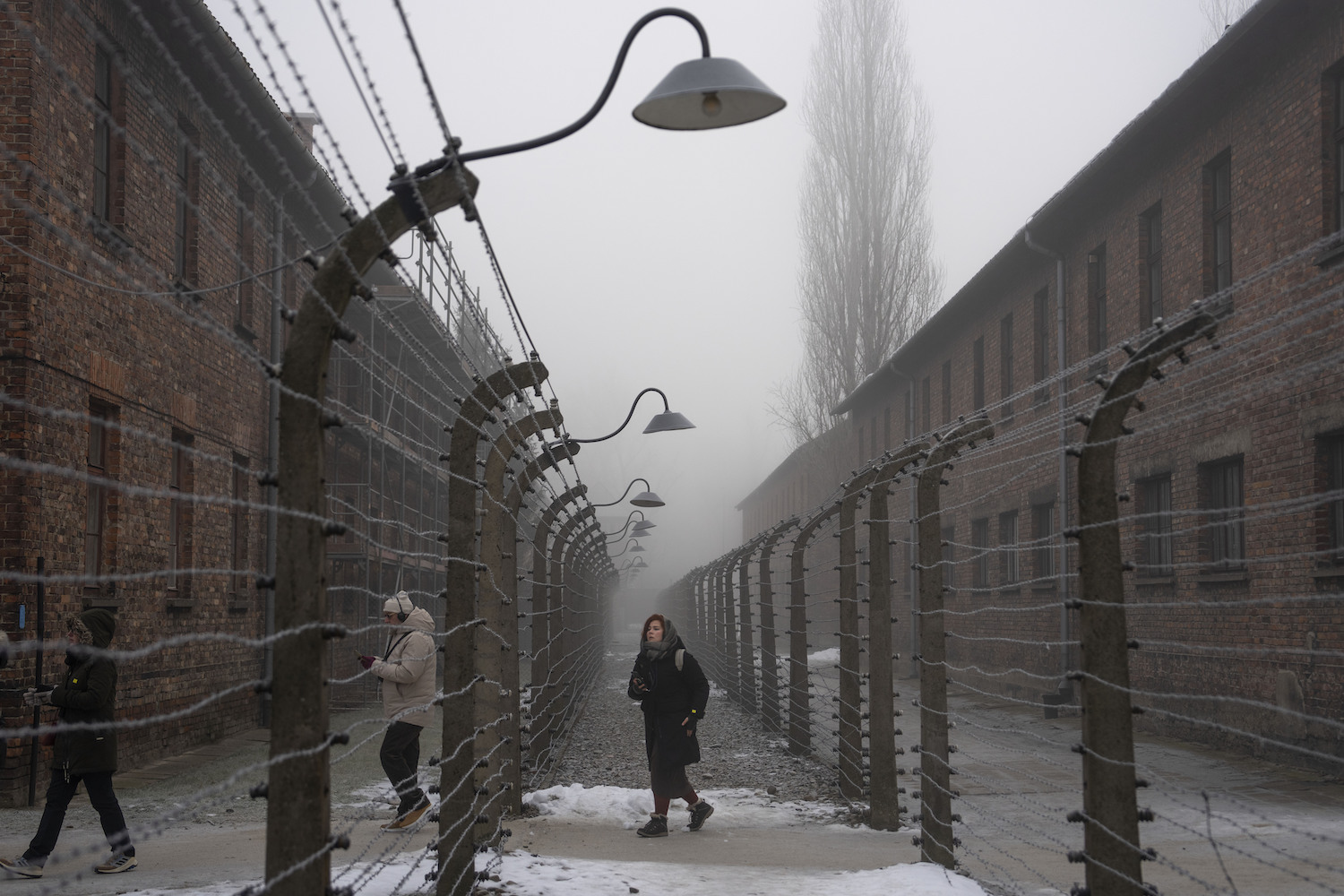
The German state of North Rhine-Westphalia (NRW) is introducing a legislative bill to ban the commercial trade of personal Holocaust documents and artifacts, such as letters from concentration camps, Gestapo cards, and yellow stars. The initiative follows international outrage over a planned auction in Neuss in November 2025, which was halted at the last moment; around 460 objects from that auction were transferred to the Auschwitz-Birkenau Foundation. The bill, to be presented at the Bundesrat session on May 8, aims to prohibit the sale of items directly linked to Nazi victims, while exempting museums, archives, and research institutions.

Venice Biennale jury excludes Russia and Israel from artist awards as EU threatens funding cut

The Venice Biennale jury has excluded Russia and Israel from eligibility for artist awards, following the EU's threat to cut funding over geopolitical concerns. The decision bars artists from these countries from being considered for official prizes at the prestigious international art exhibition.