
filter_list Showing 4 results for "GRIT" close Clear
dashboard All 11 article policy 4museum exhibitions 3rate_review review 3article news 1
date_range Range Today This Week This Month All
Subscribe

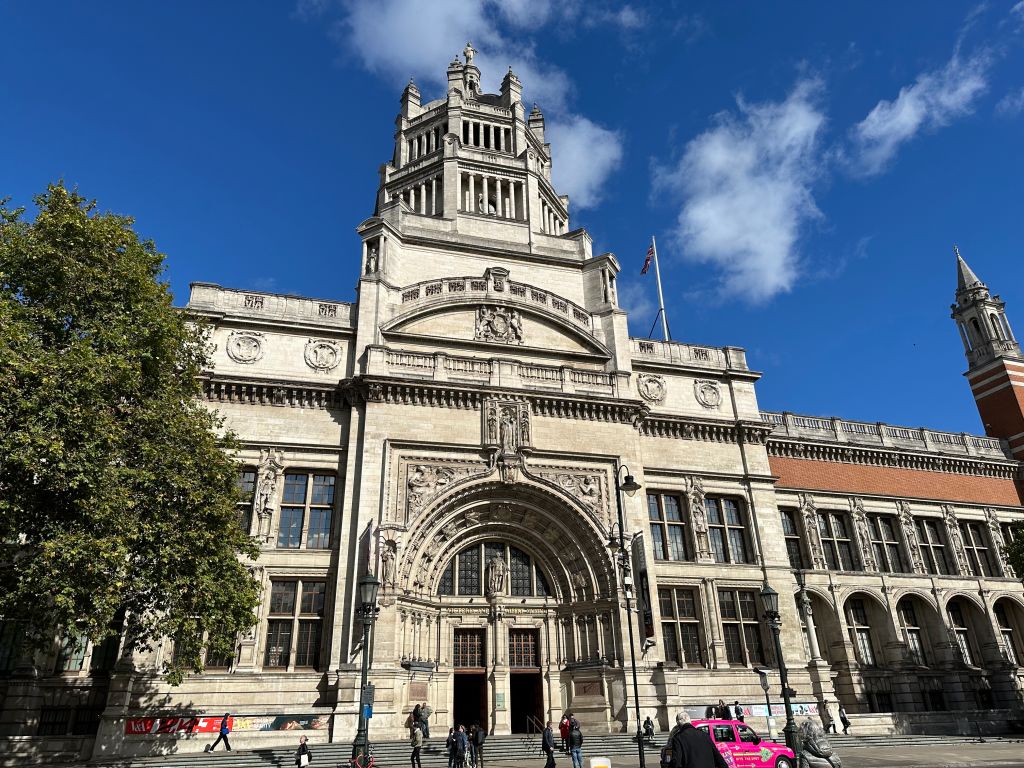
V&A Pulls Catalog Materials Due to Chinese Censorship Laws

The Victoria and Albert Museum (V&A) in London has admitted to removing maps and images from two exhibition catalogs following censorship demands from a Chinese printing firm. Documents revealed that C&C Offset Printing flagged content in the catalogs for the exhibitions "Music Is Black" and "Fabergé: Romance to Revolution" as violating Chinese law. The censored items included a 1930s map of British trade routes and a photograph of Vladimir Lenin, which the printer claimed could not be produced under Beijing’s strict regulations.
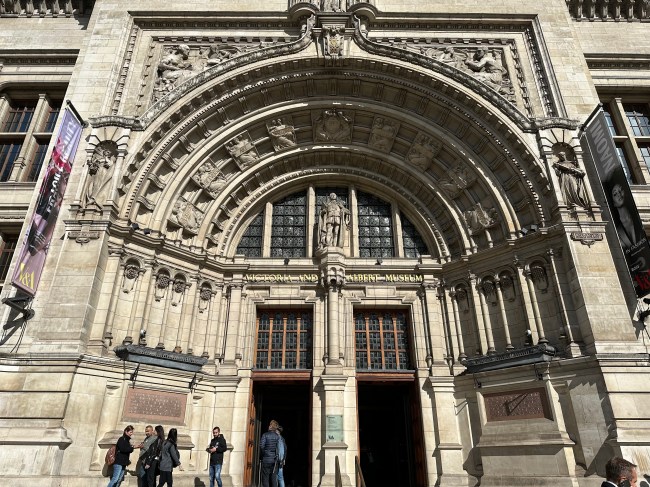
V&A Museum Has Acquiesced to Censorship Requests from Chinese Printer: Report

London’s Victoria and Albert Museum (V&A) reportedly complied with censorship demands from its Chinese printing firm, C&C Offset Printing, to alter exhibition catalogues. Internal emails revealed that the museum removed a photograph of Lenin from a Fabergé exhibition book and altered historical maps to align with Chinese government standards after the printers flagged them as "sensitive." Staff noted that while they were aware of contemporary geopolitical sensitivities, the restrictions had expanded to include historical imagery, forcing last-minute editorial changes to avoid production delays.

Europe: China’s censorship of cultural institutions must be challenged - ARTICLE 19

The Victoria and Albert Museum (V&A) in London has reportedly removed maps and images from exhibition catalogues on multiple occasions following pressure from its Chinese publisher, C&C Offset Printing. The publisher cited directives from China's General Administration of Press and Publication (GAPP), which enforces the Chinese Communist Party's official narratives on sensitive topics like territorial borders.

The process for awarding the title of Italian Capital of Culture should be rethought. Here's why.

Il processo per assegnare il titolo di Capitale Italiana della Cultura andrebbe ripensato. Ecco perché

An analysis of the selection process for Italy's "Capital of Culture" title reveals a consistent pattern: cities chosen for the prestigious designation are almost exclusively administered by political coalitions aligned with the national government in power at the time of selection. The sole exceptions were Bergamo and Brescia, which were jointly awarded the title via a special parliamentary decree in recognition of their suffering during the pandemic, bypassing the standard procedure. This political alignment has persisted across different legislatures and changes in government.