filter_list Showing 17 results for "Gala" close Clear
search
dashboard All 624 museum exhibitions 296article news 91article culture 72trending_up market 51article local 38person people 37article policy 17rate_review review 8candle obituary 4gavel restitution 4article event 3article events 3
date_range Range Today This Week This Month All
Subscribe

10 Practical Reasons We Need to Defend the National Endowment for the Arts

10 practical reasons need fund defend national endowment arts

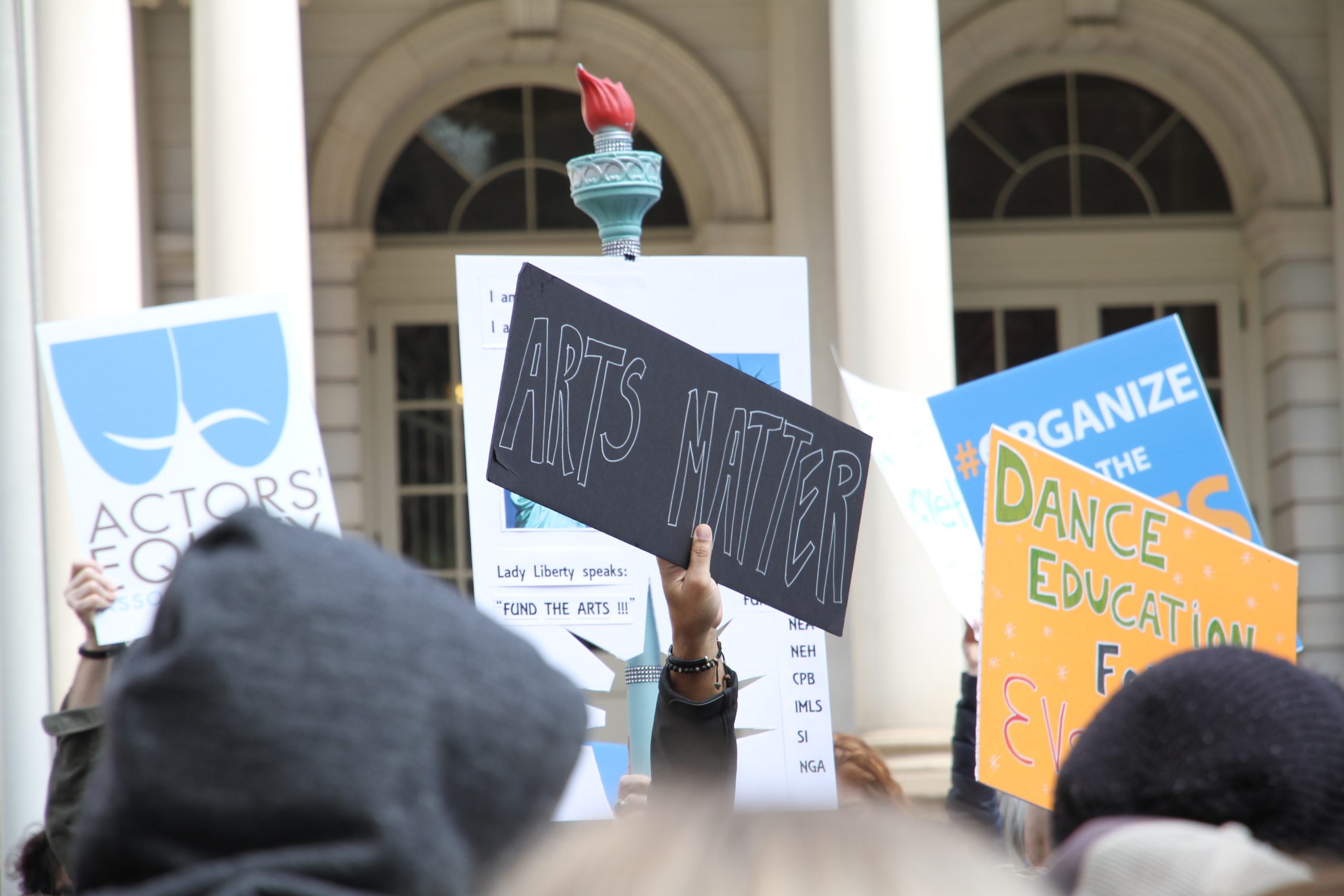
President Donald Trump's administration has renewed efforts to defund the National Endowment for the Arts (NEA), proposing for the fourth consecutive year a budget that would zero out the agency. The Heritage Foundation, a conservative think tank that has staffed the current administration, continues to promote its 1997 report 'Ten Good Reasons to Eliminate Funding for the National Endowment for the Arts' as a key reference in debates. This article, originally published in 2020 and republished in response to these developments, systematically rebuts each of the Heritage Foundation's arguments against the NEA, beginning with the claim that private support alone is sufficient.

black arts institutions funding nea cuts

The National Endowment for the Arts (NEA) has announced funding cuts to arts organizations across the U.S. as part of broader government spending reductions under the Trump administration. These cuts disproportionately affect Black-led art institutions, including the Museum of Contemporary African Diasporan Art (MoCADA), Museum Hue, and the Billie Holiday Theatre, which rely heavily on federal grants for programming and operations. While some organizations received final payments or avoided returning funds, they face an uncertain future as critical funding streams are terminated or made ineligible for renewal.

Participating Artists and Curators Push Back on Venice Biennale’s Relocation of Israeli Pavilion, Call for Exclusion of Russia, Israel, and US

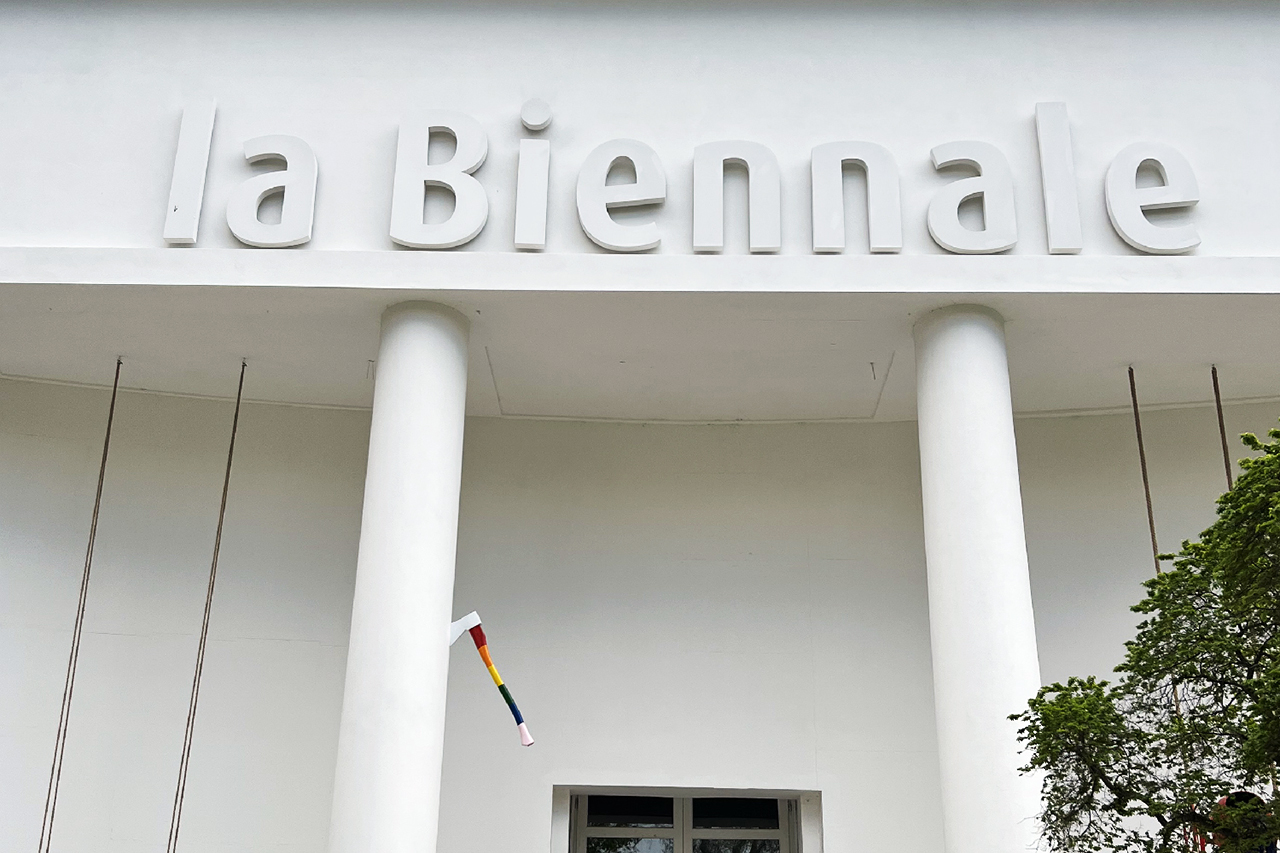
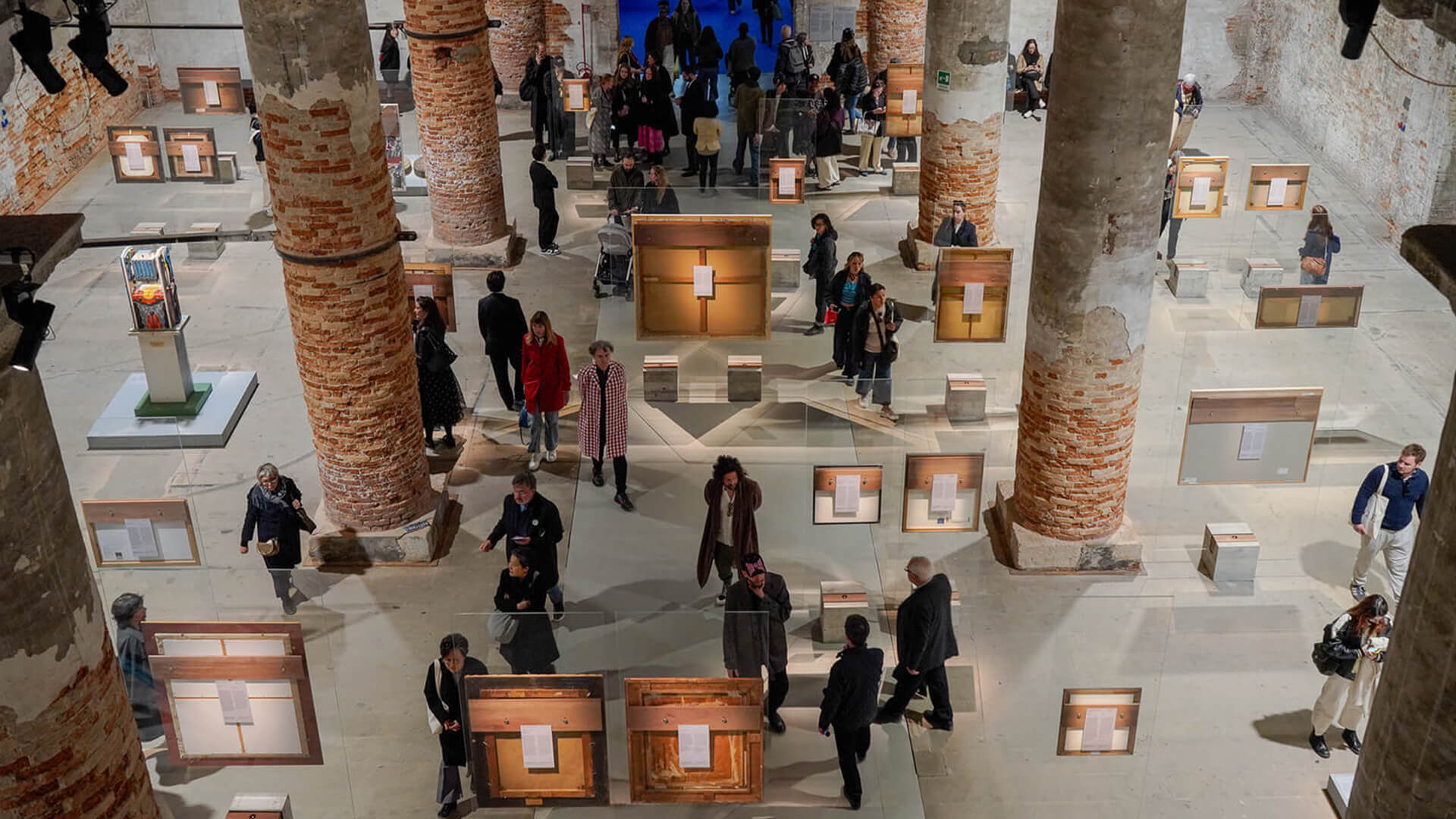
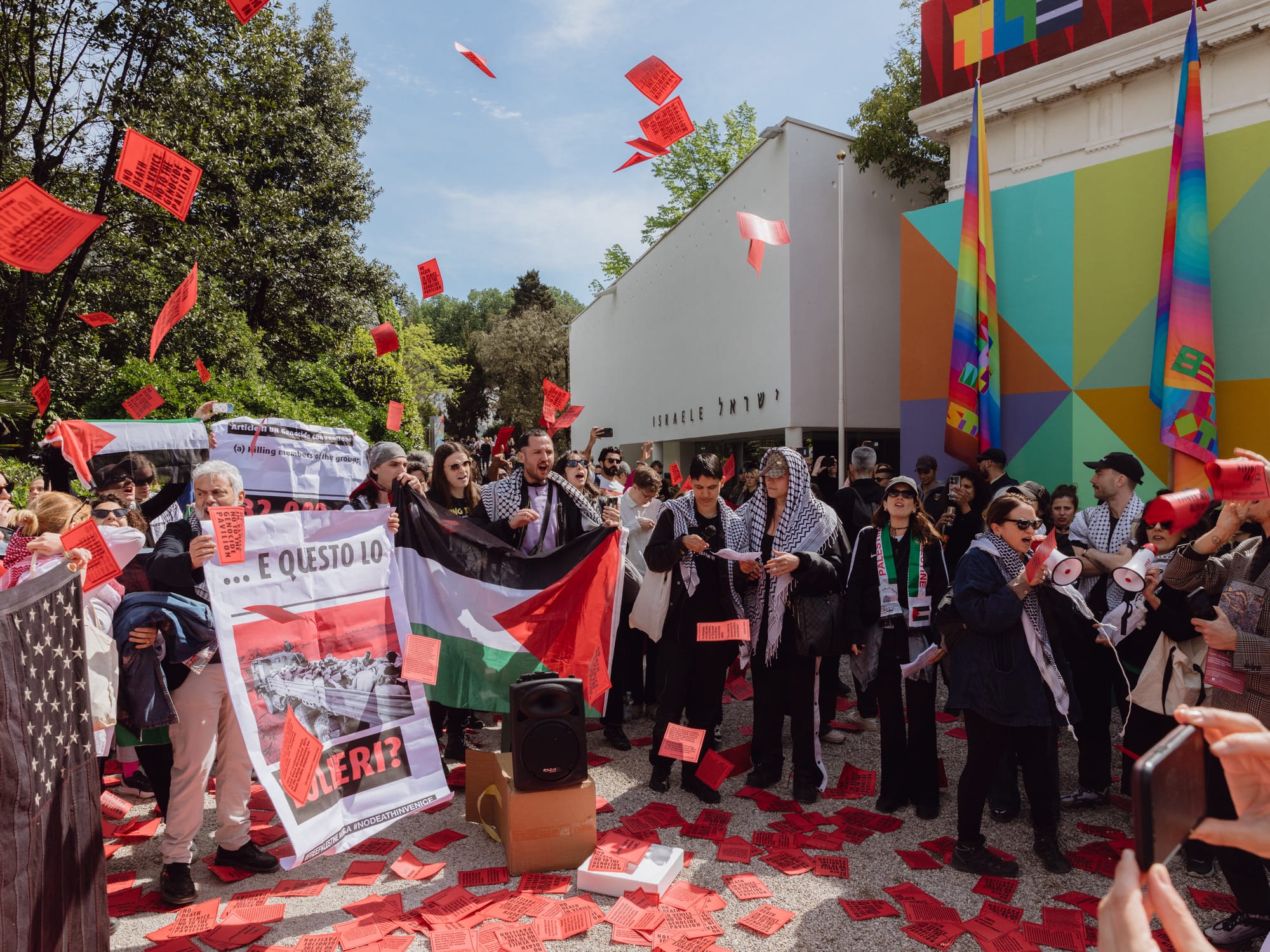
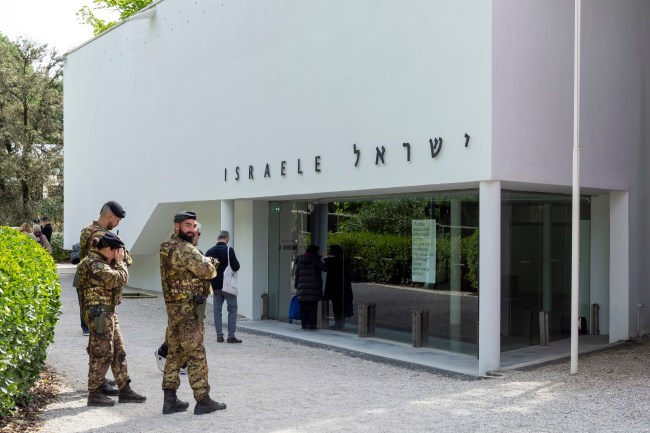
Seventy-three artists and curators participating in the main exhibition of the 2024 Venice Biennale have issued an open letter objecting to the organizers' decision to relocate the Israeli national pavilion to the Arsenale. They argue this move creates an intimidating atmosphere contrary to the late curator Koyo Kouoh's vision of "radical solidarity" and will necessitate a heightened security presence. The signatories, which include key curators tasked with realizing Kouoh's exhibition, also call for the exclusion of Israel, Russia, and the United States from the event, citing their governments' alleged commission of war crimes.

hamburger bahnhof gala patrons

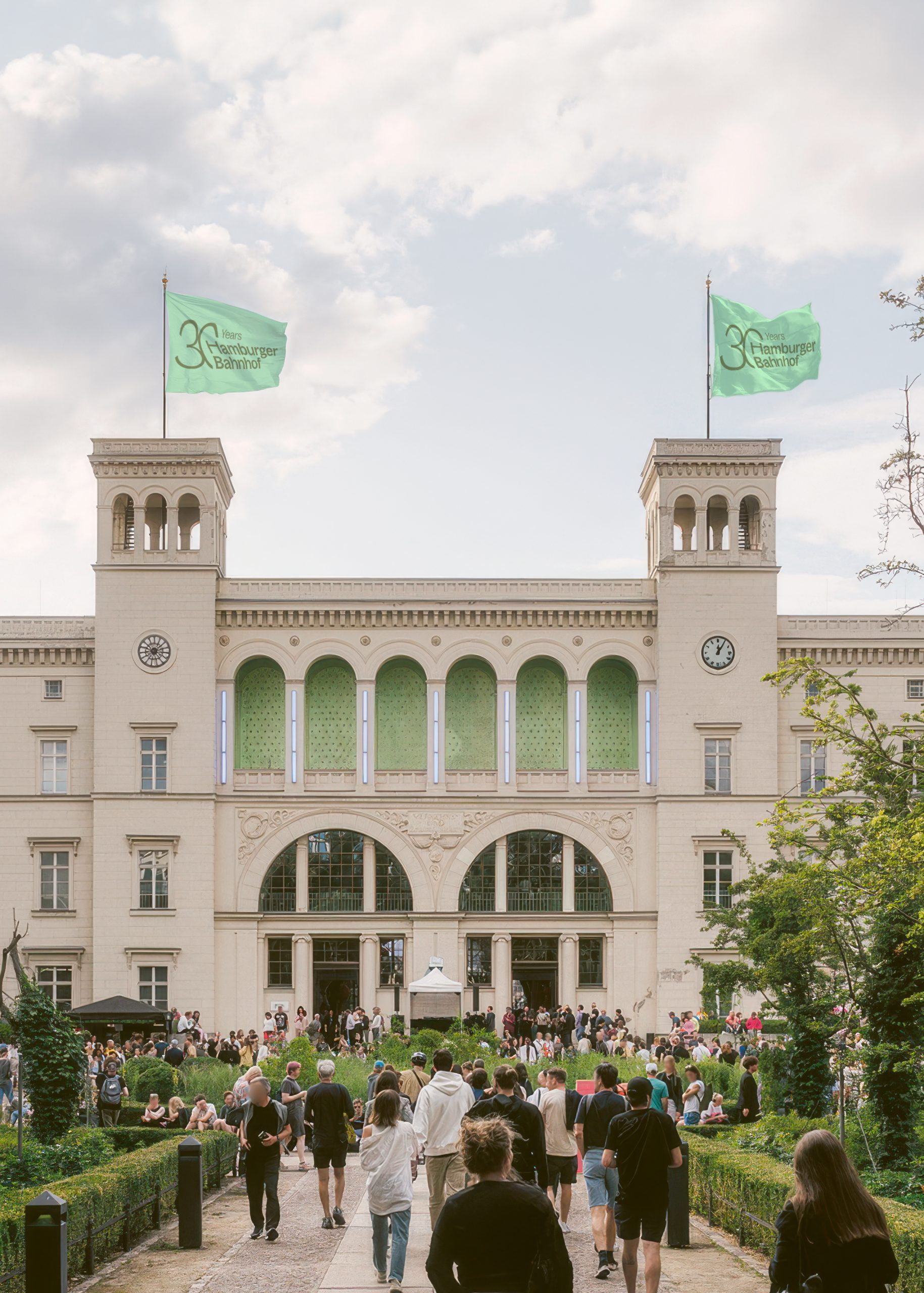
Berlin's Hamburger Bahnhof museum, facing budget cuts of up to 12% and shifting government spending priorities in Germany, is planning its first-ever gala to mark its 30th anniversary. Co-directors Sam Bardouil and Till Fellrath are spearheading the event, set for March, which will feature cultural figures including Cate Blanchett, Matt Dillon, Elmgreen & Dragset, and the Berlin Philharmonic. The museum has also launched the Chanel Commission and the International Companions philanthropy circle to diversify funding sources.

nicholas galanin pulls out smithsonian syposium

Artist Nicholas Galanin withdrew from a symposium tied to the Smithsonian American Art Museum exhibition “The Shape of Power: Stories of Race and American Sculpture,” alleging that organizers asked him not to record the event or share footage on social media. The symposium, a private event not publicly listed on the Smithsonian’s website, also included curator Hamza Walker, artists Titus Kaphar and Miguel Luciano, and critic Aruna D’Souza. Galanin stated on Instagram that the request effectively censored participants, though a Smithsonian spokesperson denied censorship, citing that not all participants consented to recording. The exhibition was previously singled out by President Donald Trump in an executive order criticizing the Smithsonian for promoting “divisive, race-centered ideology.”

Urgent Request from Participating Artists and Curators of the 61st Venice Biennale

第61回ヴェネツィア・ビエンナーレ参加アーティストおよびキュレーターによる緊急要請

A group of 73 artists and curators participating in the 61st Venice Biennale, including Yoshiko Shimada and Bubu de la Madeleine, have issued an urgent demand to the Biennale's board to revoke Israel's participation. The collective specifically objects to the decision to relocate the Israeli pavilion to the Arsenale, arguing that its presence contradicts the curatorial vision of Artistic Director Koyo Kouoh, which emphasizes the dignity of all life. They contend that the military and police presence required for the pavilion introduces an atmosphere of violence and fear that undermines the exhibition's integrity.

Brian Eno and 200+ Artists Urge British Museum to “Stop Erasing Palestine”

Brian Eno and 200+ Artists Urge British Museum to “Stop Erasing Palestine”

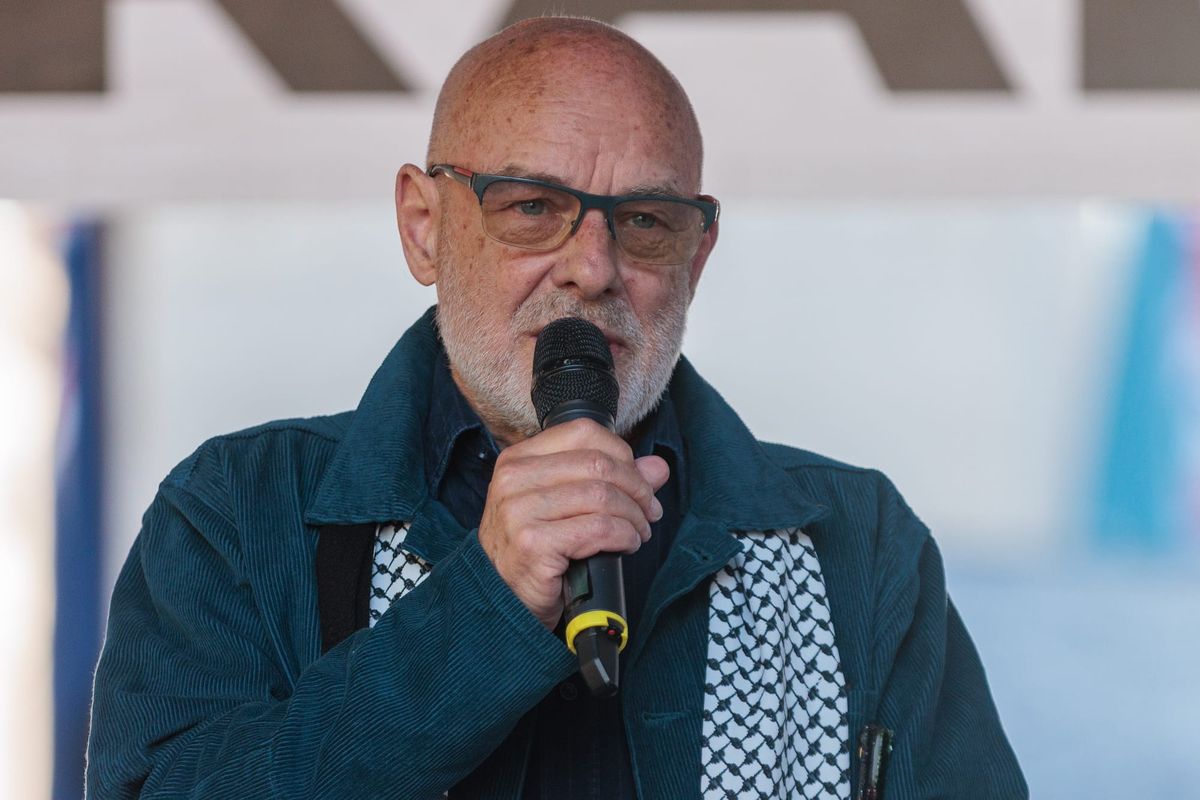
Over 200 artists and cultural groups, led by musician Brian Eno, have published an open letter demanding the British Museum stop what they call the "erasure of Palestine." The letter accuses the museum of altering wall texts in its Middle East Galleries, such as replacing "Palestinian descent" with "Canaanite descent," following pressure from the pro-Israel group UK Lawyers for Israel. The signatories also criticize the institution's past ties to the Israeli embassy and sponsor BP, issuing demands for an expert review of labels and an apology for hosting an Israeli embassy gala.

george soros trump open society foundations investigation

The Trump administration has escalated its attacks on billionaire philanthropist George Soros, with the Justice Department calling for an investigation into his Open Society Foundations. The foundations, which provide substantial grants to artists and human rights organizations globally, are accused of potential racketeering, wire fraud, and material support for terrorism, based on allegations from the conservative Capital Research Center. Soros, a major Democratic donor, has previously been targeted by Trump and Vice President JD Vance, who claim the foundations fund leftist protests. The Open Society Foundations have awarded $100,000 fellowships to numerous prominent artists, including Firelei Báez, Yto Barrada, and Nicholas Galanin, and provided $1.2 billion in funding in 2024 alone.

Metropolitan Museum receives $23m to endow internship programme

On 30 April, the Metropolitan Museum of Art announced a $23m pledge from the Rubio Butterfield Foundation, led by newly elected trustee Jennifer Rubio and her husband Stewart Butterfield, to permanently endow the museum's internship program. The internships, offered for nearly 30 years with 100 participants annually, have only been paid since 2021. The article also explores broader trends in museum philanthropy, featuring insights from former directors Gary Vikan, Gary Tinterow, and Maxwell Anderson on how donors are often guided to fund endowments for curatorial positions, operations, or awards rather than art acquisitions.

An open letter to La Biennale di Venezia calls out inaction in the face of global atrocities

A group of 74 artists and curators invited to the 61st Venice Biennale have issued an open letter to the institution's president, Pietrangelo Buttafuoco. The signatories are protesting the decision to relocate the Israeli Pavilion to the Arsenale, placing it in close proximity to the central exhibition 'In Minor Keys' curated by the late Koyo Kouoh. The letter demands the exclusion of official delegations from countries accused of war crimes—specifically Israel, Russia, and the United States—and accuses the Biennale of complicity through its silence on global atrocities.

Nicholas Galanin pulls out of Smithsonian event, claiming censorship

Nicholas Galanin, a multidisciplinary artist and member of the Sitka Tribe of Alaska, withdrew from a symposium hosted by the Smithsonian American Art Museum (SAAM), citing government censorship. The symposium accompanies the exhibition *The Shape of Power: Stories of Race and American Sculpture*, which President Donald Trump labeled as “divisive” and “race-centred” in a March 27 executive order. Galanin alleged that the event was made private with a curated guest list and that he was asked not to record or share it on social media. SAAM denied the censorship claims, stating the event was never publicly listed and that participants were encouraged to share with their networks. Galanin’s 2016 work *The Imaginary Indian (Totem Pole)* is featured in the exhibition.

Can you mount an art exhibition about race in the age of Trump?

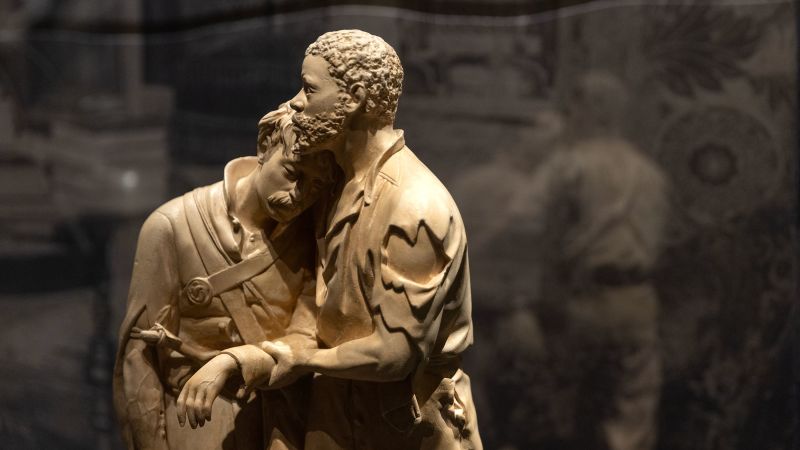
The article reports on the exhibition "The Shape of Power: Stories of Race and American Sculpture" at the Smithsonian American Art Museum in Washington, DC, which challenges visitors to reconsider how American sculpture has reinforced racist social orders. The show features 82 works from 1792 to 2023, including John Rogers’ 1864 sculpture "The Wounded Scout, a Friend in the Swamp," and includes interpretive prompts about race as a human invention and a tool of power. President Donald Trump issued an executive order condemning the exhibition for promoting "divisive narratives," and Vice President JD Vance, who sits on the Smithsonian’s Board of Regents, has been tasked with stopping government funding for exhibits that do not align with a celebratory national agenda. The Smithsonian has begun a review of content across its museums, raising concerns about future candid discussions of race and history.

Tate launches US-style endowment fund, with aim of raising £150m by 2030

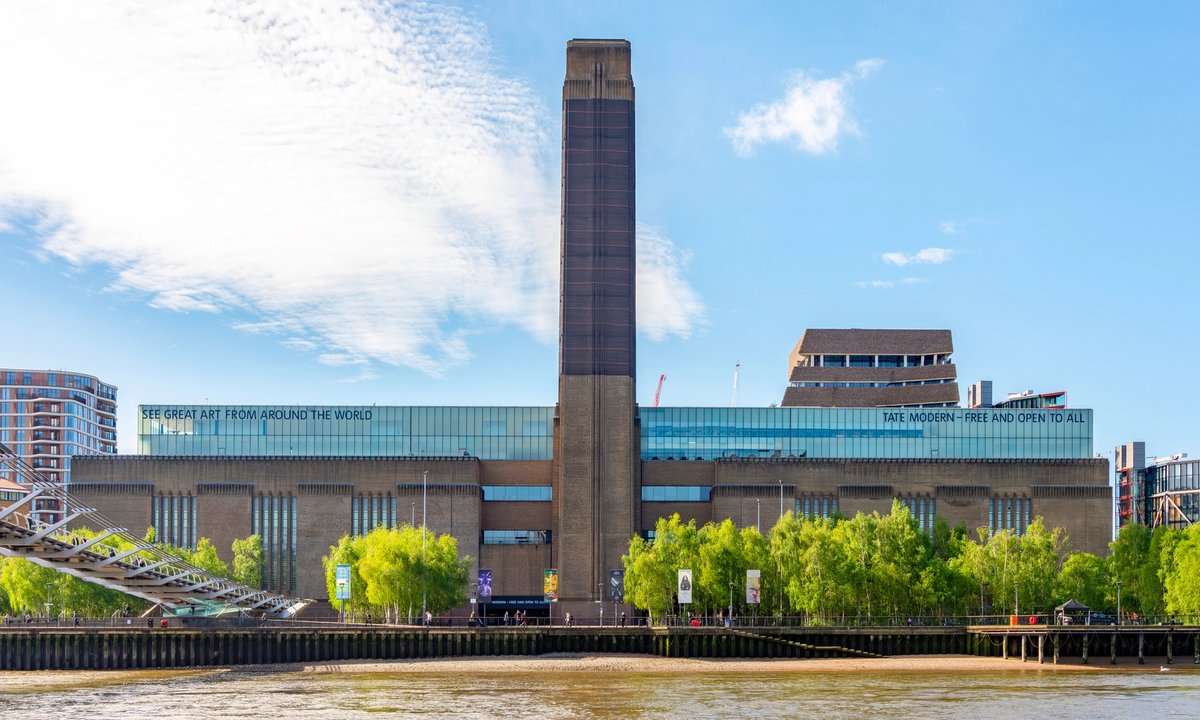
Tate has launched the Tate Future Fund, a US-style endowment fund aiming to raise £150 million by 2030 to secure its long-term financial future. More than £43 million has already been raised, announced at a fundraising gala in Tate Modern's Turbine Hall marking the museum's 25th anniversary, attended by artists Steve McQueen and Tracey Emin. Tate director Maria Balshaw explained that the fund will sit separately, managed by the Tate Foundation, with only the interest drawn annually to support artistic creativity, groundbreaking exhibitions, collection building, research, and public benefit programs like school and family learning.

Dozens of Venice Biennale Artists Demand Israel’s Exclusion

A coalition of 182 artists, curators, and art workers participating in the 2026 Venice Biennale, organized under the Art Not Genocide Alliance (ANGA), formally delivered a letter demanding the exclusion of Israel from the exhibition. The signatories, including prominent artists like Yto Barrada, Alfredo Jaar, and Miet Warlop, argue that the Biennale must not normalize Israeli policies towards Palestinians.

arts nonprofits artadia united states artists announce multi year partnership

Two arts funding nonprofits, United States Artists (USA) and Artadia, have announced a multi-year partnership. The collaboration will revive Assembly, USA’s annual gathering of artists and fellows that launched in 2015 but paused during the pandemic, now expanded to include Artadia award winners. The first reimagined Assembly events are scheduled for 2026 and 2027, featuring workshops, panels, and networking for recent fellows and awardees from both organizations.

Italy’s leading archaeological museum uses young creatives’ press shots without payment

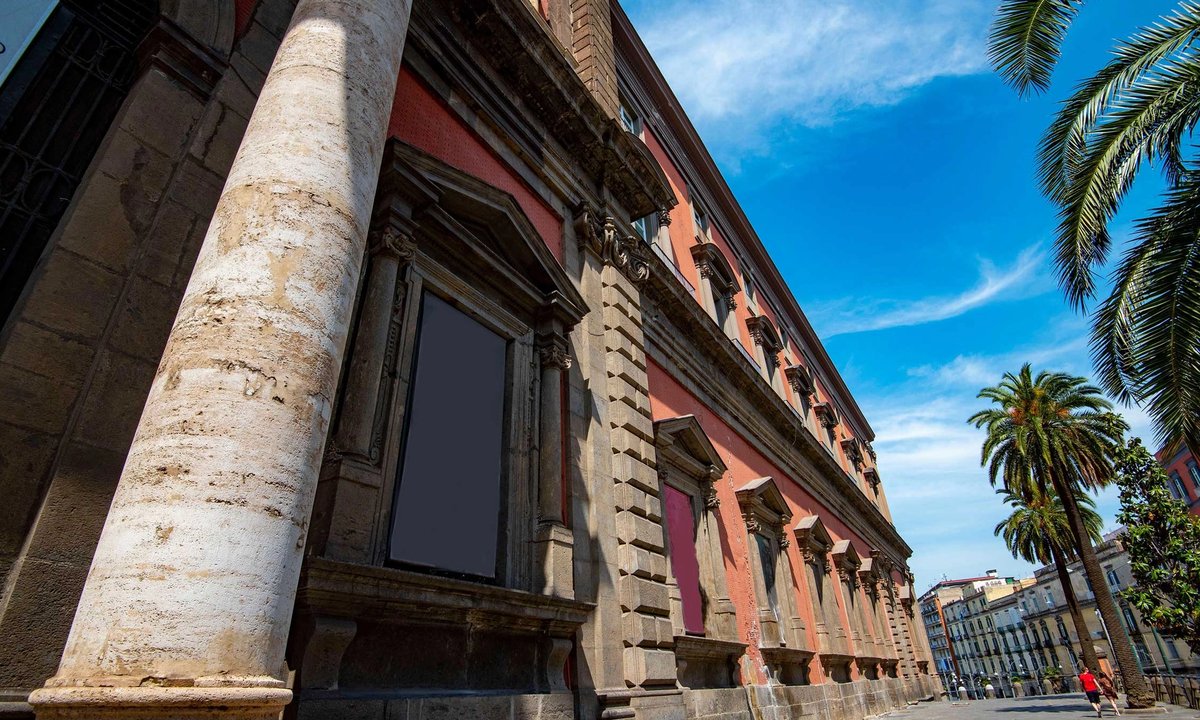
Italy's National Archaeological Museum of Naples (MANN) launched a photography competition in March inviting young people aged 18 to 30 to submit images of objects from its collections, including artifacts from Pompeii and Herculaneum. The museum offered no payment, only exposure via social media and banners on its façade, sparking criticism from cultural workers' group Mi Riconosci and Italian media, who accused the institution of exploiting unpaid labor. Museum administrator Raffaella Bosso defended the initiative as a dialogue with youth, but the museum has not withdrawn or modified the contest.

Can the Costume Institute Survive Without the Met Gala?

The New York Times examines whether the Costume Institute at the Metropolitan Museum of Art can sustain its operations and influence without the Met Gala, its annual fundraising gala that generates millions of dollars and global media attention. The article explores the financial and cultural dependency of the institute on the star-studded event, which has become a major pop culture phenomenon, and considers alternative funding models and programming strategies that could ensure its future.