filter_list Showing 8 results for "Giulia" close Clear
search
dashboard All 112 museum exhibitions 65article news 12article culture 11article policy 8trending_up market 5rate_review review 3article local 3person people 3gavel restitution 1candle obituary 1
date_range Range Today This Week This Month All
Subscribe

A new wing to solve the problems of the Galleria Borghese in Rome. Beautiful challenge, tedious controversy

Una nuova ala per risolvere i problemi della Galleria Borghese a Roma. Bella sfida, stucchevoli polemiche

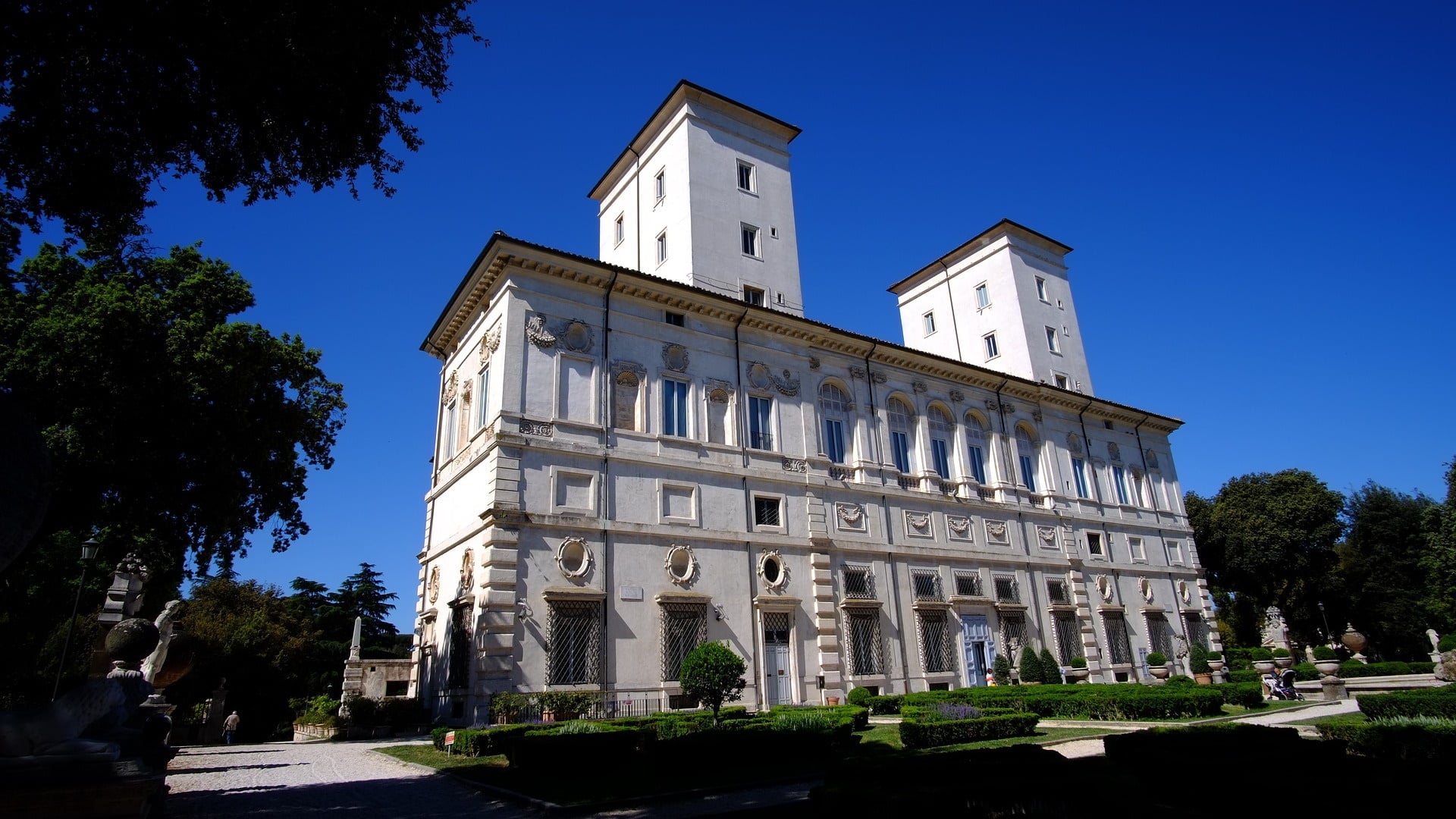
The Galleria Borghese in Rome, one of Italy's most extraordinary museums, faces significant accessibility and capacity issues due to its historic 17th-century structure. The museum is difficult for visitors with disabilities, overcrowded, and forces visitors to book far in advance—often waiting over a month for a time slot—while many masterpieces remain in storage. In 2025, the engineering firm Proger offered to sponsor a feasibility study for a new wing, contributing nearly 900,000 euros to fund an international architecture competition and a technical-economic feasibility plan. The study, currently underway, aims to explore whether a new annex can be built within the protected Villa Borghese park to create new entrances, exhibition spaces, and services.
Meloni takes control of Italian museums

Meloni reprend en main les musées italiens

Italy’s culture ministry under Prime Minister Giorgia Meloni has appointed 14 new directors for so-called “second-tier” museums, reinforcing a shift away from the international “super-director” model introduced by the 2014 Franceschini reform. All appointees are Italian except for French director Axel Hémery, who was reappointed at the Pinacoteca di Siena due to his strong performance. The move follows the earlier ousting of foreign directors at top-tier museums, with only two foreign-born directors—Eike Schmidt and Gabriel Zuchtriegel—remaining, both of whom hold Italian citizenship.

Cultural alliance between Rome and New York. The two cities sign the first agreement between major historic centers

Alleanza culturale tra Roma e New York. Le due città siglano il primo accordo tra grandi centri storici

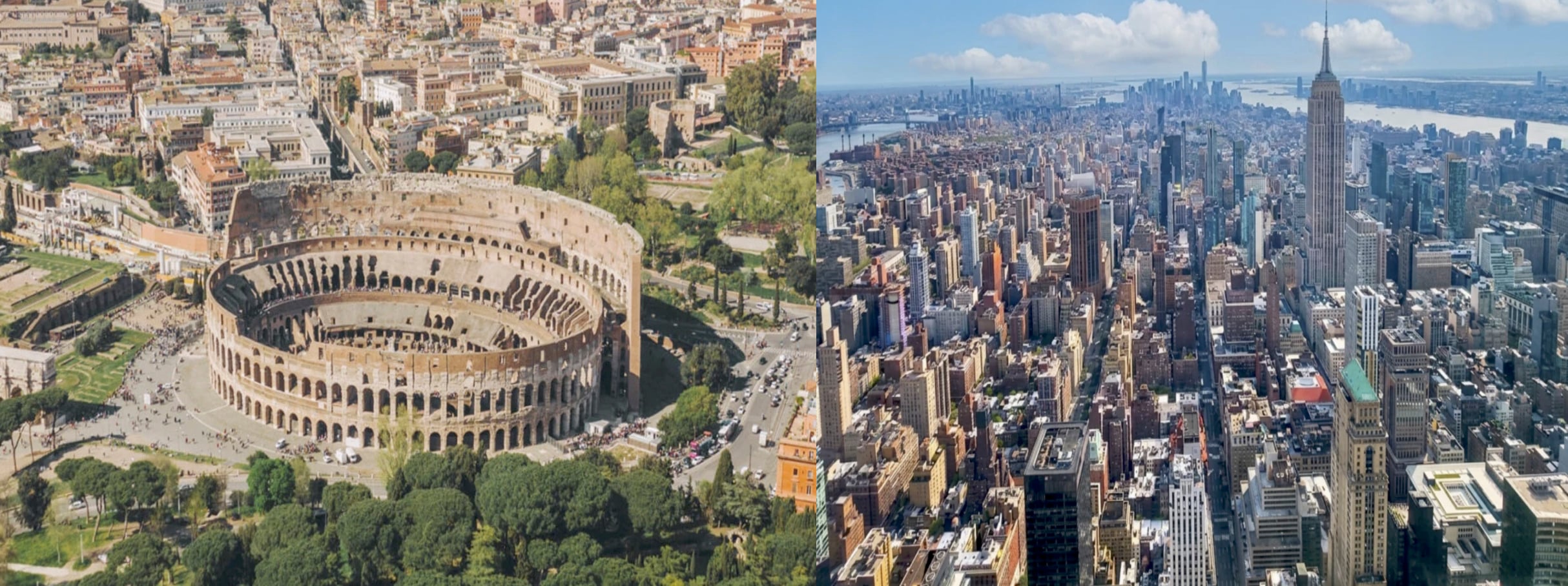
Rome and New York have signed the first cultural cooperation agreement between their historic centers, Municipio I Roma Centro and Manhattan. The protocol was formalized during the Forum Cultura Roma Centro at the Temple of Vibia Sabina and Hadrian, aiming to establish an international network based on collaboration between cultural institutions and governance models. It includes exchanges, youth programs, artistic initiatives, and public art projects involving museums, archives, libraries, universities, and educational entities.

The Forgotten Eligibles. Protest over the Ministry of Culture's ranking of 200 art historians

Gli idonei dimenticati. Protesta per la graduatoria dei 200 storici dell’arte del Ministero della Cultura

The CISDA (Committee of Qualified Art Historians) has issued a strong protest against the Italian Ministry of Culture's intention to let the ranking list from a 2018 public competition for Art Historian Officials expire on May 30, 2026, without extension. This would invalidate the eligibility of 204 qualified candidates who passed rigorous selections. The protest has escalated into a parliamentary inquiry directed at Culture Minister Alessandro Giuli, and a public demonstration is scheduled for April 28 in front of the Ministry's headquarters in Rome.

A collective lunch is organized in Milan to discuss the problems of the cultural sector. Here is how to participate

A Milano si organizza un pranzo collettivo per discutere dei problemi del settore culturale. Ecco come partecipare

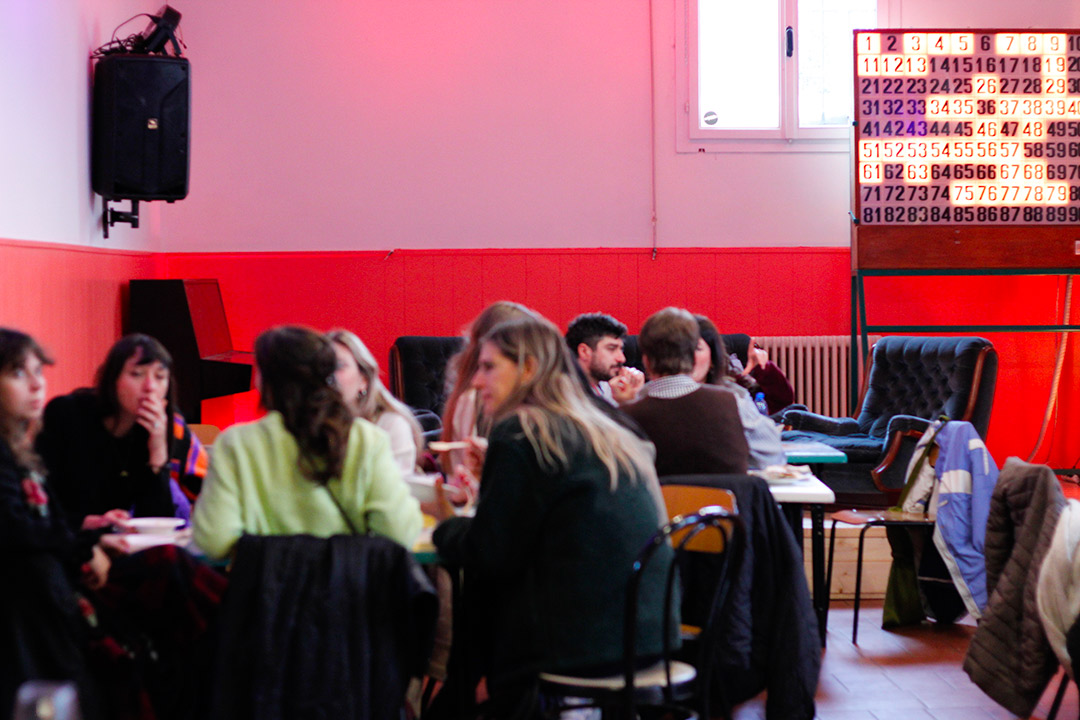
The nomadic assembly "OMTU – Organized Meals for Times of Uprising" is heading to Milan on April 19, 2026, coinciding with the miart art fair. Organized by a coalition of independent spaces including terzospazio, Osservatorio Futura, Parsec, and Arts of the Working Class, the event features a collective lunch followed by a public discussion at the Baséll space. The gathering aims to address the systemic precariousness of the cultural sector, focusing specifically on the scarcity of affordable social and cultural spaces in Milan.

The church, the village, the park. FAI's 'Places of the Heart' returns to save ruins

La chiesa, il borgo, il parco. Tornano i Luoghi del Cuore del FAI per salvare i beni in rovina

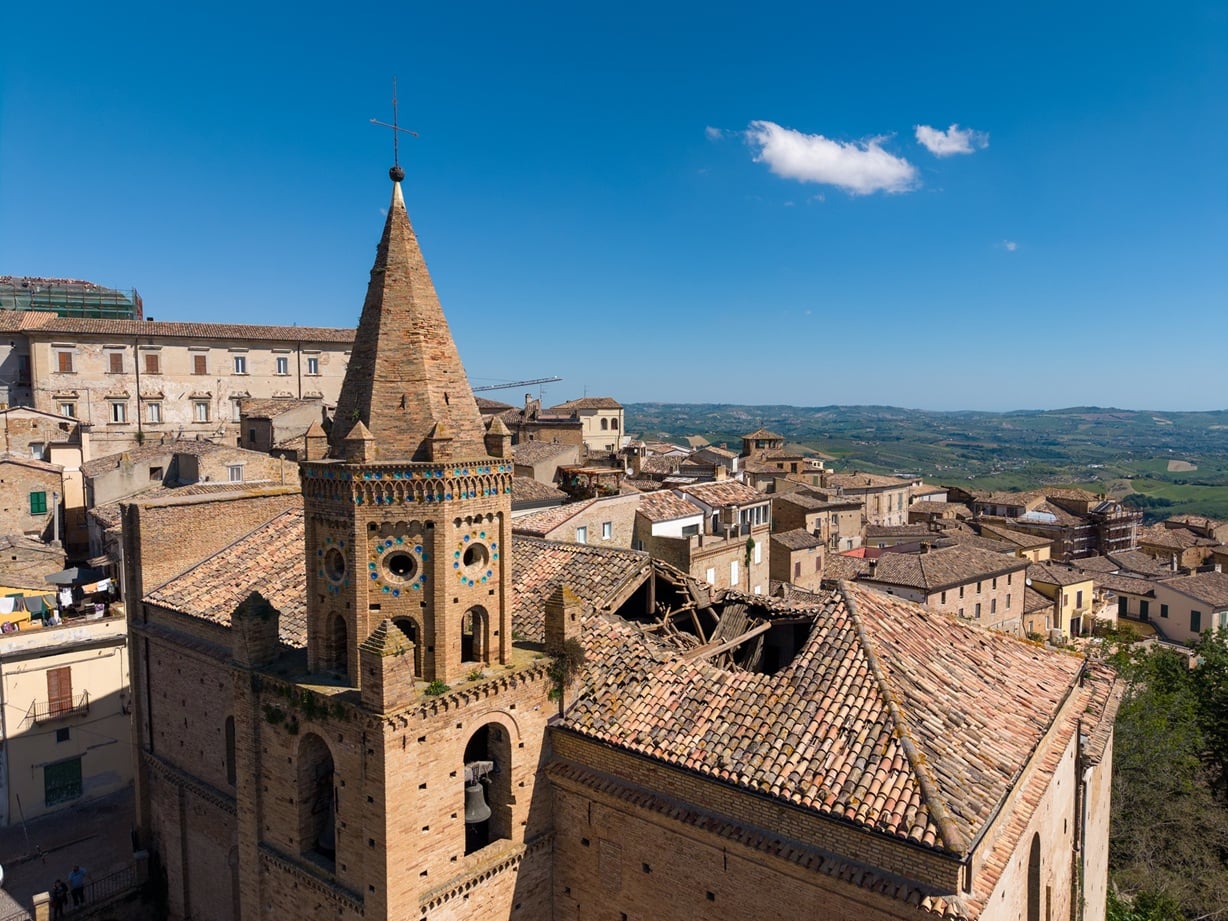
The Fondo per l’Ambiente Italiano (FAI) has launched the 13th edition of its "Luoghi del Cuore" (Places of the Heart) initiative, a biennial census that invites Italians to vote for cultural heritage sites most in need of restoration. Since 2003, the campaign has collected over 13.5 million votes, with the 2024 edition alone receiving more than 2.3 million votes for over 41,000 sites across 6,508 municipalities. The initiative has funded 180 recovery projects, 40% of which involve churches, followed by environmental, architectural, and archaeological assets. Notable successes include the Church of San Pietro dei Samari in Gallipoli, the Oratorio del Sasso in Orasso, and the Complesso di Sant’Angelo Magno in Ascoli Piceno.

Aumenti salariali e welfare per i lavori della cultura. È stato firmato il nuovo Contratto Nazionale di Lavoro. L’intervista

A new national labor contract for Italy's cultural sector has been signed. The Federculture National Labor Contract, finalized on April 30, 2026, includes a 7.5% increase in minimum wages (effective December 1, 2024), doubled welfare contributions for healthcare, and a simplified job classification system. The agreement was reached between Federculture and major unions including FP CGIL, CISL FP, UIL FPL, and UIL PA, with negotiations for the 2025-2027 term set to resume on May 26.

The process for awarding the title of Italian Capital of Culture should be rethought. Here's why.

Il processo per assegnare il titolo di Capitale Italiana della Cultura andrebbe ripensato. Ecco perché

An analysis of the selection process for Italy's "Capital of Culture" title reveals a consistent pattern: cities chosen for the prestigious designation are almost exclusively administered by political coalitions aligned with the national government in power at the time of selection. The sole exceptions were Bergamo and Brescia, which were jointly awarded the title via a special parliamentary decree in recognition of their suffering during the pandemic, bypassing the standard procedure. This political alignment has persisted across different legislatures and changes in government.