filter_list Showing 5 results for "Lucia" close Clear
search
dashboard All 212 museum exhibitions 97trending_up market 53article news 17rate_review review 12article culture 11person people 6article local 6article policy 5candle obituary 3article event 1gavel restitution 1
date_range Range Today This Week This Month All
Subscribe

nicholas galanin pulls out smithsonian syposium

Artist Nicholas Galanin withdrew from a symposium tied to the Smithsonian American Art Museum exhibition “The Shape of Power: Stories of Race and American Sculpture,” alleging that organizers asked him not to record the event or share footage on social media. The symposium, a private event not publicly listed on the Smithsonian’s website, also included curator Hamza Walker, artists Titus Kaphar and Miguel Luciano, and critic Aruna D’Souza. Galanin stated on Instagram that the request effectively censored participants, though a Smithsonian spokesperson denied censorship, citing that not all participants consented to recording. The exhibition was previously singled out by President Donald Trump in an executive order criticizing the Smithsonian for promoting “divisive, race-centered ideology.”

neh stipends trump

The Trump administration is moving to eliminate the National Endowment for the Humanities (NEH) while simultaneously cutting its funding and reshaping its priorities. In early May, the NEH announced $9.55 million for 68 projects, a sharp drop from $26.2 million for 238 projects the previous year. The number of Summer Stipends was slashed from nearly 100 to just 18, with total funding cut by three-fourths to $144,000. Only one Media Project grant was awarded, down from ten. The administration has also sought to lay off NEH workers, cancel grants, and divert funds to a National Garden of American Heroes, a presidential pet project.

More US artists forced to pay for their own shows as museum and culture budgets shrink

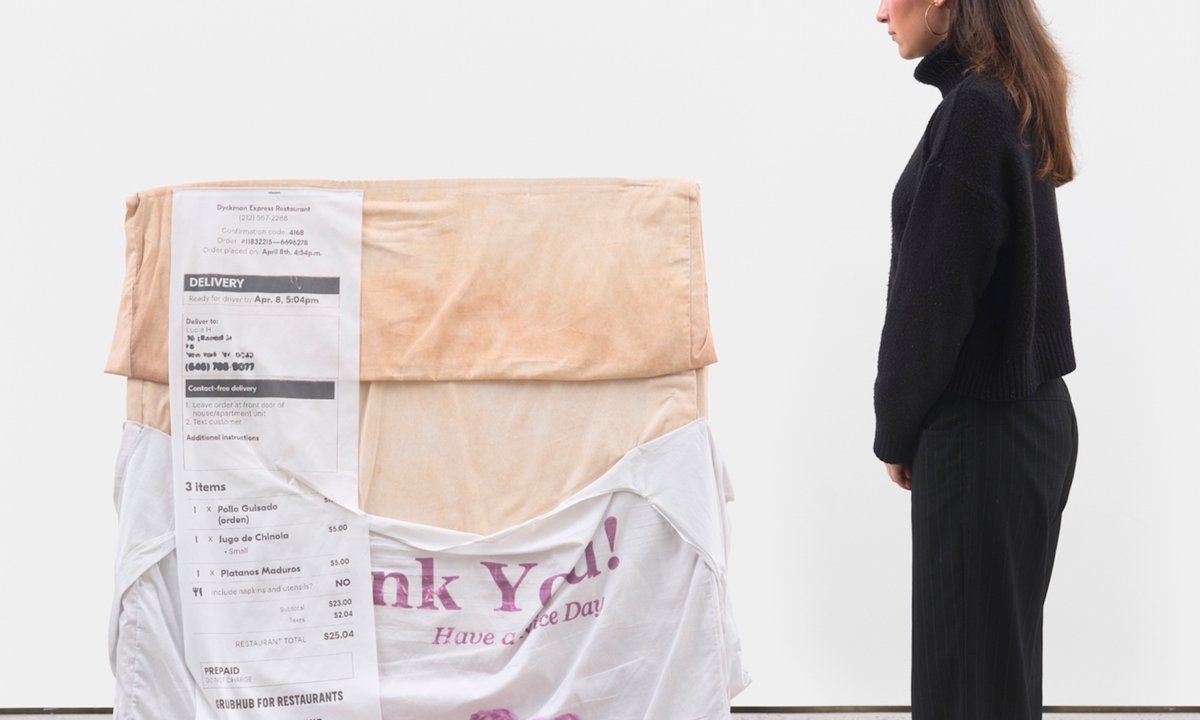
The article reports that U.S. artists like Lucia Hierro are increasingly forced to pay for their own museum exhibitions and public commissions as institutional budgets shrink. Hierro’s ambitious installation centered on a 7.5-foot monobloc chair required $35,000–$40,000 for fabrication alone, far exceeding what the commissioning institution could provide. The project moved forward only after support from her gallerist and a new fund from Miami-based nonprofit Fountainhead Arts, which received 96 applications requesting $1.8 million—14 times its available $125,000 in grants. The article highlights that even artists selected for the Venice Biennale face such funding gaps.

Nicholas Galanin pulls out of Smithsonian event, claiming censorship

Nicholas Galanin, a multidisciplinary artist and member of the Sitka Tribe of Alaska, withdrew from a symposium hosted by the Smithsonian American Art Museum (SAAM), citing government censorship. The symposium accompanies the exhibition *The Shape of Power: Stories of Race and American Sculpture*, which President Donald Trump labeled as “divisive” and “race-centred” in a March 27 executive order. Galanin alleged that the event was made private with a curated guest list and that he was asked not to record or share it on social media. SAAM denied the censorship claims, stating the event was never publicly listed and that participants were encouraged to share with their networks. Galanin’s 2016 work *The Imaginary Indian (Totem Pole)* is featured in the exhibition.

Art can officially be a form of therapy. Interview with Undersecretary of Culture Lucia Borgonzoni, godmother of the project

L’arte può essere ufficialmente una forma di cura. Intervista al Sottosegretario alla Cultura Lucia Borgonzoni madrina del progetto

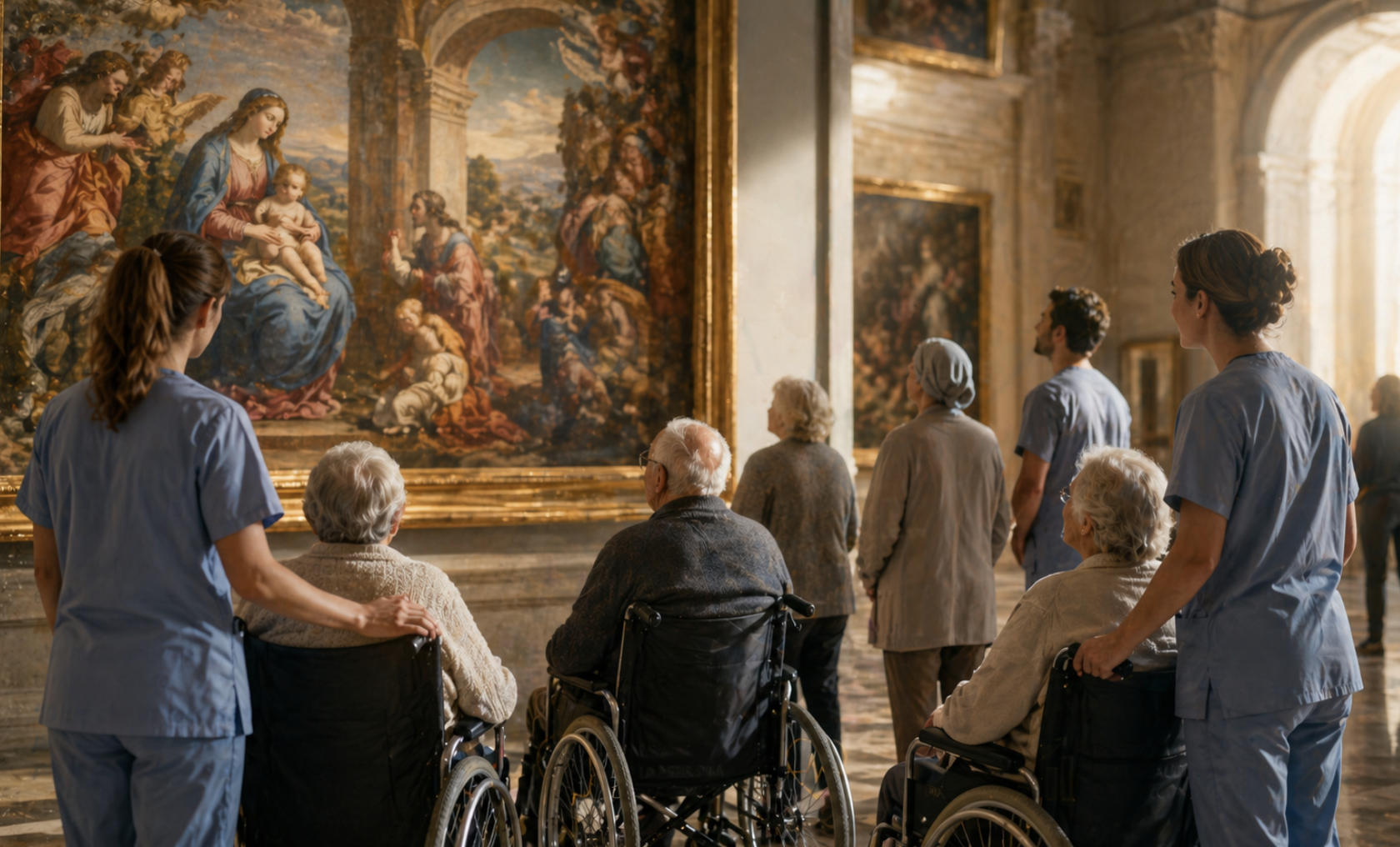
The Italian Ministry of Culture and Ministry of Health have signed a formal protocol recognizing art as a form of therapy and care. The agreement, championed by Undersecretary of State for Culture Lucia Borgonzoni, mandates that museums, libraries, archives, and cultural institutions play a central role in developing therapeutic pathways using art to improve individual and community well-being. Borgonzoni, who has advocated for this initiative for nearly a decade, traces its origin to a 2018 study at the Sanctuary of Vicoforte that measured cortisol levels in visitors before and after viewing frescoes, showing significant stress reduction.