filter_list Showing 4 results for "Monet" close Clear
search
dashboard All 100 museum exhibitions 46trending_up market 16article culture 13article news 10article local 8article policy 4gavel restitution 2candle obituary 1
date_range Range Today This Week This Month All
Subscribe

La Tour Eiffel aux enchères

The French Senate has definitively adopted a law on the restitution of cultural property looted during the colonial period, marking a major legislative step in France's approach to colonial-era artifacts. The law establishes a legal framework for returning objects held in French public collections to their countries of origin, potentially affecting thousands of items in museums across the country.
Memorial Art Gallery admission will become free starting in 2027

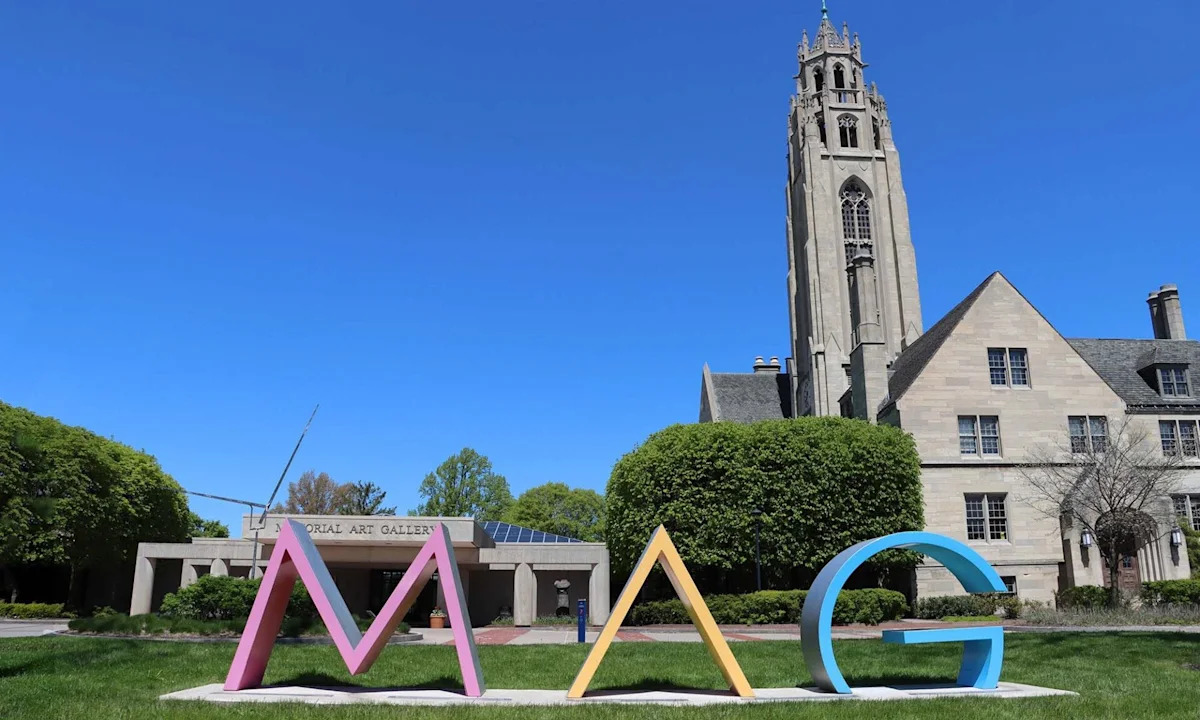
The Memorial Art Gallery (MAG) in Rochester, New York, announced on May 13 that admission will become free for all visitors starting in 2027, eliminating its current $20 entry fee permanently. The museum, part of the University of Rochester, raised over $9 million through its "Free for All, Forever" campaign, surpassing its original target faster than expected. Key donations included a $1 million gift from Dr. Alexander A. Levitan and his wife Lucy K. Levitan, a $3 million donation from UR trustee Doug Bennett, his wife Abby, and the Sands Family Foundation, and $2 million from Mary Ellen Burris. Additional support came from anonymous donors, Kitty and Nick Jospé, and Sandy Hawks Lloyd and Justin Hawks Lloyd.

Art Problems: WTF Is an A-Corp?

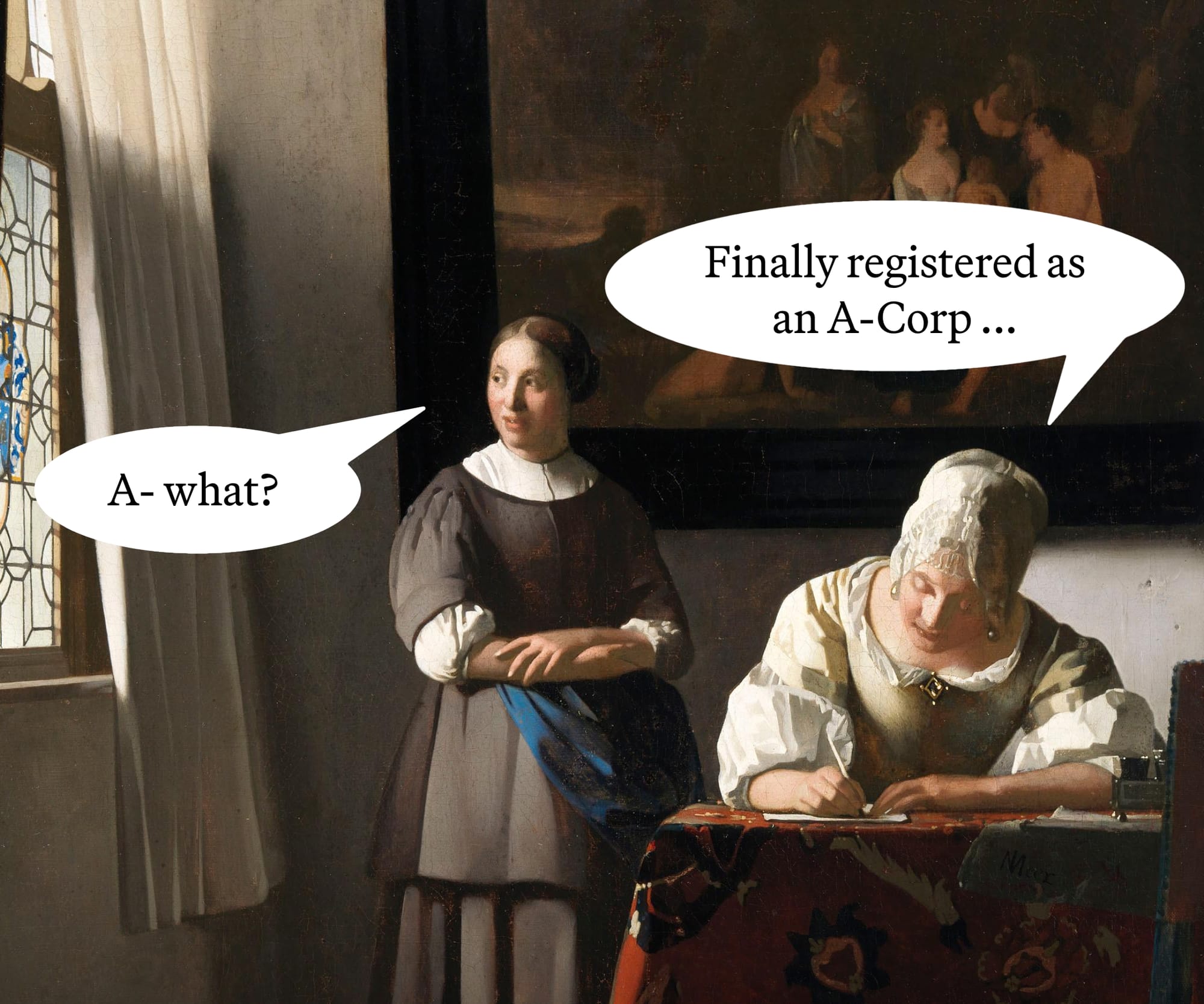
The article explains the concept of an Artist Corporation (A-Corp), a new business structure for artists introduced in a bill before the Colorado state legislature, originally proposed by entrepreneur Yancey Strickler. It allows artists to form a legally recognized business entity without hiring a lawyer, simply by filling out a form, and provides liability protection by separating personal assets from business assets. The bill is expected to reach the governor's desk by mid-May and be enacted within six months, with five or six other states, including New York, expressing interest.

Why Italy's cultural wealth never really enters public accounts and budgets?

Perché la ricchezza culturale italiana non entra mai davvero nei conti e nei bilanci pubblici?

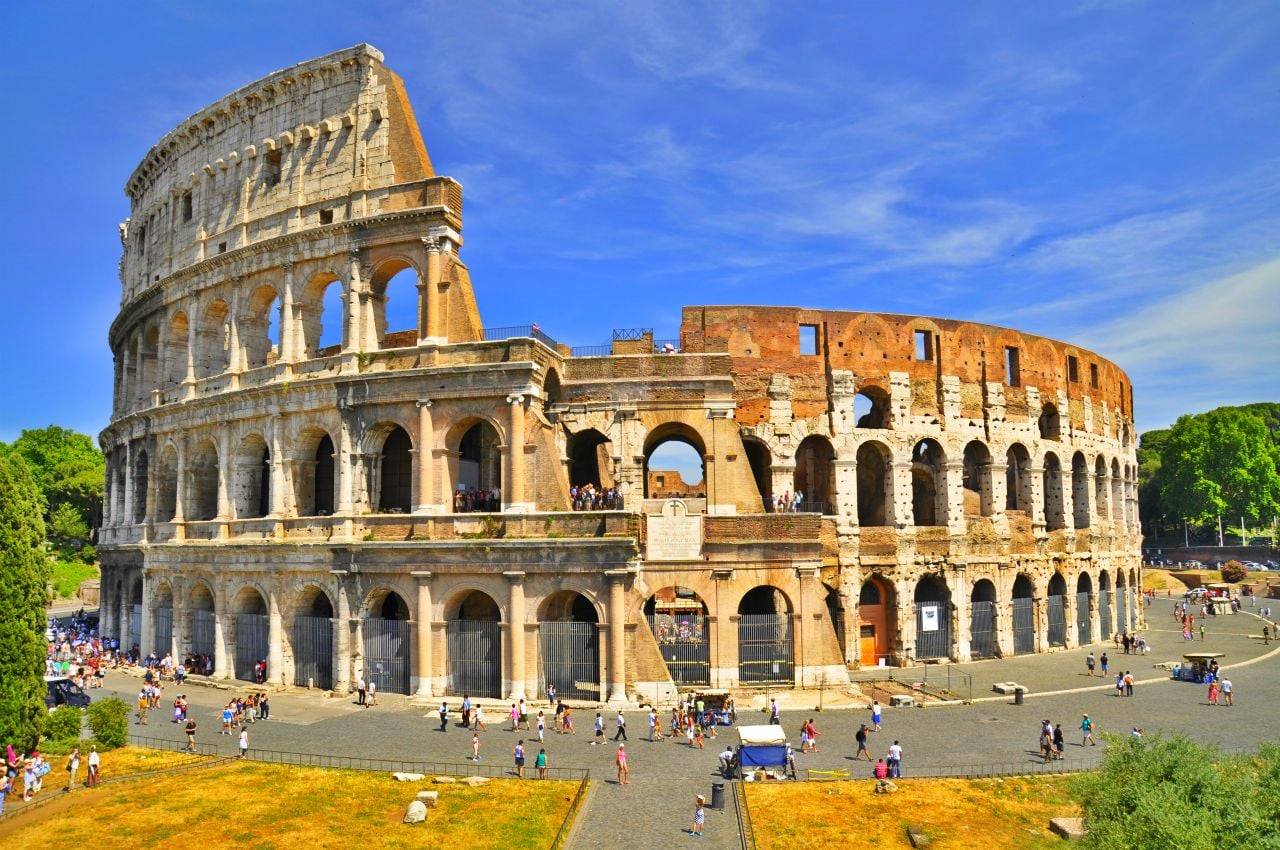
Italy has exceeded the European Commission's structural adjustment path by 0.1 percentage points of GDP, reopening fiscal scrutiny. Amid this debate, the article highlights a deeper issue: Italy's immense cultural heritage is drastically undervalued in public accounts. For example, the Pompeii Archaeological Park is recorded at just €48.9 million, the Colosseum at under €15 million, and the Uffizi at about €2 billion—figures based on outdated 2002 ministerial criteria that bear no relation to actual economic or cultural worth. The State General Accounting Office, with the University of Roma Tre and EU technical assistance, has proposed a new methodology to value cultural assets by discounting their future net financial flows, including direct revenues and indirect tourism-related returns.