filter_list Showing 16 results for "NEED" close Clear
search
dashboard All 141 museum exhibitions 46article local 23article culture 18article news 17article policy 16trending_up market 8person people 6rate_review review 5gavel restitution 2
date_range Range Today This Week This Month All
Subscribe

Borghese Gallery Faces Pushback Over New Building Plan

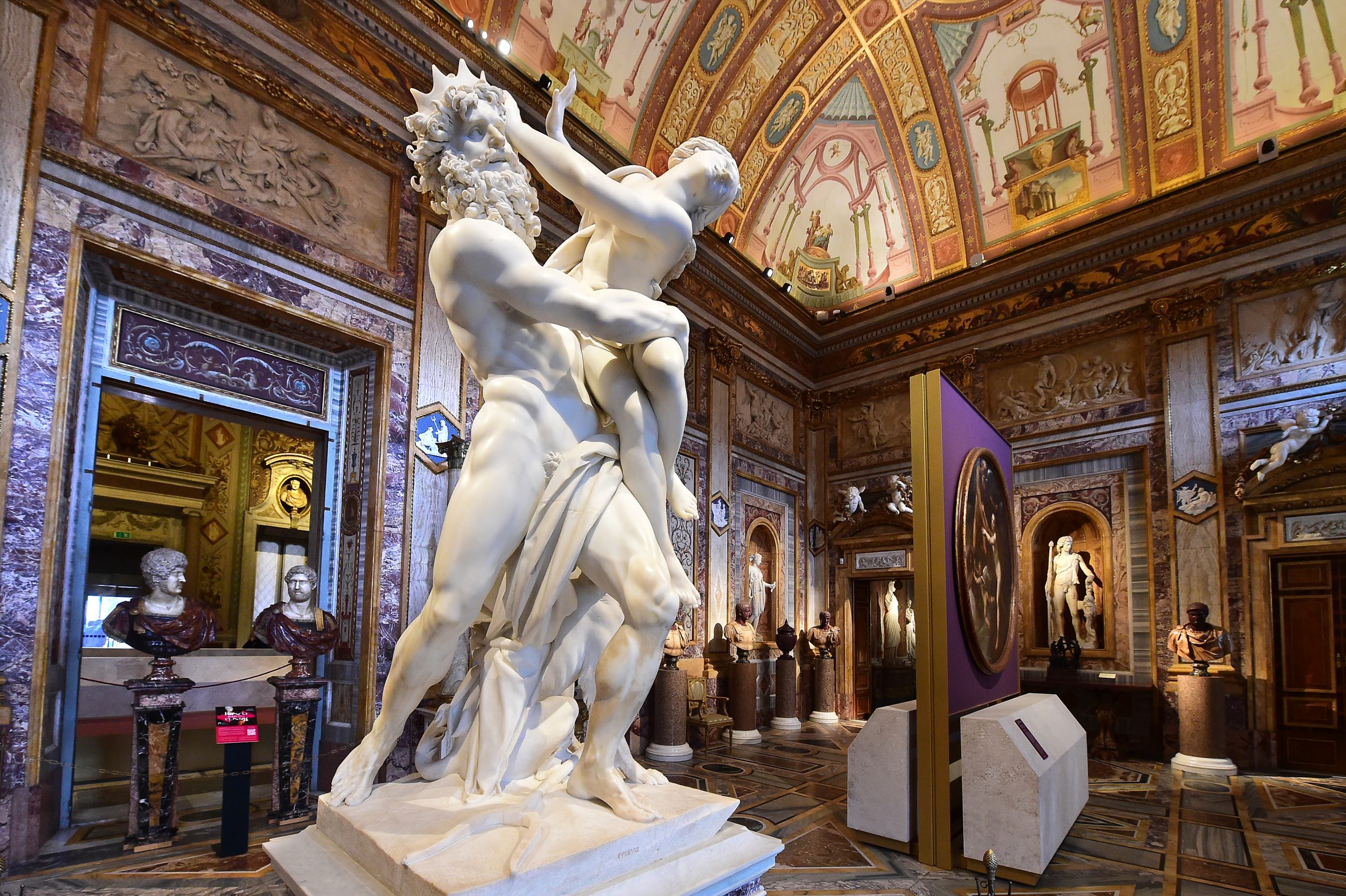
The Borghese Gallery in Rome has proposed building an adjacent facility to expand its exhibition space and increase visitor capacity beyond the current limit of 360 people per two-hour slot. The museum, which welcomed over 630,000 visitors in 2025, argues the expansion is needed to display works long held in storage. A press conference is scheduled for May 19 to provide further details.
A New Landmark Survey Aims to Bring Transparency to Museum Collecting Practices

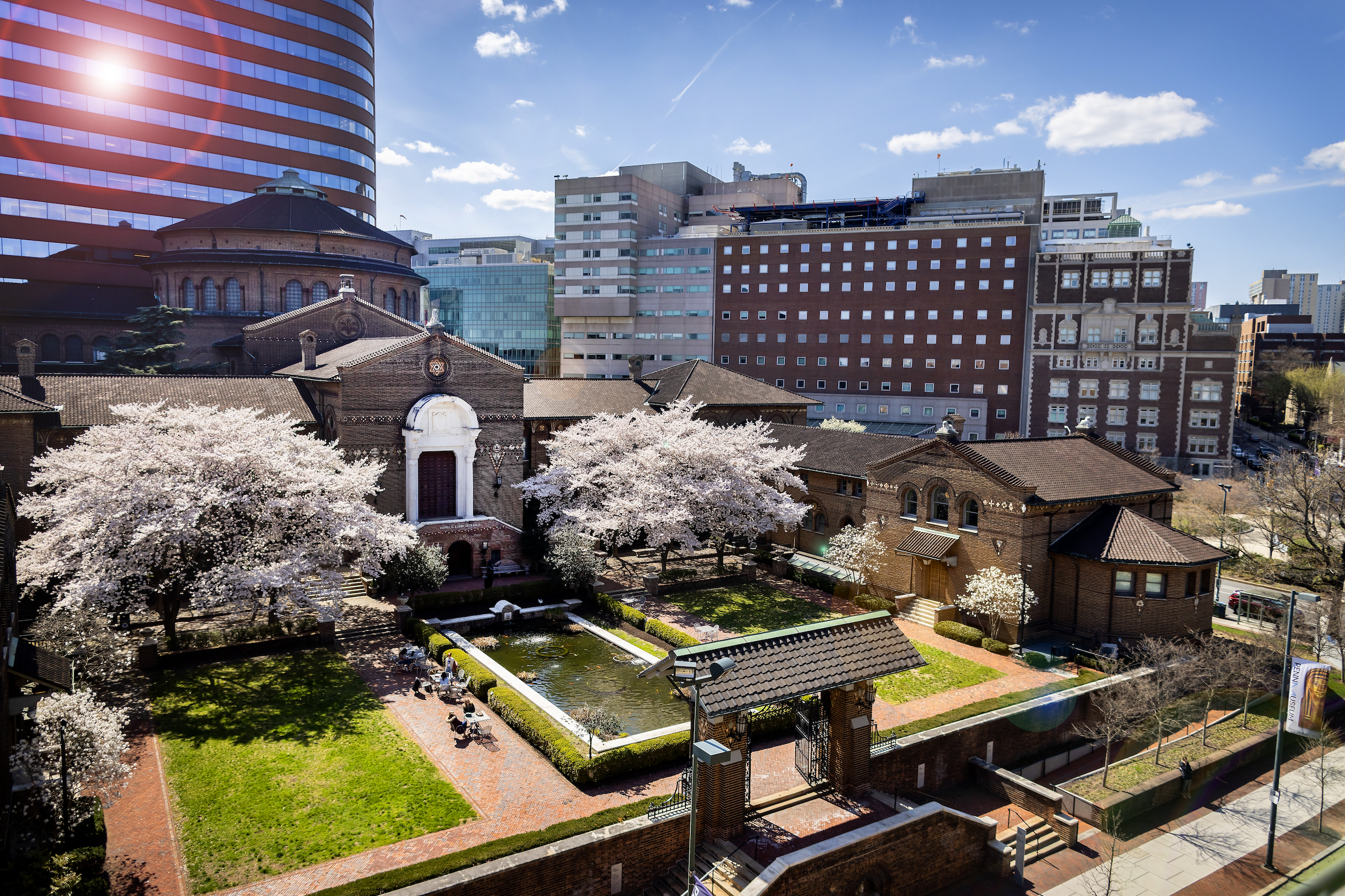
The Penn Cultural Heritage Center (PennCHC) at the University of Pennsylvania's Penn Museum will launch the National Survey of Museum Collecting Practices on May 20, running through August 20. This first-of-its-kind survey, part of the Museums: Missions and Acquisitions Project (M2A Project), will collect data on acquisitions, deaccessions, loans, provenance research, and policies from U.S. nonprofit museums and libraries. Results will be published in 2027, with only generalized insights to maintain anonymity.

Arts funding gap in the north must be closed | Letters

Two letter writers to The Guardian criticize the UK government's arts funding imbalance, highlighting that London receives disproportionate investment compared to northern England. Christine Baranski points out that £135m was spent on the V&A East in London while the Tate in Liverpool has been closed for over two years and the Albert Docks cultural area appears neglected. Sharon Maher notes that Arts Council spending is roughly £57 per Londoner versus £28 per person in the north, and argues that future national museum outposts should be located in the north.

Metropolitan Museum receives $23m to endow internship programme

On 30 April, the Metropolitan Museum of Art announced a $23m pledge from the Rubio Butterfield Foundation, led by newly elected trustee Jennifer Rubio and her husband Stewart Butterfield, to permanently endow the museum's internship program. The internships, offered for nearly 30 years with 100 participants annually, have only been paid since 2021. The article also explores broader trends in museum philanthropy, featuring insights from former directors Gary Vikan, Gary Tinterow, and Maxwell Anderson on how donors are often guided to fund endowments for curatorial positions, operations, or awards rather than art acquisitions.

Victorien Bornéat : « De l’échec de la démocratisation culturelle est né un sentiment d’exclusion »

Victorien Bornéat has published a manifesto arguing that French cultural democratization policy, rooted in André Malraux's vision of making masterworks accessible to all, has failed. He cites budget cuts by regional presidents Laurent Wauquiez and Christelle Morançais, police raids on bookshops like Violette and Co, and statistical studies showing that working-class audiences still do not spontaneously attend theaters, museums, or opera. Bornéat contends that the policy's emphasis on direct confrontation with canonical works ignored the need for cultural codes and institutional literacy, creating an exclusion that politicians now exploit for electoral gain.

America’s Museums Have a Building Problem

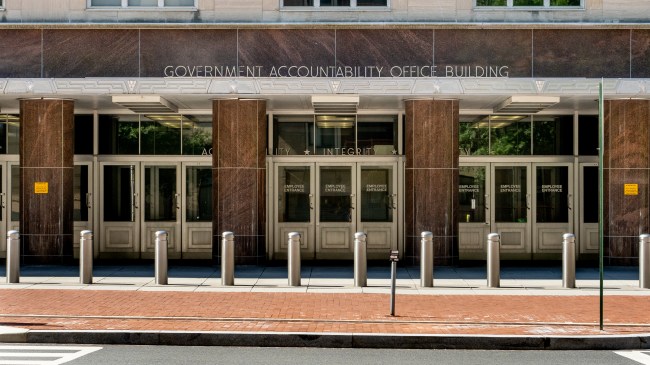
A new report from the Government Accountability Office, analyzed by The Art Newspaper, reveals that roughly 85 percent of American museums are dealing with deferred maintenance or major repair needs, and about 77 percent have at least one structural issue that could endanger their collections. Many of the country's 16,700 museums are small, under-resourced operations housed in aging or historic buildings, with half reporting over $100,000 in deferred maintenance. Basic repairs like roofs or HVAC systems can consume large portions of annual budgets, forcing some institutions to store artworks in makeshift spaces like garages or bathrooms.

No money, more problems: 85% of US museums in urgent need of building repairs

A recent survey by the US Government Accountability Office (GAO) found that approximately 85% of US museums face a costly backlog of maintenance or building repairs, with 77% having at least one structural issue that puts their collections at risk. Based on a survey of around 300 museums and 17 site visits, the report reveals that institutions across the country struggle to keep buildings updated and safe due to a lack of funding, with challenges especially pronounced in rural and remote locations where shipping materials and finding skilled workers is prohibitively expensive. Many museums are housed in historic homes or sites that are part of their collections, adding further complexity, and smaller museums often lack the budget to address major problems like new roofs or HVAC systems.

85% of All US Museums Need Repairs, Study Finds

A March survey by the US Government Accountability Office (GAO) found that 85% of all US museums need repairs, with 77% having at least one structural issue endangering their collections. Federal funding does not cover construction-related expenses, and 73% of the roughly 11,900 museums surveyed reported building system or facility problems posing health or safety risks. The American Alliance of Museums noted the data aligns with years of reports from museums struggling with aging infrastructure and unpredictable funding.

In Romagna, debate over the artistic legacy of the Fascist era

In Romagna c’è discussione attorno all’eredità artistica del Ventennio fascista

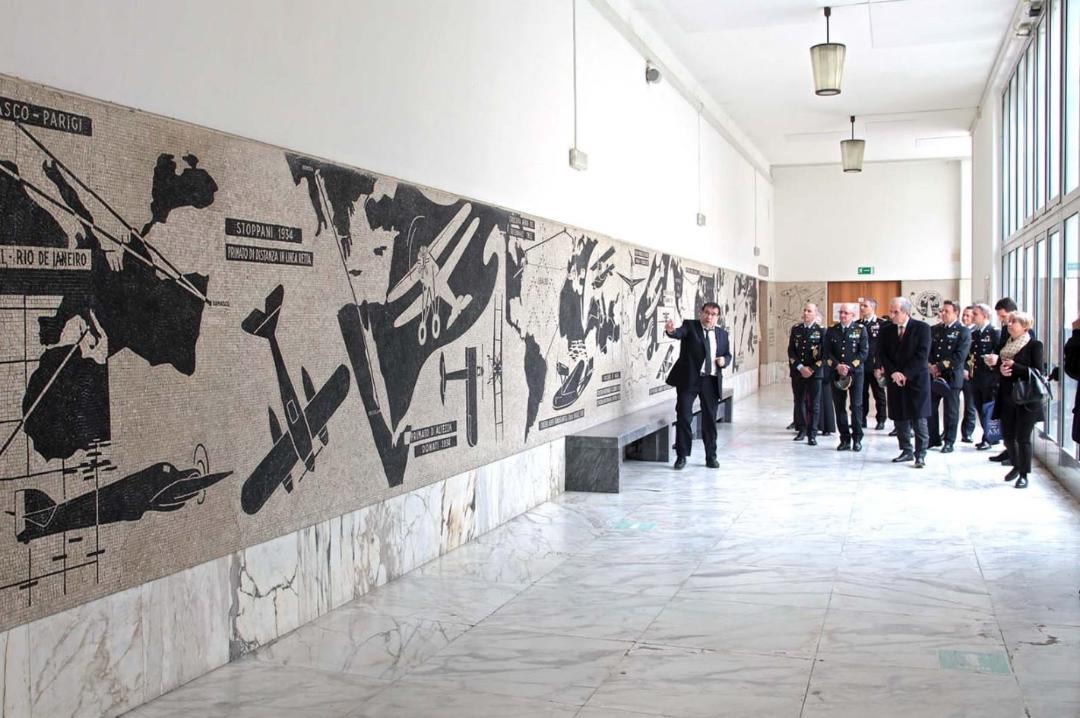
Recent developments in Romagna, Italy, have sparked debate over the artistic legacy of the Fascist era. The 102-meter-long Flight Mosaics at the former Aeronautical College in Forlì are now open to the public, and the Conad-Città di Forlì Auditorium, converted from a former GIL cinema, will inaugurate on May 13, 2026. Regional President De Pascale has announced initial funding to secure the Colonia Varese in Cervia, a Rationalist masterpiece, while long-awaited consolidation work has begun on the Casa del Fascio in Predappio, Benito Mussolini's birthplace. A 2010 plan to turn the Casa del Fascio into a cultural center documenting Fascism has stalled due to political changes and bureaucratic hurdles.

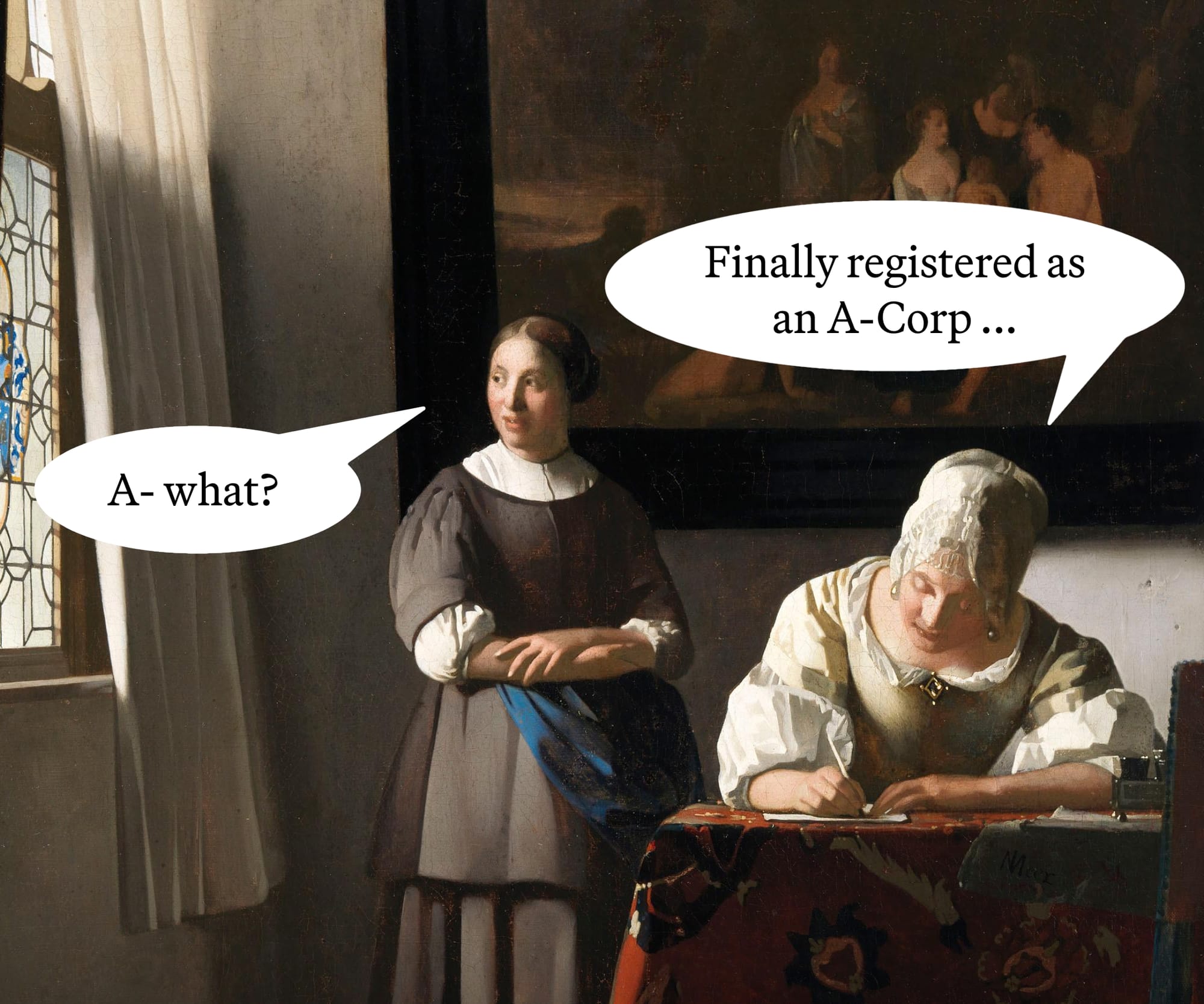
Art Problems: WTF Is an A-Corp?

The article explains the concept of an Artist Corporation (A-Corp), a new business structure for artists introduced in a bill before the Colorado state legislature, originally proposed by entrepreneur Yancey Strickler. It allows artists to form a legally recognized business entity without hiring a lawyer, simply by filling out a form, and provides liability protection by separating personal assets from business assets. The bill is expected to reach the governor's desk by mid-May and be enacted within six months, with five or six other states, including New York, expressing interest.

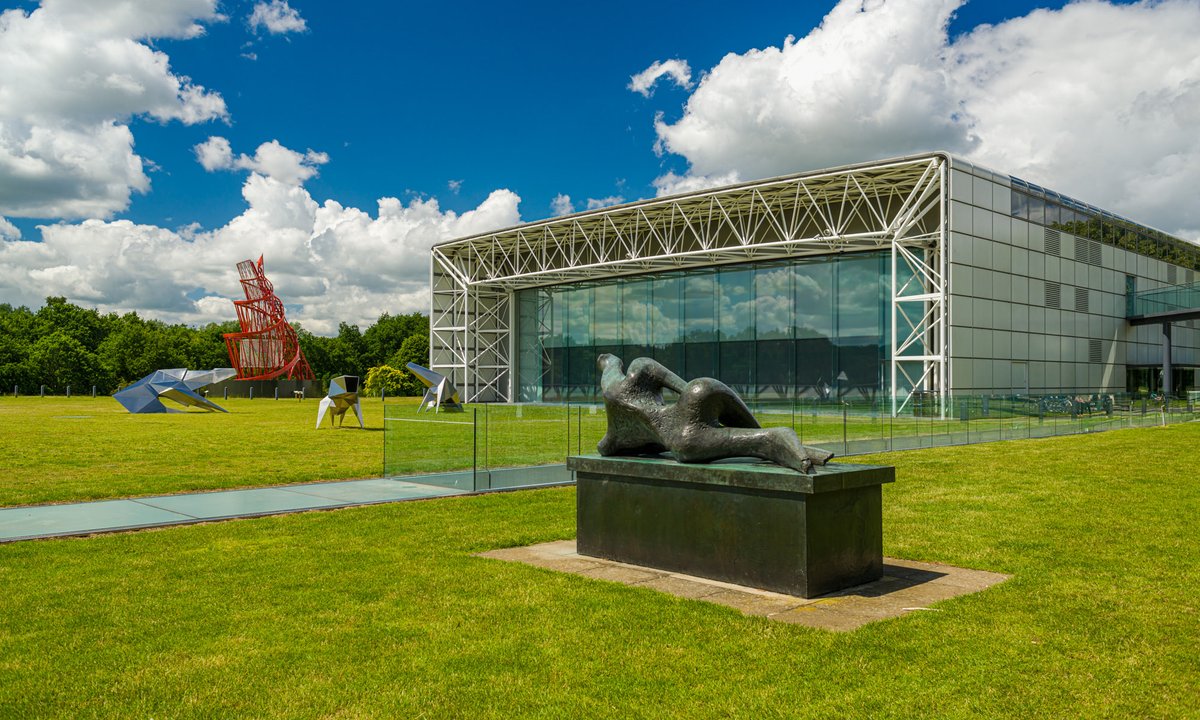
Sainsbury Centre receives one of largest ever UK museum donations

The Sainsbury Centre, an art museum in Norwich, England, has received a £91.2 million donation from British politician and businessman David Sainsbury through his charitable foundation, Gatsby. The funds will be used to renovate the grade II* listed building, originally designed by Norman Foster and completed in 1978. The renovation, led by Foster + Partners, includes improvements to the building envelope, photovoltaic panels, and upgraded visitor facilities, aiming to halve the museum's energy use and support the University of East Anglia's net zero campus goal by 2045.

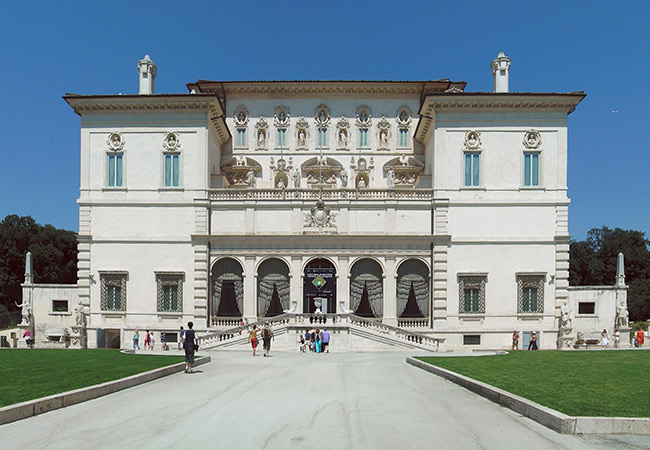
In Rome, the extension of the Galleria Borghese provokes a revolt

À Rome, l’extension de la Galerie Borghèse provoque une fronde

The Galleria Borghese in Rome has sparked controversy by initiating a feasibility study for a new building attached to its 17th-century villa. Museum director Francesca Cappelletti, in office since 2020, cites the need to increase visitor capacity, improve security, and create spaces for mediation, conferences, and temporary exhibitions. The museum, which saw nearly 630,000 visitors in 2025, operates with strict two-hour time slots capped at 180 people, often sold out in high season. Engineering firm Proger has offered to fund the study for €875,750 in exchange for institutional visibility, and Rome's mayor Roberto Gualtieri has declared the project of public interest.

La loi sur les restitutions des biens culturels pillés pendant la colonisation définitivement adoptée

The French Parliament has definitively adopted a permanent law on the restitution of cultural property looted during colonization, replacing the previous case-by-case legislative approach. The Senate unanimously approved the final text on May 7, 2026, following agreement in a joint committee on April 30, and the National Assembly had approved it the day before. The law creates a general derogation from the principle of inalienability of public collections, establishing a bilateral scientific committee to examine provenance, with final decisions made by decree of the Council of State. Key amendments from the National Assembly—including binding parliamentary votes on restitution and conditions on conservation and public access—were removed by the joint committee to avoid perceptions of neocolonial tutelage.

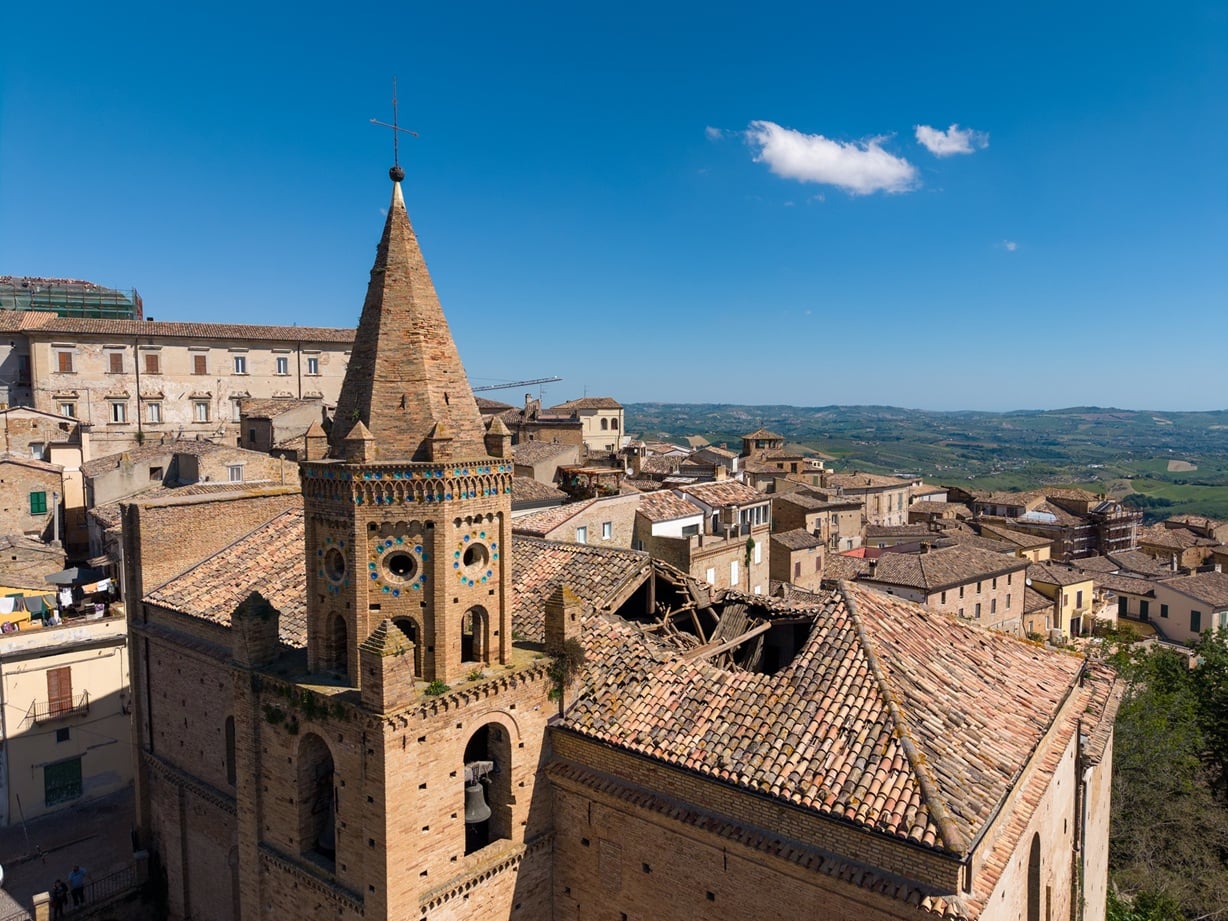
The church, the village, the park. FAI's 'Places of the Heart' returns to save ruins

La chiesa, il borgo, il parco. Tornano i Luoghi del Cuore del FAI per salvare i beni in rovina

The Fondo per l’Ambiente Italiano (FAI) has launched the 13th edition of its "Luoghi del Cuore" (Places of the Heart) initiative, a biennial census that invites Italians to vote for cultural heritage sites most in need of restoration. Since 2003, the campaign has collected over 13.5 million votes, with the 2024 edition alone receiving more than 2.3 million votes for over 41,000 sites across 6,508 municipalities. The initiative has funded 180 recovery projects, 40% of which involve churches, followed by environmental, architectural, and archaeological assets. Notable successes include the Church of San Pietro dei Samari in Gallipoli, the Oratorio del Sasso in Orasso, and the Complesso di Sant’Angelo Magno in Ascoli Piceno.

Cultural Observatories: Dinosaurs or Subjects Capable of Interpreting the Present?

Osservatori culturali. Dinosauri o soggetti in grado di interpretare il presente?

The Cultural Observatory of Canton Ticino has published a study on cultural observatories worldwide, including a map and list of surveyed organizations. The analysis reveals that cultural observatories are not a global phenomenon but are concentrated mainly in Europe and South America, with occasional presence in North America (especially Canada and Hispanic-oriented organizations in the US). Africa, Asia, and Oceania are almost entirely absent from the map. The study also highlights a high rate of inactive observatories: among the top 10 countries by active observatories, only Germany shows an effective activity ratio. Spain has 26 active observatories out of about 45 total, while Italy has 11 active out of over 20 inactive. The research defines observatories as non-profit organizations that combine cultural and statistical expertise to deepen and transfer knowledge about the cultural sector, and classifies as inactive those with no recent activity on web or social channels.

Sign Language to Bring Art Exhibitions Closer... Ministry Invites Applications for Sign Language Video Production Institutions

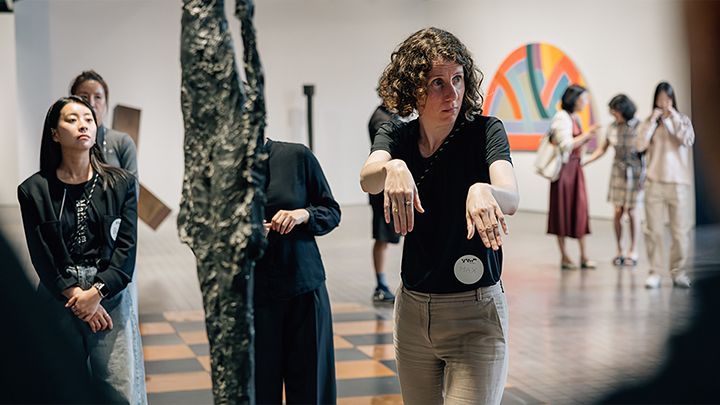
South Korea's Ministry of Culture, Sports and Tourism is accepting applications from ten institutions—including museums and art galleries—for its "2026 Exhibition Information Sign Language Video Production Support Project." Applications run from May 21 to June 12, with priority given to institutions offering permanent or long-term exhibitions. The ministry will evaluate regional balance, facility accessibility, video utilization potential, and exhibition suitability, and will survey the deaf community's viewing needs. The final list of selected institutions will be announced on June 22.