
filter_list Showing 2 results for "Perception" close Clear
dashboard All 20 museum exhibitions 11article local 2article policy 2rate_review review 2article news 1article culture 1person people 1
date_range Range Today This Week This Month All
Subscribe

La loi sur les restitutions des biens culturels pillés pendant la colonisation définitivement adoptée

The French Parliament has definitively adopted a permanent law on the restitution of cultural property looted during colonization, replacing the previous case-by-case legislative approach. The Senate unanimously approved the final text on May 7, 2026, following agreement in a joint committee on April 30, and the National Assembly had approved it the day before. The law creates a general derogation from the principle of inalienability of public collections, establishing a bilateral scientific committee to examine provenance, with final decisions made by decree of the Council of State. Key amendments from the National Assembly—including binding parliamentary votes on restitution and conditions on conservation and public access—were removed by the joint committee to avoid perceptions of neocolonial tutelage.
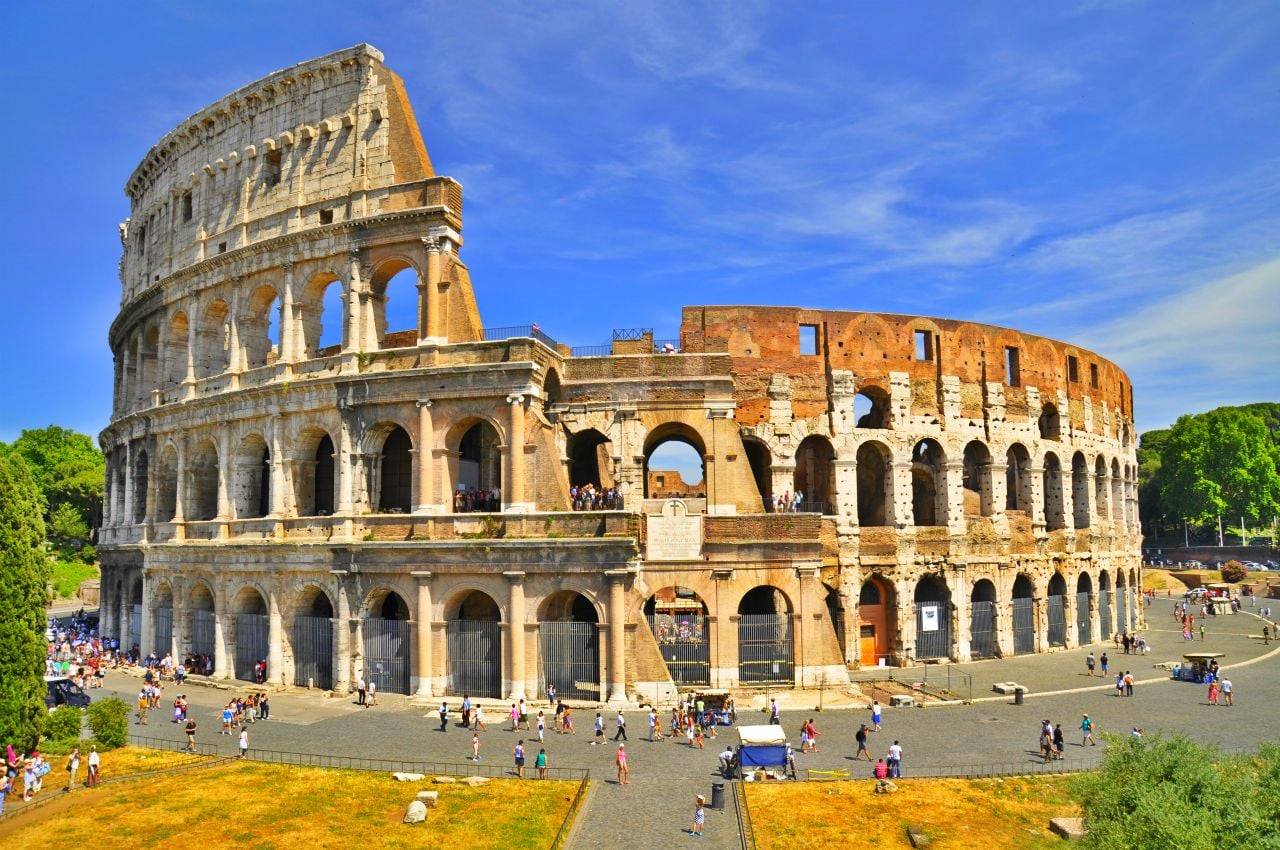
Why Italy's cultural wealth never really enters public accounts and budgets?

Perché la ricchezza culturale italiana non entra mai davvero nei conti e nei bilanci pubblici?

Italy has exceeded the European Commission's structural adjustment path by 0.1 percentage points of GDP, reopening fiscal scrutiny. Amid this debate, the article highlights a deeper issue: Italy's immense cultural heritage is drastically undervalued in public accounts. For example, the Pompeii Archaeological Park is recorded at just €48.9 million, the Colosseum at under €15 million, and the Uffizi at about €2 billion—figures based on outdated 2002 ministerial criteria that bear no relation to actual economic or cultural worth. The State General Accounting Office, with the University of Roma Tre and EU technical assistance, has proposed a new methodology to value cultural assets by discounting their future net financial flows, including direct revenues and indirect tourism-related returns.