filter_list Showing 36 results for "TIME" close Clear
search
dashboard All 1302 museum exhibitions 793article local 116article news 115article culture 83trending_up market 45person people 41article policy 36rate_review review 32candle obituary 25gavel restitution 15article event 1
date_range Range Today This Week This Month All
Subscribe

Difficult search for new culture senator in Berlin

Schwierige Suche nach neuem Kultursenator in Berlin

Berlin's culture senator Sarah Wedl-Wilson resigned on Friday after a state audit found that her allocation of anti-Semitism prevention funds was unlawful. The CDU politician is being succeeded by former justice senator and Bundestag member Thomas Heilmann (CDU), who is reportedly the favorite for the post. Heilmann, 61, studied law, ran a successful advertising firm, and served as Berlin's justice senator from 2012 to 2016 before sitting in the Bundestag from 2017 to 2025. Governing Mayor Kai Wegner has not yet made a final decision, but transport senator Ute Bonde publicly endorsed Heilmann, citing his experience with Berlin's administration.
Van Gogh Museum in funding mediation with Dutch government following threats of closure

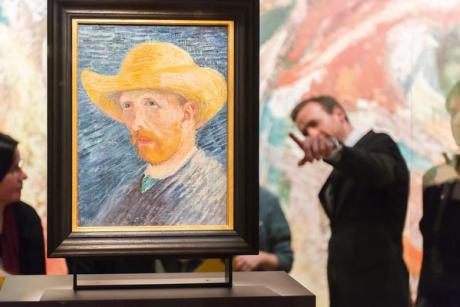
The Van Gogh Museum in Amsterdam has entered mediation with the Dutch government after initiating legal proceedings to secure additional public funding for a major renovation. The museum, which plans a three-year, €104m renovation starting in 2028, claims it could be forced to close unless its annual subsidy increases by €2.5m. The Dutch government, facing a budget deficit, considers the current €8.5m subsidy sufficient and argues the museum should contribute more itself. Mediation talks are making progress, and legal proceedings have been postponed indefinitely, with both sides aiming to conclude before summer.

America’s Finest Renaissance Tapestry Set for Major Restoration

The European Fine Art Foundation (TEFAF) has awarded its €25,000 Museum Restoration Fund to the Minneapolis Institute of Art (MIA) for the conservation of *The Meeting of Dante and Virgil*, a mid-16th century Italian Renaissance tapestry. This is the first time TEFAF has funded a tapestry restoration since the initiative began in 2012. The wool and silk tapestry, made between 1547 and 1549 by the Florentine workshop of Duke Cosimo I de’ Medici and designed by Francesco Salviati, depicts the opening scene of Dante’s *The Divine Comedy*. It is the only early Medici tapestry held by a public collection outside Italy, standing 17 feet tall and eight feet wide. Due to structural weaknesses and light sensitivity, it has been largely in storage for 70 years. Conservation work by the Midwest Art Conservation Center will include wet cleaning, stabilization, and partial reweaving, along with a new display system. The tapestry is scheduled to return to public view at MIA on July 11.

Picasso’s Guernica is the ultimate emblem of the horrors of war. It has no place in Spain's partisan squabbles | María Ramírez

A political dispute has erupted in Spain over the potential temporary relocation of Pablo Picasso's iconic anti-war painting *Guernica*. The president of the Basque Country, Imanol Pradales, has formally requested the work be moved from Madrid's Reina Sofía museum to the Guggenheim Museum Bilbao for several months in 2027, framing it as a form of "reparation" for the Basque people. The Spanish government has rejected the request on conservation grounds, while conservative politicians have used the proposal to attack Basque nationalism.

With $116 Million Gift, National Gallery Will Send Its Art Around Nation

The National Gallery of Art in Washington, D.C., has received a $116 million gift from billionaire art collector Mitchell P. Rales. This donation will fund a new program to send the museum's collection on long-term loans to smaller institutions across the United States in perpetuity, significantly expanding its national reach.

Historic $116M Gift Endows Lending Program at National Gallery of Art

The National Gallery of Art (NGA) has received a historic $116 million donation from the Mitchell P. Rales Family Foundation to permanently endow its 'Across the Nation' lending program. This initiative loans artworks from the NGA's collection to smaller regional museums across the United States, covering all associated costs. In its pilot year, the program reached an estimated 900,000 visitors at ten institutions, bringing works by artists like Georgia O'Keeffe, Rembrandt, and Mark Rothko to communities from Alaska to Michigan.

"Wir wollen Rücknahme von Kürzungen"

Berlin's cultural senator Sarah Wedl-Wilson resigned on Friday after the Berlin Court of Auditors ruled that millions in funding for antisemitism prevention projects were illegal. The resignation has sparked a political debate, with CDU general secretary Ottilie Klein defending governing mayor Kai Wegner against opposition criticism, while Franziska Stoff of the Berlin Culture Conference demands stability and a reversal of budget cuts. Thomas Fehrle, director of the Deutsche Oper Berlin, expressed personal regret over Wedl-Wilson's departure, praising her competence and engagement.

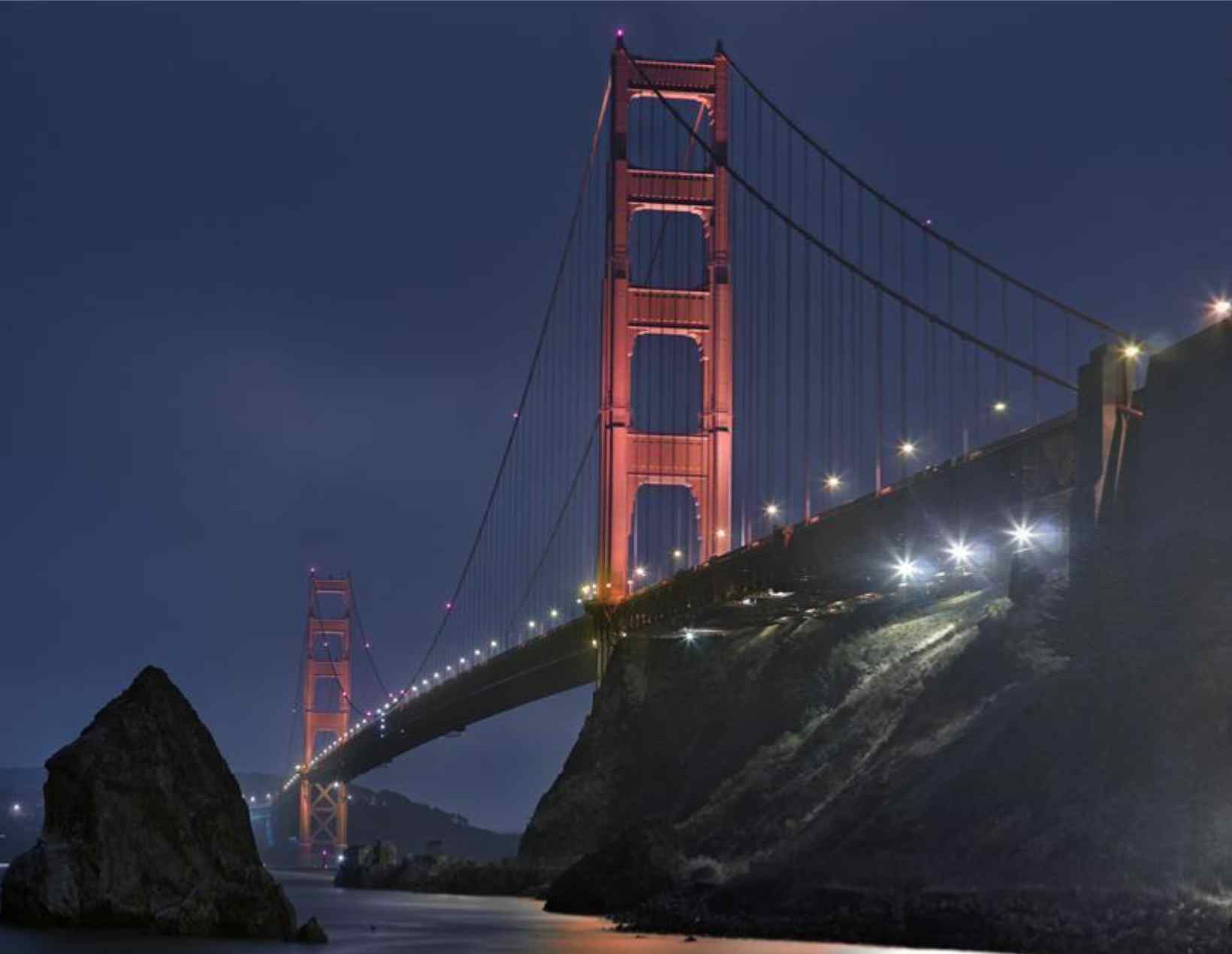
San Francisco announces its first-ever executive director of arts and culture.

Matthew Goudeau has been appointed as San Francisco's first-ever executive director of arts and culture, tasked with safeguarding the arts as a key part of the city's creative economy and identity. The appointment comes amid uncertain federal arts funding, but local arts funding in San Francisco is projected to increase this year under Mayor Daniel Lurie's leadership.

A new wing to solve the problems of the Galleria Borghese in Rome. Beautiful challenge, tedious controversy

Una nuova ala per risolvere i problemi della Galleria Borghese a Roma. Bella sfida, stucchevoli polemiche

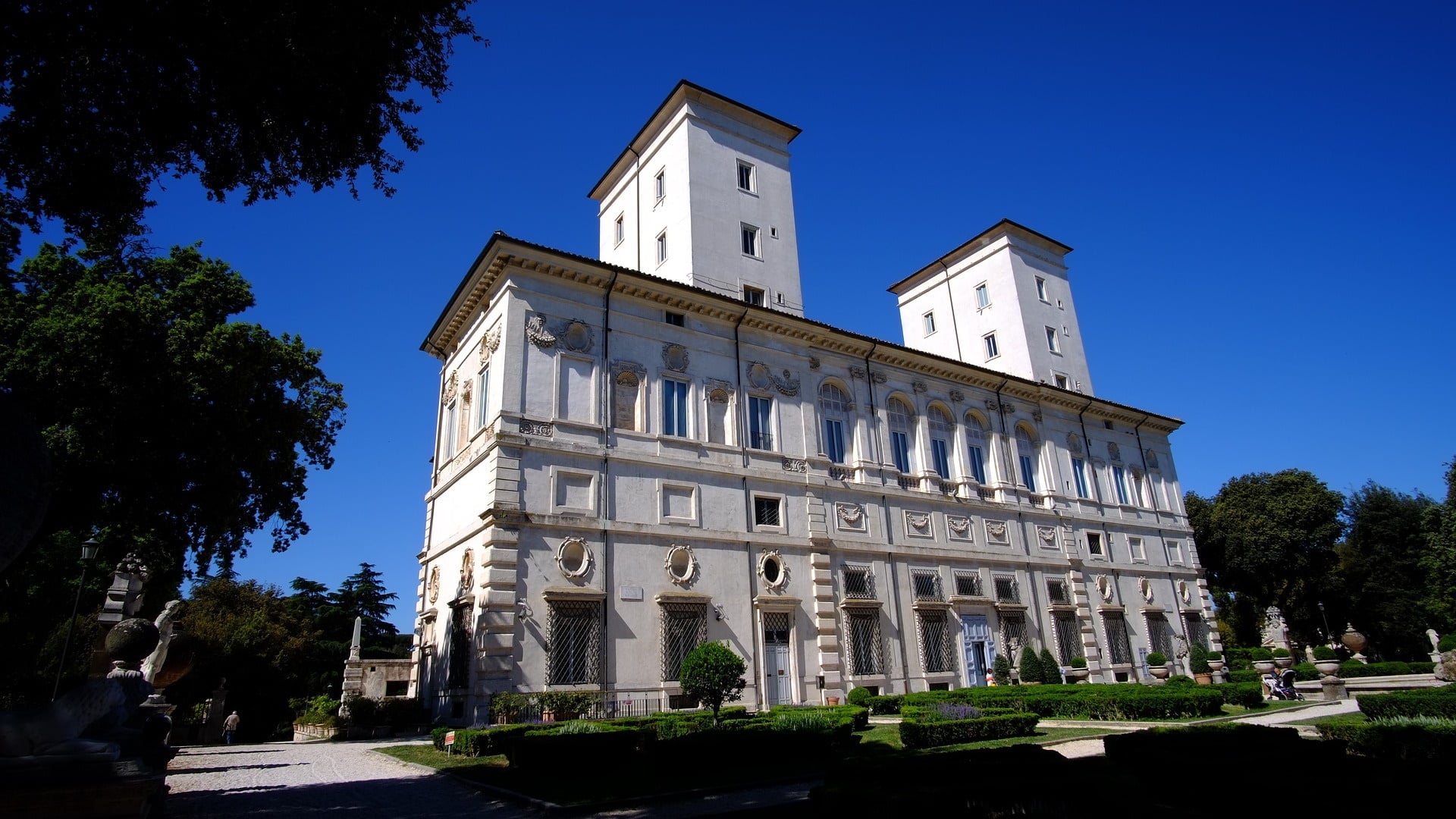
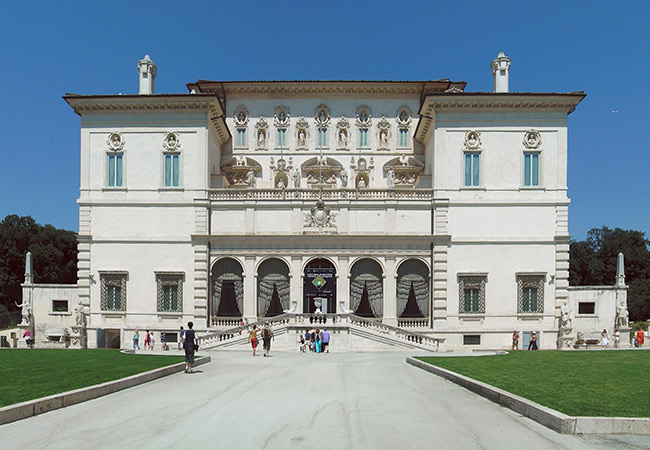
The Galleria Borghese in Rome, one of Italy's most extraordinary museums, faces significant accessibility and capacity issues due to its historic 17th-century structure. The museum is difficult for visitors with disabilities, overcrowded, and forces visitors to book far in advance—often waiting over a month for a time slot—while many masterpieces remain in storage. In 2025, the engineering firm Proger offered to sponsor a feasibility study for a new wing, contributing nearly 900,000 euros to fund an international architecture competition and a technical-economic feasibility plan. The study, currently underway, aims to explore whether a new annex can be built within the protected Villa Borghese park to create new entrances, exhibition spaces, and services.

French Parliament Accuses Louvre of Prioritizing ‘Prestige And Influence’ Over Security Prior to Jewel Heist

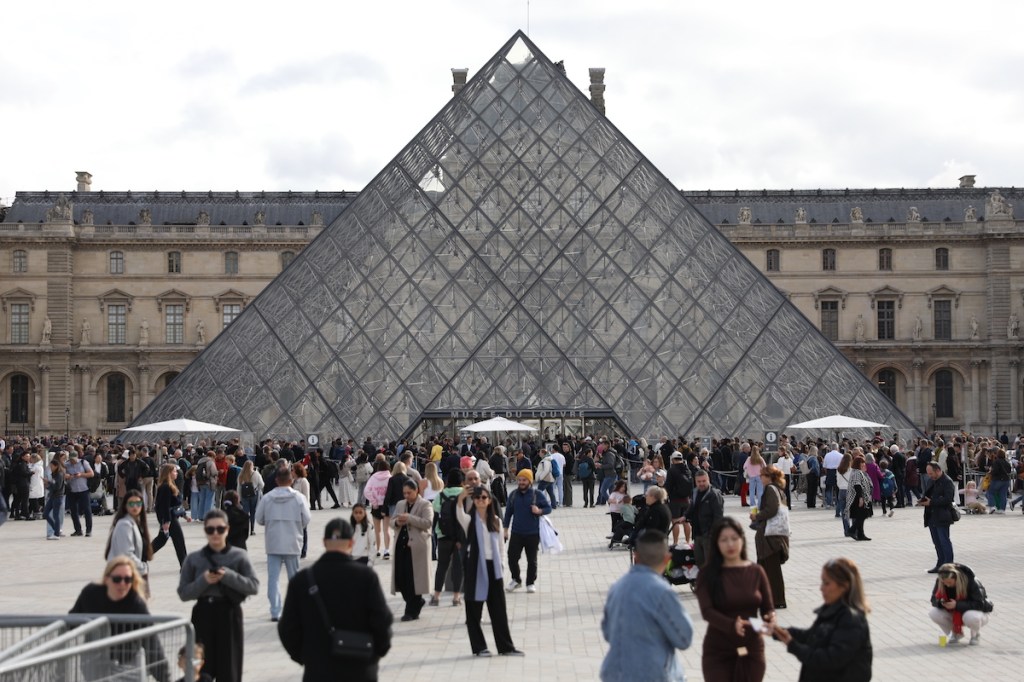
French MPs Alexis Corbière and Alexandre Portier have released a parliamentary report accusing the Louvre of prioritizing "prestige and influence" over security, leading to a brazen jewel heist on October 19, 2025. Thieves entered the museum in broad daylight and stole nine pieces of jewelry worth an estimated $102 million in under eight minutes. The report, based on over 20 hearings with 100 insiders, reveals that security had been "relegated to the background" despite audits in 2017 and 2019, and that a Security Equipment Master Plan from 2019 was not implemented in time by former director Jean-Luc Martinez. The report also casts doubt on President Emmanuel Macron's nearly $1 billion renovation plan for the Louvre, announced nine months before the heist.

Antony Gormley sculpture quietly removed and sold off by UK council

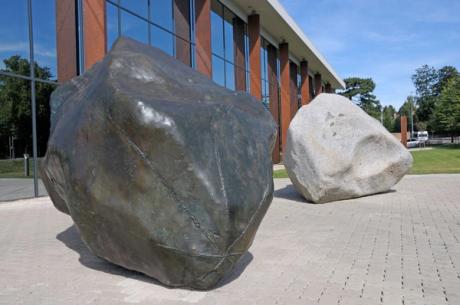
Kent County Council, led by the Reform party, has removed and sold Antony Gormley's early public sculpture 'Two Stones' (1979-81) from outside the Kent History and Library Centre in Maidstone. The council sold the work back to the artist himself in a private sale to raise funds, citing severe financial pressures and a need to avoid increasing costs for residents. The council's most recent accounts valued the work at £859,000, but the final sale price remains confidential.

Alma Allen’s US Pavilion Heads to Venice Amid Questions Over Selection Process

The selection of Alma Allen to represent the United States at the 2026 Venice Biennale has ignited controversy over the process. The U.S. State Department abandoned its traditional selection model, which involved a panel of experts convened by the National Endowment for the Arts, and instead handed control to a new nonprofit, the American Arts Conservancy, led by individuals with little museum experience. This shift has drawn criticism from prominent figures in the art world, with some artists declining to participate due to concerns over the political context and unfamiliar leadership.

The National Gallery of Art Embraces New Role as Lending Library, Thanks to a Big Gift That Sends Artwork to Other Museums

The National Gallery of Art in Washington, D.C., has received a $116 million donation from the Mitchell P. Rales Family Foundation to fund its 'Across the Nation' lending program. The gift, the largest programming-related donation in the museum's history, will support shipping, installation, and other costs associated with sending artworks on two-year loans to smaller regional museums across the United States, from Alaska to Florida.

Barbara Chase-Riboud Speaks Out on Declining US Biennale Pavilion

Sculptor and author Barbara Chase-Riboud has publicly declined an invitation to represent the United States at the 2026 Venice Biennale, stating it was "not the moment" for her to do so. She was among the artists initially considered by the newly formed American Arts Conservancy (AAC), which is organizing the US pavilion after both she and photographer William Eggleston turned down the opportunity.

Giuli Buys Everything! The Ministry of Culture Also Wants to Take Over Rome's Teatro delle Vittorie and Venice's Palazzo Labia?

Giuli compra tutto! Il Ministero della Cultura vuole prendersi anche Il Teatro delle Vittorie di Roma e Palazzo Labia a Venezia?

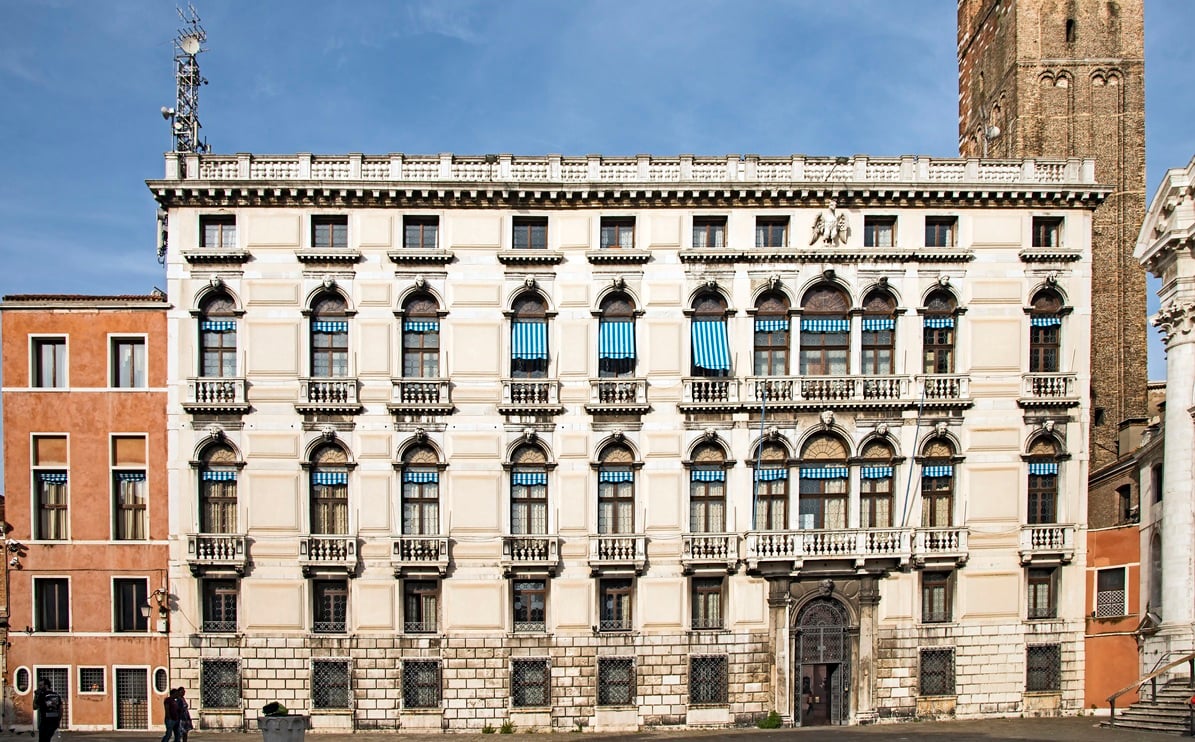
Italian Minister of Culture Alessandro Giuli is pursuing an aggressive acquisition campaign for cultural properties. After high-profile purchases including Antonello da Messina's *Ecce Homo* and Caravaggio's *Portrait of Monsignor Maffeo Barberini* (€30 million), the Ministry has now expressed interest in acquiring Rome's Teatro delle Vittorie and Venice's Palazzo Labia—both part of a real estate portfolio being sold by state broadcaster Rai. The Ministry also recently bought Verona's historic Cinema Astra (with a €7.5 million restoration plan) and Naples' Teatro Sannazzaro after a fire.

DOGE Cuts to National Endowment for the Humanities Were Unconstitutional, Court Rules

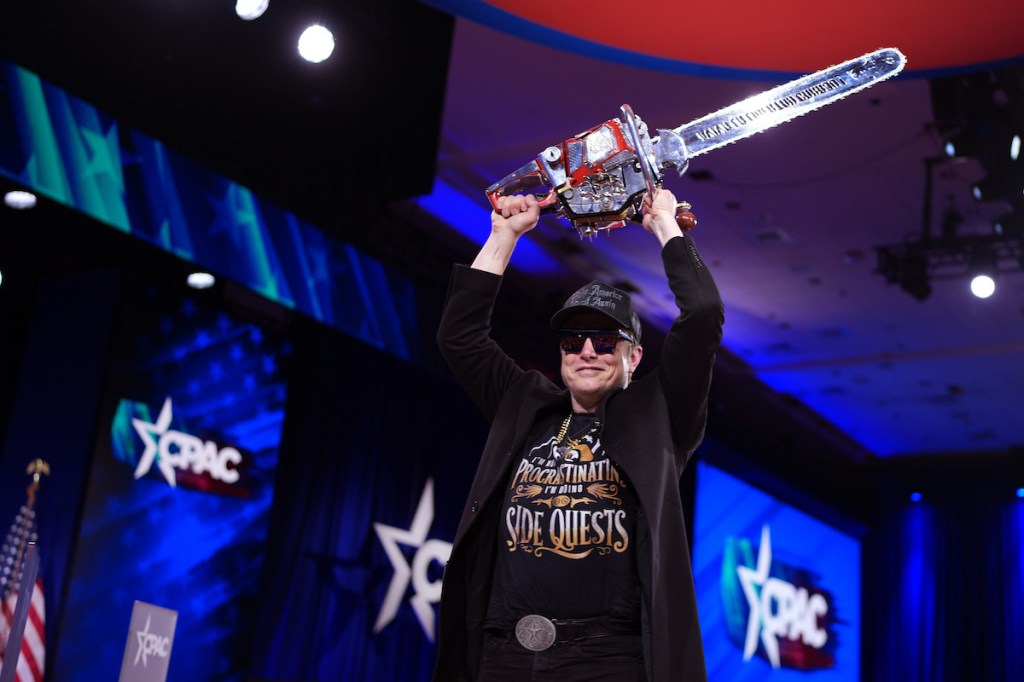
A federal judge ruled that the cancellation of over 1,400 grants by the National Endowment for the Humanities, carried out by Elon Musk's Department of Governmental Efficiency (DOGE), was unconstitutional. Judge Colleen McMahon of the Federal District Court in Manhattan ordered DOGE to rescind the cancellations, finding that the cuts violated the First Amendment and the equal protection component of the Fifth Amendment. The lawsuits were filed after the NEH chairman was dismissed and the agency was redirected under President Donald Trump's "America First" cultural campaign, with acting chair Michael McDonald cutting most grants awarded by the previous administration. The cuts, totaling more than $100 million, disrupted research, publications, and humanities programming, and were reportedly flagged using ChatGPT to target grants related to diversity, equity, and inclusion.

How the State Supports Provenance Research

Comment l’État soutient la recherche de provenance

The French Ministry of Culture has created two specialized missions to assist museums in researching the provenance of their collections, addressing looted artworks, human remains, colonial acquisitions, and illicit trafficking. The Mission for Research and Restitution of Looted Cultural Property (M2RS), established in 2019, focuses on Nazi-era spoliations (1933-1945) with a budget of €220,000 annually, while the newer Mission "Provenance," launched in 2024 under curator Catherine Chevillot, covers human remains, colonial-era objects, and illicit goods with a €450,000 budget. These missions provide expertise, funding, and coordination with institutions like the Commission for the Restitution of Property and Compensation of Victims of Anti-Semitic Spoliation (CIVS), though most museums still only initiate provenance checks during acquisitions or donations.

Victorien Bornéat : « De l’échec de la démocratisation culturelle est né un sentiment d’exclusion »

Victorien Bornéat has published a manifesto arguing that French cultural democratization policy, rooted in André Malraux's vision of making masterworks accessible to all, has failed. He cites budget cuts by regional presidents Laurent Wauquiez and Christelle Morançais, police raids on bookshops like Violette and Co, and statistical studies showing that working-class audiences still do not spontaneously attend theaters, museums, or opera. Bornéat contends that the policy's emphasis on direct confrontation with canonical works ignored the need for cultural codes and institutional literacy, creating an exclusion that politicians now exploit for electoral gain.

Cigarette Taxes Have Funneled $270 M. Toward Arts and Culture in Cleveland Since 2007

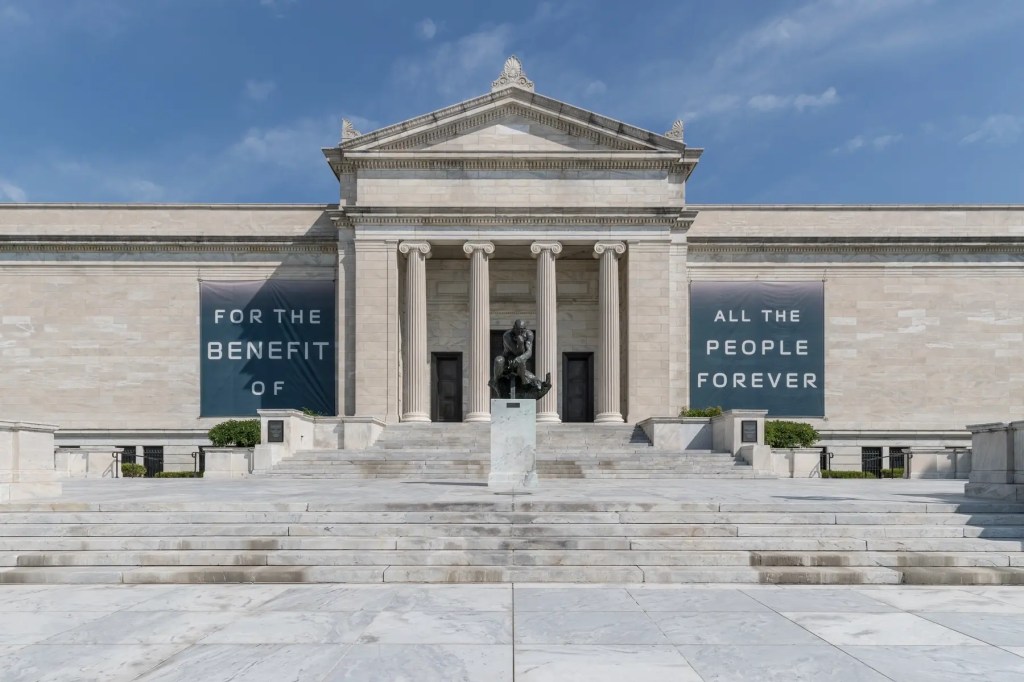
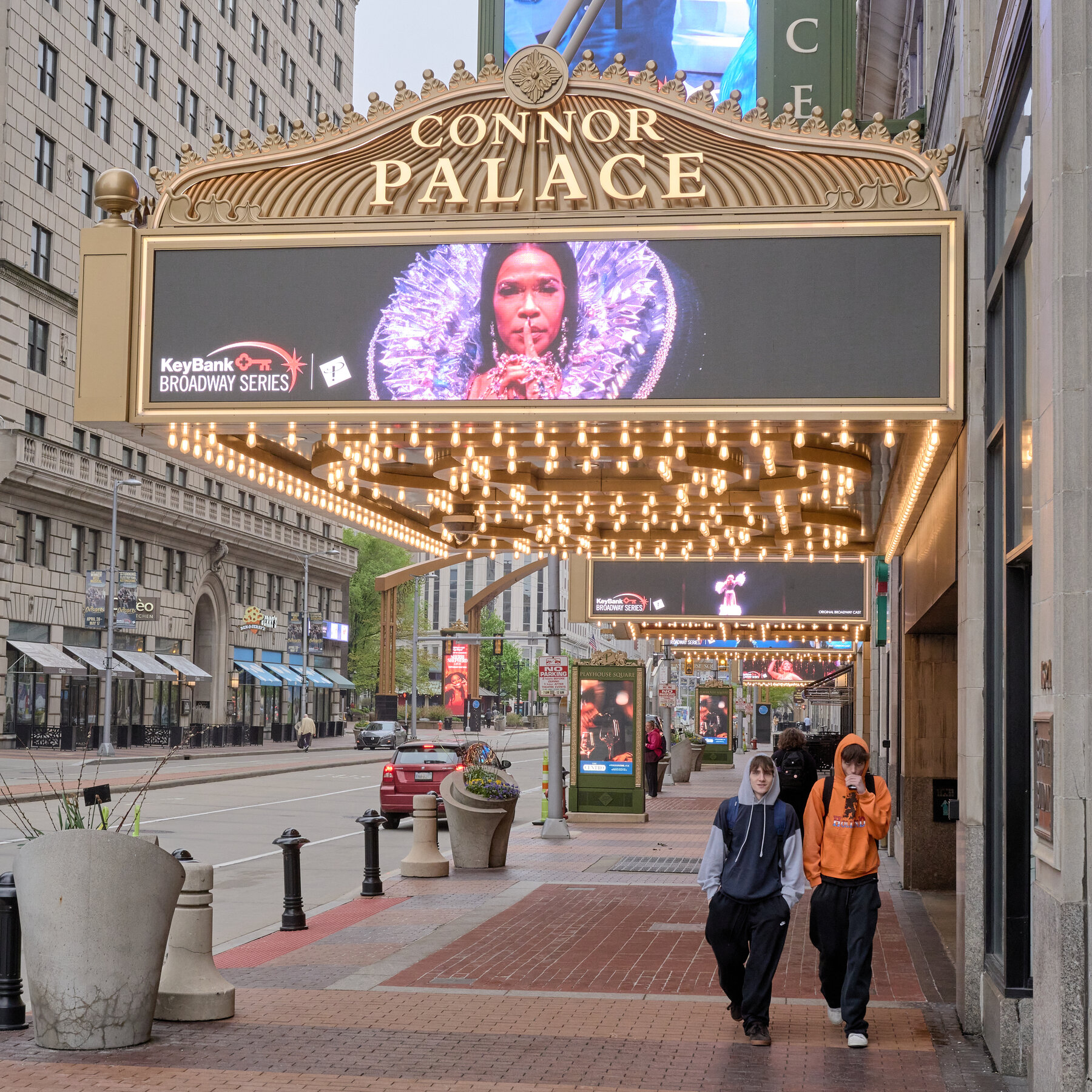
Cuyahoga County, Ohio, has funneled $270 million into arts and culture since 2007 through a cigarette tax, distributed by the nonprofit Cuyahoga Arts and Culture. Beneficiaries include the Cleveland Museum of Art, the Museum of Contemporary Art Cleveland, the Cleveland Institute of Art, ICA-Art Conservation, Sculpture Center, and the Cleveland Arts Prize. The tax has funded roughly 4,000 grants to 485 organizations, far exceeding the $48 million the entire state received from the National Endowment for the Arts in the same period.

Hermitage Museum Director and Putin Ally Mikhail Piotrovsky Sanctioned by European Union

The European Union has sanctioned Mikhail Piotrovsky, the longtime director of the State Hermitage Museum in St. Petersburg, for his close association with Vladimir Putin and his active support of Russia's war against Ukraine. Announced on April 23, the sanctions are part of a broader package targeting over a hundred individuals and entities, including other cultural figures like Sergei Obryvalin, Igor Solonin, and Andrey Polyakov, for their roles in the seizure of Ukrainian cultural property and the spread of Russian propaganda in occupied regions.

Comment | Museums are civic institutions. It’s time we acted like it

Lindsay C. Harris, director of the Oakland Museum of California (OMCA), publishes a commentary calling for museums to act as true civic institutions. She outlines concrete internal commitments OMCA has made, including voluntarily recognizing a staff union, adopting a pay equity philosophy with a minimum wage of $30.88 per hour, implementing transparent financial practices, and shifting investments toward socially responsible funds. Externally, she advocates for centering community voices, building social cohesion through inclusive programming, and measuring institutional impact through visitor surveys.

Institutions Across the US to Benefit from Transformative $116 Million Gift to National Gallery

Billionaire collector and National Gallery of Art trustee Mitchell P. Rales has donated $116 million to the museum. The gift, the largest programming endowment in the institution's history, will fund the 'Across the Nation' initiative, which loans works from the National Gallery's permanent collection to small and midsize museums across the United States for two-year periods at no cost to the borrowing institutions.

Hamburg Culture Prize Renamed After Namesake’s Nazi Ties Emerge

Hamburg's Senator Biermann Ratjen Medal, a culture prize awarded for nearly five decades, is being renamed the Medal for Art and Culture in Hamburg after historian Helmut Stubbe da Luz uncovered evidence that the prize's namesake, Hans Harder Biermann-Ratjen, confirmed his Nazi Party membership in a 1943 application. Biermann-Ratjen, who later served as Hamburg's senator for culture, had been deemed not to have been a member during post-war de-Nazification, but the new research prompted the city to rebrand the award.

EU Says It ‘Intends’ to Cut Funding to Venice Biennale Because of Russian Pavilion

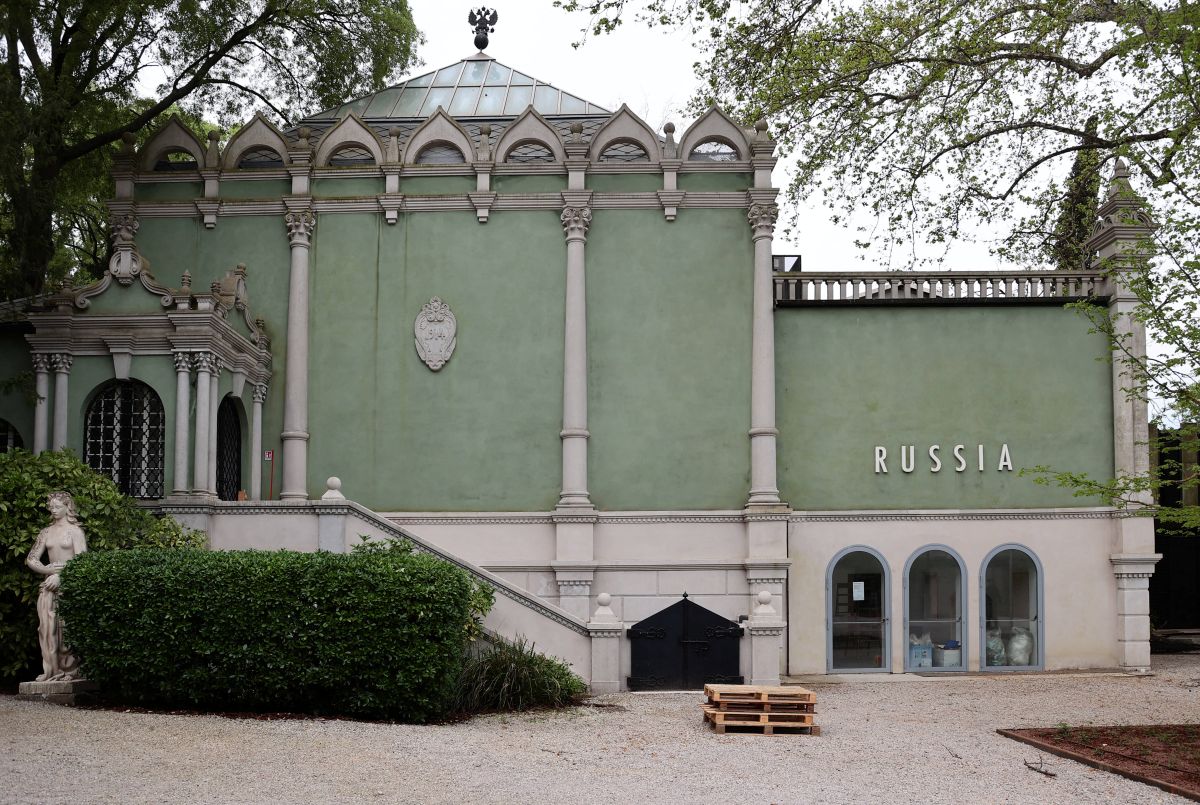
The European Union has declared its intention to cut its €2 million funding contribution to the Venice Biennale in response to the exhibition's decision to host a Russian national pavilion for the first time since Russia's 2022 invasion of Ukraine. EU foreign policy chief Kaja Kallas stated that allowing Russia to exhibit while it "bombs museums, destroys churches and seeks to erase Ukrainian culture" is morally wrong, marking the union's strongest condemnation to date.

In Rome, the extension of the Galleria Borghese provokes a revolt

À Rome, l’extension de la Galerie Borghèse provoque une fronde

The Galleria Borghese in Rome has sparked controversy by initiating a feasibility study for a new building attached to its 17th-century villa. Museum director Francesca Cappelletti, in office since 2020, cites the need to increase visitor capacity, improve security, and create spaces for mediation, conferences, and temporary exhibitions. The museum, which saw nearly 630,000 visitors in 2025, operates with strict two-hour time slots capped at 180 people, often sold out in high season. Engineering firm Proger has offered to fund the study for €875,750 in exchange for institutional visibility, and Rome's mayor Roberto Gualtieri has declared the project of public interest.

Sachsen-Anhalt schützt Kunst und Kultur per neuem Gesetz

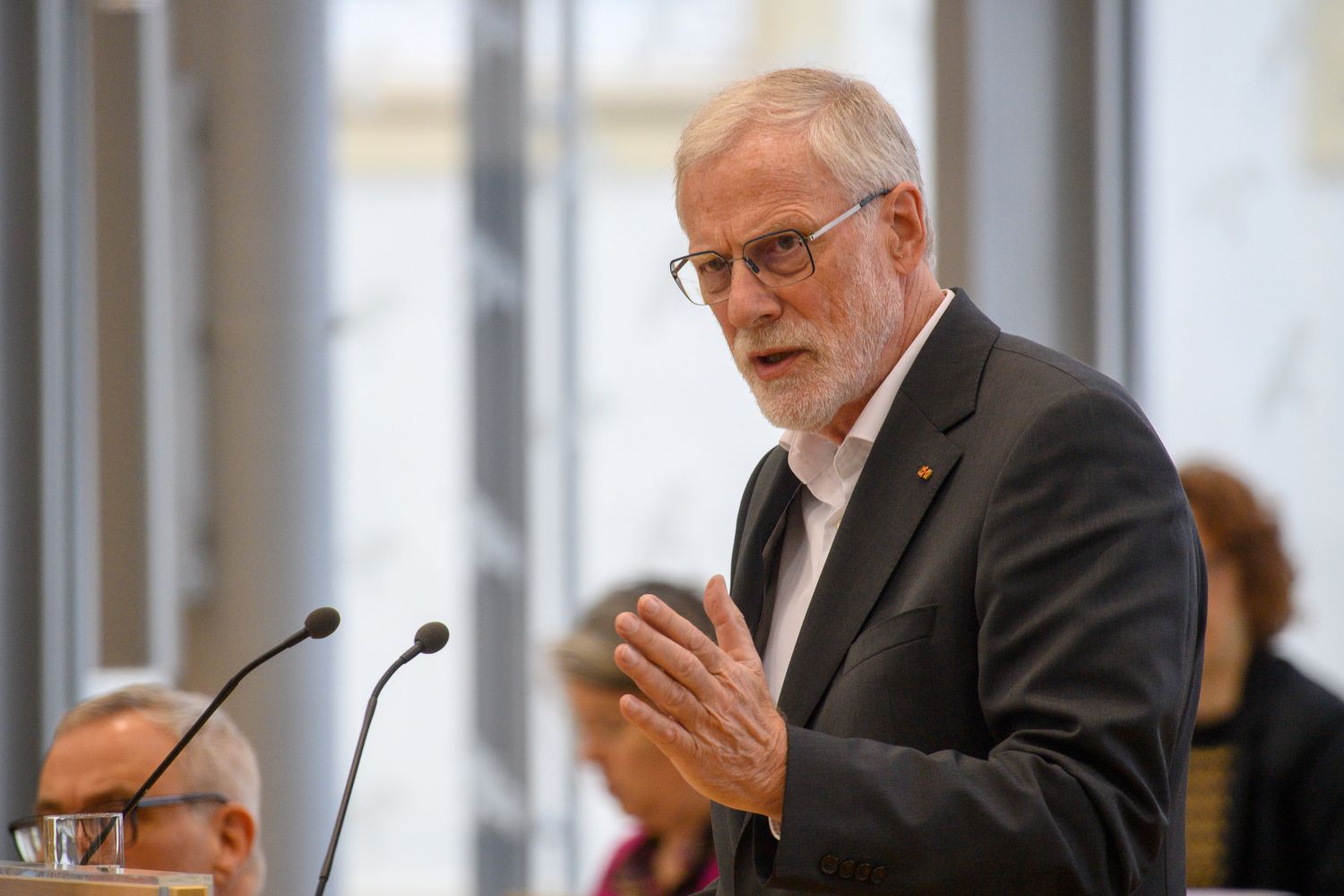
Sachsen-Anhalt has enshrined support for art and culture as a state objective in a new law, passed by the state parliament in Magdeburg with the exception of the AfD faction, which abstained. Culture Minister Rainer Robra (CDU) framed the law as fulfilling a promise from 1989, defining what constitutes art and culture in the state, including their roles in education and as an economic factor, and aiming to make cultural structures resilient against future attacks on artistic freedom.

The Biennale Must Remain Open – Also for Russia

Die Biennale muss offen bleiben – auch für Russland

The article argues against calls to exclude Russia from the Venice Biennale, focusing on the controversy surrounding the Russian pavilion's planned exhibition titled "Der Baum ist im Himmel verwurzelt" (The Tree Is Rooted in Heaven). The pavilion is set to feature musicians from Russia, Argentina, Mali, and Mexico, and its theme revolves around the idea that politics is time-bound. The author contends that while the demand to exclude Russia is understandable given the geopolitical context, it is dangerous because once a biennial begins disinviting states, it undermines the very concept of the international exhibition.

Why Italy's cultural wealth never really enters public accounts and budgets?

Perché la ricchezza culturale italiana non entra mai davvero nei conti e nei bilanci pubblici?

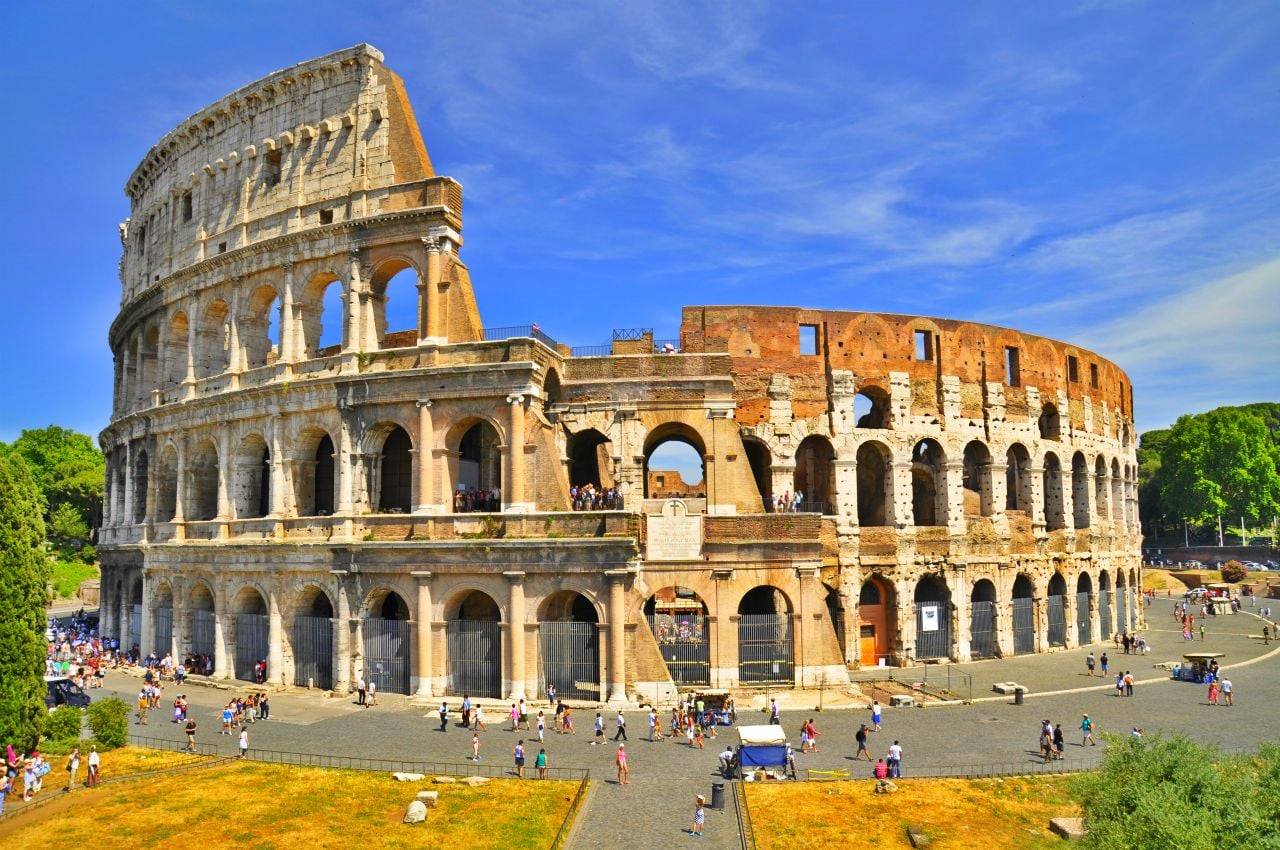
Italy has exceeded the European Commission's structural adjustment path by 0.1 percentage points of GDP, reopening fiscal scrutiny. Amid this debate, the article highlights a deeper issue: Italy's immense cultural heritage is drastically undervalued in public accounts. For example, the Pompeii Archaeological Park is recorded at just €48.9 million, the Colosseum at under €15 million, and the Uffizi at about €2 billion—figures based on outdated 2002 ministerial criteria that bear no relation to actual economic or cultural worth. The State General Accounting Office, with the University of Roma Tre and EU technical assistance, has proposed a new methodology to value cultural assets by discounting their future net financial flows, including direct revenues and indirect tourism-related returns.

Funding Feud Over Russia's Return To The Venice Biennale

Russia is set to return to the Venice Biennale with its national pavilion for the first time since its 2022 full-scale invasion of Ukraine. This has sparked a funding feud, with the European Commission threatening to withhold a €2 million grant from the event if Russia's exhibit proceeds, a move criticized by Italian Deputy Prime Minister Matteo Salvini.

In Cleveland, Smokers Are Helping to Keep the Arts Alive

A novel cigarette tax in the Cleveland area has generated $270 million for cultural organizations, funding everything from museums to performing arts venues. The tax, designed to support the arts while discouraging smoking, has become a significant revenue source for the region's cultural sector.