filter_list Showing 6 results for "U.K." close Clear
dashboard All 77 museum exhibitions 25article news 23trending_up market 14article policy 6gavel restitution 3article culture 3person people 2article local 1
date_range Range Today This Week This Month All
Subscribe

louvre ticket price hike 2721236

The Louvre will raise ticket prices by 45 percent for non-E.U. visitors starting January 14, 2026, with tickets increasing to €32 ($37) for travelers from the U.S., U.K., and China, while E.U. visitors continue to pay €22. The price hike, announced on November 27, is expected to generate €15–20 million annually to fund modernization plans, following intense criticism over aging infrastructure and a $102 million jewel heist in October. The museum also faces structural issues, including the temporary closure of parts of its Sully wing due to fragile support beams, and has implemented an €80 million security master plan.

french museums hike ticket prices non european visitors 2654566

Several major French cultural institutions, including the Louvre, the Château de Versailles, and potentially the Arc de Triomphe, have implemented a "differential tariff" that raises ticket prices for non-European Union visitors. Starting January 1, 2026, non-E.U. tourists will pay €30 ($35) to enter the Louvre, up from €22 ($25). The policy, first reported by Le Monde, is expected to generate up to €20 million annually for the Louvre alone, helping to fund urgent renovations estimated at €400 million over 15 years. The move follows a leaked letter from Louvre director Laurence des Cars to culture minister Rachida Dati warning of severe building deterioration, including temperature fluctuations endangering artworks and water damage. French president Emmanuel Macron has announced a sweeping restoration, but state funding will cover only a fraction of the cost.

london national gallery staff cuts 2745442

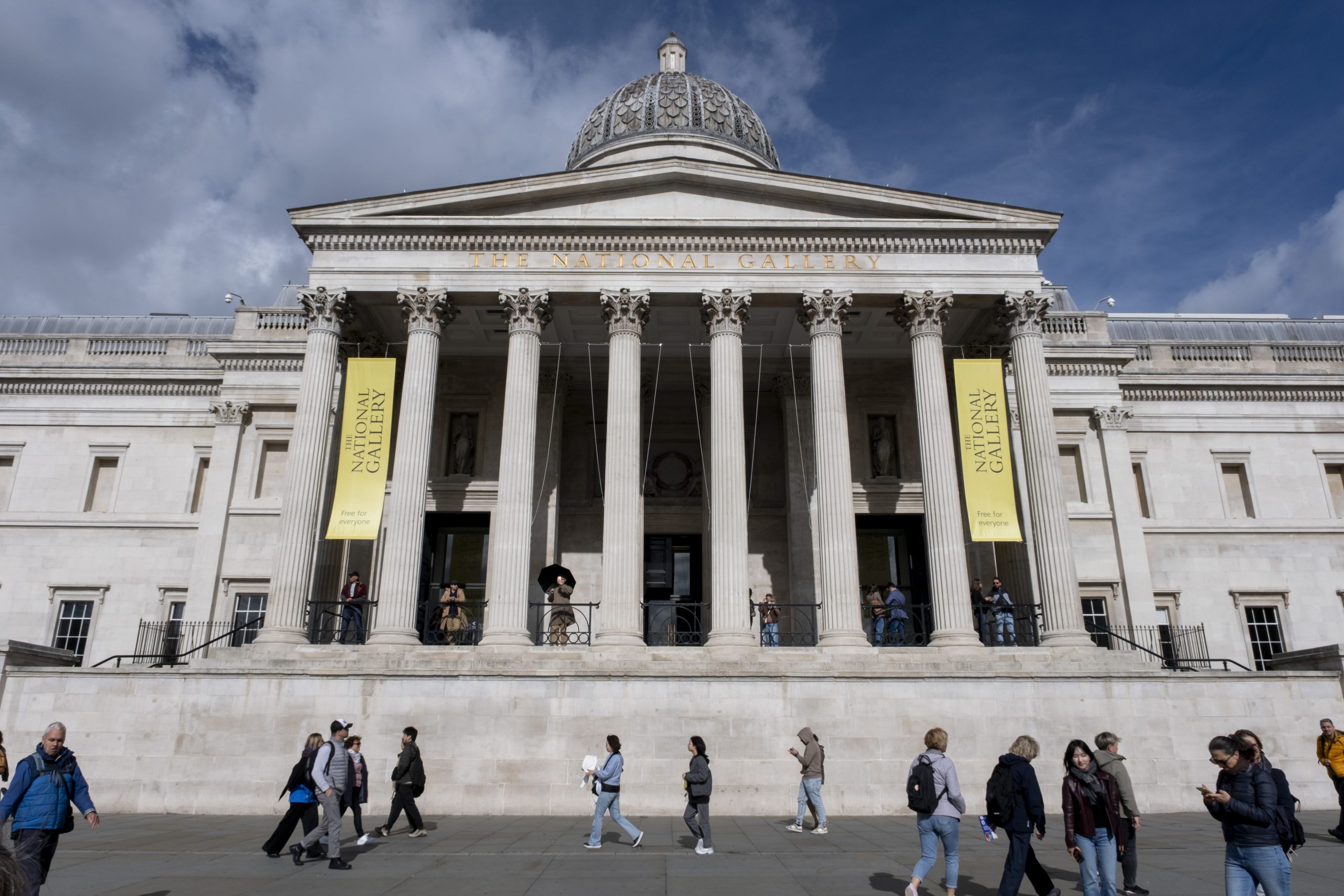
London's National Gallery is implementing significant staff reductions and program changes to address a projected £8.2 million ($11.2 million) budget deficit. The museum has launched a voluntary exit scheme for employees and will cut public programs, aiming to reduce the deficit by £2.6–3 million through personnel costs. The remaining shortfall will be addressed through other operational cuts.

museums in crisis takeaways 2717463

Artnet News published its 'Museums in Crisis' series, a global investigation into pressures facing cultural institutions. Key takeaways include: Western museums face a funding and political crisis, with U.S. institutions losing hundreds of millions in federal support (including $428 million from the National Endowment for the Humanities) and European museums like those in Berlin facing cuts of €130 million. Corporate sponsorship is increasingly risky due to ethical scrutiny, with the U.K.'s Museums Association urging institutions to avoid ties to fossil fuels or human rights abuses. China's private museums are at risk of downsizing or disappearing due to economic slowdown and lack of public funding.

triqueti campbell sculpture export bar 2718656

The U.K. government has imposed a temporary export bar on a mid-19th century marble sculpture by Henri-Joseph-François de Triqueti, depicting sisters Florence and Alice Campbell. The work, valued at £280,000 ($367,000), sold for £117,700 at Lyon and Turnbull auction house in January 2025. The Department for Culture, Media, and Sport (DCMS) intervened on the advice of the Reviewing Committee on the Export of Works of Art (RCEWA), citing the sculpture's rarity, outstanding aesthetic importance, and potential for scholarly study. The export license is deferred for three months, with a possible six-month extension, to allow a U.K. institution to acquire it.

eu import regulations 2653480

The European Union's Regulation 2019/880, aimed at combating illicit trafficking and terrorism, will take effect on June 28, imposing stricter import controls on antiquities and artworks over 200 years old and valued above €18,000 ($19,500). The regulation requires importers to provide evidence that an object was lawfully exported from its country of origin, even for items exported decades ago when such documentation was not required. This reverses the presumption of innocence, placing the burden of proof on importers. Dealers and experts express concern that the rules are not based on market realities, as importers must be registered within the E.U., forcing non-E.U. dealers to rely on third-party agents or shippers. The regulation also poses challenges for ancient objects, where borders and export controls may be historically ambiguous.