filter_list Showing 10 results for "UBS" close Clear
dashboard All 192 museum exhibitions 59article local 44article news 28article culture 16person people 14trending_up market 13article policy 10rate_review review 4gavel restitution 3candle obituary 1
date_range Range Today This Week This Month All
Subscribe

Gilles Bloch: "The Museum needs 1.1 billion euros"

Gilles Bloch : « Le Muséum a besoin de 1,1 milliard d’euros »

Gilles Bloch, president of the Muséum national d’histoire naturelle in Paris, has issued an urgent call for €1.1 billion in funding to address the critical state of the institution's infrastructure. Ahead of its 400th anniversary in 2026, a diagnostic report reveals that 74% of the museum's 120 buildings are in poor condition, with several galleries currently closed to the public or suffering from inadequate climate control. The requested funds would cover €500 million in emergency repairs to stabilize decaying structures and a further €600 million for long-term modernization and energy efficiency upgrades.
What is Art Allowed to Do?

Was darf die Kunst?

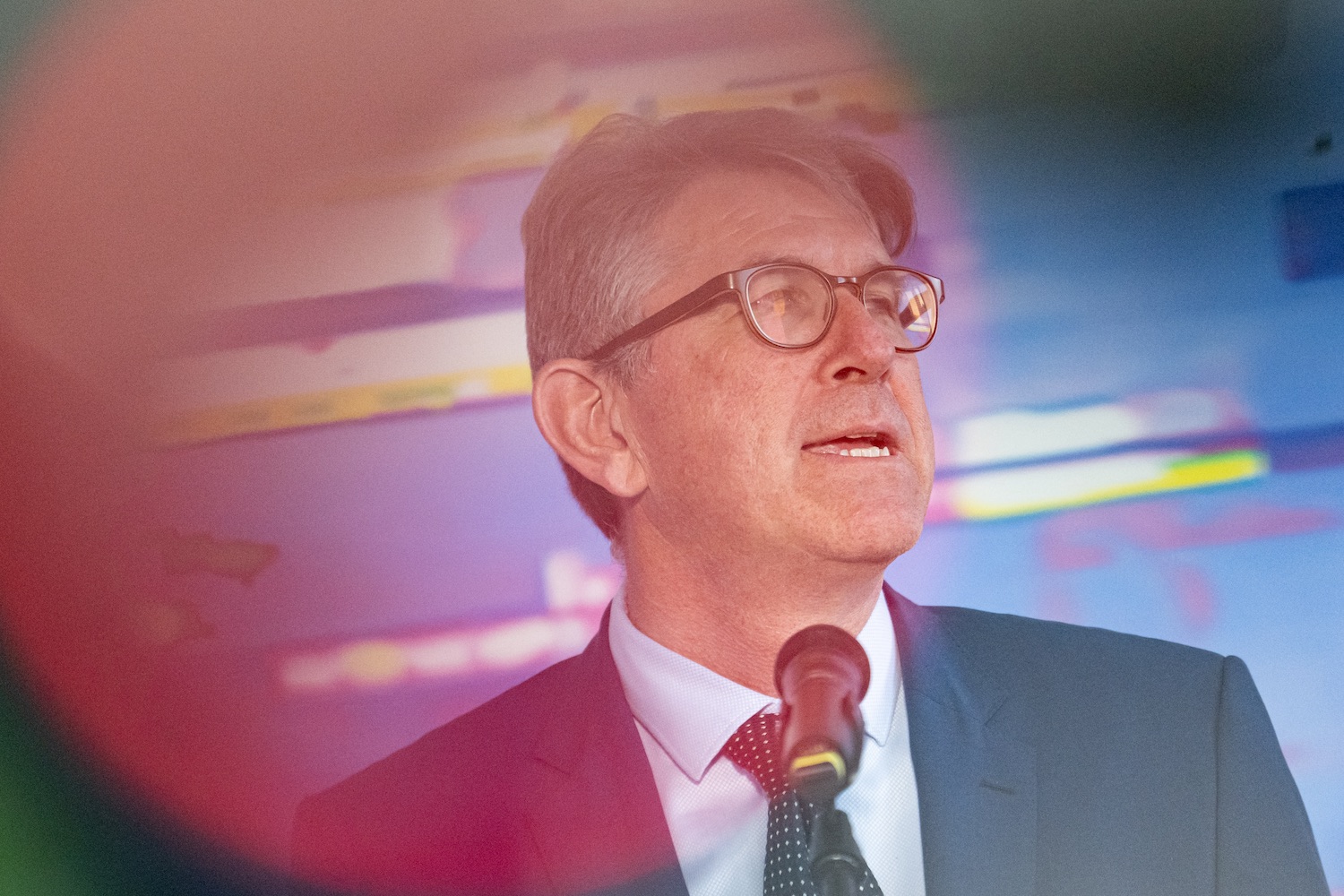
German Minister of State for Culture Wolfram Weimer has sparked a heated debate over artistic freedom after excluding three bookstores from the German Bookstore Prize due to undisclosed intelligence reports. The controversy has escalated into a broader confrontation with cultural institutions, highlighted by the Berlin Volksbühne's public criticism and Weimer's subsequent refusal to participate in a scheduled panel discussion. This incident follows a string of high-profile disputes regarding political expression in the arts, particularly concerning the Berlinale and documenta fifteen.

What Future for Art Centers?

Quel avenir pour les centres d’art ?

The article examines the uncertain future of contemporary art centers in France, a category that encompasses vastly different institutions from major venues like the Palais de Tokyo to smaller regional spaces. These non-collecting institutions, dedicated to exhibiting emerging artists and experimentation, face fragility due to heavy reliance on local government funding and difficulty proving their utility to elected officials. Their core mission is further challenged by more robust regional contemporary art funds (Fracs), which have greater resources for similar goals of exhibiting ultra-contemporary art and cultural democratization.

How museum funding in Denmark has become reliant on visitor numbers

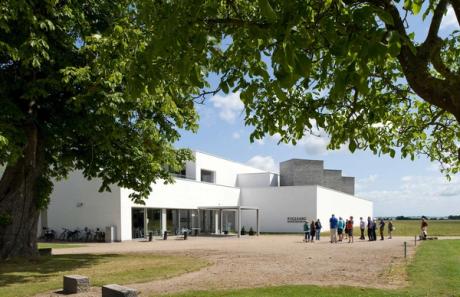
Danish museums have recovered strongly from the pandemic, with 2025 attendance matching 2024's record levels of around 9 million visitors. However, a new state-funding model introduced in January 2025 now makes government subsidies increasingly dependent on measurable outputs, primarily visitor numbers. Institutions must meet minimum thresholds for annual visitors and income, and produce peer-reviewed research to secure and retain funding.

British Museums Escape Penalizing Law on Memberships

Les musées britanniques échappent à une loi pénalisante sur les adhésions

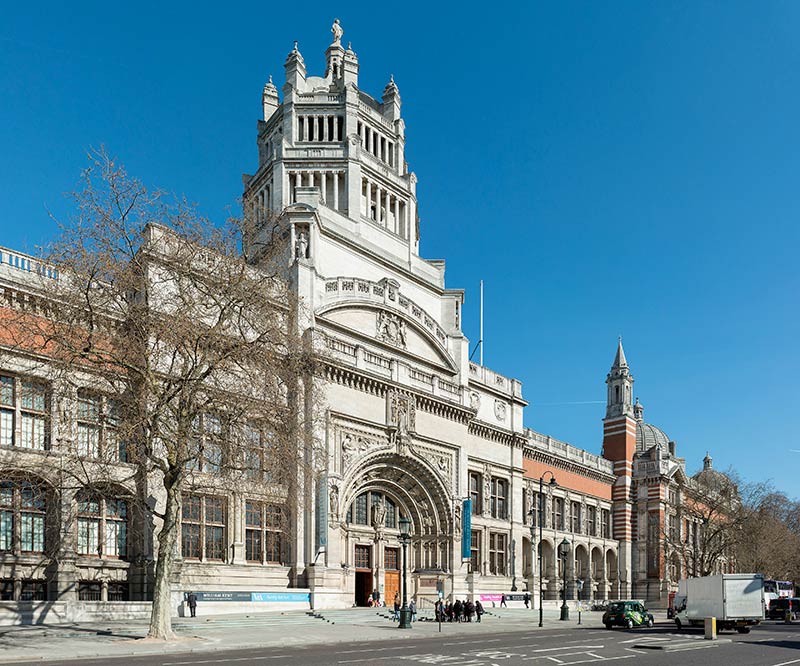
The British government has officially exempted charitable museum memberships from the Digital Markets, Competition and Consumers Act (DMCCA). Originally designed to target predatory subscription models like those used by streaming services, the law would have granted members a 14-day cooling-off period both at sign-up and upon annual renewal. Major institutions like the Tate and the Victoria & Albert Museum feared this would allow visitors to attend major exhibitions for free before canceling their memberships for a full refund.

Milan provides spaces to open 10 new neighborhood bookstores: the tender to open one

Milano mette a disposizione spazi per aprire 10 nuove librerie di quartiere. Il bando per aprirne una

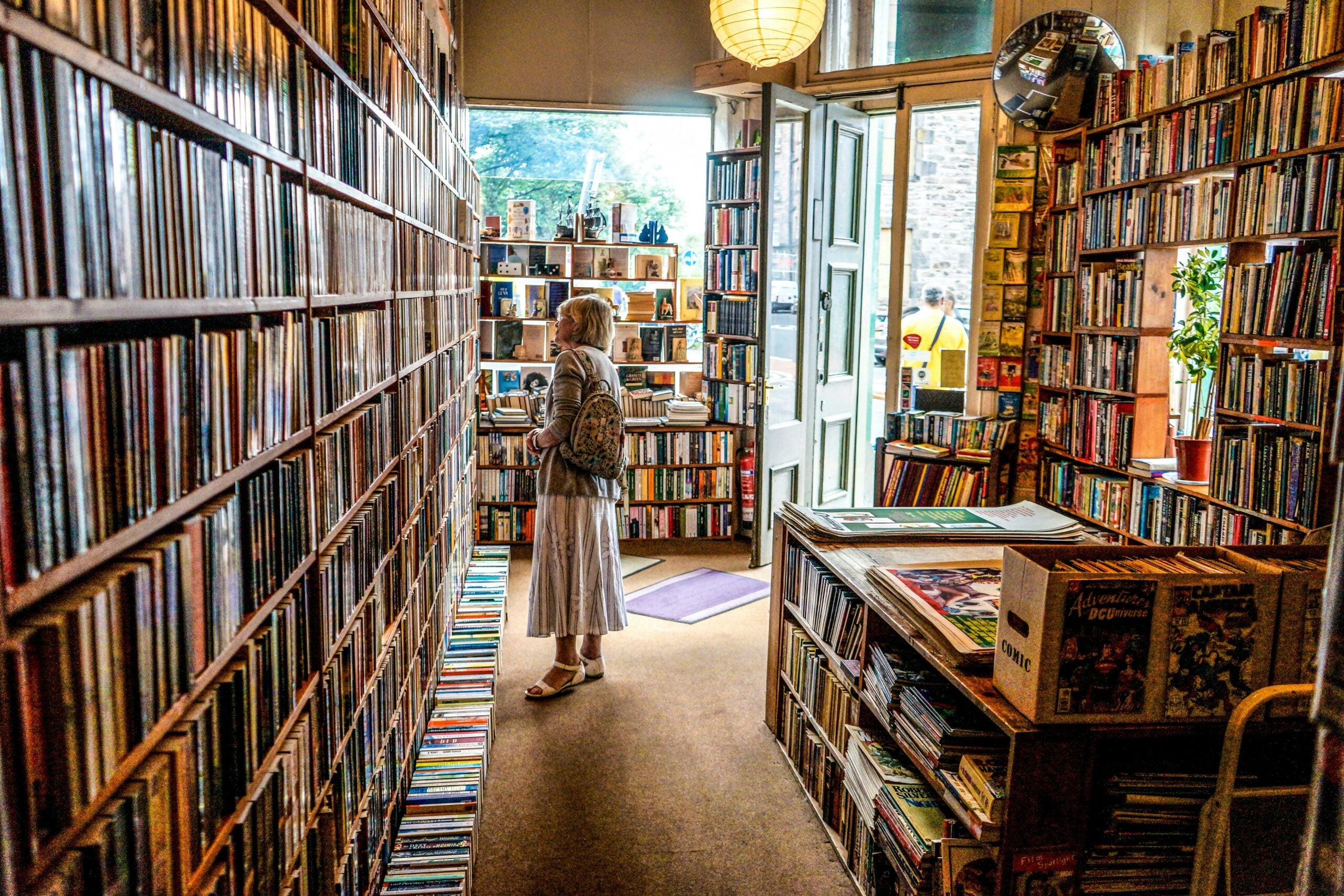
The City of Milan has launched a public tender to open ten new neighborhood bookstores by repurposing vacant municipal properties. Part of the "Sefémm" program, the initiative offers spaces ranging from 30 to 190 square meters across various districts, including central and peripheral areas. The selection process will heavily prioritize the social and cultural impact of the proposals over financial bids, favoring micro-enterprises and independent operators who commit to creating community hubs.

In Paris, Emmanuel Grégoire Abolishes the Position of Deputy for Heritage

À Paris, Emmanuel Grégoire supprime le poste d'adjoint au patrimoine

The newly elected Mayor of Paris, Emmanuel Grégoire, has unveiled a leadership team consisting of 36 deputy mayors covering a vast array of specific portfolios, ranging from nightlife and overseas territories to animal welfare and free media. Notably absent from this extensive list is a dedicated deputy for heritage (patrimoine), a move that marks a significant shift in the city's administrative priorities.

Government gives East of England culture and arts venues £6.6m

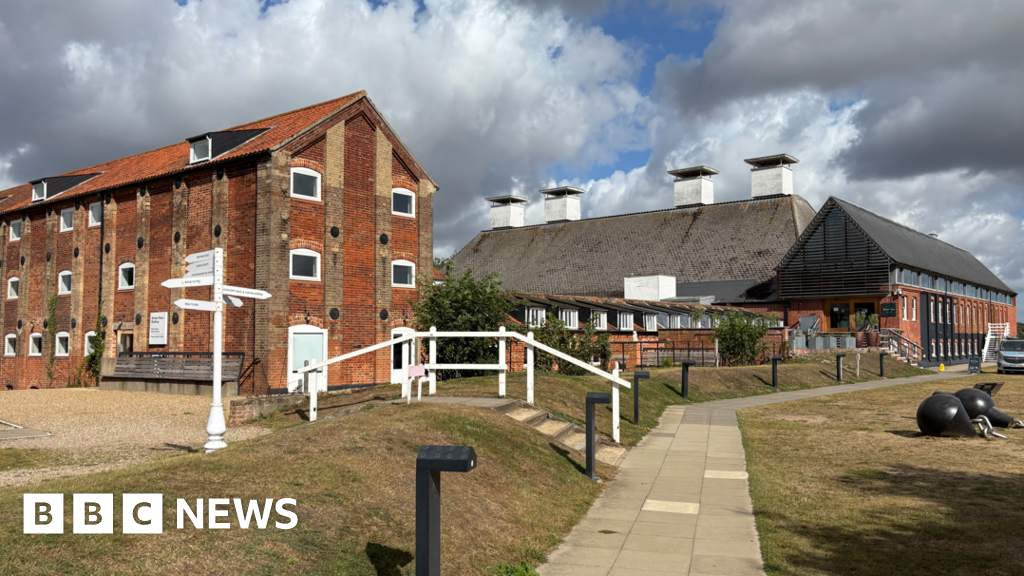
The UK government has announced a £6.6 million investment in arts and culture venues across the East of England to support essential infrastructure upgrades and renovations. Key beneficiaries include Firstsite in Colchester and Snape Maltings in Suffolk, which are receiving significant grants for building repairs and environmental control systems. Other recipients range from the Natural History Museum in Colchester to the Wysing Arts Centre, with funds earmarked for everything from HVAC improvements to restoring Grade II listed structures.

At the INHA, the summer closure of the library revives the debate

À l’INHA, la fermeture estivale de la bibliothèque ravive le sujet

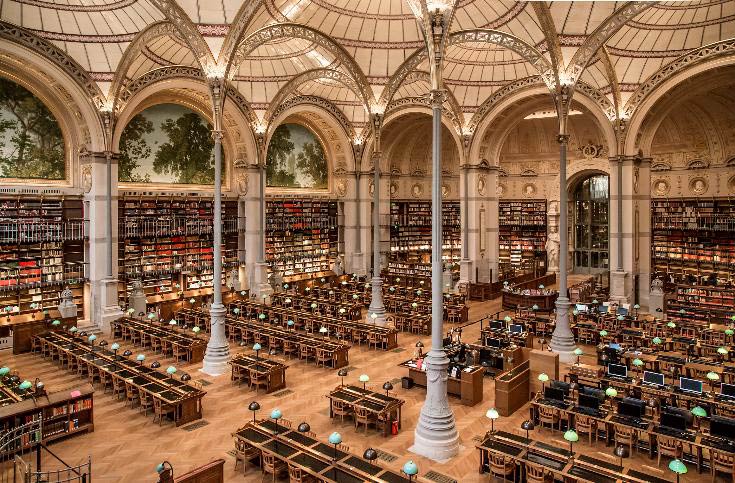
The National Institute for Art History (INHA) in Paris has sparked controversy by moving to make its two-week summer closure in August a permanent policy. Originally introduced as an exception for the 2024 Olympics and subsequent renovations, the closure is now being institutionalized despite a petition from staff and researchers. Management cites employee well-being, organizational maintenance, and equity across departments as justifications, while critics argue the move masks chronic understaffing and budget cuts.

At the INHA, the summer closure of the library revives the debate

À l’INHA, la fermeture estivale de la bibliothèque ravive le sujet

The National Institute for Art History (INHA) in Paris is facing backlash over its decision to implement a permanent two-week summer closure of its library every August. Originally introduced as a temporary measure during the 2024 Olympics and subsequent renovations, the closure is now being formalized by the administration despite a change in leadership. Staff and researchers have launched a petition, arguing that August is a critical period for international scholars and students who rely on the library’s extensive collections.