
filter_list Showing 3 results for "audience" close Clear
search
dashboard All 206 museum exhibitions 134article local 35article culture 17article news 8person people 5trending_up market 3article policy 3rate_review review 1
date_range Range Today This Week This Month All
Subscribe

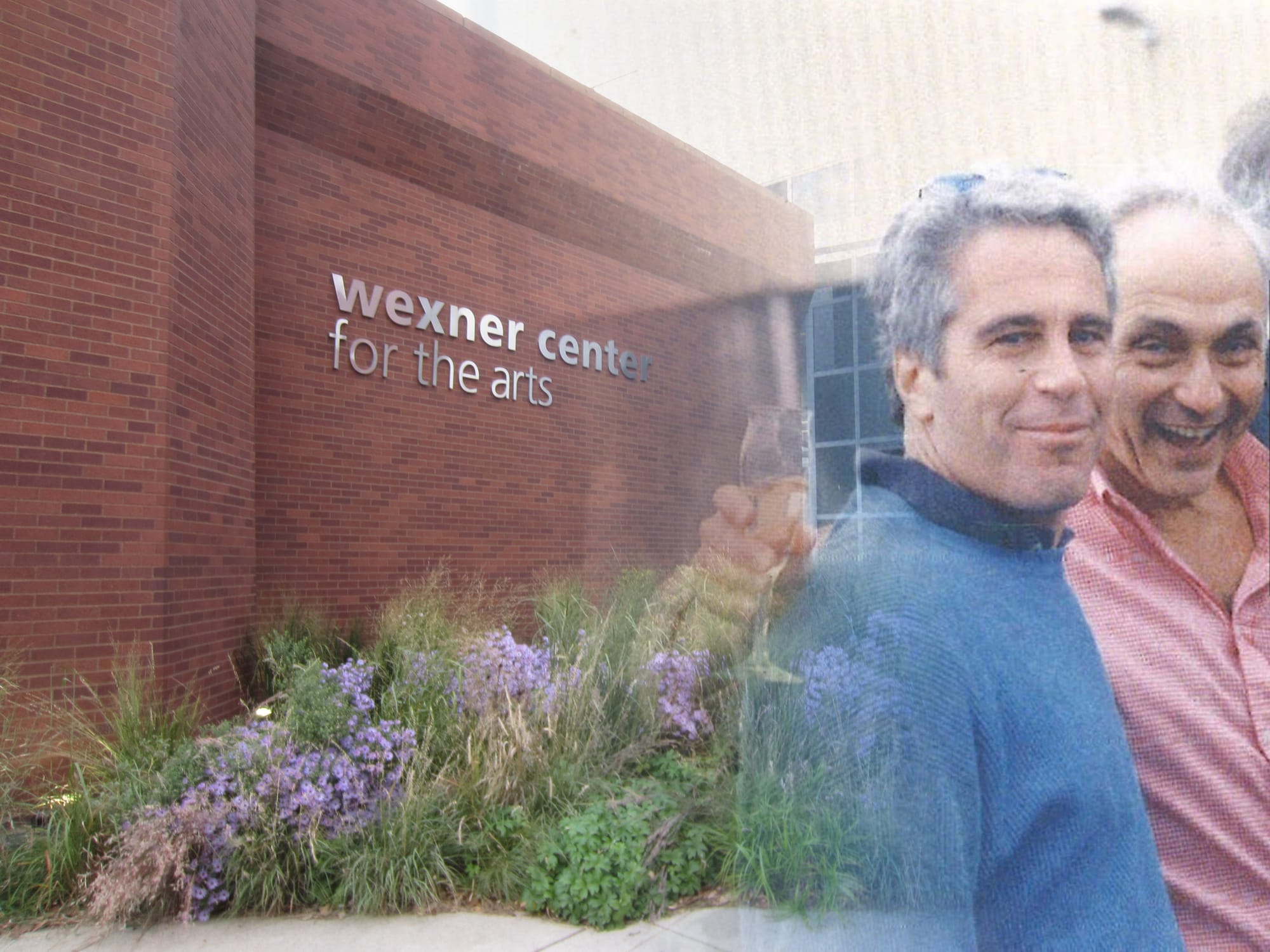
Workers Push to Rename Wexner Center for the Arts Over Epstein Ties

Unionized staff at Ohio State University's Wexner Center for the Arts, organized as Wex Workers United, have officially called for the renaming of the arts center and other campus buildings named after billionaire benefactor Les Wexner. The union argues that Wexner's name, due to his decades-long association with convicted sex offender Jeffrey Epstein—who had power of attorney over Wexner's fortune—harms artists and community members. The call follows similar demands from the Ohio Nurses Association regarding the Wexner Medical Center and ongoing student protests, including an April 10 action where students covered Wexner's name on the art center's façade with a black tarp. OSU spokesperson Chris Booker noted that over 500 renaming requests have been filed under the university's official review procedure, while OSU President Ted Carter has emphasized that name changes require fact-finding and cannot be based on supposition.
Five Scottish museum collections awarded national significance status

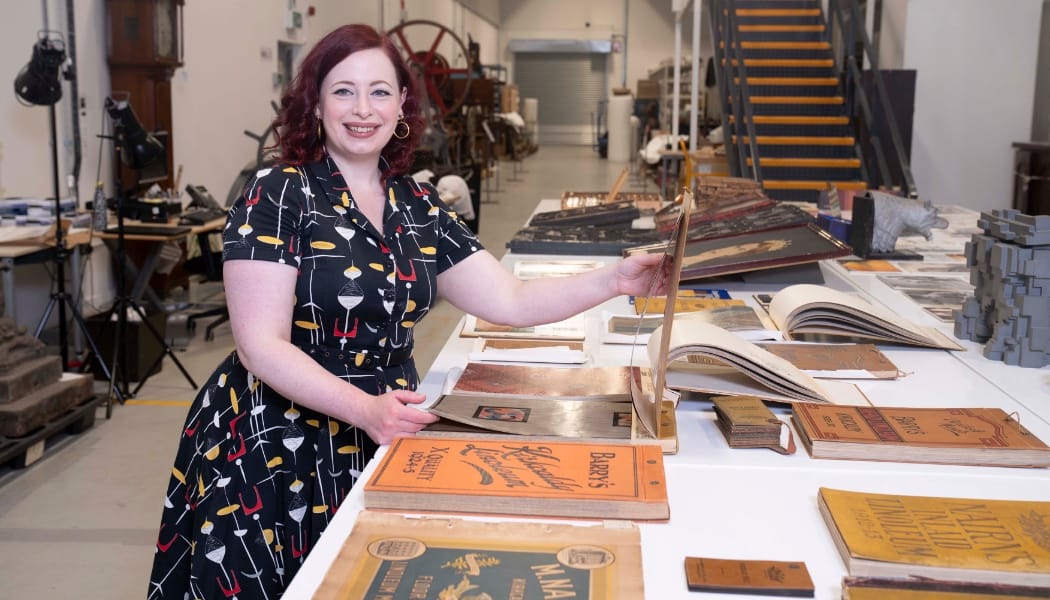
Five museum collections in Scotland have been awarded national significance status on International Museum Day, bringing the total number of recognized collections in Scotland to 56. The newly designated collections are the Linoleum Collection (managed by OnFife), the Photographic Collection (University of St Andrews), the Duncan of Jordanstone College of Art & Design Collection (University of Dundee Museums), the Oakbank Collection (Scottish Crannog Centre), and the Art Collection (University of Stirling). The Recognition Scheme, managed by Museums Galleries Scotland, highlights collections beyond those held in national museums and galleries, spanning from Shetland to Dumfries and Galloway.

Is Museum Wall Text the Next Political Battleground?

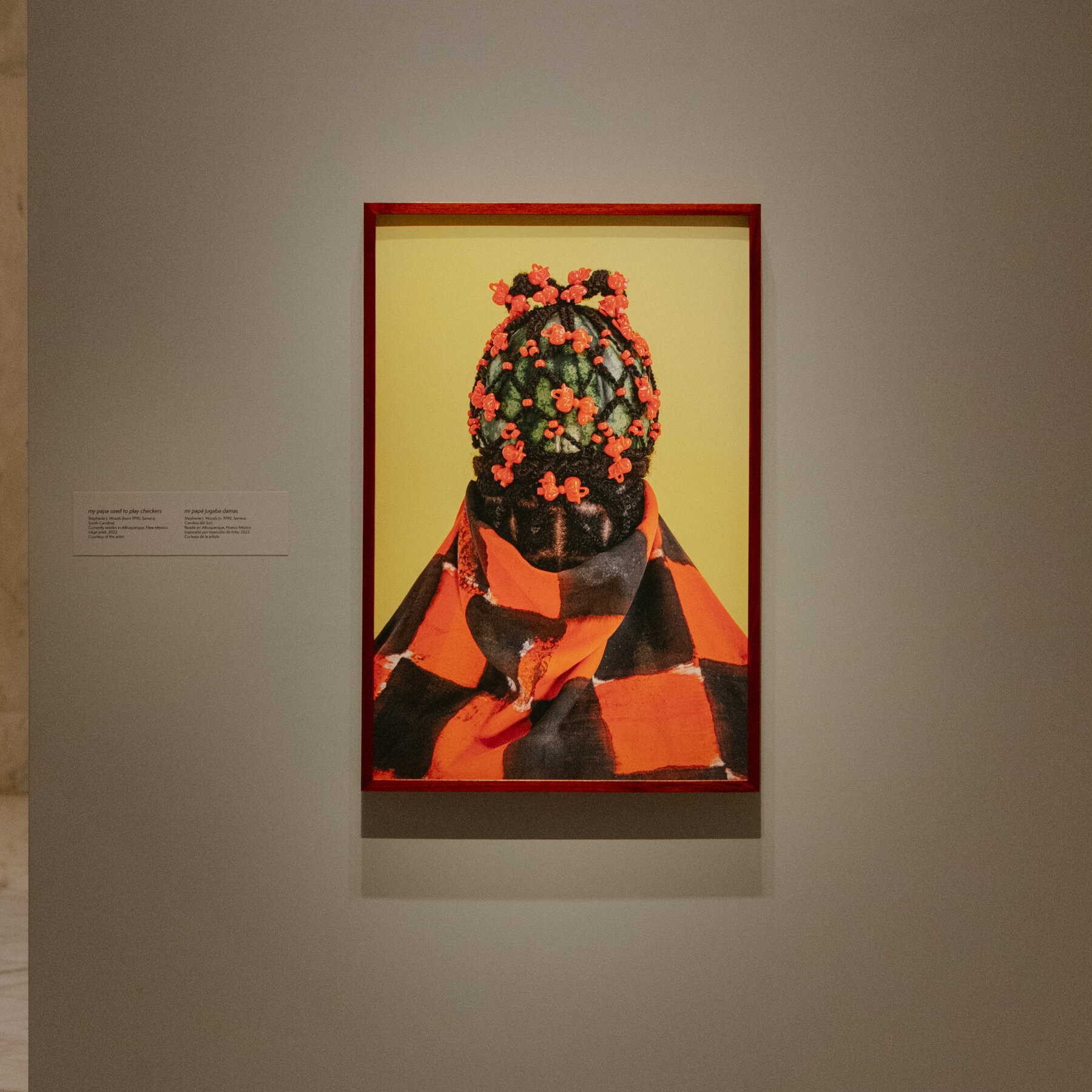
The Smithsonian Institution has altered or removed interpretive wall text that accompanies artworks on display, according to a New York Times report. Critics argue these changes amount to self-censorship, suggesting the institution is bowing to political pressure by softening or eliminating contextual language that could be seen as controversial.