filter_list Showing 13 results for "australia" close Clear
search
dashboard All 394 museum exhibitions 214article local 54article news 47trending_up market 24article culture 17article policy 13person people 11rate_review review 6gavel restitution 4article event 2candle obituary 2
date_range Range Today This Week This Month All
Subscribe

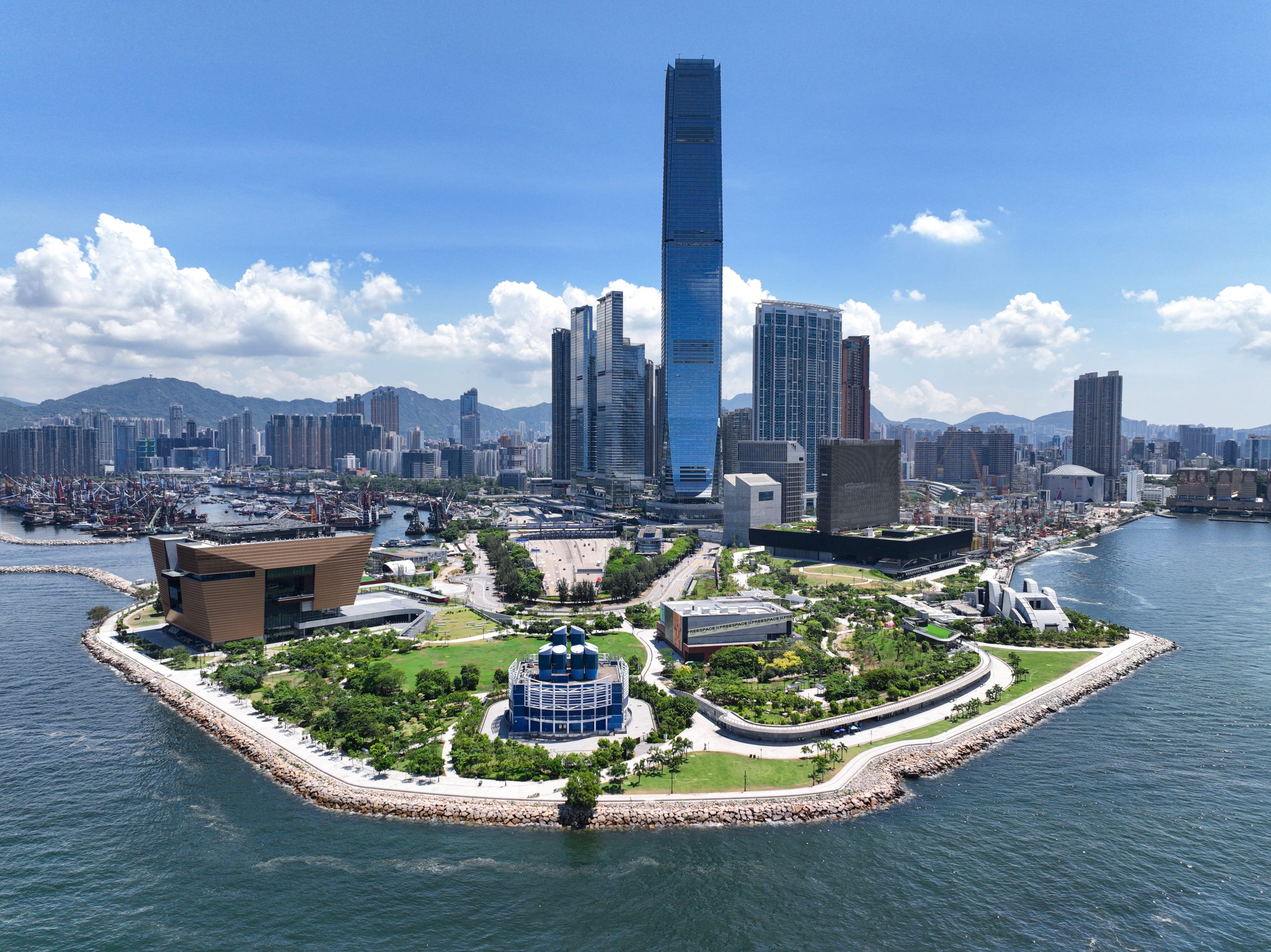
Cash-Strapped Hong Kong Arts Hub Saved—Plus a Rundown of the Latest in Asia’s Art World

Cash-Strapped Hong Kong Arts Hub Saved—Plus a Rundown of the Latest in Asia’s Art World

Hong Kong's financially struggling West Kowloon Cultural District, a major arts hub, has been rescued from its cash crisis. This development was part of a broader Asia art world update that also included leadership changes at Japan's Art Collaboration Kyoto and the announcement of a new art fair in Shenzhen.

joe chialo resigns as berlins culture senator creative australia funding questioned napoleon sword heading to auction

Berlin's culture senator, Joe Chialo, has resigned due to a dispute over deep budget cuts to the city's arts sector. He stated that the planned cuts would force the closure of nationally renowned cultural institutions, and he stepped down to allow for new perspectives. Meanwhile, Australia's center-right Liberal-National Coalition has proposed cutting over 10 percent of funding to Creative Australia, the body that organizes the country's Venice Biennale pavilion, redirecting the money to support Jewish arts and broadcasting in Melbourne. This follows controversy over Creative Australia's decision to drop artist Khaled Sabsabi as Australia's Venice Biennale representative.

Dozens of Venice Biennale Artists Demand Israel’s Exclusion

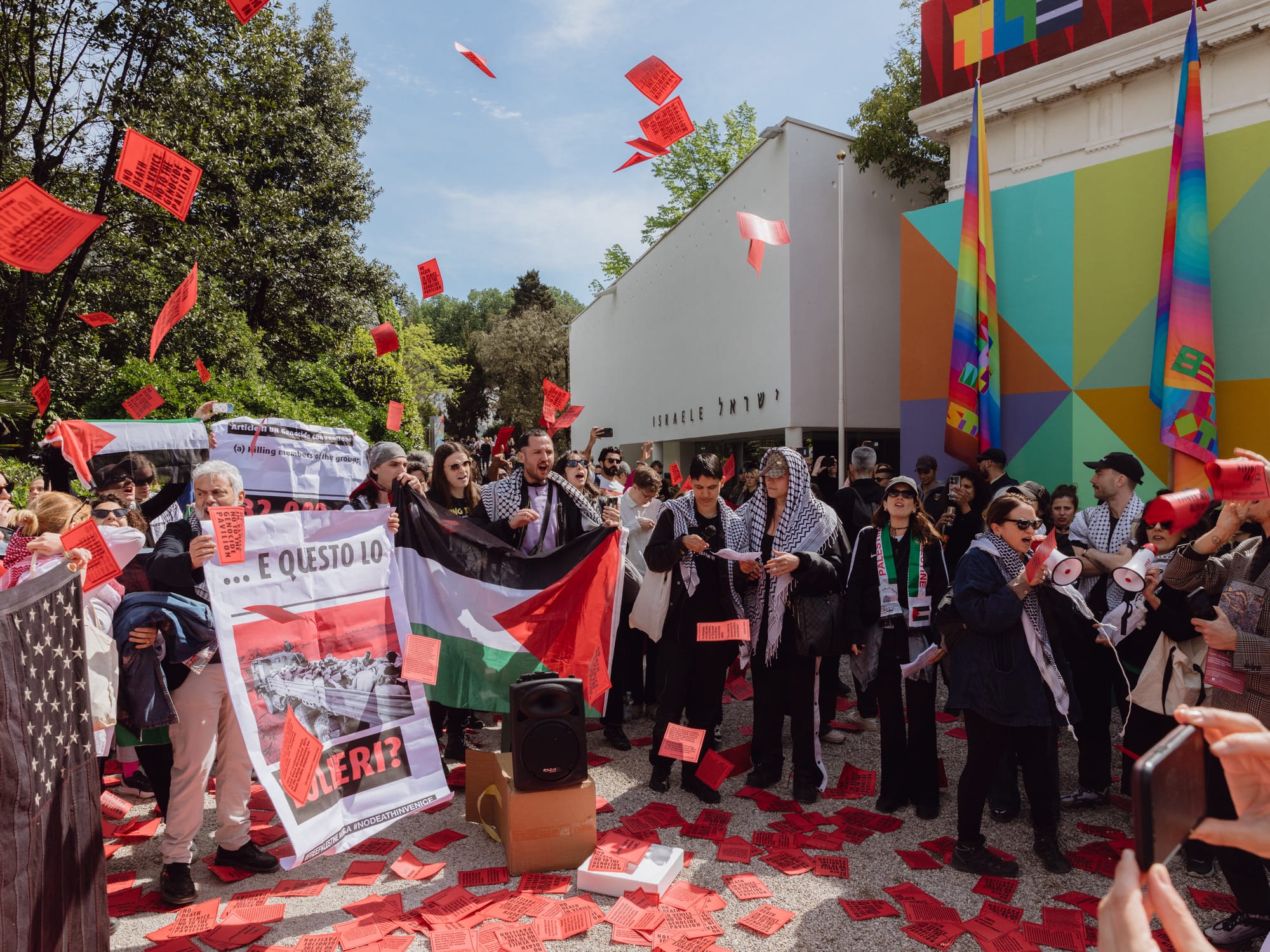
A coalition of 182 artists, curators, and art workers participating in the 2026 Venice Biennale, organized under the Art Not Genocide Alliance (ANGA), formally delivered a letter demanding the exclusion of Israel from the exhibition. The signatories, including prominent artists like Yto Barrada, Alfredo Jaar, and Miet Warlop, argue that the Biennale must not normalize Israeli policies towards Palestinians.

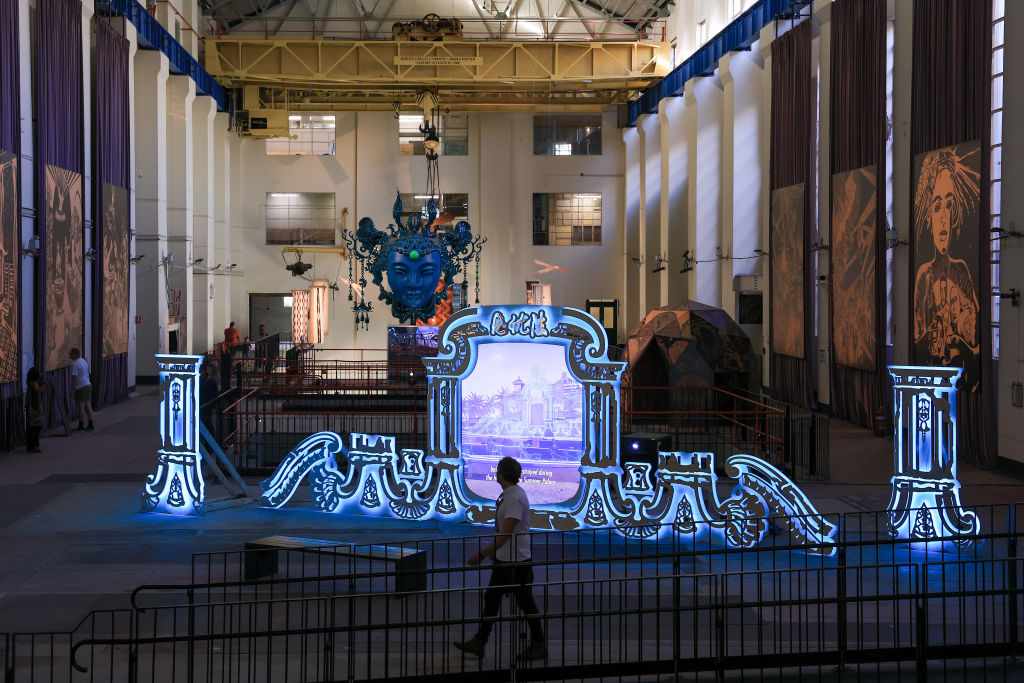
Major Corporate Sponsor Withdraws from Sydney Biennale, Citing Alleged Hate Speech

A major corporate sponsor, PwC, has withdrawn from the 25th Sydney Biennale following a police complaint alleging antisemitic hate speech by a participating DJ. The NSW Jewish Board of Deputies filed the complaint against US electronic music producer Zubeyda Muzeyyen (DJ Haram) over comments made during the opening night party, which the Board claims incited hatred against Jewish Australians.

australian government rejects proposal text data mining ai companies

On Monday, Australian Attorney General Michelle Rowland confirmed the federal government's rejection of a proposal that would have allowed tech companies to use text and data mining to train artificial intelligence models. The proposal, initially presented to the Productivity Commission in August, had been advocated by tech firms including Atlassian cofounder Scott Farquhar, who argued for copyright changes similar to those in the US and Europe. The decision follows backlash from Australian creatives, including rapper Adam Briggs, author Anna Funder, the Australian Council of Trade Unions, and the Australian Recording Industry Association.

ancient rock art australia woodside energy burrup peninsula

The Australian government has conditionally approved a 40-year extension for Woodside Energy's North West Shelf gas plant on the Burrup Peninsula (Murujuga), home to an estimated one million petroglyphs dating back 50,000 years. Environment Minister Murray Watt announced the decision on May 28 after a six-year review, imposing strict conditions on air emissions and cultural heritage management, though the specific conditions remain confidential. Archaeologist Benjamin Smith of the University of Western Australia has warned that pollutants from the extended operations pose a grave risk to the rock art, which includes the world's earliest depictions of human faces.

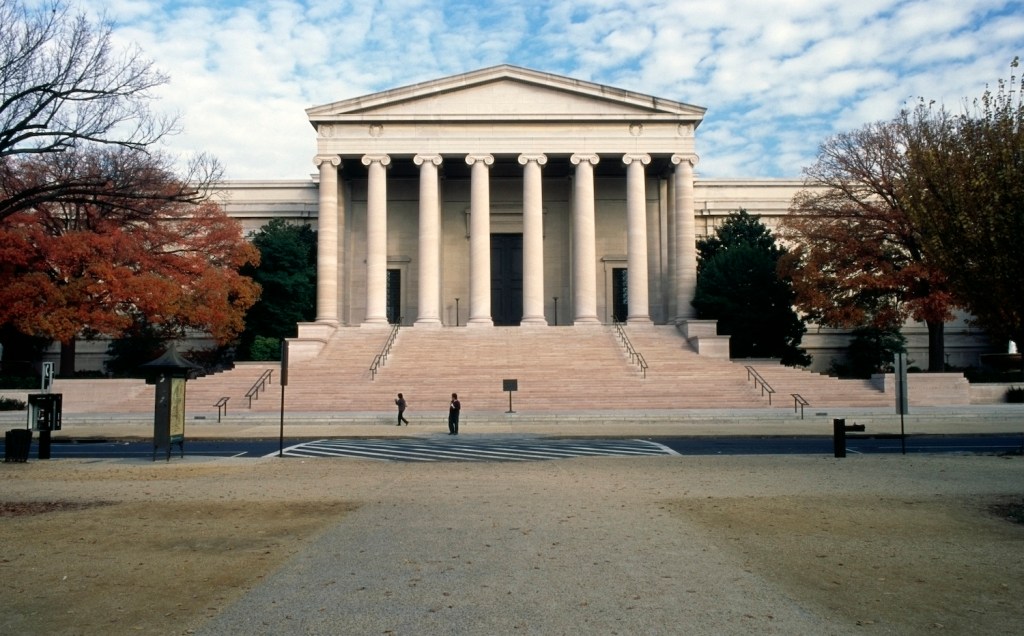
national gallery of art closes government shutdown

The National Gallery of Art in Washington, D.C., announced it will close starting October 5 due to the ongoing government shutdown, becoming the first major museum in the capital to do so. The Smithsonian Institution, which operates several other museums, is using its own funds to remain open at least through Monday. The closure threatens upcoming programming, including a major exhibition of Australian Indigenous art scheduled to open October 18, which is currently still listed as planned.

Leading art critic labels NT government gallery plan 'pure madness'

The Northern Territory government is considering partial occupancy or lease-splitting for the near-complete State Square Gallery building in Darwin, after a cost blowout of $100 million. The government has opened expressions of interest for the facility, originally intended for the Museum and Art Gallery of the NT (MAGNT), and told bidders they can propose using single floors or galleries. Leading art critic John McDonald, former head of Australian art at the National Gallery of Australia, has called the plan 'pure madness' and accused the government of 'vandalising' a major cultural asset.

UK artist resale right at 20: how successful has the pioneering scheme been?

The UK's Artist Resale Right (ARR), a law entitling visual artists to royalties from secondary market sales of their work, marks its 20th anniversary. Initially met with fierce opposition from auction houses and dealers who feared it would drive high-value sales offshore, the scheme is now largely accepted by the UK art trade, though concerns about administrative burdens compared to markets like New York and Hong Kong remain.

murujuga rock art australia receives unesco world heritage status

UNESCO has granted World Heritage status to Murujuga, an ancient Aboriginal rock art site in Western Australia's Pilbara region, despite concerns about its vulnerability to emissions from nearby gas and fertilizer plants. The site contains over 1 million petroglyphs, including the oldest known depiction of a human face, dating back up to 50,000 years. Indigenous groups campaigned for two decades for protection, and the Australian government nominated the site in 2023. However, the Karratha Gas Plant, operated by Woodside Energy, sits on the nominated land, and ICOMOS had warned that emissions pose a risk to the rock art. The UNESCO designation was unanimous, but an amendment was added requiring Australia to continue monitoring industrial impact.

murujuga rock art woodside gas unesco concerns

Australian politicians are pushing back against UNESCO's concerns that ancient rock art in Murujuga, Western Australia, is endangered by the proposed expansion of the Karratha Gas Plant, operated by Woodside Energy. The site contains up to 1 million petroglyphs, some dating back 47,000 years, and UNESCO's advisory body ICOMOS has warned that industrial emissions are a major threat. Australia's environmental minister Murray Watt has disputed ICOMOS's findings, calling them factually inaccurate, while Woodside claims the expansion will help transition away from coal and achieve net zero by 2050.

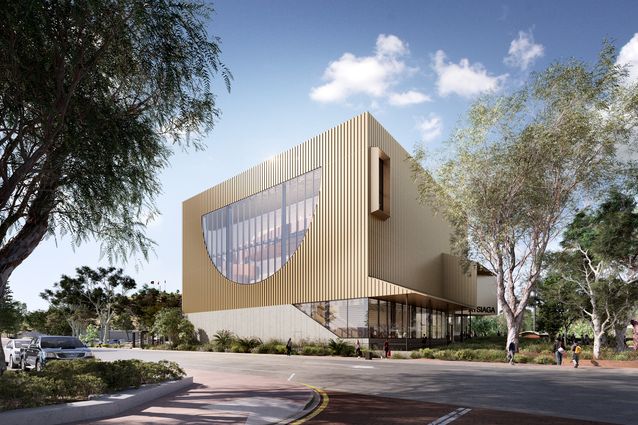
‘Re-scoped’ Alice Springs art gallery on public exhibition

The Northern Territory government has unveiled revised plans for the Aboriginal and Torres Strait Islander Art Gallery of Australia (ATSIAGA) in Alice Springs/Mparntwe. The redesigned project, led by BVN, Susan Dugdale and Associates, and Clouston Associates, has been reduced from five storeys to three, with 1,300 square metres of exhibition space. A development consent application was submitted earlier this month and is now on public exhibition until 22 August, following cost blowouts that prompted a "re-scoping" of the original scheme. Construction is expected to take 18–24 months, with an opening targeted for late 2027.

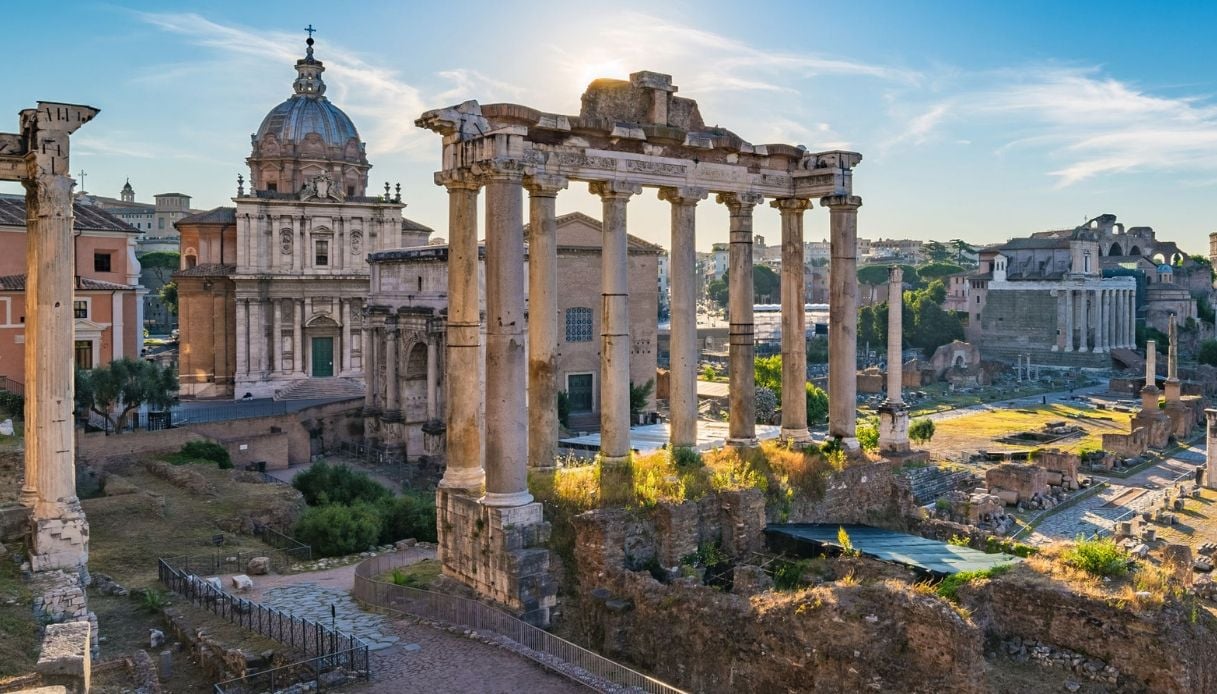
Reasoning beyond accounting: here is the first step for a valuation of cultural heritage

Ragionare oltre la contabilità: ecco il primo step per una valutazione del patrimonio culturale

Angelo Argento recently published an article examining the valuation of cultural heritage in light of ongoing public accounting reforms in Italy. The piece moves beyond iconic landmarks like the Colosseum or Uffizi to focus on smaller, territorial assets such as archives, civic museums, and lesser-known archaeological sites, questioning how and whether a specific economic value can be assigned to them. It explores different international approaches—from market-based valuations in Australia and France to symbolic €1 entries in the U.S.—highlighting the global trend toward quantifying cultural heritage.