filter_list Showing 7 results for "experts" close Clear
dashboard All 31 article news 8trending_up market 7article policy 7museum exhibitions 3article culture 2gavel restitution 2person people 1candle obituary 1
date_range Range Today This Week This Month All
Subscribe

Greece Creates New Art Crime Unit to Combat Forgery and Trafficking

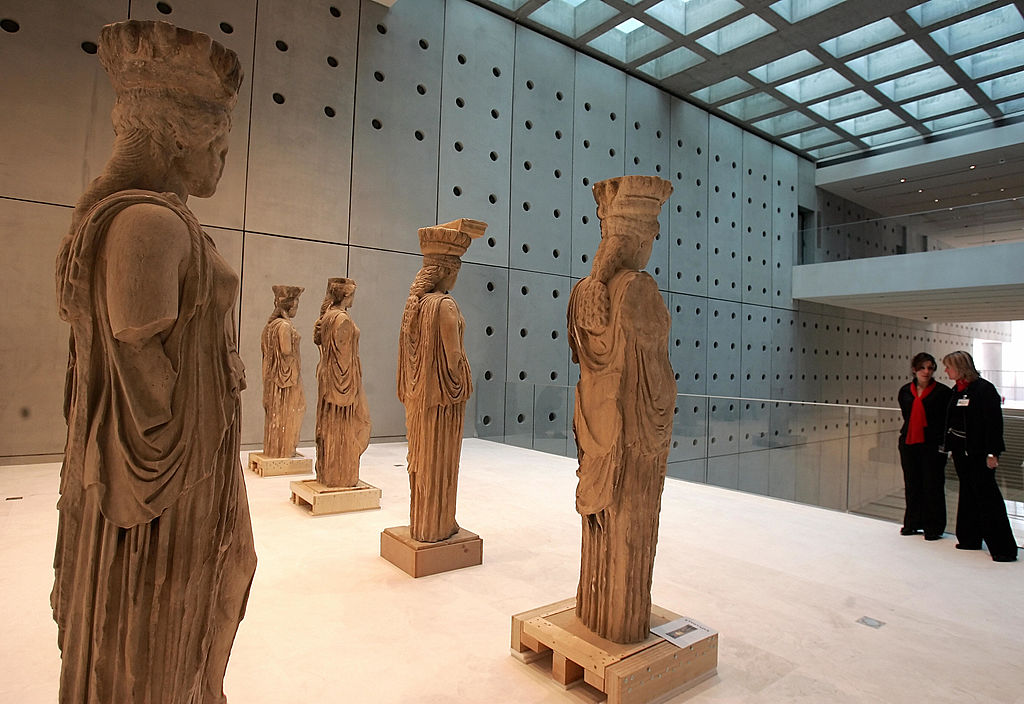
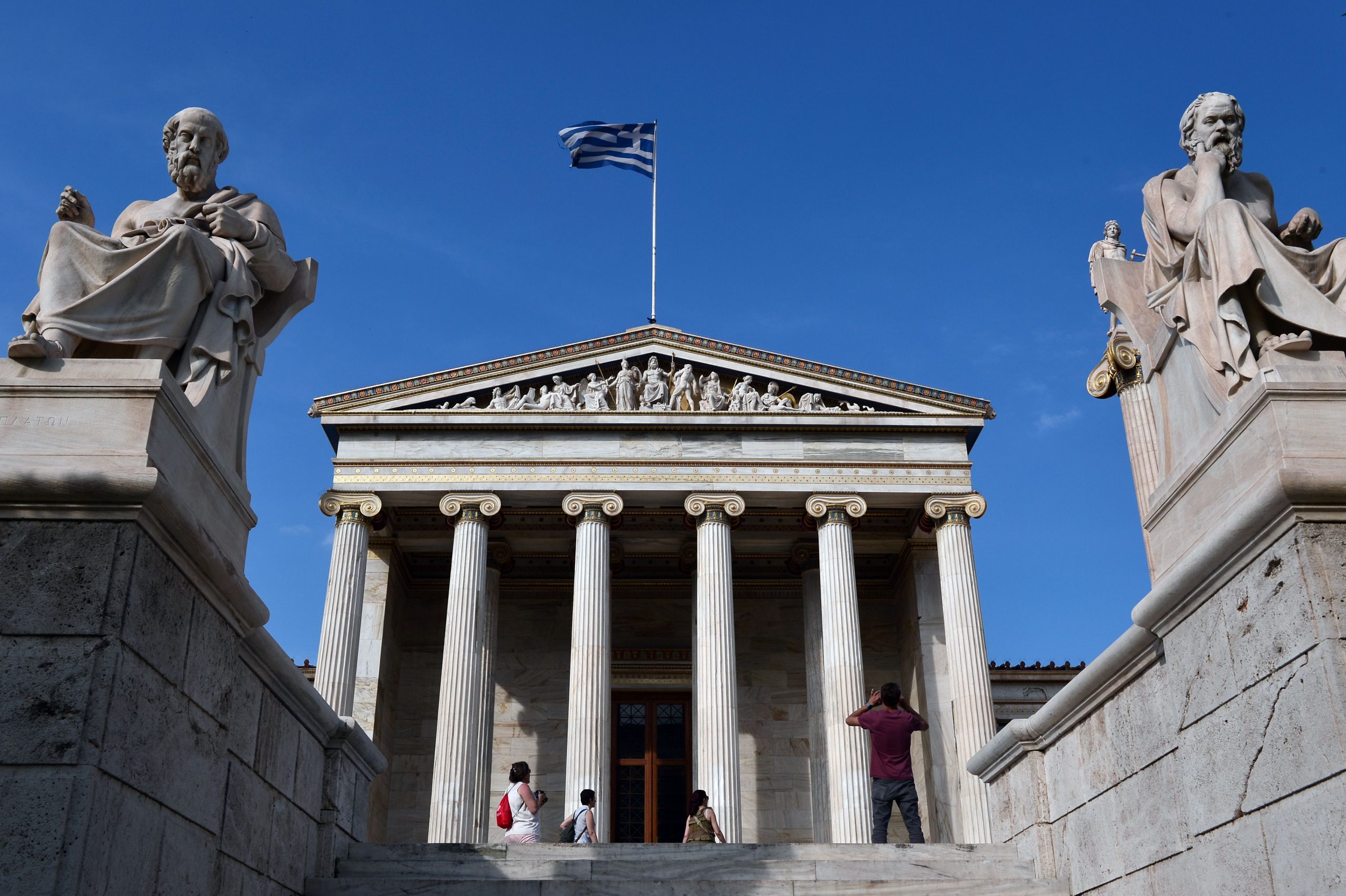
Greece has enacted a comprehensive new law to combat art crime, establishing a specialized unit within the Ministry of Culture to target forgery, antiquities trafficking, and vandalism. The legislation introduces significantly harsher penalties, including fines up to €300,000 and prison sentences of up to 10 years, while expanding the scope of criminal activity to include the mere possession of forged works with intent to distribute.


Alma Allen’s US Pavilion Heads to Venice Amid Questions Over Selection Process

The selection of Alma Allen to represent the United States at the 2026 Venice Biennale has ignited controversy over the process. The U.S. State Department abandoned its traditional selection model, which involved a panel of experts convened by the National Endowment for the Arts, and instead handed control to a new nonprofit, the American Arts Conservancy, led by individuals with little museum experience. This shift has drawn criticism from prominent figures in the art world, with some artists declining to participate due to concerns over the political context and unfamiliar leadership.

Au Louvre, des directeurs de département entre responsabilités internes et rôle national

Maximilien Durand has been reappointed as head of the Department of Byzantine and Eastern Christian Arts at the Louvre Museum, a role that carries both internal museum responsibilities and national duties on behalf of the French state. Two decrees signed by Culture Minister Catherine Pégard formalize his renewal: one as head of the museum department, and another as head of the corresponding major heritage department, a status held by only nine of the Louvre's departments.

What is Art Allowed to Do?

Was darf die Kunst?

German Minister of State for Culture Wolfram Weimer has sparked a heated debate over artistic freedom after excluding three bookstores from the German Bookstore Prize due to undisclosed intelligence reports. The controversy has escalated into a broader confrontation with cultural institutions, highlighted by the Berlin Volksbühne's public criticism and Weimer's subsequent refusal to participate in a scheduled panel discussion. This incident follows a string of high-profile disputes regarding political expression in the arts, particularly concerning the Berlinale and documenta fifteen.

Greece Introduces New Law to Combat Art Forgery and Vandalism

Greece has enacted a landmark legislative framework specifically designed to combat art forgery, vandalism, and the trade of counterfeit cultural property. The new law introduces stringent criminal penalties, including prison sentences of up to ten years and fines reaching €300,000, while mandating the destruction of works confirmed as fakes. Key provisions include the creation of an independent registry of forgery experts under the culture ministry and the expansion of legal protections to include historically significant cinemas.

The concept of 'Italian Capital of Culture' needs a rethink

Il concetto di “Capitale Italiana della cultura” avrebbe bisogno di un ripensamento

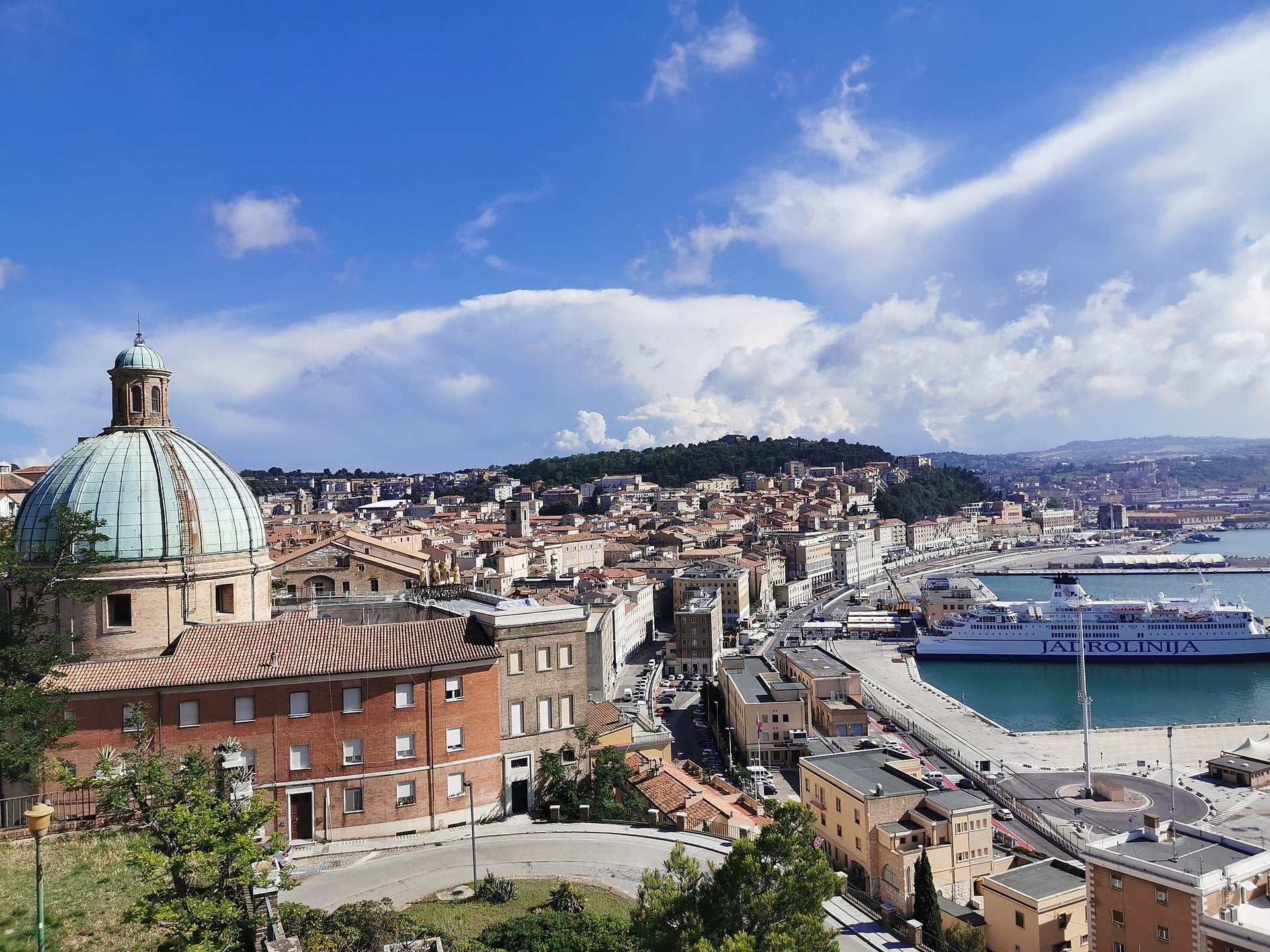
Ancona has been named the Italian Capital of Culture for 2028, a decision that was widely anticipated but has sparked debate regarding the selection process. While Ancona’s proposal was praised for its depth and quality, critics point out that nine out of the ten shortlisted cities are led by center-right mayors, raising concerns about political influence and the independence of the evaluation commission.

The process for awarding the title of Italian Capital of Culture should be rethought. Here's why.

Il processo per assegnare il titolo di Capitale Italiana della Cultura andrebbe ripensato. Ecco perché

An analysis of the selection process for Italy's "Capital of Culture" title reveals a consistent pattern: cities chosen for the prestigious designation are almost exclusively administered by political coalitions aligned with the national government in power at the time of selection. The sole exceptions were Bergamo and Brescia, which were jointly awarded the title via a special parliamentary decree in recognition of their suffering during the pandemic, bypassing the standard procedure. This political alignment has persisted across different legislatures and changes in government.