filter_list Showing 14 results for "iLe" close Clear
search
dashboard All 566 museum exhibitions 313article local 54article news 53trending_up market 49article culture 38rate_review review 15person people 14article policy 14candle obituary 12gavel restitution 4
date_range Range Today This Week This Month All
Subscribe

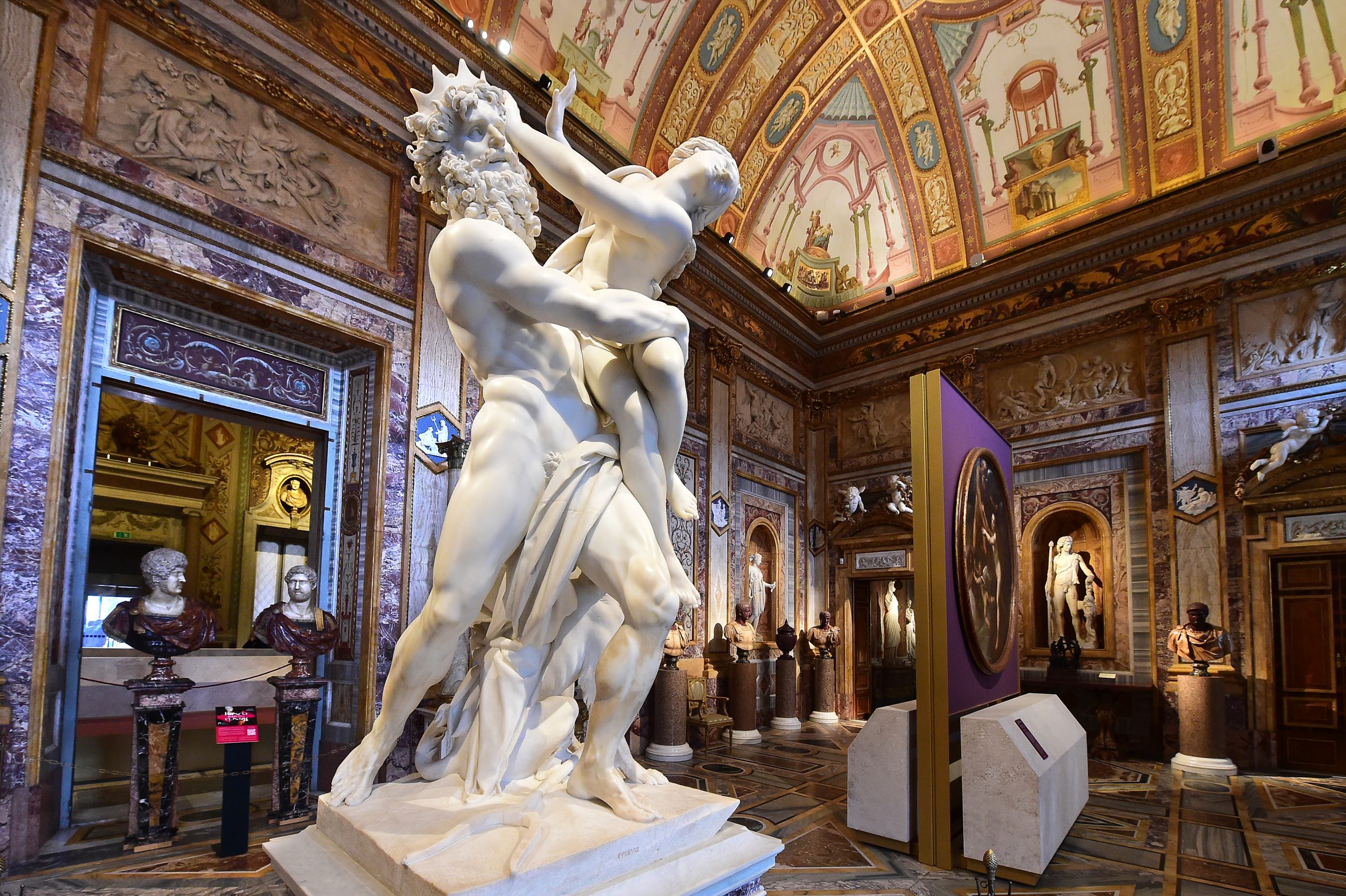
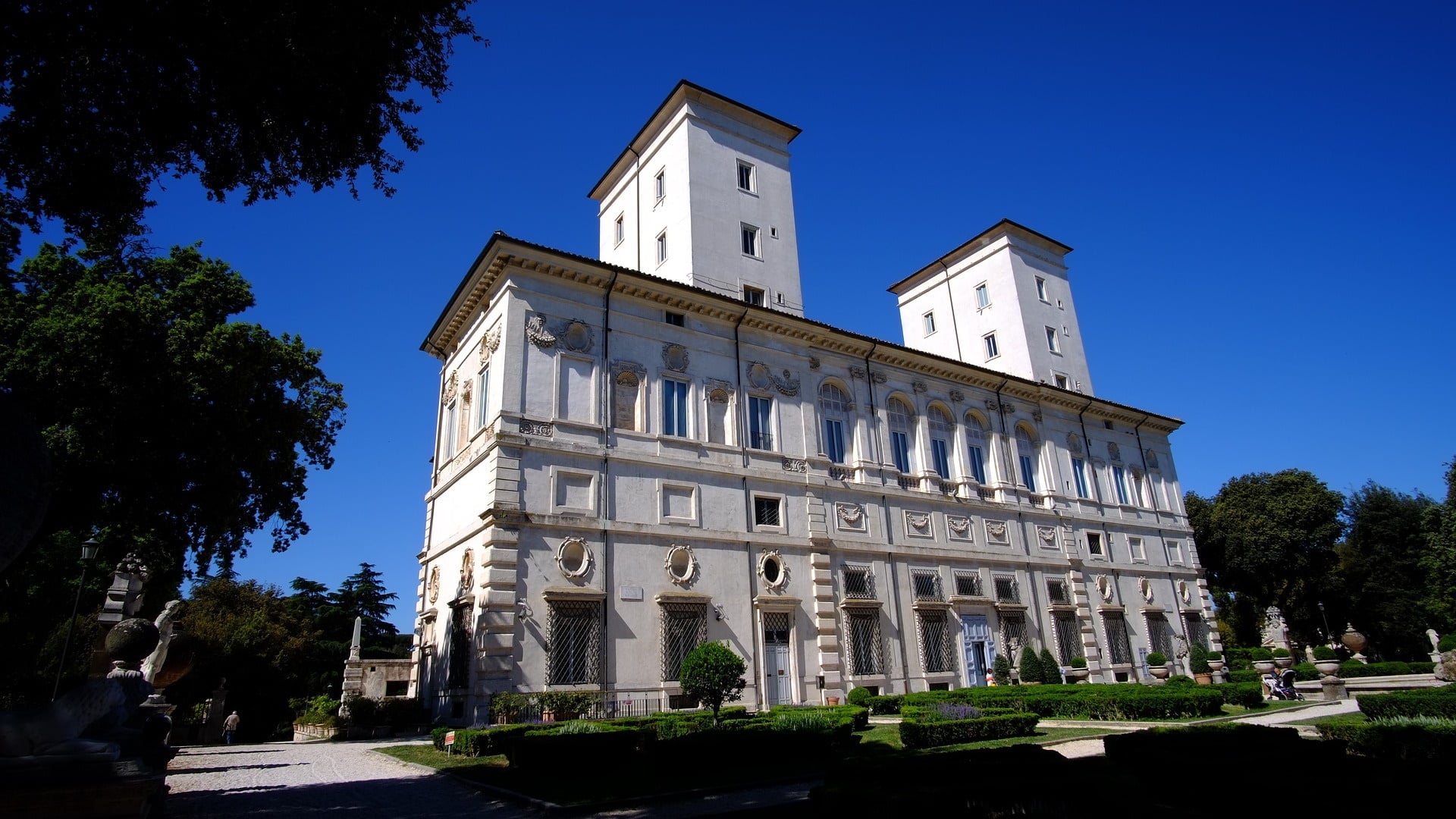
Borghese Gallery Faces Pushback Over New Building Plan

The Borghese Gallery in Rome has proposed building an adjacent facility to expand its exhibition space and increase visitor capacity beyond the current limit of 360 people per two-hour slot. The museum, which welcomed over 630,000 visitors in 2025, argues the expansion is needed to display works long held in storage. A press conference is scheduled for May 19 to provide further details.

If fashion is art, why doesn’t CNZ fund it?

Creative New Zealand (CNZ) explicitly states on its website that it does not fund fashion design, classifying it as primarily part of the commercial creative industries. The article highlights the contradiction that while major institutions like The Dowse Art Museum, Auckland Art Gallery, and World of WearableArt treat fashion as art, CNZ denies funding to fashion designers, with rare exceptions for non-commercial, cross-cultural, or collaborative projects. Fashion designer Doris de Pont, founder of The New Zealand Fashion Museum, notes that even when her trust received CNZ support, it was for the art connection, not the fashion itself.

Sylvie Retailleau : « Pendant cinq ans, tout a été remis en jeu »

Sylvie Retailleau, former French Minister of Higher Education and current president of Universcience since January 2026, details the tense negotiations between the Grand Palais and the Palais de la découverte. She reveals that the Palais de la découverte nearly disappeared during the Grand Palais renovation, but will reopen in March 2027. Universcience ceded a 1,200 m² gallery to the Grand Palais as a financial contribution (worth about €30 million over ten years) and is lending another 350 m² gallery until June 2030 for Centre Pompidou exhibitions during its renovation. In exchange, Universcience gains full control over the programming of the Palais des enfants.

A new wing to solve the problems of the Galleria Borghese in Rome. Beautiful challenge, tedious controversy

Una nuova ala per risolvere i problemi della Galleria Borghese a Roma. Bella sfida, stucchevoli polemiche

The Galleria Borghese in Rome, one of Italy's most extraordinary museums, faces significant accessibility and capacity issues due to its historic 17th-century structure. The museum is difficult for visitors with disabilities, overcrowded, and forces visitors to book far in advance—often waiting over a month for a time slot—while many masterpieces remain in storage. In 2025, the engineering firm Proger offered to sponsor a feasibility study for a new wing, contributing nearly 900,000 euros to fund an international architecture competition and a technical-economic feasibility plan. The study, currently underway, aims to explore whether a new annex can be built within the protected Villa Borghese park to create new entrances, exhibition spaces, and services.

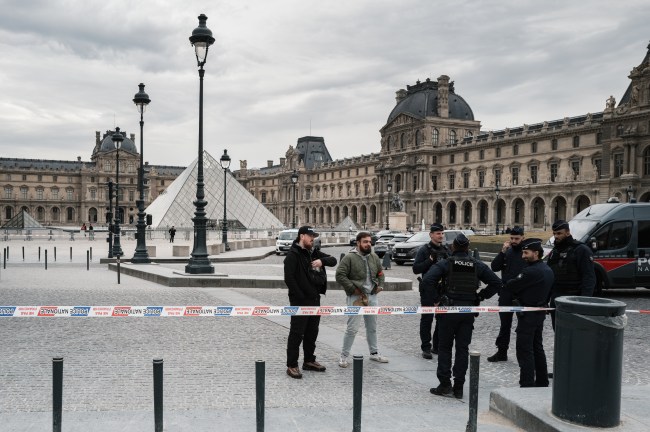
Parliamentary Report Outlines Major Issues In French Museums After The Louvre Heist

A French parliamentary commission released a report on May 13 detailing severe security deficiencies in French museums, following a December 2025 heist at the Louvre where French Crown Jewels worth $100 million were stolen. The report, overseen by MPs Alexis Corbière and Alexandre Portier, draws on over 20 hearings and highlights that only 25% of surveyed museums have a finalized security plan, with the Louvre itself criticized for dilapidated conditions and ignored audit warnings from 2017 and 2019 that predicted the thieves' modus operandi. Former Louvre director Laurence des Cars, who resigned in February, faced criticism for delays in implementing a security master plan.

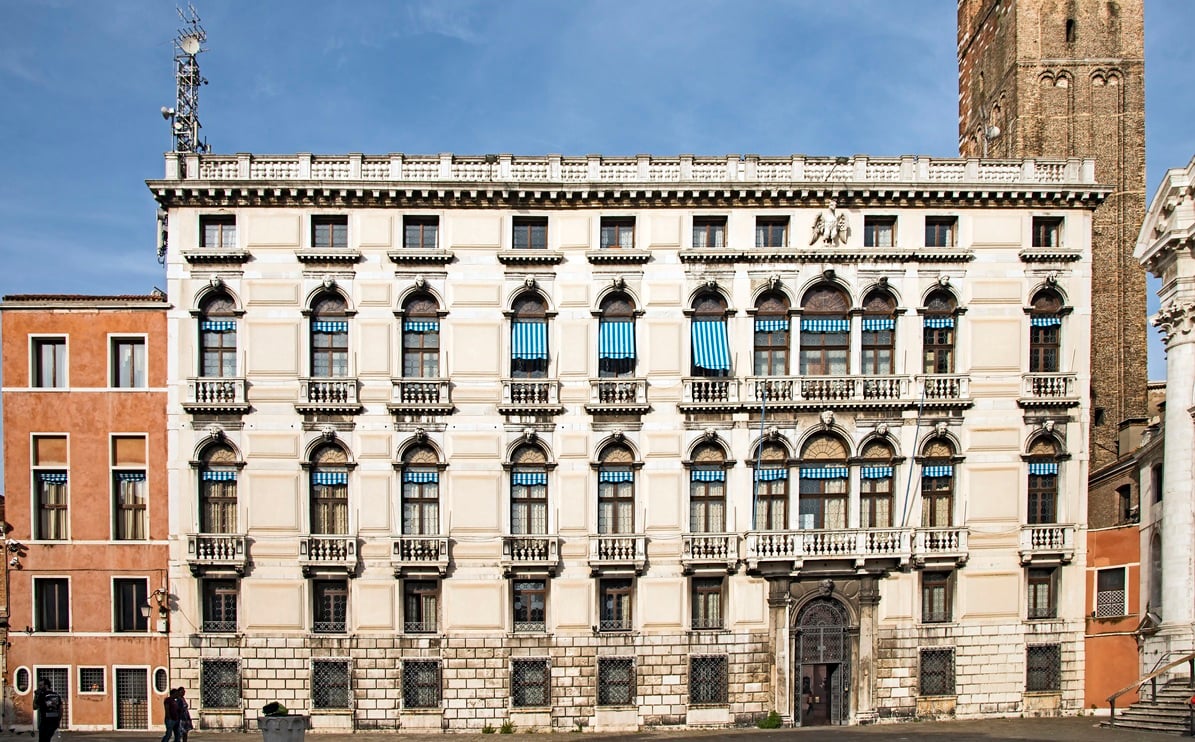
Giuli Buys Everything! The Ministry of Culture Also Wants to Take Over Rome's Teatro delle Vittorie and Venice's Palazzo Labia?

Giuli compra tutto! Il Ministero della Cultura vuole prendersi anche Il Teatro delle Vittorie di Roma e Palazzo Labia a Venezia?

Italian Minister of Culture Alessandro Giuli is pursuing an aggressive acquisition campaign for cultural properties. After high-profile purchases including Antonello da Messina's *Ecce Homo* and Caravaggio's *Portrait of Monsignor Maffeo Barberini* (€30 million), the Ministry has now expressed interest in acquiring Rome's Teatro delle Vittorie and Venice's Palazzo Labia—both part of a real estate portfolio being sold by state broadcaster Rai. The Ministry also recently bought Verona's historic Cinema Astra (with a €7.5 million restoration plan) and Naples' Teatro Sannazzaro after a fire.

In Romagna, debate over the artistic legacy of the Fascist era

In Romagna c’è discussione attorno all’eredità artistica del Ventennio fascista

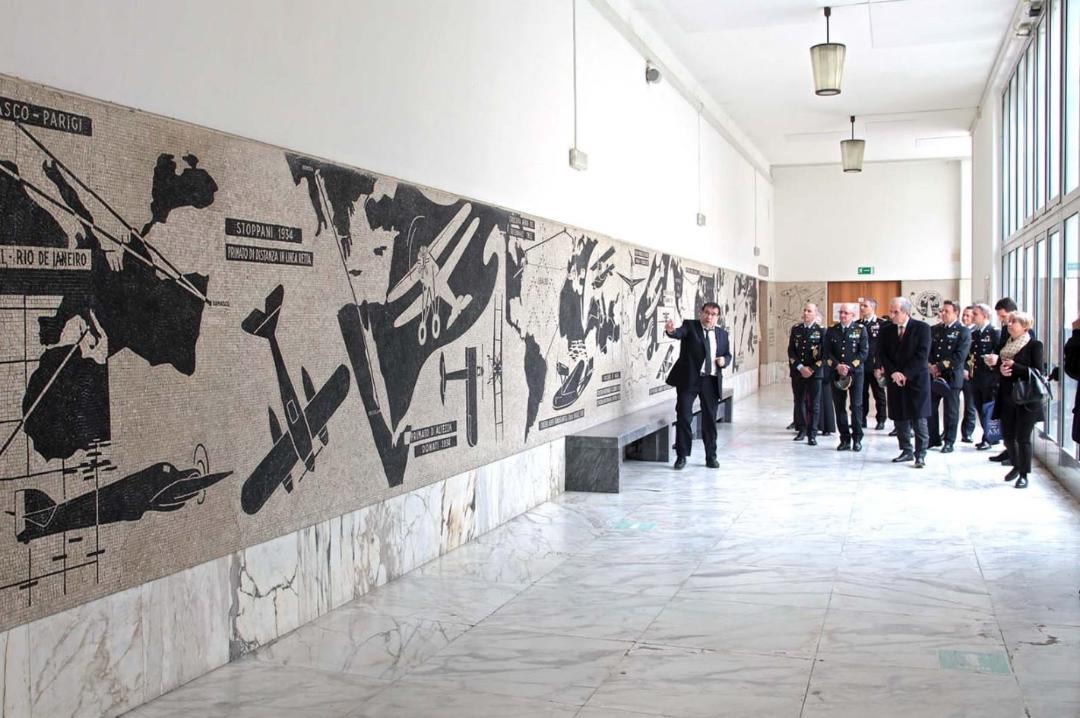
Recent developments in Romagna, Italy, have sparked debate over the artistic legacy of the Fascist era. The 102-meter-long Flight Mosaics at the former Aeronautical College in Forlì are now open to the public, and the Conad-Città di Forlì Auditorium, converted from a former GIL cinema, will inaugurate on May 13, 2026. Regional President De Pascale has announced initial funding to secure the Colonia Varese in Cervia, a Rationalist masterpiece, while long-awaited consolidation work has begun on the Casa del Fascio in Predappio, Benito Mussolini's birthplace. A 2010 plan to turn the Casa del Fascio into a cultural center documenting Fascism has stalled due to political changes and bureaucratic hurdles.

Column | The Smithsonian’s most contested exhibition is back on view, mostly intact

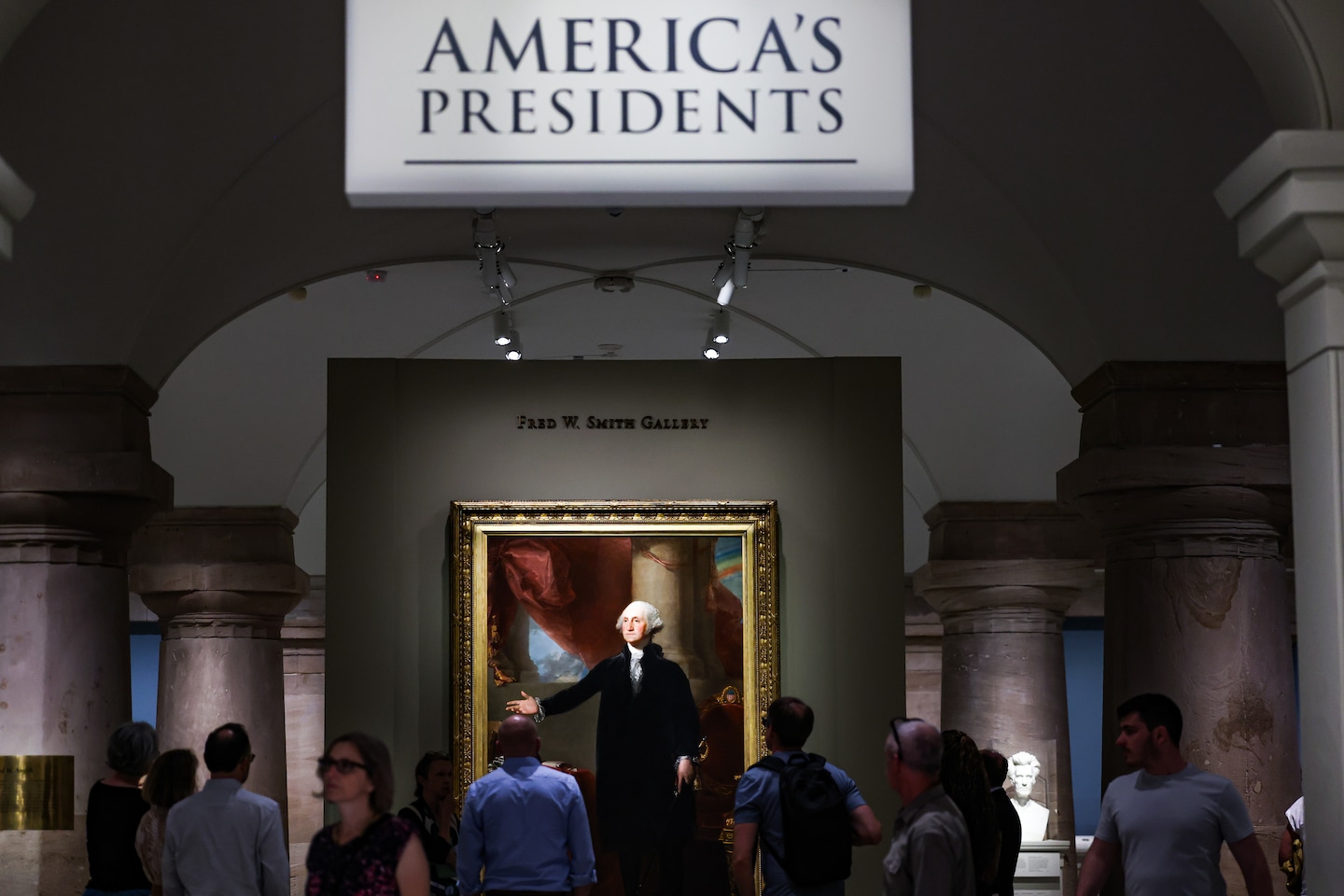
Columnist Philip Kennicott reports that the Smithsonian's most contested exhibition has returned to public view, largely intact, despite ongoing culture war attacks from the Trump administration. Since Donald Trump returned to office in January 2025, the Smithsonian has been a primary target for the administration's campaign against diversity and inclusion initiatives, as well as historical narratives that address slavery, Native American genocide, and the struggles of marginalized communities.

What the renovation of the Pergamon Museum costs

Was die Sanierung des Pergamonmuseums kostet

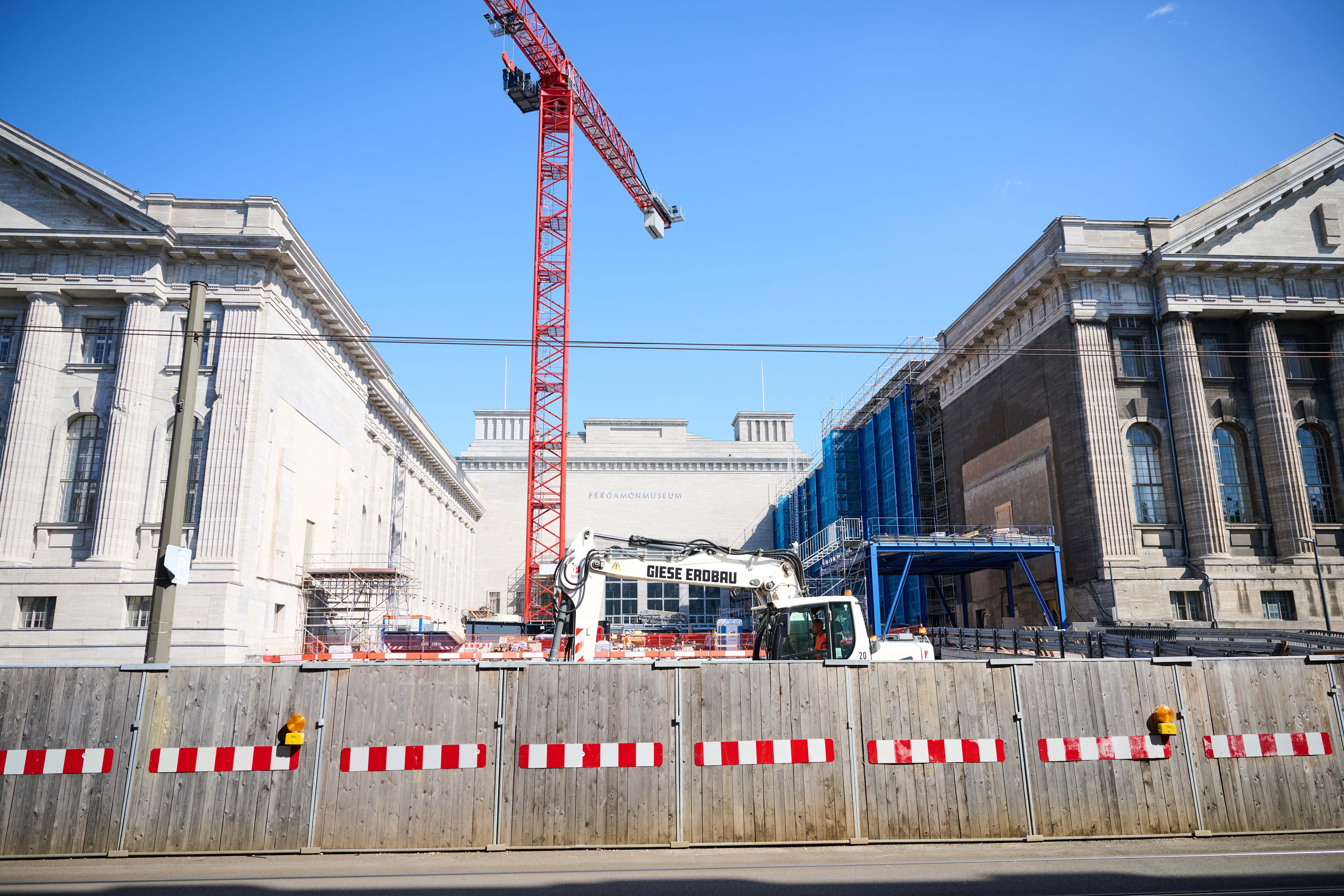
The Pergamon Museum in Berlin is undergoing a major renovation with a total budget of €1.5 billion for both construction phases, including cost risks. The Federal Office for Building and Regional Planning (BBR) has announced that current projections indicate the overall costs will not be exceeded. Phase A, which includes the hall housing the famous Pergamon Altar, is expected to open on June 4, 2027, with a potential cost increase of up to 5% over the originally approved €489 million. Phase B, covering the Ishtar Gate and Babylonian Processional Way, has seen its cost forecast reduced by €27 million to €722.4 million, with an additional €295.6 million set aside for risks and price increases. The museum will fully reopen only in 2037.

Five Scottish museum collections awarded national significance status

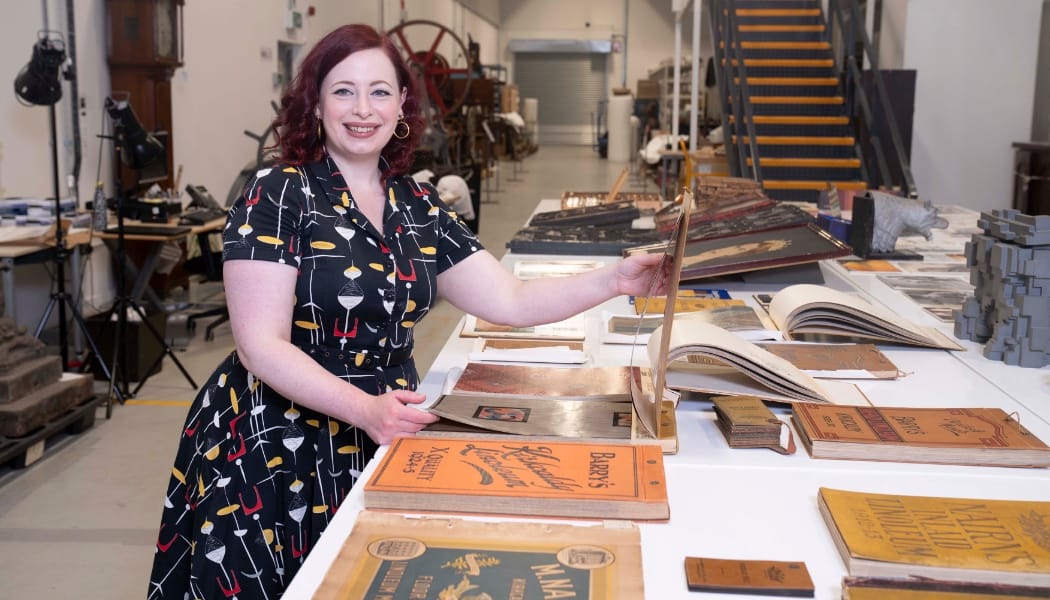
Five museum collections in Scotland have been awarded national significance status on International Museum Day, bringing the total number of recognized collections in Scotland to 56. The newly designated collections are the Linoleum Collection (managed by OnFife), the Photographic Collection (University of St Andrews), the Duncan of Jordanstone College of Art & Design Collection (University of Dundee Museums), the Oakbank Collection (Scottish Crannog Centre), and the Art Collection (University of Stirling). The Recognition Scheme, managed by Museums Galleries Scotland, highlights collections beyond those held in national museums and galleries, spanning from Shetland to Dumfries and Galloway.

Why Italy's cultural wealth never really enters public accounts and budgets?

Perché la ricchezza culturale italiana non entra mai davvero nei conti e nei bilanci pubblici?

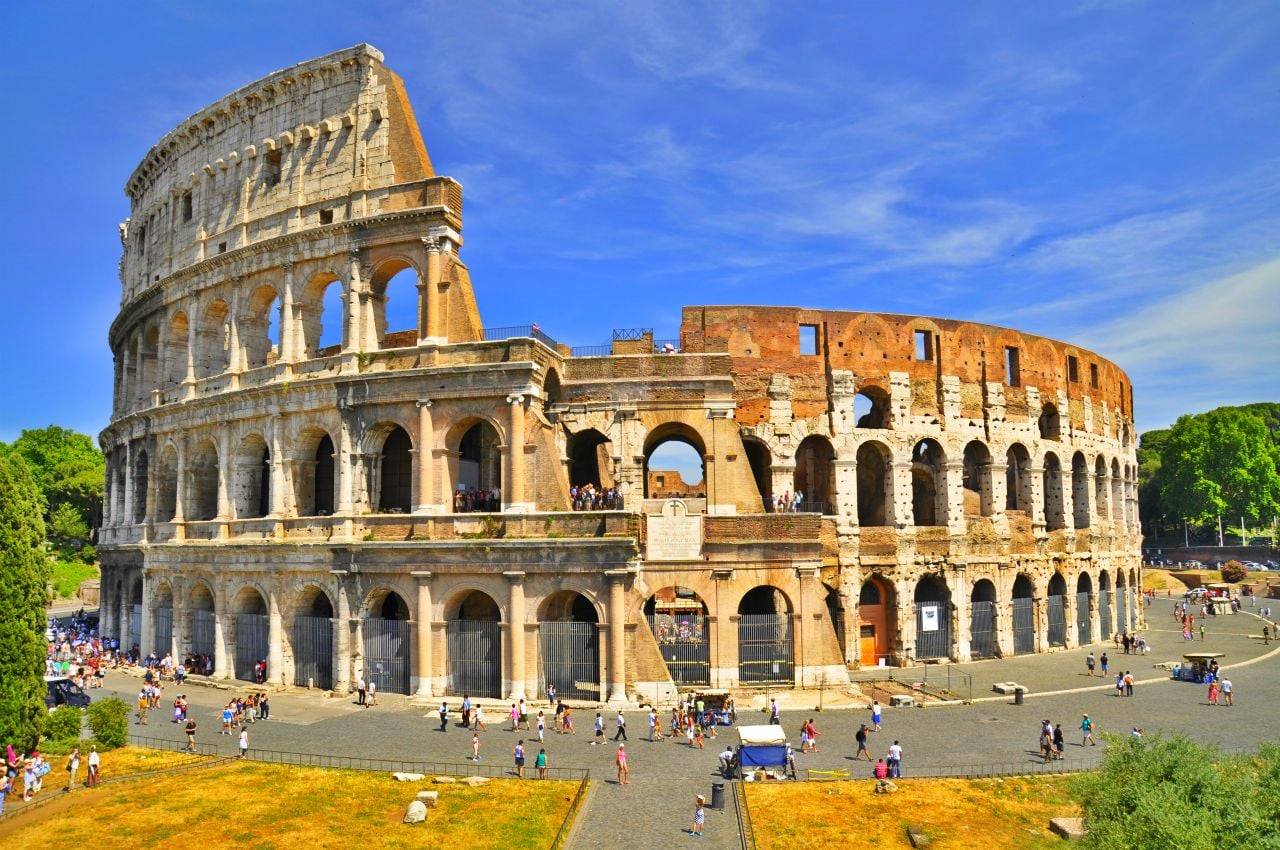
Italy has exceeded the European Commission's structural adjustment path by 0.1 percentage points of GDP, reopening fiscal scrutiny. Amid this debate, the article highlights a deeper issue: Italy's immense cultural heritage is drastically undervalued in public accounts. For example, the Pompeii Archaeological Park is recorded at just €48.9 million, the Colosseum at under €15 million, and the Uffizi at about €2 billion—figures based on outdated 2002 ministerial criteria that bear no relation to actual economic or cultural worth. The State General Accounting Office, with the University of Roma Tre and EU technical assistance, has proposed a new methodology to value cultural assets by discounting their future net financial flows, including direct revenues and indirect tourism-related returns.

Bayeux Tapestry: A Blank Voyage That Tests Nothing

Tapisserie de Bayeux : un voyage à blanc qui ne teste rien

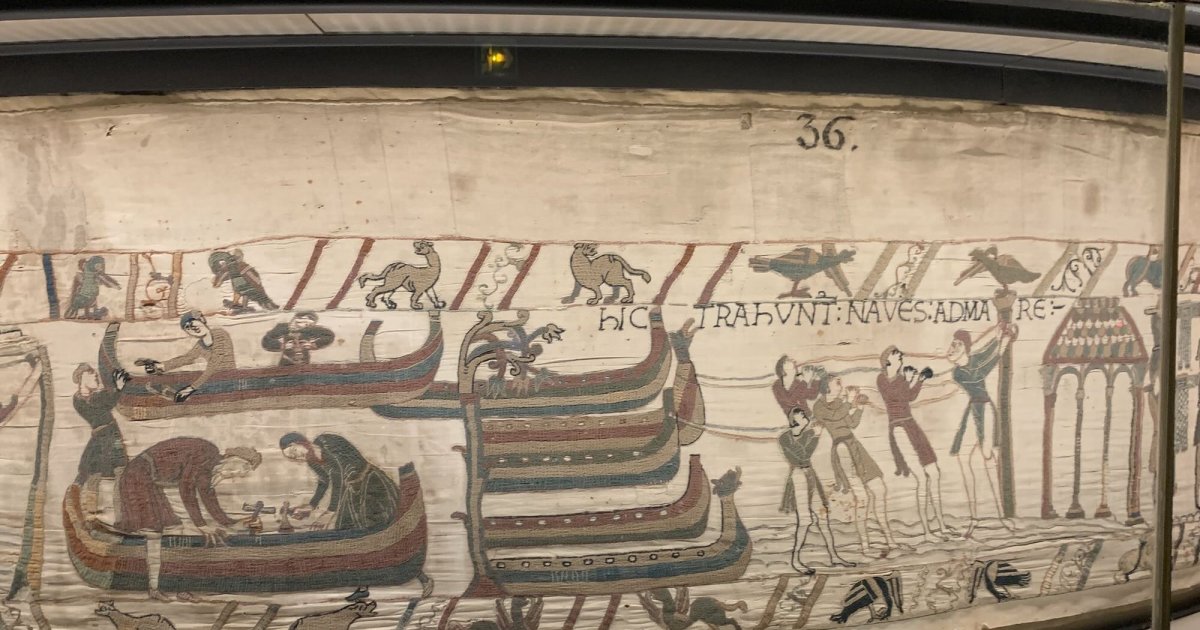
A confidential interim report obtained by La Tribune de l'Art reveals that the "blank voyage" test transport of the Bayeux Tapestry from Bayeux to London in February 2026 failed to measure actual risks to the artwork. The report admits that the vibration threshold used (2 mm/s) is arbitrary and based on paintings, not on a textile of this size and fragility. Because the tapestry has been stored and inaccessible since September 2025, no mechanical tests could be conducted beforehand to determine safe vibration levels, rendering the test meaningless. A second test took place on April 15, 2026, but its report has not yet been finalized; the actual loan is planned for July 2026, with transport via Eurostar.

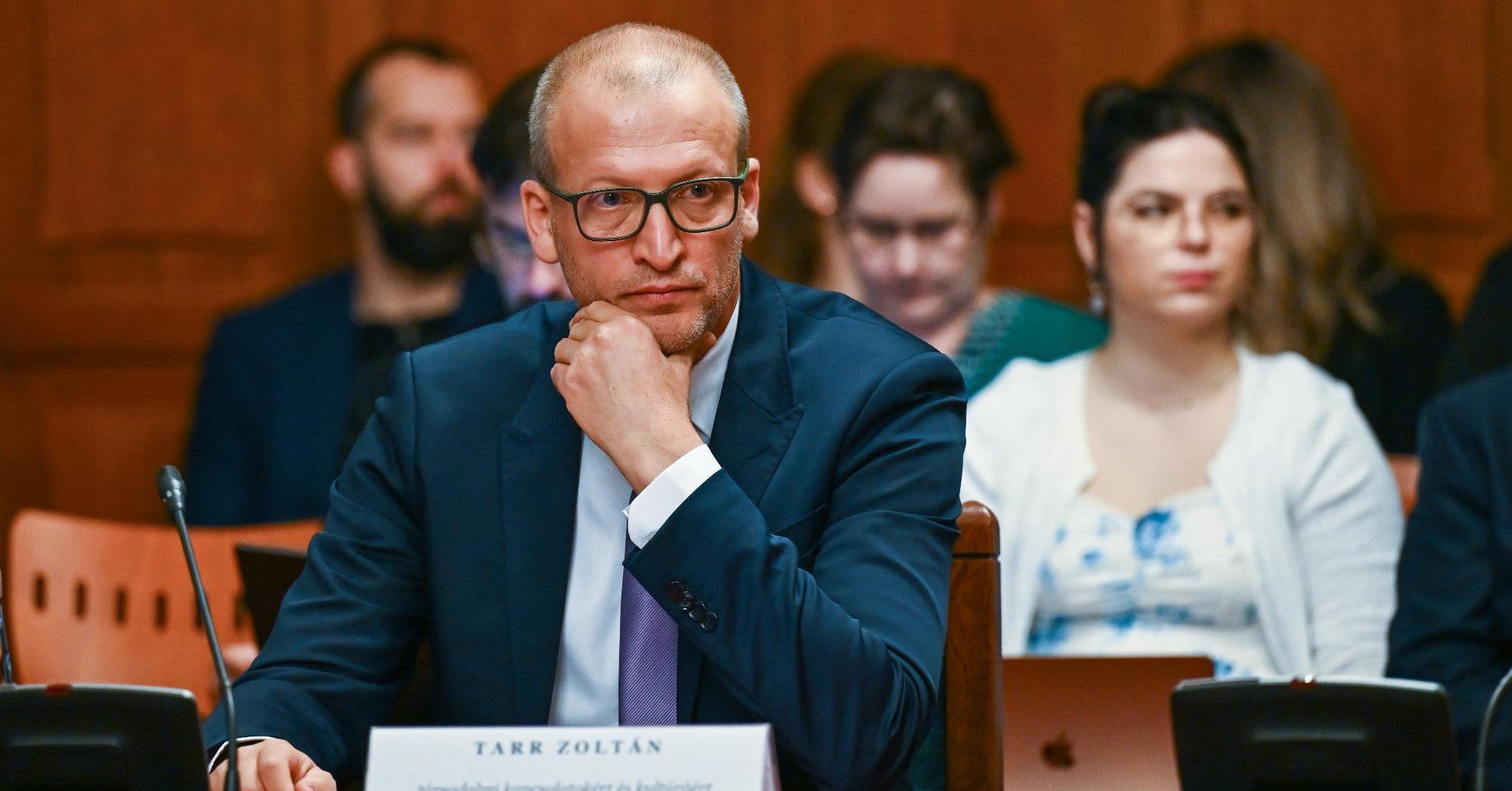
Who is the new Minister of Culture in Hungary in the first post-Orbán government? The profile of Zoltán Tarr

Chi è il nuovo Ministro della Cultura in Ungheria nel primo governo post-Orbán? Il profilo di Zoltán Tarr

Zoltán Tarr è stato nominato Ministro delle Relazioni Sociali e della Cultura nel primo governo post-Orbán in Ungheria, guidato dal nuovo Primo Ministro Peter Magyar. Tarr, 52 anni, ex pastore della Chiesa riformata ungherese ed europarlamentare per il PPE, ha promesso di ripristinare la libertà d'espressione e smantellare il sistema di favoritismi politici nella cultura, dopo 16 anni di governo autoritario di Viktor Orbán.

黑龙江省美协召开2026年度工作会议暨七届九次主席团(扩大)会议

The Heilongjiang Provincial Artists Association held its 2026 annual work meeting and the 7th 9th Presidium (Expanded) Meeting on April 29, 2026, via a hybrid online-offline format. Over 100 participants attended, including presidium members, council members, heads of municipal and industry artists associations, and committee members. The meeting conveyed directives from the China Artists Association's study and implementation of the Fourth Plenary Session of the 20th Central Committee of the Communist Party of China, as well as the provincial文联's work arrangements. It summarized 2025 work and outlined key tasks for 2026, emphasizing ideological guidance through Xi Jinping's cultural thought, people-centered creative direction focusing on local themes like black soil culture and borderland heritage, and strengthening of traditional art forms such as Heilongjiang printmaking and watercolor. The meeting also approved new council member additions, first-batch 2026 membership applications, and committee adjustments.