
filter_list Showing 3 results for "labor" close Clear
search
dashboard All 182 museum exhibitions 125article local 18article culture 13article news 11gavel restitution 4trending_up market 4article policy 3person people 2rate_review review 1candle obituary 1
date_range Range Today This Week This Month All
Subscribe

If fashion is art, why doesn’t CNZ fund it?

Creative New Zealand (CNZ) explicitly states on its website that it does not fund fashion design, classifying it as primarily part of the commercial creative industries. The article highlights the contradiction that while major institutions like The Dowse Art Museum, Auckland Art Gallery, and World of WearableArt treat fashion as art, CNZ denies funding to fashion designers, with rare exceptions for non-commercial, cross-cultural, or collaborative projects. Fashion designer Doris de Pont, founder of The New Zealand Fashion Museum, notes that even when her trust received CNZ support, it was for the art connection, not the fashion itself.
Sylvie Retailleau : « Pendant cinq ans, tout a été remis en jeu »

Sylvie Retailleau, former French Minister of Higher Education and current president of Universcience since January 2026, details the tense negotiations between the Grand Palais and the Palais de la découverte. She reveals that the Palais de la découverte nearly disappeared during the Grand Palais renovation, but will reopen in March 2027. Universcience ceded a 1,200 m² gallery to the Grand Palais as a financial contribution (worth about €30 million over ten years) and is lending another 350 m² gallery until June 2030 for Centre Pompidou exhibitions during its renovation. In exchange, Universcience gains full control over the programming of the Palais des enfants.

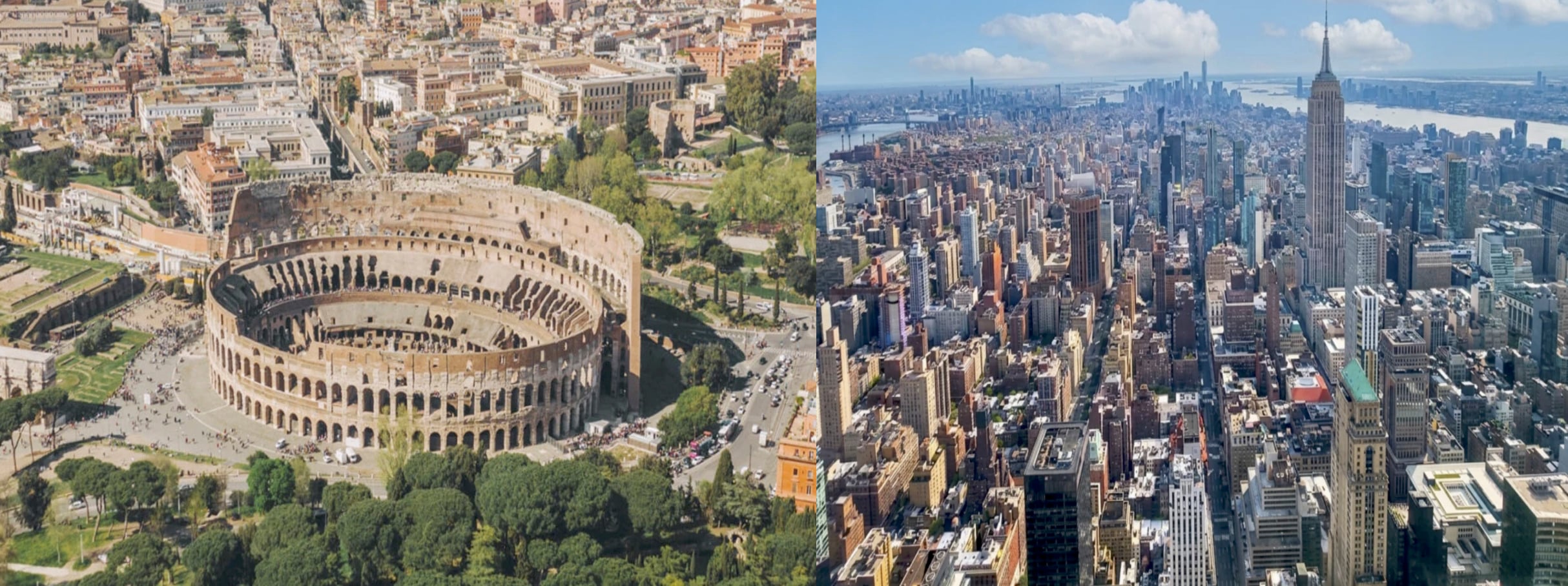
Cultural alliance between Rome and New York. The two cities sign the first agreement between major historic centers

Alleanza culturale tra Roma e New York. Le due città siglano il primo accordo tra grandi centri storici

Rome and New York have signed the first cultural cooperation agreement between their historic centers, Municipio I Roma Centro and Manhattan. The protocol was formalized during the Forum Cultura Roma Centro at the Temple of Vibia Sabina and Hadrian, aiming to establish an international network based on collaboration between cultural institutions and governance models. It includes exchanges, youth programs, artistic initiatives, and public art projects involving museums, archives, libraries, universities, and educational entities.