filter_list Showing 8 results for "mari" close Clear
search
dashboard All 216 museum exhibitions 116article local 22article culture 16trending_up market 15article news 13candle obituary 12article policy 8rate_review review 6person people 5gavel restitution 3
date_range Range Today This Week This Month All
Subscribe

If fashion is art, why doesn’t CNZ fund it?

Creative New Zealand (CNZ) explicitly states on its website that it does not fund fashion design, classifying it as primarily part of the commercial creative industries. The article highlights the contradiction that while major institutions like The Dowse Art Museum, Auckland Art Gallery, and World of WearableArt treat fashion as art, CNZ denies funding to fashion designers, with rare exceptions for non-commercial, cross-cultural, or collaborative projects. Fashion designer Doris de Pont, founder of The New Zealand Fashion Museum, notes that even when her trust received CNZ support, it was for the art connection, not the fashion itself.
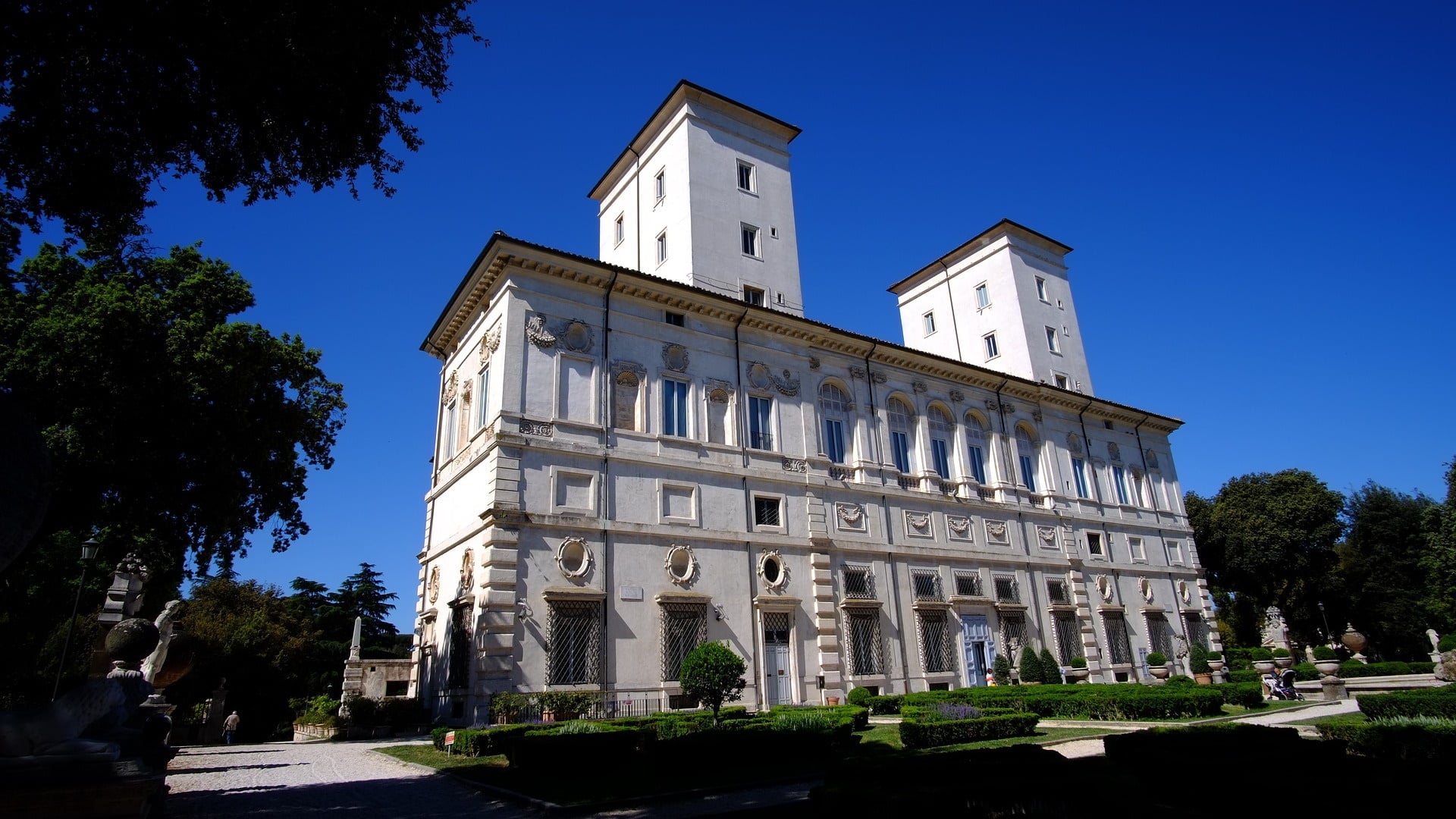
A new wing to solve the problems of the Galleria Borghese in Rome. Beautiful challenge, tedious controversy

Una nuova ala per risolvere i problemi della Galleria Borghese a Roma. Bella sfida, stucchevoli polemiche

The Galleria Borghese in Rome, one of Italy's most extraordinary museums, faces significant accessibility and capacity issues due to its historic 17th-century structure. The museum is difficult for visitors with disabilities, overcrowded, and forces visitors to book far in advance—often waiting over a month for a time slot—while many masterpieces remain in storage. In 2025, the engineering firm Proger offered to sponsor a feasibility study for a new wing, contributing nearly 900,000 euros to fund an international architecture competition and a technical-economic feasibility plan. The study, currently underway, aims to explore whether a new annex can be built within the protected Villa Borghese park to create new entrances, exhibition spaces, and services.

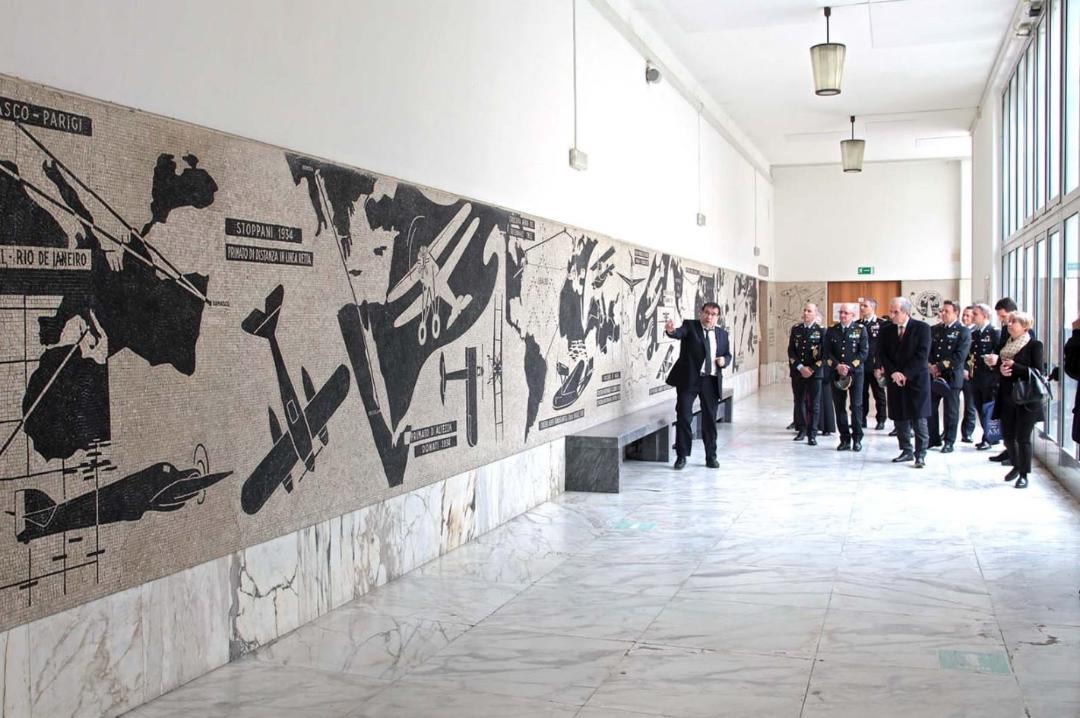
In Romagna, debate over the artistic legacy of the Fascist era

In Romagna c’è discussione attorno all’eredità artistica del Ventennio fascista

Recent developments in Romagna, Italy, have sparked debate over the artistic legacy of the Fascist era. The 102-meter-long Flight Mosaics at the former Aeronautical College in Forlì are now open to the public, and the Conad-Città di Forlì Auditorium, converted from a former GIL cinema, will inaugurate on May 13, 2026. Regional President De Pascale has announced initial funding to secure the Colonia Varese in Cervia, a Rationalist masterpiece, while long-awaited consolidation work has begun on the Casa del Fascio in Predappio, Benito Mussolini's birthplace. A 2010 plan to turn the Casa del Fascio into a cultural center documenting Fascism has stalled due to political changes and bureaucratic hurdles.

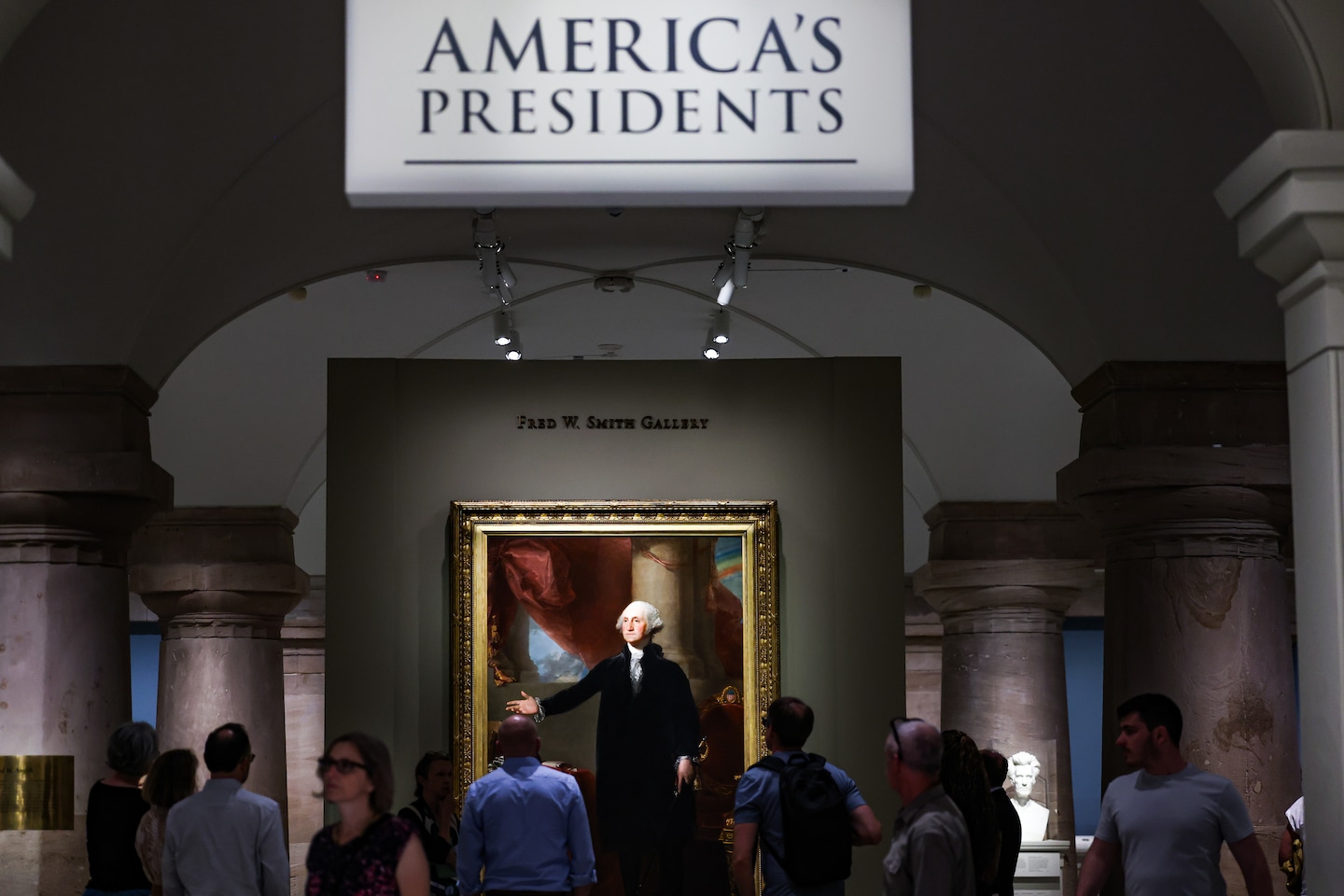
Column | The Smithsonian’s most contested exhibition is back on view, mostly intact

Columnist Philip Kennicott reports that the Smithsonian's most contested exhibition has returned to public view, largely intact, despite ongoing culture war attacks from the Trump administration. Since Donald Trump returned to office in January 2025, the Smithsonian has been a primary target for the administration's campaign against diversity and inclusion initiatives, as well as historical narratives that address slavery, Native American genocide, and the struggles of marginalized communities.

Why Italy's cultural wealth never really enters public accounts and budgets?

Perché la ricchezza culturale italiana non entra mai davvero nei conti e nei bilanci pubblici?

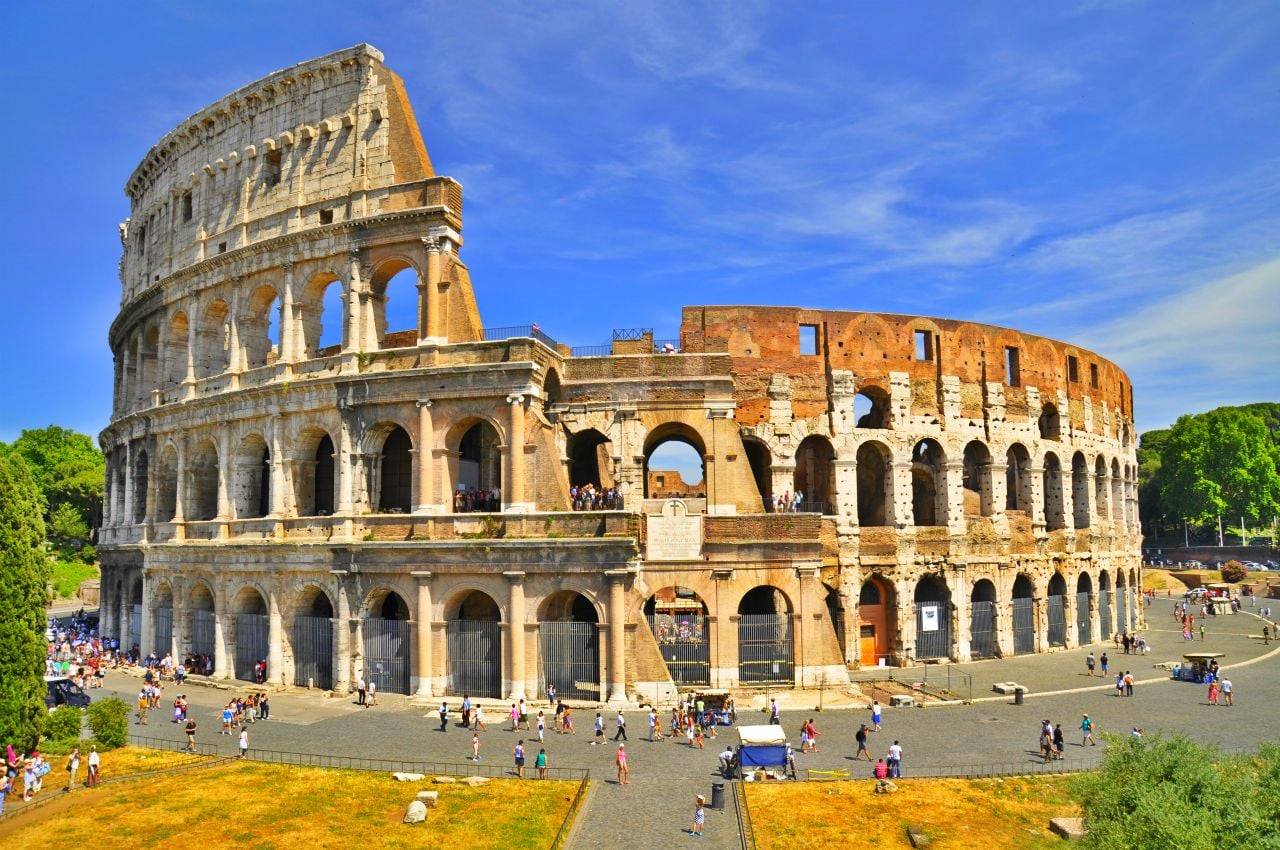
Italy has exceeded the European Commission's structural adjustment path by 0.1 percentage points of GDP, reopening fiscal scrutiny. Amid this debate, the article highlights a deeper issue: Italy's immense cultural heritage is drastically undervalued in public accounts. For example, the Pompeii Archaeological Park is recorded at just €48.9 million, the Colosseum at under €15 million, and the Uffizi at about €2 billion—figures based on outdated 2002 ministerial criteria that bear no relation to actual economic or cultural worth. The State General Accounting Office, with the University of Roma Tre and EU technical assistance, has proposed a new methodology to value cultural assets by discounting their future net financial flows, including direct revenues and indirect tourism-related returns.

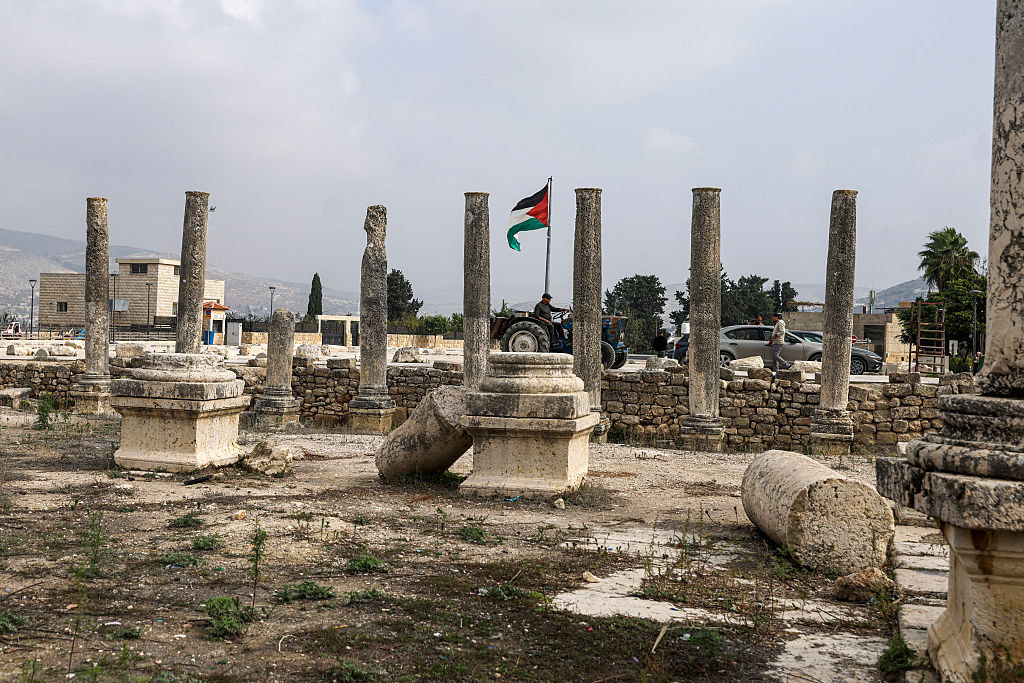
Israel Advances Bill Granting Sweeping Civilian Authority over West Bank Archaeological Sites

Israel advanced a bill on Tuesday that would grant sweeping civilian authority over antiquities and archaeology in the occupied West Bank, replacing the current military-run system. The Likud-backed legislation would create a "Judea and Samaria Heritage Authority" under the Israeli heritage minister, empowered to purchase and expropriate land, oversee excavations, and manage heritage sites across Areas B and C of the West Bank. The bill passed its first of three votes (23-14) and would be led by Amichai Eliyahu, a far-right politician who advocates for annexation. Human rights groups and the Israeli NGO Emek Shaveh warned the move amounts to de facto annexation and a violation of Palestinian rights.

The church, the village, the park. FAI's 'Places of the Heart' returns to save ruins

La chiesa, il borgo, il parco. Tornano i Luoghi del Cuore del FAI per salvare i beni in rovina

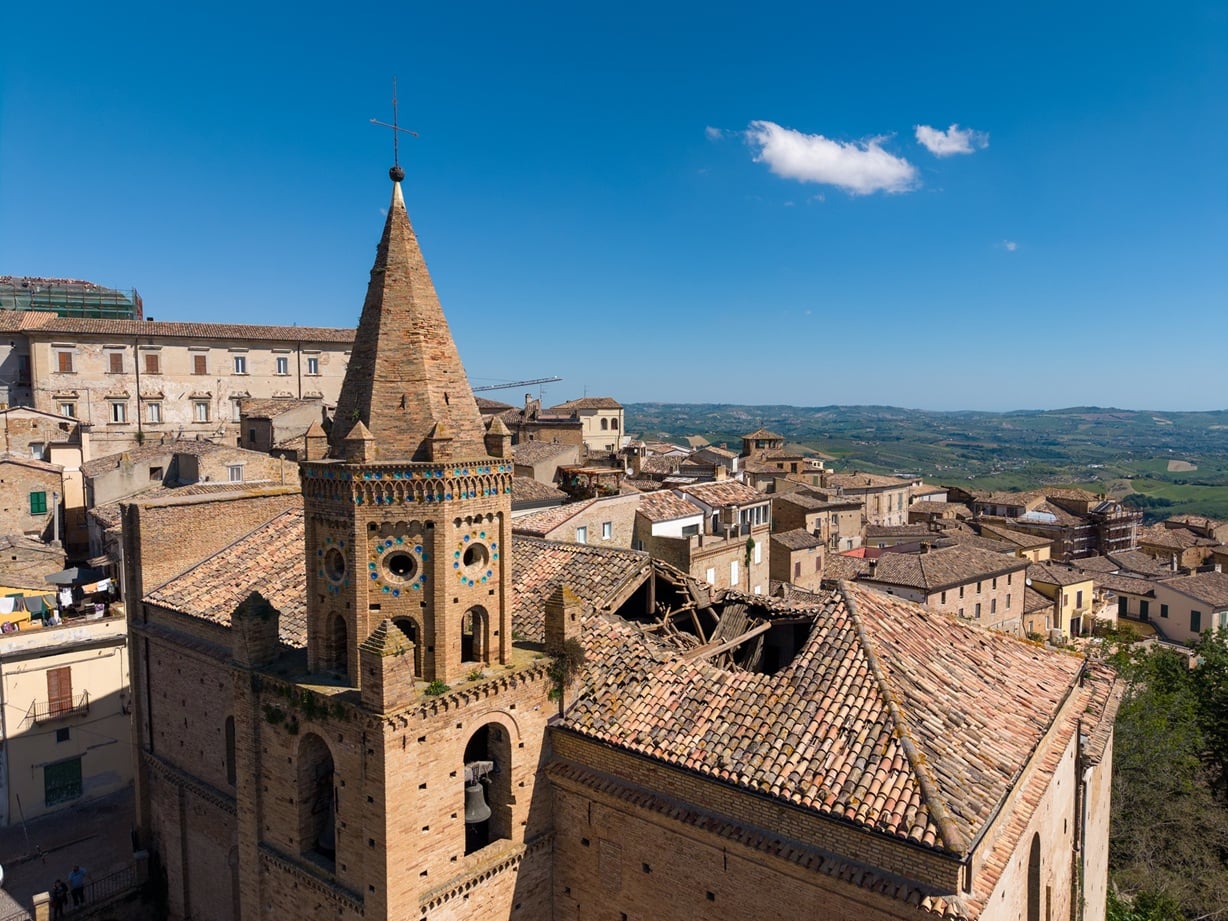
The Fondo per l’Ambiente Italiano (FAI) has launched the 13th edition of its "Luoghi del Cuore" (Places of the Heart) initiative, a biennial census that invites Italians to vote for cultural heritage sites most in need of restoration. Since 2003, the campaign has collected over 13.5 million votes, with the 2024 edition alone receiving more than 2.3 million votes for over 41,000 sites across 6,508 municipalities. The initiative has funded 180 recovery projects, 40% of which involve churches, followed by environmental, architectural, and archaeological assets. Notable successes include the Church of San Pietro dei Samari in Gallipoli, the Oratorio del Sasso in Orasso, and the Complesso di Sant’Angelo Magno in Ascoli Piceno.

黑龙江省美协召开2026年度工作会议暨七届九次主席团(扩大)会议

The Heilongjiang Provincial Artists Association held its 2026 annual work meeting and the 7th 9th Presidium (Expanded) Meeting on April 29, 2026, via a hybrid online-offline format. Over 100 participants attended, including presidium members, council members, heads of municipal and industry artists associations, and committee members. The meeting conveyed directives from the China Artists Association's study and implementation of the Fourth Plenary Session of the 20th Central Committee of the Communist Party of China, as well as the provincial文联's work arrangements. It summarized 2025 work and outlined key tasks for 2026, emphasizing ideological guidance through Xi Jinping's cultural thought, people-centered creative direction focusing on local themes like black soil culture and borderland heritage, and strengthening of traditional art forms such as Heilongjiang printmaking and watercolor. The meeting also approved new council member additions, first-batch 2026 membership applications, and committee adjustments.