filter_list Showing 6 results for "Ancestral" close Clear
dashboard All 142 museum exhibitions 96article culture 10article news 9trending_up market 6article local 6person people 6gavel restitution 6rate_review review 2article policy 1
date_range Range Today This Week This Month All
Subscribe

maine museum return funerary objects wabanaki nations 1234752667

The Abbe Museum in Bar Harbor, Maine, is repatriating 17 items—including a human tooth and funerary objects such as tools, animal hides, and fabric—to the Wabanaki Nations, a confederation of four local tribes (Penobscot Nation, Passamaquoddy Tribe, Mi’kmaq Nation, and Houlton band of Maliseet Indians). The objects, many excavated by Warren K. Moorehead in the late 19th century, passed through the R.S. Peabody Museum, the Bangor Historical Society, and the Abbe Museum, with some lost due to undocumented loans. A Field Register notice from the National Park Service, published September 11, 2025, details their complex provenance. The repatriation is set to occur on or after October 14, 2025.

ucla fowler museum returns artifacts australia larrakia 1234742627

The Fowler Museum at UCLA has voluntarily returned 11 culturally significant objects to the Larrakia Community of Australia’s Northern Territory. The items, including a kangaroo tooth headband and 10 glass spearheads dating from the late 19th and early 20th centuries, were handed over in a ceremony on May 20. Half of the objects arrived at the museum in 1965 via a large donation from the Wellcome Trust, while the rest were gifts from private collectors. Since 2021, Larrakia elders have worked with AIATSIS and the Fowler Museum to identify and facilitate the return. The Larrakia community plans to open a cultural center next year to house the repatriated items.

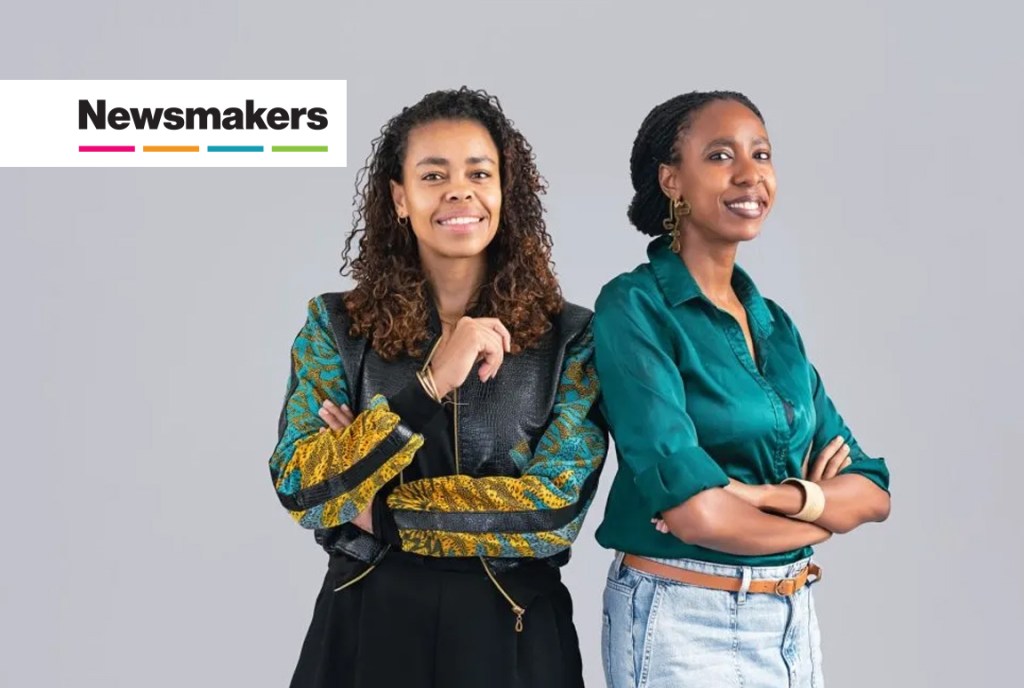
The Founders of Open Restitution Africa (ORA) on Their New Open Data Platform

On March 31, the research initiative Open Restitution Africa (ORA) launched the ORA Open Data Platform, a database providing information on the restitution of African artifacts and ancestral remains. Developed over six years by ORA’s all-woman, pan-African team, the site uses case histories and AI-powered tools to offer practical insights into the return process, available in French and English. It presents 25 case histories spanning 200 years, using data visualizations, essays, and interactive tools to help individuals and communities develop their own restitution strategies. ARTnews interviewed founders Chao Tayiana Maina and Molemo Moiloa about the project's origins and goals.

scholars and mps slam uk museums as unethical and sacrilegious for holding vast collections of human remains 1234777195

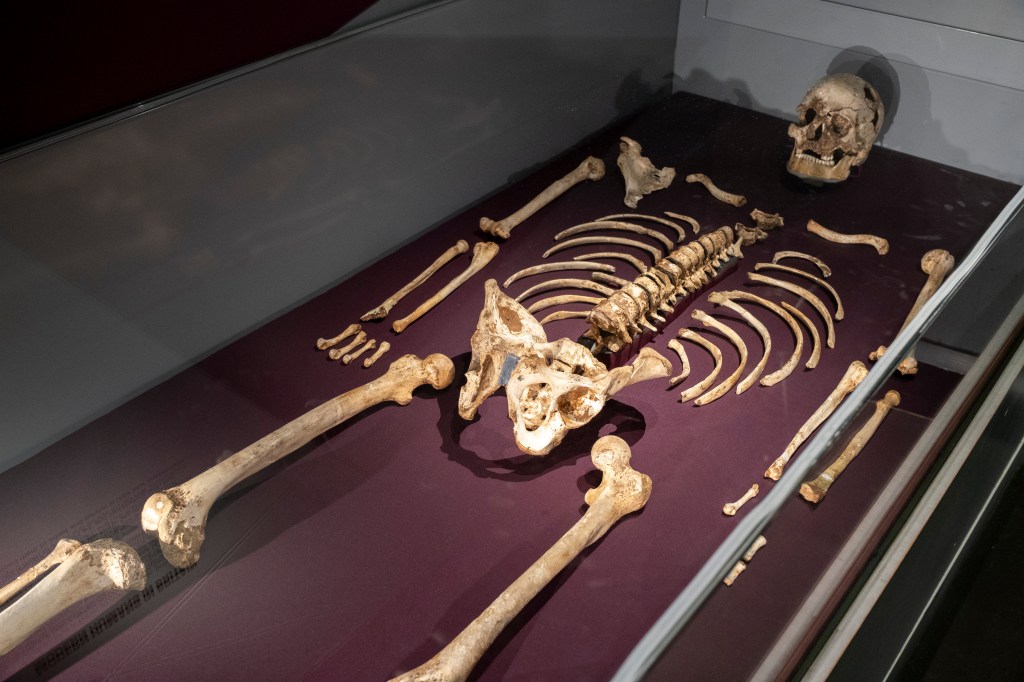
A major investigation has revealed that UK museums and universities hold more than 263,000 human remains, including at least 37,000 sourced from overseas and former British colonies. The findings indicate that many institutions lack proper documentation, with thousands of items stored anonymously in cardboard boxes or mixed together, often in violation of government guidelines regarding respectful handling and transparency.

france mexico celebrate 200th anniversary pre hispanic manuscripts 1234768914

In May 2025, French President Emmanuel Macron visited Mexico City for his first official trip to Mexico, where President Claudia Sheinbaum announced a temporary exchange of two pre-Hispanic codices. The Codex Azcatitlán, held at the Bibliothèque Nationale de France in Paris, will travel to Mexico City, while the Codex Boturini, housed at Mexico's Biblioteca Nacional de Antropología e Historia, will go to Paris. Both illustrated manuscripts, rarely displayed due to conservation concerns, recount the Aztecs' migration to Tenochtitlan. The exchange comes amid ongoing Mexican efforts to repatriate Mesoamerican codices from European collections, including the Codex Borgia and Codex Vaticanus in the Vatican and the Codex Borbonicus in France.

Mummies and other human remains held in UK museums raise serious ethical questions, warn scholars

A major investigation has revealed that UK museums, universities, and local authorities hold more than 263,000 human remains, including mummies, skeletons, and skulls. Of these, approximately 37,000 originate from overseas, largely from former British colonies, often acquired without consent. The findings have sparked intense criticism from scholars and curators who argue that the sheer scale of these collections reflects a distressing colonial legacy and necessitates a systemic shift toward repatriation and more ethical storage practices.