filter_list Showing 10 results for "Ancestral" close Clear
search
dashboard All 163 museum exhibitions 112article culture 10person people 10article news 9article local 7trending_up market 6gavel restitution 6rate_review review 2article policy 1
date_range Range Today This Week This Month All
Subscribe

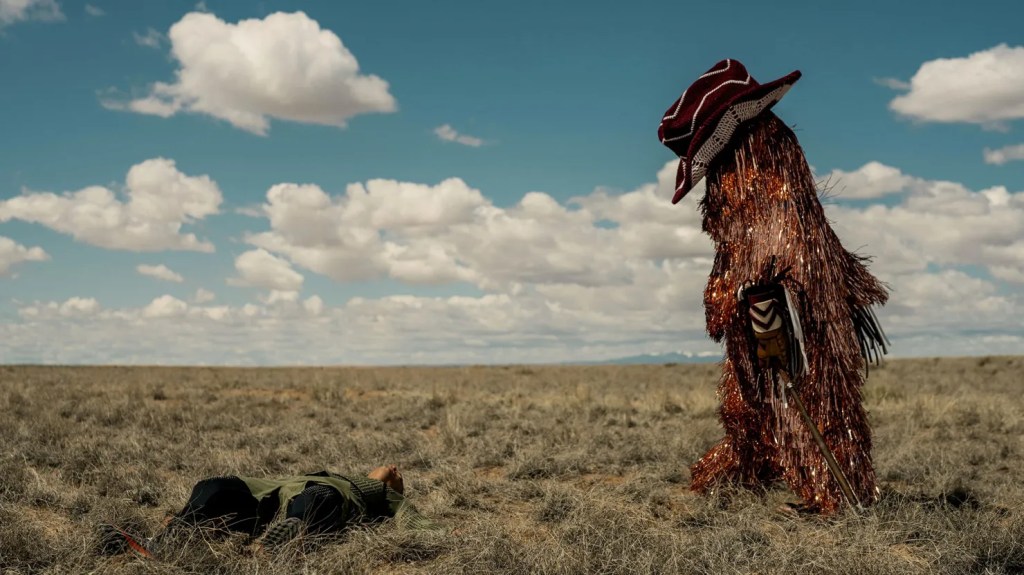
cannupa hanska luger mascot jordan peele horror film him

Cannupa Hanska Luger collaborated with the filmmakers of the horror film *Him*, directed by Justin Tipping and produced by Jordan Peele, to create a sports mascot named “Tinsel Larry.” The mascot appears in the film as the symbol for the fictional San Antonio Saviors team. Luger worked with lead costume designer Dominique Dawson on the design, which evolved from a “Conquistador Larry” concept into a “razzle-dazzle rose gold glitter monster.” Luger explained on Instagram that the mascot incorporates Indigenous references as a deliberate commentary on the racist history of sports mascots, calling it “an act of reclamation.”
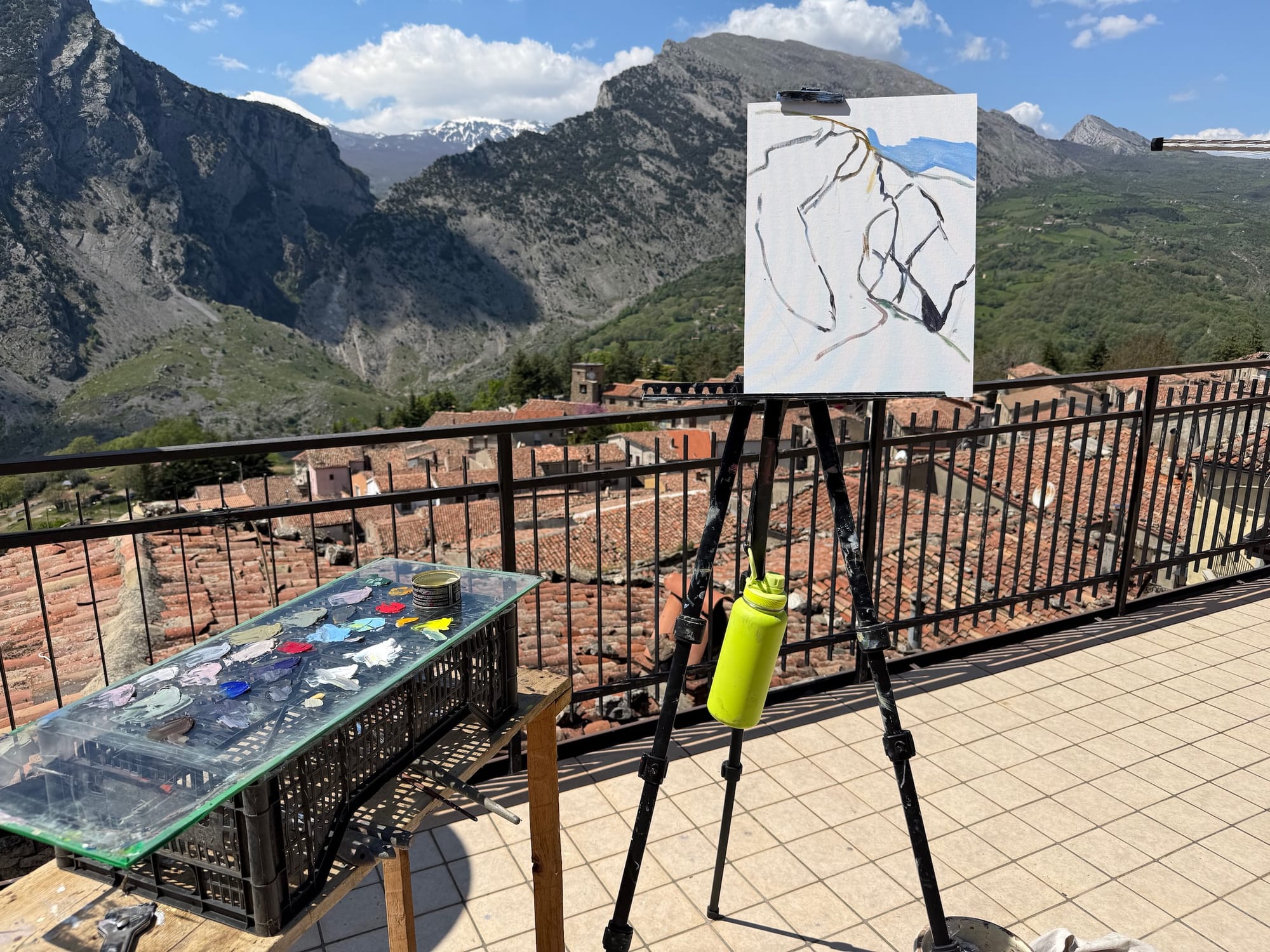
A View From the Easel

Brenda Zlamany returns to her ancestral village near Pollino National Park in Italy, where she paints in a converted sausage factory and grows her own olives. The 336th installment of Hyperallergic's 'A View From the Easel' series profiles her studio life in a remote, car-free village that her grandfather left as a cobbler 100 years ago.

Navajo Nation: the fight for cultural survival – photo essay

The Navajo Nation is currently navigating a complex struggle to preserve its cultural heritage against the lingering effects of colonial-era boarding schools and the modern pressures of social media and urbanization. While elders like Virginia Brown recount the trauma of forced assimilation and language suppression, a new generation is grappling with a decline in Navajo fluency, which UNESCO now classifies as a vulnerable language. Despite these hurdles, community members are utilizing local schools and traditional practices to reclaim their identity.

Buried lines and bold beginnings

Timothy Akis, born around 1944 in Tsembaga village, Madang, is recognized as a pioneer of contemporary art in Papua New Guinea. His 1969 solo exhibition at the University of Papua New Guinea (UPNG) is considered the country's first Western-style show by a Papua New Guinean artist, catalyzing a modern art movement. Akis developed a distinctive drawing style using ballpoint, felt pen, and ink, depicting highlands creatures like cassowaries and flying foxes. His work inspired younger artists, notably Mathias Kauage, who became PNG's most internationally visible contemporary painter after seeing Akis's exhibition. Akis's career included exhibitions in Australia, Europe, and the United States, and his works are held by institutions such as the National Gallery of Australia and the Queensland Art Gallery, Gallery of Modern Art.

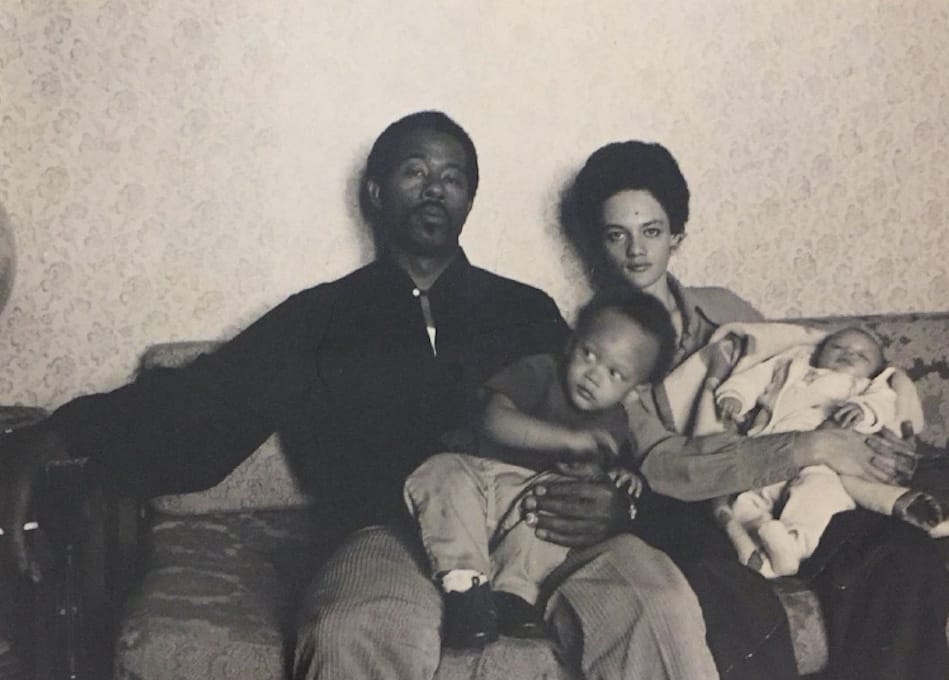
Inside a Black Panther Family Album

Scholar Leigh Raiford examines the personal family archives of Black Panther Party leaders Kathleen and Eldridge Cleaver, specifically focusing on photographs taken during their period of exile in the 1970s. The analysis centers on how domestic objects, such as a zebra-print carver chair and various African artifacts, transitioned from private household items to iconic symbols of Black Power and cultural nationalism in the public sphere.

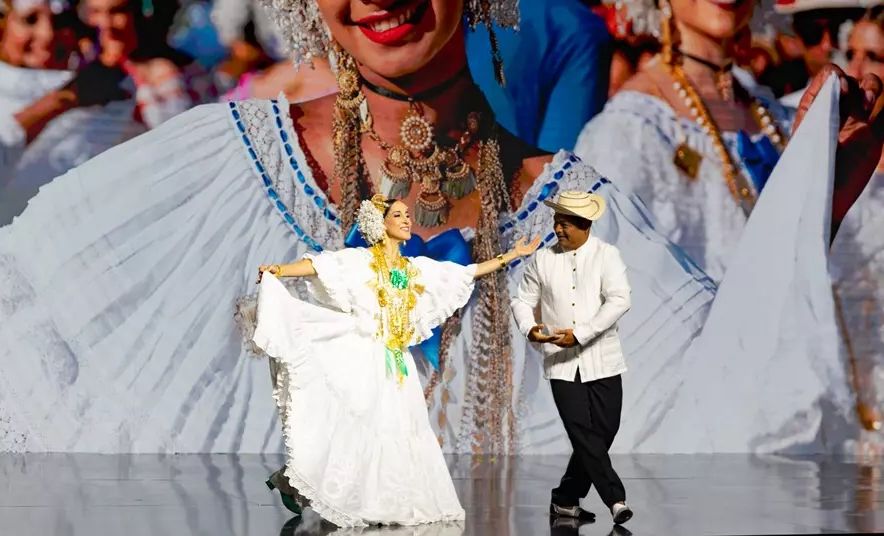
LOG: PANAMA. CULTURE AND POLITICS IN THE FRAMEWORK OF A REGIONAL MEETING DRIVEN BY CAF

BITÁCORA: PANAMÁ. CULTURA Y POLÍTICA EN EL MARCO DE UN ENCUENTRO REGIONAL IMPULSADO POR CAF

Artishock Revista covered the CAF Festival 'Voces por nuestra región: Cultura que mueve el mundo,' held in Panama in January 2026. The event, organized by CAF – Banco de Desarrollo de América Latina y el Caribe, aimed to reposition Latin American and Caribbean culture as a strategic axis for sustainable development. It featured panels, sectoral forums, and co-creation spaces designed to activate alliances and strengthen regional networks for artists and cultural projects.

Irina Werning Chronicles 18 Years of Photographing ‘Las Pelilargas’ in a New Book

Photographer Irina Werning has spent 18 years traveling across Latin America to document Indigenous women with exceptionally long hair for her series "Las Pelilargas." Her new book, published by GOST Books, features nearly 90 portraits taken between 2006 and 2024, starting with the Kolla community in Argentina. Werning sought subjects by posting signs in remote mountain towns and organizing hair competitions, capturing a tradition rooted in ancestral beliefs that hair connects to life, thoughts, and the land.

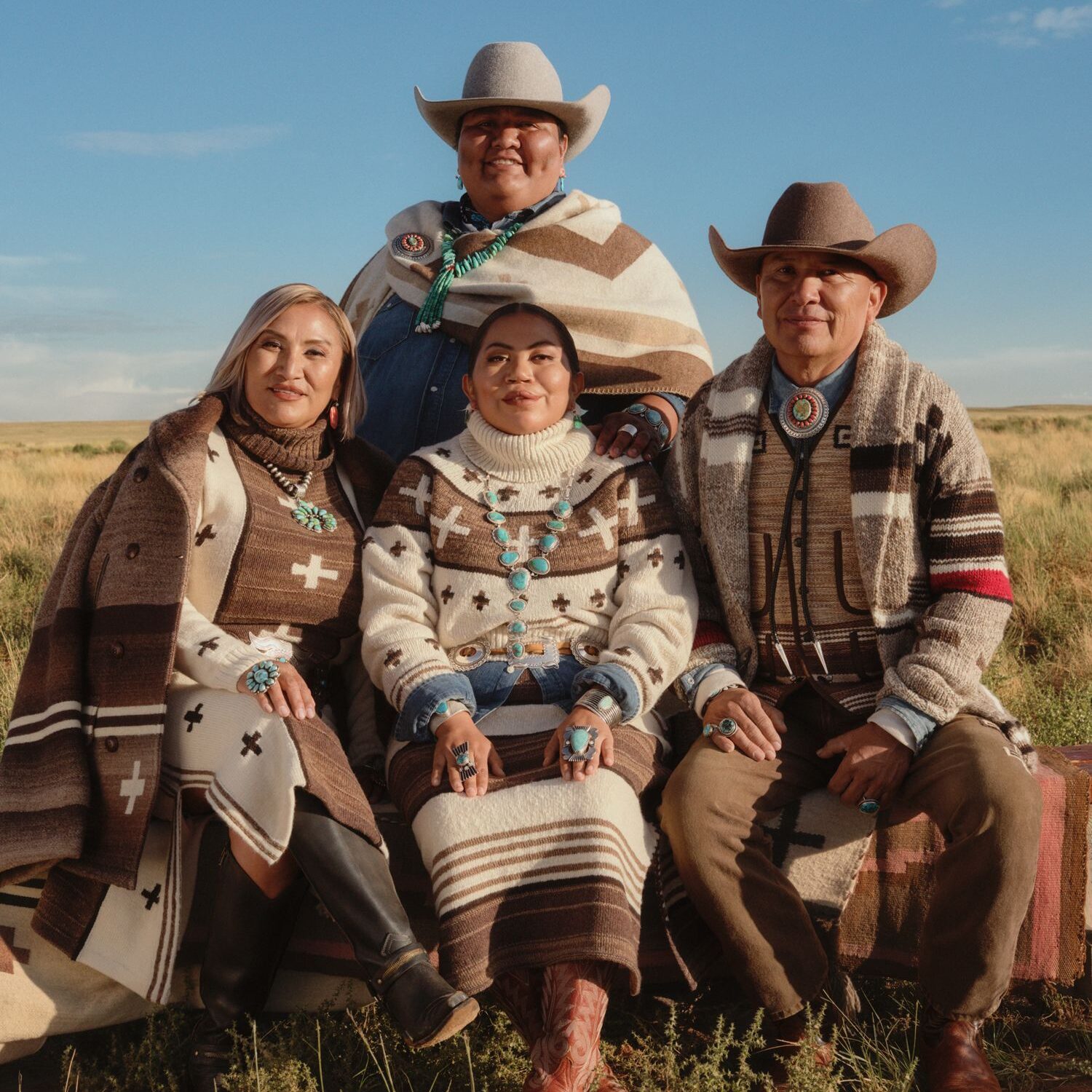
design ralph lauren home naiomi tyler glasses navajo

Siblings Naiomi and Tyler Glasses, Diné weavers from a seven-generation lineage, have collaborated with Ralph Lauren on the Canyon Road Collection, a home goods line featuring traditional Navajo motifs like eye-dazzler diamonds and Spider Woman crosses. The collection, which includes bedding and dishware, marks Naiomi's second artist-in-residence partnership with the brand and aims to translate Indigenous craftsmanship into contemporary design.

In the Studio with Jevon Brown

Artist Jevon Brown, a Miamian of Bahamian, Jamaican, and Black Southern descent, discusses his multidisciplinary practice in an interview conducted in his Miami Beach apartment and studio. Brown works across textiles, silkscreen printing, fashion, and photography to explore cultural identity, belonging, queerness, and history. He describes how memories of Miami sunsets, family members like his uncle (a sneakerhead and hat collector), and ancestral references inform his creative process. Key works discussed include the "HAIREtage" series (2025), which uses materials like burlap and raffia to connect contemporary streetwear culture with African and Caribbean spirituality, and his inclusion in the exhibition "Material, Material World" at David Castillo Gallery.

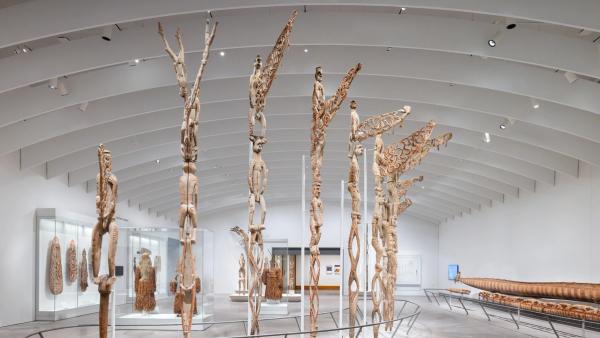
Arts of Oceania

The article explores the rich artistic traditions of Oceania, emphasizing how the vast network of islands and ocean passageways fostered a dynamic exchange of cultures, materials, and ideas over millennia. It describes Oceanic art as vessels for metaphysical journeys, with objects like fishhooks, stick charts, and carved figures serving as tangible expressions of ancestral power and cultural knowledge. The text highlights the role of artists as chiefs and orators who manipulate local materials to manifest spirits, and traces the region's entanglements with European colonial powers from the sixteenth century onward.