
filter_list Showing 3 results for "Army Museum" close Clear
search
dashboard All 6 gavel restitution 3article news 2museum exhibitions 1
date_range Range Today This Week This Month All
Subscribe

How did a 16th-century European basin end up as a sacred object in West Africa?

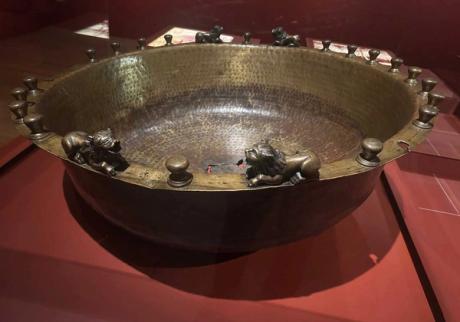
The Aya Kese, a massive 16th-century northern European brass basin, is currently on display at the British Museum while its complex history remains under scrutiny. Looted by British officer Robert Baden-Powell in 1896 from the Asante kingdom’s royal mausoleum in present-day Ghana, the object was long sensationalized by colonial accounts as a vessel for human sacrifice. Recent scholarship and historical records from Asante King Prempeh I contest these claims, asserting the basin’s sacred role as a spiritual repository for the souls of the Asante people.
British Museum's looted ewer set for return to Ghana on long-term loan

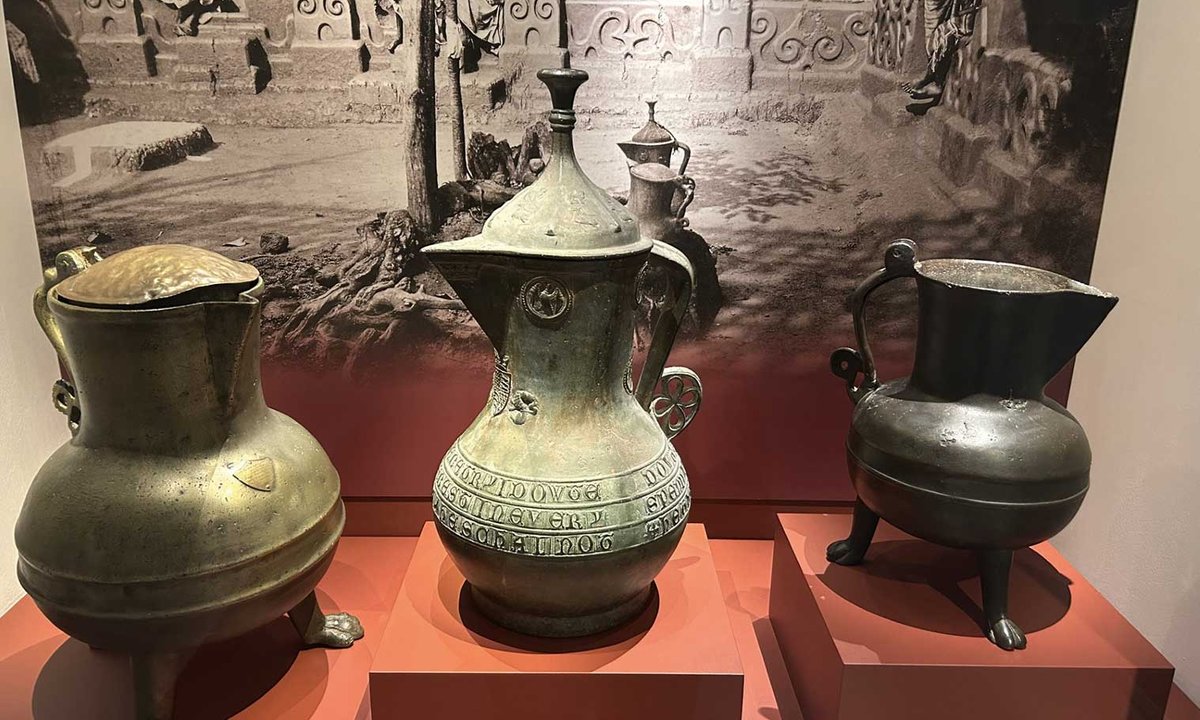
The British Museum is expected to loan the 14th-century Asante Ewer to Ghana on a long-term basis, following discussions between the Manhyia Palace Museum in Kumasi and the London institution. The ewer, made in England and later looted from the Asante royal palace in 1896, has been in the British Museum's collection ever since. Ivor Agyeman-Duah, director of the Manhyia Palace Museum, plans to travel to London to make a formal loan request on behalf of Asantehene Otumfuo Nana Osei Tutu II. The British Museum has already lent other looted artefacts to the Ghanaian museum, and the loan would likely be for three years, with Ghanaian authorities acknowledging British Museum ownership.

france returns colonial era human remains to madagascar

France has returned three colonial-era human skulls to Madagascar, including one believed to belong to King Toera, a Malagasy king executed by French troops in 1897. The skulls were handed over to Malagasy representatives at the French Culture Ministry on Monday, after being held in Paris’s National Museum of Natural History. French Culture Minister Rachida Dati called the return “historic,” while her Malagasy counterpart Volamiranty Donna Mara described it as healing an “open wound” after 128 years.