filter_list Showing 6 results for "Behind" close Clear
search
dashboard All 533 museum exhibitions 199article news 70article culture 70article local 65trending_up market 56person people 33candle obituary 18article policy 11gavel restitution 6rate_review review 5
date_range Range Today This Week This Month All
Subscribe

London’s V&A launches webpage exploring provenance of its objects

The Victoria and Albert Museum (V&A) in London has launched a dedicated digital hub to document the provenance of its collection, specifically addressing objects acquired through violence, coercion, or looting. The initiative includes detailed research on controversial items such as the Maqdala material from Ethiopia, Asante Regalia from Ghana, and imperial Chinese jade. This transparency effort coincides with International Provenance Research Day and aims to provide public accountability regarding the museum's colonial-era acquisitions.

fiat family missing artworks collection investigation

The family behind the Fiat empire, the Agnellis, is under a new investigation into missing artworks and forgeries, as reported by the Times of London. Italian investigators are focusing on 13 works by artists including John Singer Sargent, Pablo Picasso, and Francis Bacon, allegedly missing from the collection founded by Giovanni Agnelli and expanded by his grandson Gianni, who died in 2003. Margherita Agnelli de Pahlen, Gianni’s daughter, claims she is being cheated out of her inheritance by Marella’s children from a previous marriage. Shippers reportedly brought copies of the works to the family’s Rome residence between 2016 and 2018, and Carabinieri are seeking information on the originals.

60% of Sudan’s National Museum Looted, Report Says

60% of Sudan’s National Museum Looted, Report Says

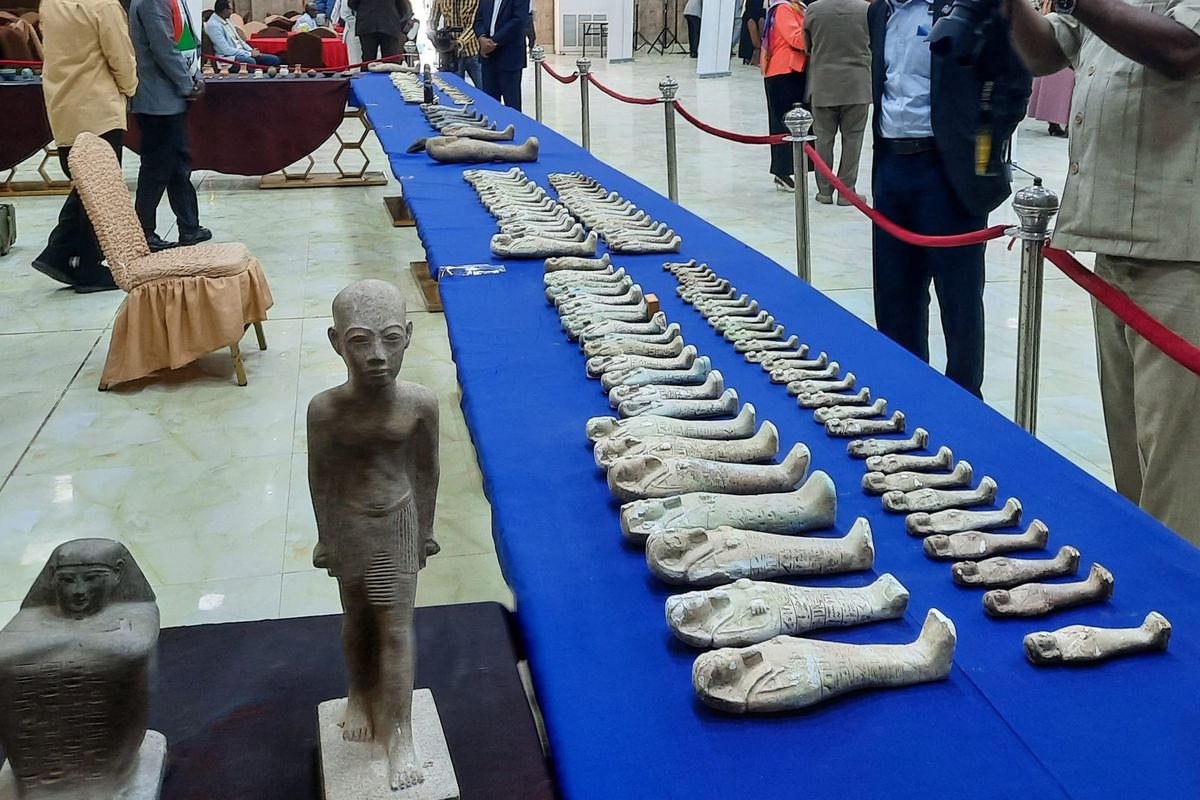
Over 60% of the holdings of the Sudan National Museum in Khartoum have been looted during the country's ongoing civil war. The paramilitary Rapid Support Forces, which controlled the capital for two years, deliberately targeted high-value portable objects like gold and jewelry, stripping storage areas while leaving less portable artifacts behind. Although the museum building remains standing, tens of thousands of antiquities from its collection of 150,000 objects were plundered, with some appearing for sale online.

The Nahmad family ordered to return a Nazi-looted Modigliani, valued at 21.5 million euros, to a French farmer

La famille Nahmad sommée de restituer à un agriculteur français un Modigliani spolié par les nazis, estimé à 21,5 millions d’euros

The New York State Supreme Court has ordered the restitution of Amedeo Modigliani’s 1918 painting, 'Seated Man (with a Cane)', to Philippe Maestracci, the grandson of Jewish art dealer Oscar Stettiner. The artwork, valued at approximately €21.5 million, was looted from Stettiner’s Paris gallery by the Nazis in 1944. Despite a 1946 court ruling in Stettiner's favor, the painting remained hidden for decades before being acquired in 1996 by the billionaire Nahmad family through an offshore entity.

Court Decision Ends Dispute Over Who Actually Bought Beeple’s Everydays: The First 5000 Days for $69.3 M.

A federal judge in New York has approved a final settlement in a lawsuit between the two pseudonymous figures behind the record-breaking $69.3 million purchase of Beeple's NFT "Everydays: The First 5000 Days." The agreement legally prohibits Anand Venkateswaran (Twobadour) from claiming any involvement in the 2021 Christie's purchase, confirming that Vignesh Sundaresan (Metakovan) was the sole buyer. Venkateswaran must also pay an undisclosed sum, dissociate from related online profiles, and correct third-party biographical information.

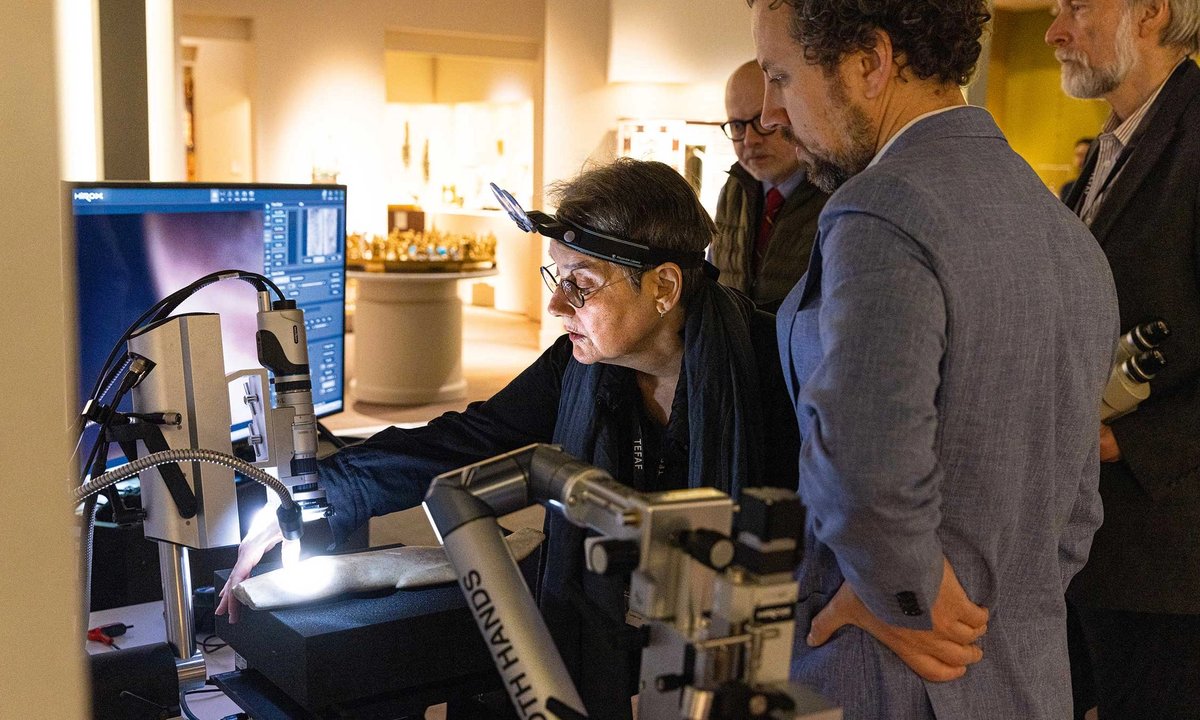
New rules on importing cultural artefacts create headaches at Tefaf Maastricht

The implementation of new EU regulations on the import of cultural goods over 250 years old is causing significant disruption at TEFAF Maastricht. Dealers and collectors are facing administrative hurdles, including difficulties obtaining mandatory EORI numbers and inconsistent enforcement by customs officials. These rules, which require extensive documentation for items originating outside the EU, have led to seized shipments and a general crisis of confidence among international exhibitors.