filter_list Showing 21 results for "Collection" close Clear
dashboard All 1018 museum exhibitions 541trending_up market 122article news 94article local 86article culture 46person people 40article policy 32gavel restitution 21rate_review review 17candle obituary 14article event 4article events 1
date_range Range Today This Week This Month All
Subscribe

frances lower house unanimously backs colonial era art restitution bill trial begins in stolen golden helmet case morning links for april 14 2026 1234781147

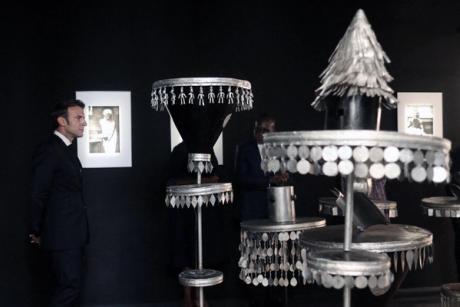
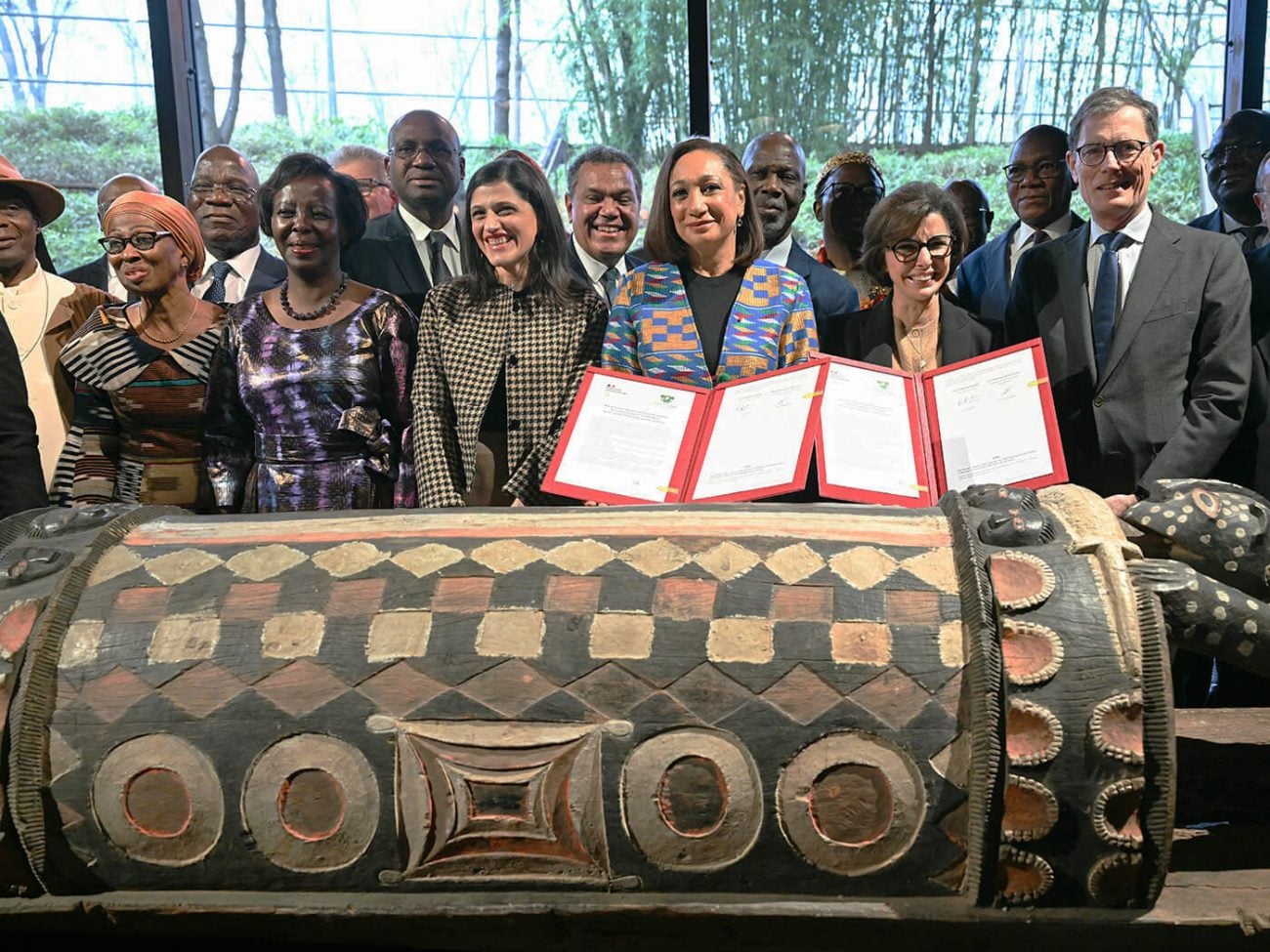
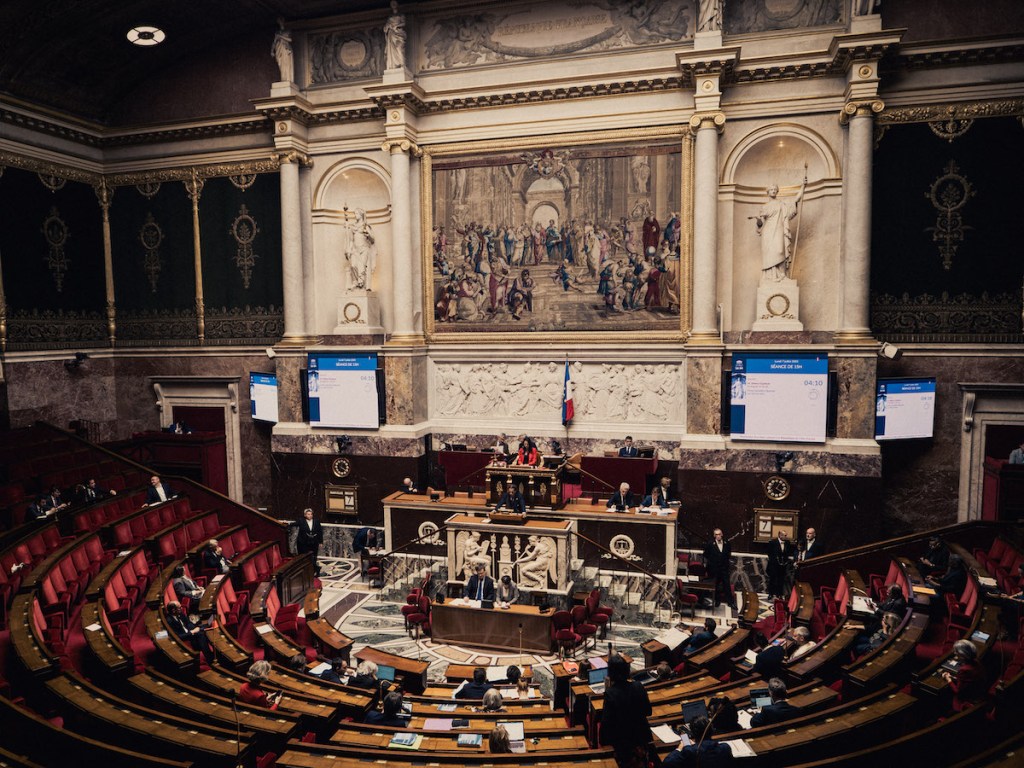
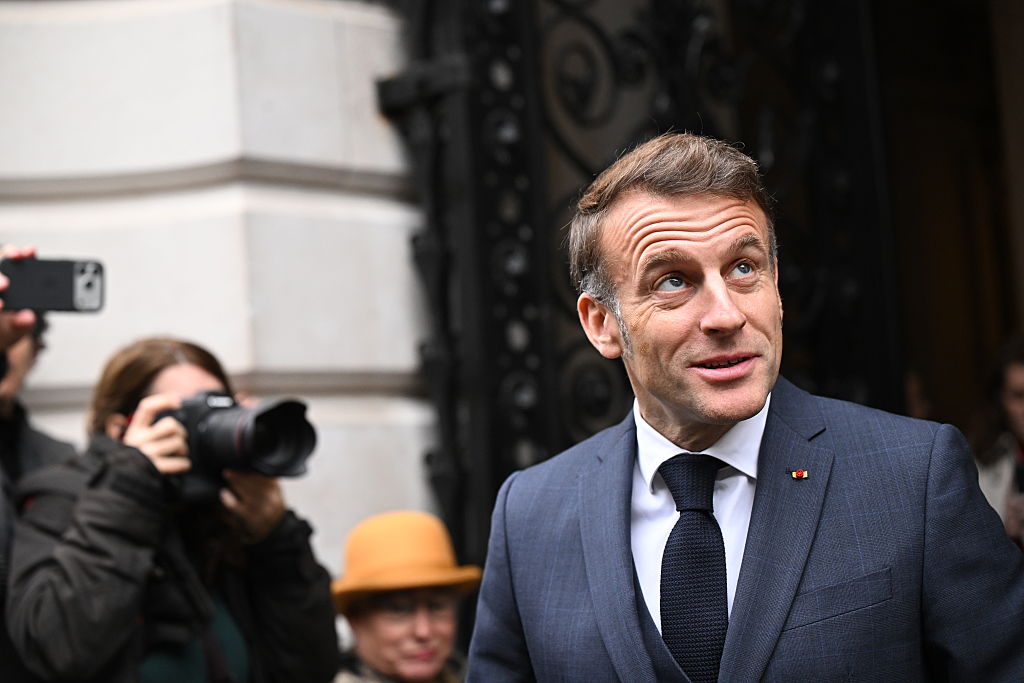
The French National Assembly has unanimously passed a landmark bill designed to streamline the restitution of cultural property looted during the colonial era between 1815 and 1972. While the legislation fulfills a long-standing promise by President Emmanuel Macron to return African heritage, the debate revealed deep political divisions; critics noted the bill avoids the word "colonialism," while conservative factions expressed concerns about depleting national museum collections.
Rare Books Stolen From Ex-MoMA President’s Home Recovered After Nearly 40 Years

Seventeen rare books, valued at over $2 million and stolen nearly 40 years ago from the Long Island estate of former Museum of Modern Art president John Hay Whitney, have been recovered and will be returned to his descendants. The trove includes a $2 million portfolio of handwritten letters from poet John Keats and first editions of works by James Joyce and Aleister Crowley.

Rare Books Stolen from Former MoMA President Are Returned

Manhattan District Attorney Alvin L. Bragg, Jr., has returned 17 rare books, collectively valued at nearly $3 million, to the heirs of John Hay and Betsey Cushing Whitney. The books were stolen from the couple's Long Island estate in the 1980s and include a bound collection of John Keats's love letters, a signed James Joyce volume, and an illustrated Brothers Grimm book. The recovery followed a tip from Manhattan book dealers in 2015, leading to search warrants executed in 2025 and 2026.

London’s V&A launches webpage exploring provenance of its objects

The Victoria and Albert Museum (V&A) in London has launched a dedicated digital hub to document the provenance of its collection, specifically addressing objects acquired through violence, coercion, or looting. The initiative includes detailed research on controversial items such as the Maqdala material from Ethiopia, Asante Regalia from Ghana, and imperial Chinese jade. This transparency effort coincides with International Provenance Research Day and aims to provide public accountability regarding the museum's colonial-era acquisitions.

France reckons with Nazi-looted art in a new Paris museum gallery

France has opened a new permanent gallery at the Musée d'Orsay in Paris dedicated to displaying Nazi-looted artworks that remain unclaimed. The gallery features 13 works from the MNR (Musées Nationaux Récupération) collection, including a painting by Alfred Stevens originally destined for Hitler's planned museum in Linz. The display is the first in the museum's history to show the backs of paintings, revealing stamps, labels, and inventory marks that trace how each piece moved from private Jewish homes into Nazi hands. The museum also launched its first research unit to trace rightful heirs, led by Ines Rotermund-Reynard.

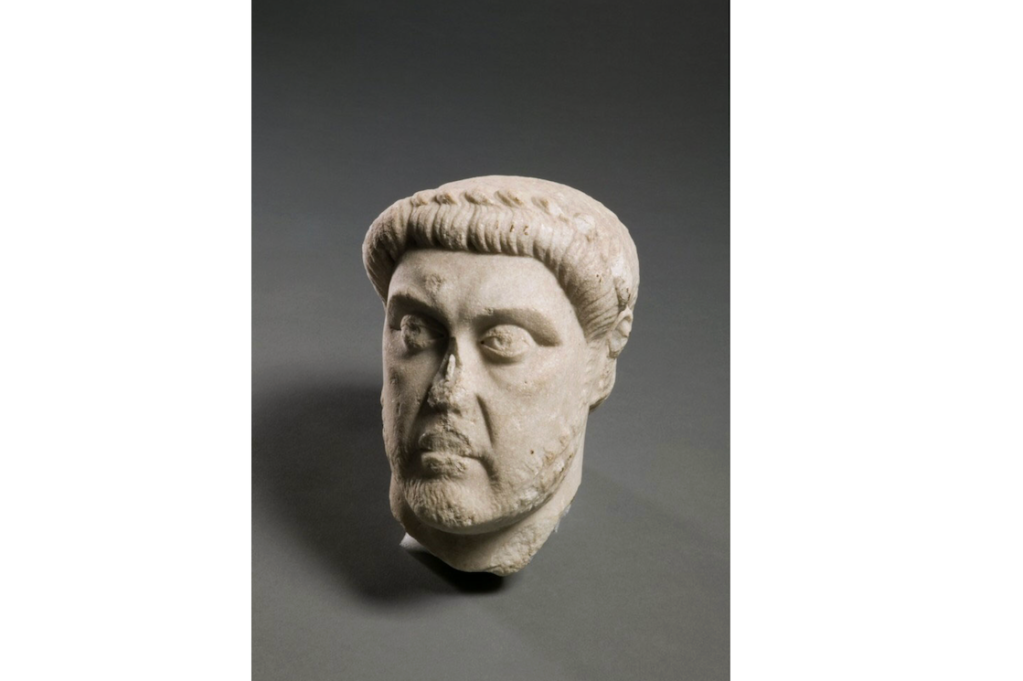
Turkey Notches Another Successful Restitution After Denver Art Museum Returns 1500-Year-Old Marble Head

The Denver Art Museum has repatriated a 1,500-year-old marble head of a bearded man to Turkey, following a successful restitution claim. The sculpture, which dates back to the fifth century BCE, was originally unearthed in the agora of the ancient city of Smyrna (modern-day Izmir) and was likely trafficked illicitly before entering the museum's collection. The artifact is now on public display at the İzmir Archaeology Museum.

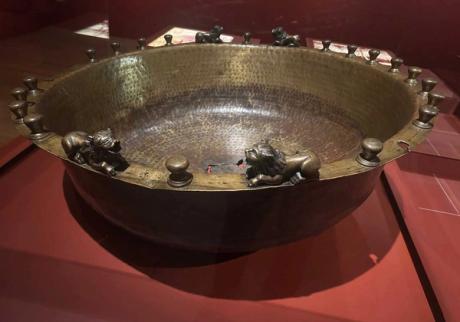
How did a 16th-century European basin end up as a sacred object in West Africa?

The Aya Kese, a massive 16th-century northern European brass basin, is currently on display at the British Museum while its complex history remains under scrutiny. Looted by British officer Robert Baden-Powell in 1896 from the Asante kingdom’s royal mausoleum in present-day Ghana, the object was long sensationalized by colonial accounts as a vessel for human sacrifice. Recent scholarship and historical records from Asante King Prempeh I contest these claims, asserting the basin’s sacred role as a spiritual repository for the souls of the Asante people.

France’s new restitution law passes final vote

The French parliament has officially passed framework legislation establishing a legal pathway for the restitution of cultural artifacts looted from former colonies. This landmark law, inspired by a report from former Louvre director Jean-Luc Martinez, allows for the deaccession of items taken by force or under duress between 1815 and 1972. While the law fulfills a 2017 pledge by President Emmanuel Macron, it remains strictly supervised, requiring bilateral scientific committees to verify claims and excluding military archives and archaeological shares.

Musée d’Orsay displays Renoir and Degas works looted by Nazis

The Musée d’Orsay in Paris has opened a new gallery dedicated exclusively to artworks suspected of being looted or forcibly sold during the Nazi occupation of France. Among the 13 works on display is Edgar Degas's *Dinner at the Ball* (1919), originally owned by Jewish collector Fernand Ochsé, who was deported to Auschwitz with his wife in 1941. The painting passed through multiple hands before being identified as one of over 100,000 artworks plundered by the Nazis. The museum has assembled a team of six provenance researchers to spend three years tracing the original owners of these works, which are part of the "MNR" (Musées nationaux récupération) collection—some 2,200 pieces deemed too important to sell but whose owners remain unknown.

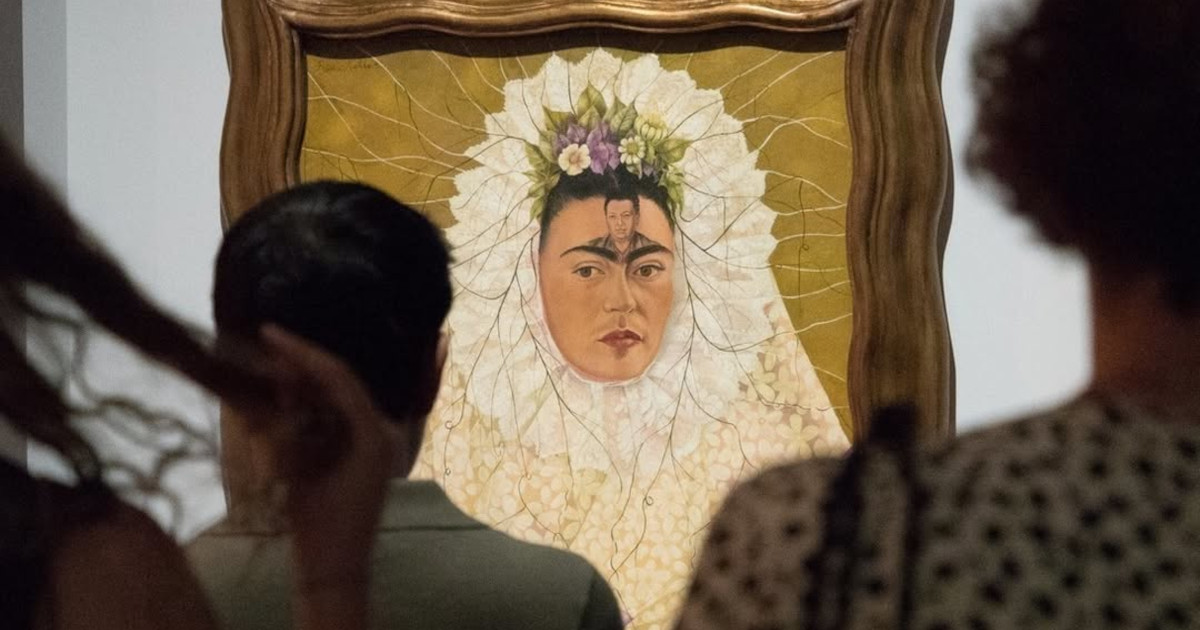
Valuable Art Collection Featuring Frida Kahlo Set To Leave Mexico Sparks Concern in Art Community

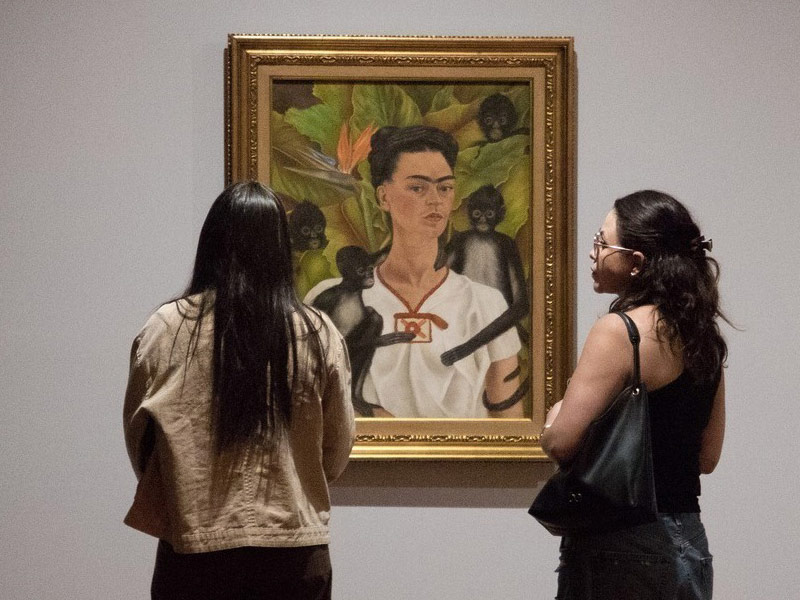
The Mexican art community is voicing alarm over the relocation of the prestigious Gelman Collection to Spain, where it is slated to become the centerpiece of the new Foro Santander cultural center. Managed by Santander Bank and previously acquired by the Zambrano family, the collection includes 160 works by modern masters such as Diego Rivera and David Alfaro Siqueiros, including 18 rare paintings by Frida Kahlo. Critics and academics have signed an open letter demanding transparency from the Mexican government regarding the legality of this long-term export, given that many of these works are designated as national artistic monuments.

National Assembly Unanimously Votes on Law for Restitution of Looted Colonial Works, but with Restrictions

L’Assemblée vote à l’unanimité la loi sur la restitution des œuvres pillées pendant la colonisation, mais avec des restrictions

The French National Assembly has unanimously passed a landmark law establishing a permanent legal framework for the restitution of cultural property looted during the colonial era. Moving away from the previous requirement for case-by-case legislation, the new law allows the government to return artifacts via decree following consultations with scientific and parliamentary commissions. This shift fulfills a long-standing promise to simplify the return of African heritage currently held in French public collections.

Protests in Mexico Against the Transfer of a Rare Collection to Spain

Protestations au Mexique contre le transfert en Espagne d’une rare collection

A coalition of nearly 400 art professionals in Mexico is protesting the planned transfer of the prestigious Gelman Collection to Spain. The collection, which includes iconic works by Frida Kahlo and Diego Rivera, is slated to move to the Faro Santander museum in northern Spain under a five-year management agreement with Banco Santander. Critics describe the move as a "public disaster," citing the opaque 2023 sale of the collection to the Zambrano family and the potential violation of Natasha Gelman’s original will, which stipulated the works remain in Mexico.

The Long Legal Saga Between Artist Ryder Ripps and the Bored Ape Yacht Club Is Finally Over

Yuga Labs, the creator of the Bored Ape Yacht Club (BAYC), has reached a confidential settlement with artist Ryder Ripps and his partner Jeremy Cahen, ending a multi-year legal battle over trademark infringement and appropriation art. The dispute began in 2022 when Ripps launched his RR/BAYC NFT collection, which used identical imagery to the original Bored Apes to protest alleged racist and alt-right symbolism within the project. As part of the agreement, Ripps and Cahen are now under a permanent injunction preventing them from using any Yuga Labs trademarks or images.

Dutch Commission Recommends New Guardianship for ‘Orphaned’ Nazi-Looted Art

A Dutch government-appointed committee has proposed transferring guardianship of thousands of unclaimed Nazi-looted artworks from a state agency to a Jewish foundation, preferably housed at the Jewish Museum in Amsterdam. The plan includes funding for exhibitions and explanatory labels to publicly display the so-called "orphaned" art from the Netherlands Art Property Collection.

france national assembly vote bill looted artifacts 1234781166

The French National Assembly has unanimously passed a landmark bill designed to streamline the restitution of cultural artifacts looted during the colonial era between 1815 and 1972. This legislative framework aims to replace the previous requirement for individual laws for every return, fulfilling a long-standing pledge by President Emmanuel Macron to restore African heritage. While the vote was unanimous, the debate was contentious, with critics arguing over the omission of the word "colonialism" to avoid far-right backlash regarding national "repentance."

Proposed Restitution Law in France Advances in National Assembly

The French National Assembly’s Cultural Affairs Committee has approved a landmark bill aimed at streamlining the restitution of cultural property looted from Africa during the colonial era. Moving away from the previous requirement for case-by-case legislation, the new framework allows restitutions to be ordered by ministerial decree, provided they fall within the 1815–1972 timeframe. This advancement follows years of debate sparked by President Emmanuel Macron’s 2017 pledge and the influential 2018 Sarr-Savoy report.

Berlin Museum to Return Almost 600 Skulls

Berliner Museum will fast 600 Schädel zurückgeben

The Prussian Cultural Heritage Foundation in Berlin has announced plans to repatriate hundreds of human skulls to West African nations following a multi-year provenance investigation. The research identified the origins of 574 skulls, with 336 linked to present-day Cameroon, 151 to Togo, 23 to Ghana, and one to Nigeria, while 63 could not be precisely located. The skulls were part of a historical anthropological collection transferred from Berlin's Charité university hospital in 2011.

Mexico faces sales of pre-Columbian art

Le Mexique face aux ventes d’art précolombien

The Mexican government is facing ongoing legal and diplomatic hurdles in its attempts to halt the sale of pre-Columbian artifacts in Paris. Despite formal protests from the Mexican embassy citing national heritage laws from 1827, auction houses like Millon continue to proceed with sales, generating millions in revenue. French authorities and legal experts maintain that Mexican national laws do not supersede French jurisdiction, which largely adheres to the 1970 UNESCO Convention regarding the illicit import and export of cultural property.

UK’s Brighton & Hove Museums to return 45 artefacts to Botswana

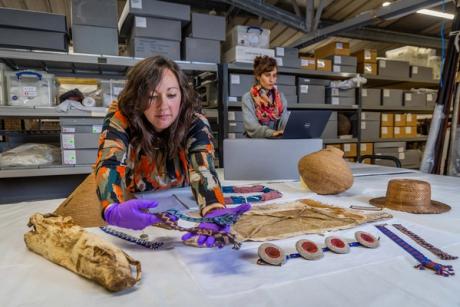
Brighton & Hove Museums in southern England will return 45 artefacts to Botswana. The objects, including clothing, accessories and hunting implements, were acquired by English reverend William Charles Willoughby in the 1890s and will be housed at the Khama III Memorial Museum in Serowe, where they will form part of a permanent exhibition opening on 27 May. A team from Brighton & Hove Museums is working with Botswanan curators on the return, which is scheduled for April.

France Passes Law Easing Process of Returning Looted Art

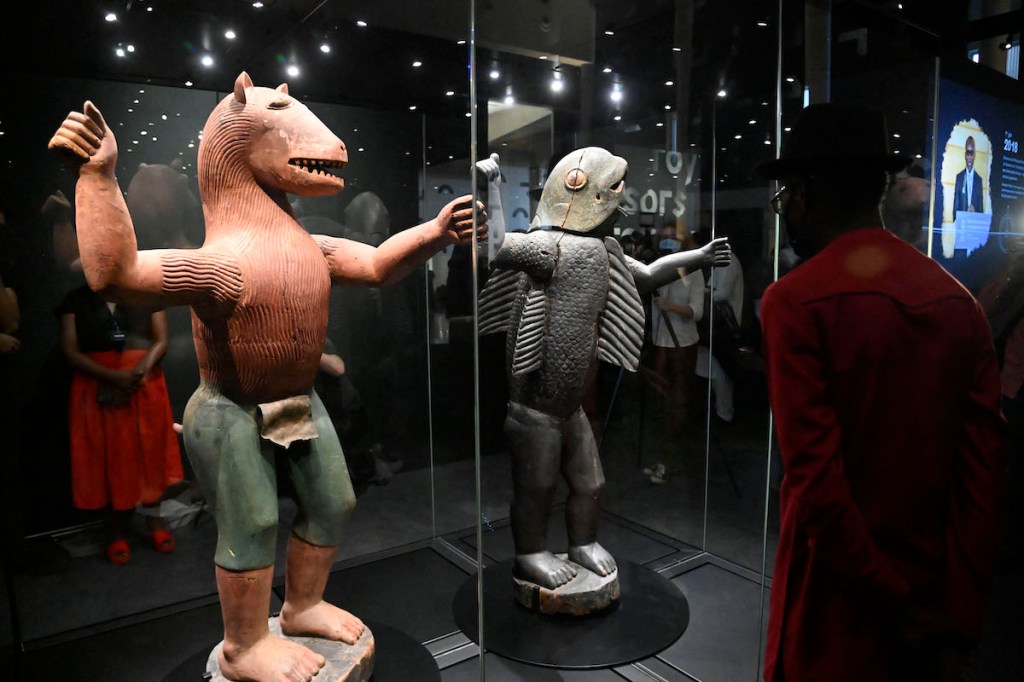
France has passed a new law that simplifies the process of returning looted art and cultural artifacts to their countries of origin. The legislation, championed by President Emmanuel Macron, is seen as a major step in addressing colonial-era acquisitions, particularly for African artworks held in French museums. Experts describe the law as a seismic shift in restitution policy, enabling faster and more systematic returns without requiring individual parliamentary approvals for each item.

Dutch Panel Designs Plan to Deal With ‘Orphaned’ Nazi-Looted Art

A Dutch advisory panel has recommended the creation of a new independent Jewish foundation to manage a vast collection of artworks looted by the Nazis that remain unclaimed. The collection, known as the NK collection, consists of over 3,000 objects currently held by the Dutch state, but whose original owners or heirs have not been identified.