filter_list Showing 21 results for "Cover" close Clear
search
dashboard All 577 museum exhibitions 258article local 76article news 68article culture 57trending_up market 54gavel restitution 21article policy 15rate_review review 11candle obituary 10person people 7
date_range Range Today This Week This Month All
Subscribe

The Netherlands is confronting its history of Nazi occupation – but many stolen objects remain unreturned

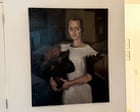
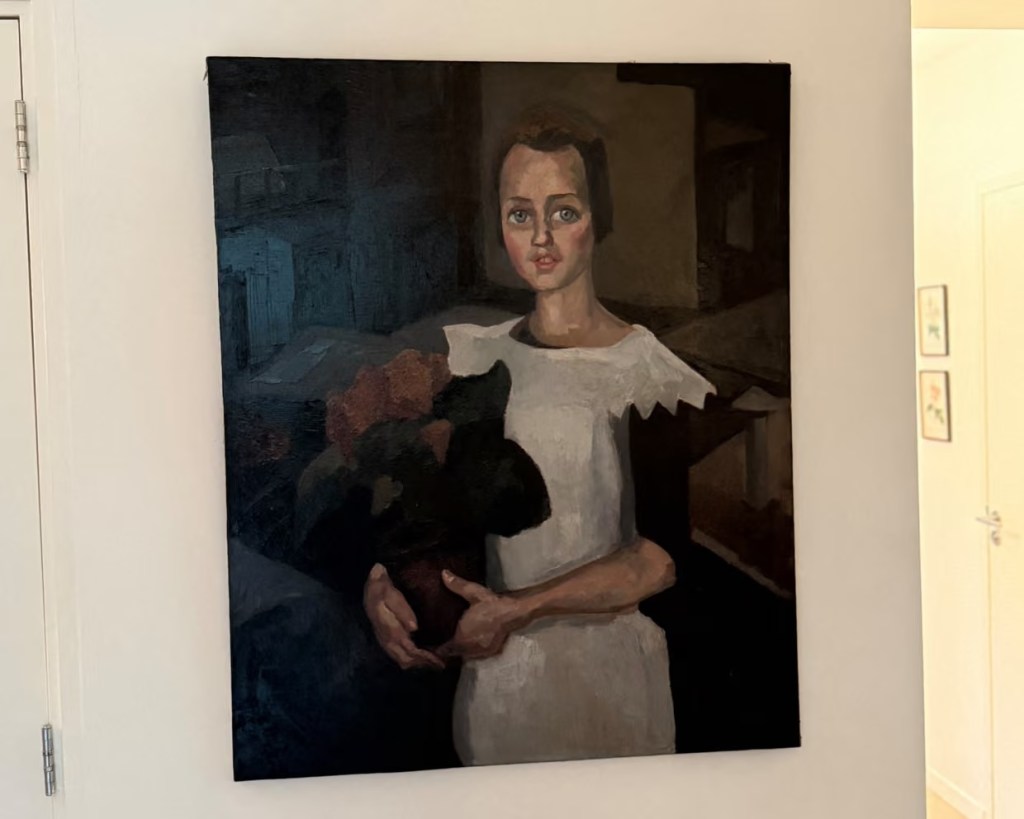
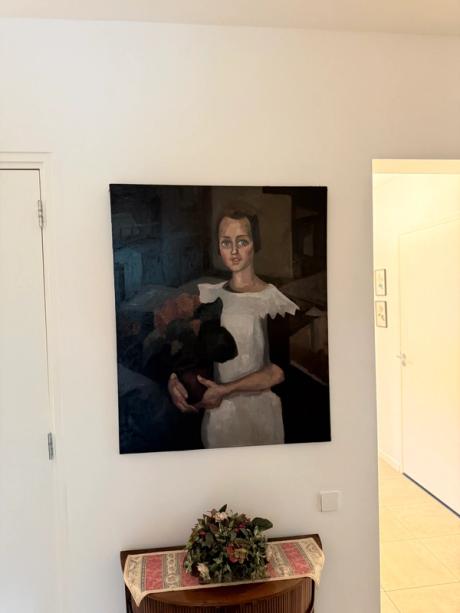
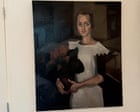
Arthur Brand, a Dutch art detective, was contacted by a man who discovered that his family descended from Hendrik Seyffardt, a high-ranking Nazi collaborator, and that a painting looted from Jewish art dealer Jacques Goudstikker remained in their possession. The painting, Toon Kelder's *Portrait of a Young Girl*, had hung in a relative's home near Utrecht for years. The family, who changed their name after WWII, handed the painting to Brand after the story broke in Dutch media, expressing shame and outrage over the silence surrounding their history.
Tiny Cranach Painting That Vanished During WWII Returns to Dresden

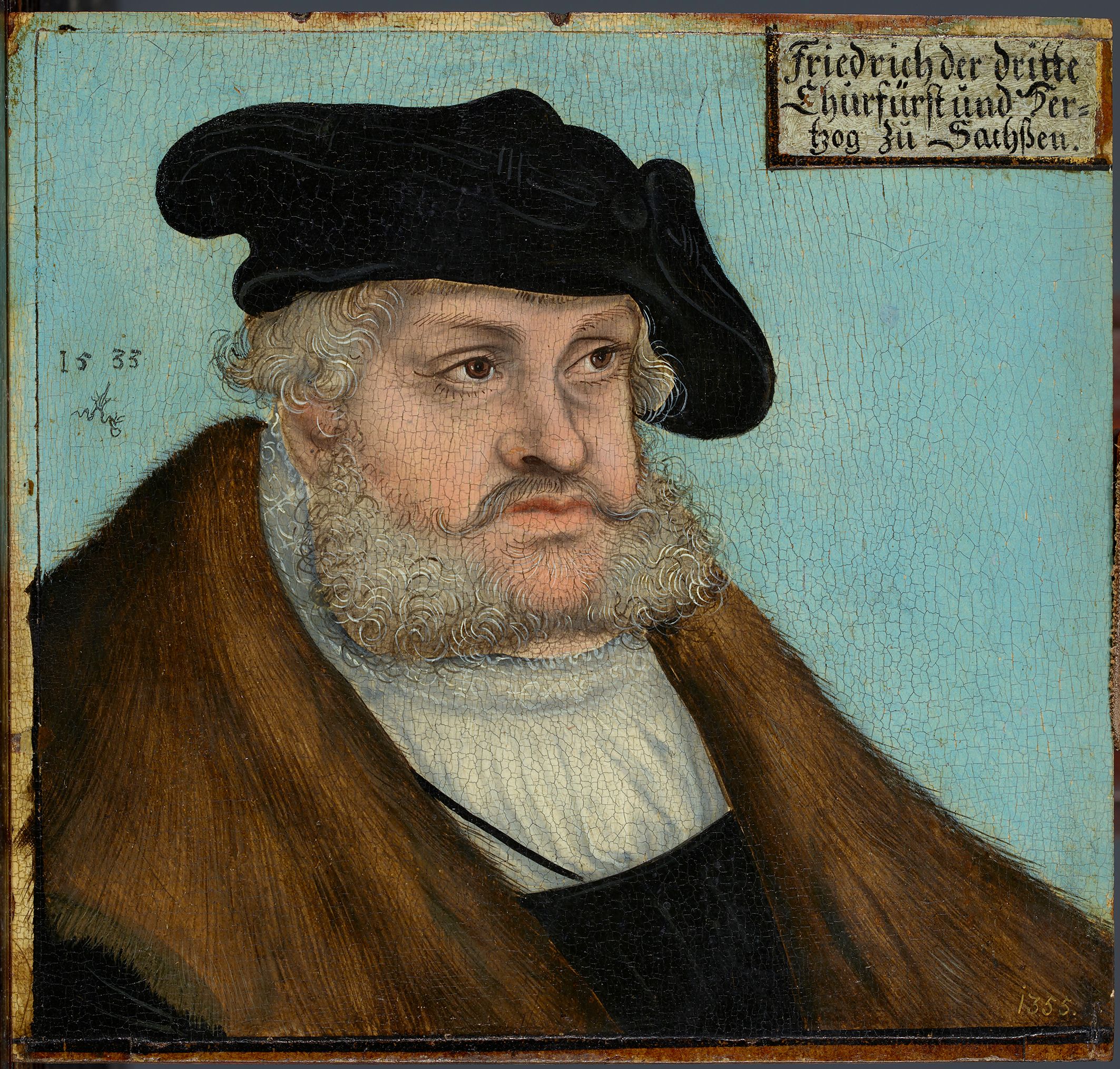
A miniature portrait of Friedrich III (Frederick the Wise) by Lucas Cranach the Elder, missing since World War II, has been returned to the State Art Collections of Dresden, Germany. The painting was last documented in May 1945 in a limestone quarry shelter near Pockau-Lengefeld before vanishing. It resurfaced in 2024 when consigned to Parisian auction house Artcurial, whose provenance investigation revealed a matching inventory number from 1722–1728. The Dreyfus family in France, the modern owners, returned the work after negotiations and a financial agreement. It is now on view at the Coin Cabinet of the Royal Palace in a special exhibition marking the 500th anniversary of Friedrich III's death, and will later be permanently displayed in the Semper Gallery.

A Lucas Cranach the Elder Masterpiece Once Hung in Hitler’s Munich Apartment

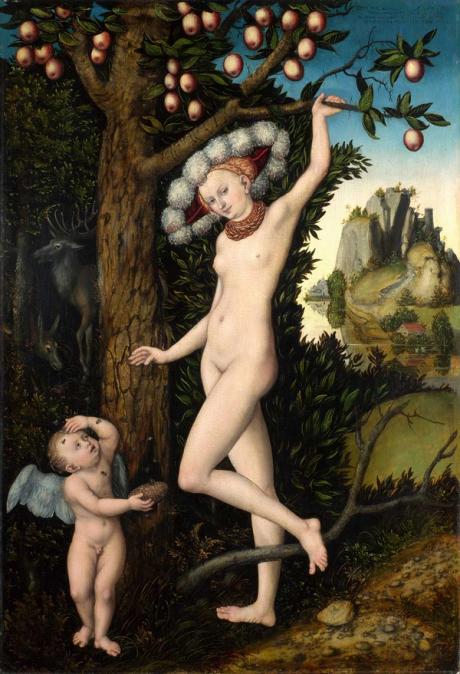
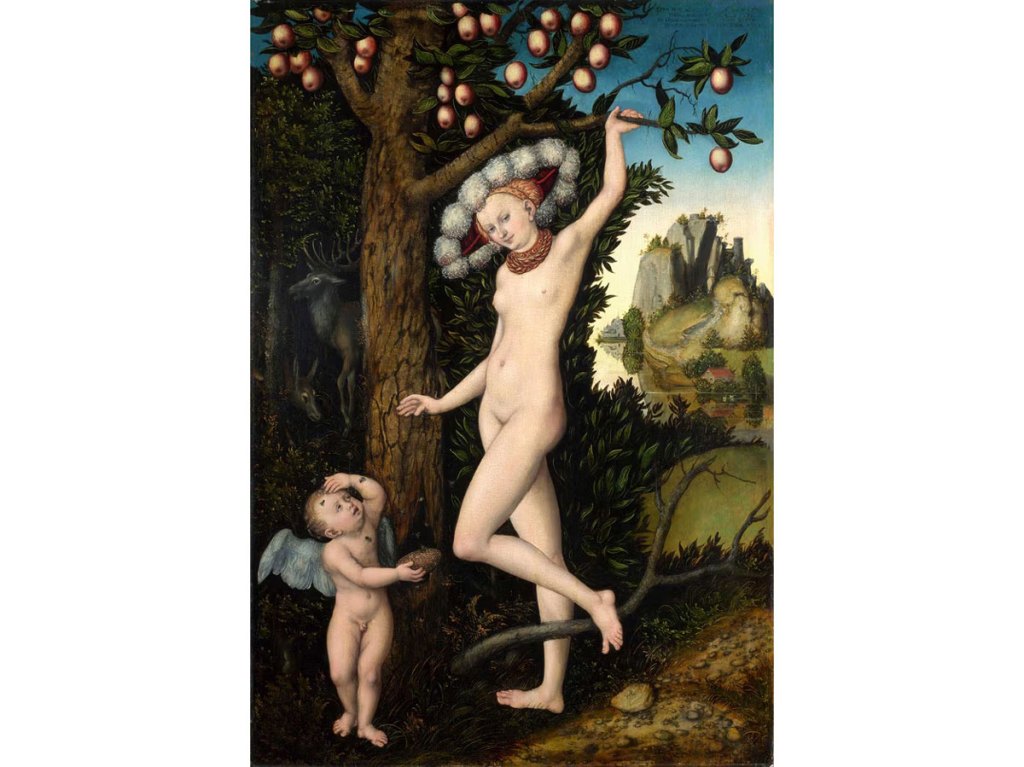
A Lucas Cranach the Elder painting, *Cupid complaining to Venus* (1526–27), once hung in Adolf Hitler's Munich apartment, according to a report by the Art Newspaper. The work was identified in a 1940s photograph published in a 1978 furniture catalog and later in a 2023 article by art historian Birgit Schwarz, who confirmed Hitler's ownership via a 2006 discovery of an album at the Library of Congress. After World War II, American journalist Patricia Lochridge took the painting from a warehouse in Berchtesgaden and smuggled it to the US. The National Gallery in London acquired it in 1963 from A. Silberman Galleries, which falsely claimed it came from the 1909 auction buyer's heir; it had actually been purchased from Lochridge.

Famous Cranach painting spotted in rare photograph of Hitler’s apartment

A rare photograph from the early 1940s reveals that Lucas Cranach the Elder's painting *Cupid complaining to Venus* (1526-27), now a masterpiece in the National Gallery, London, once hung in Adolf Hitler's private Munich apartment. The image, previously published in Germany by provenance expert Birgit Schwarz, appears for the first time in an English-language publication. The painting was acquired by the National Gallery in 1963 from E. and A. Silberman Galleries in New York, which provided a false provenance. It had been taken from a warehouse of recovered art in 1945 by American journalist Patricia Lochridge, who smuggled it into the United States.

Portrait looted by Nazis found in home of Dutch SS leader’s family

An artwork looted by the Nazis from the renowned Goudstikker collection has resurfaced in the home of descendants of Hendrik Seyffardt, a notorious Dutch SS collaborator. The painting, *Portrait of a Young Girl* by Toon Kelder, was discovered by art detective Arthur Brand after a family member contacted him, revealing that the piece had hung for decades in the home of Seyffardt’s granddaughter. Brand traced the painting to a 1940 auction where part of the looted Goudstikker collection was sold, and lawyers for the Goudstikker heirs have confirmed the work was stolen and called for its return.

Fifty years after Franco, Spain begins to give back art seized during the Civil War

A 2022 Spanish law has quietly triggered a wave of restitutions of art looted during the Spanish Civil War, more than 50 years after dictator Francisco Franco's death. The Museo del Prado has identified 166 confiscated artworks in its collection, including works by Joaquín Sorolla and Pedro Atanasio Bocanegra, and has begun returning pieces such as a panel painting by Maestro de Lupiana to the parish of Yebes. Scholar Arturo Colorado Castellary has uncovered over 26,000 confiscated objects, with around a third never returned to their owners, many deposited in museums, churches, and public administrations.

Malaysia Showcases Recovered 1MDB Artworks, From Picasso to Miró

Four artworks recovered from the 1MDB scandal—by Picasso, Miró, Balthus, and Maurice Utrillo—have gone on public display for the first time at the Malaysian Anti-Corruption Commission headquarters in Putrajaya. The paintings were repatriated from New York after being traced through Sotheby’s and shipped back to Malaysia on April 14. They are part of a broader art trail linked to the massive financial fraud, with Malaysian officials framing the display as an act of restitution rather than an art event.

In This Nazi-Era Restitution Dispute, the Focus Turns to a Missing Cow

A family is seeking restitution of a painting they believe is a lost Rubens work, looted by Nazis during World War II. However, an expert has cast doubt on the claim, arguing the painting is a copy because it lacks a distinctive detail found in the original: a urinating cow. The dispute has shifted focus to this missing element, complicating the family's efforts to recover the artwork.

Nazi-Looted Portrait Surfaces in Home of Descendants of Dutch SS Leader

A Nazi-looted painting, *Portrait of a Young Girl* by Dutch artist Toon Kelder, has been discovered in the home of descendants of Hendrik Seyffardt, a Dutch SS collaborator who aided the Nazis during World War II. The work, stolen from the renowned Goudstikker collection, was allegedly displayed for decades by Seyffardt's family. An anonymous descendant contacted art detective Arthur Brand after learning of his family's past and seeing the painting in the hallway of Seyffardt's granddaughter. The family member told Dutch newspaper *De Telegraaf* that he feels "deep shame" and insists the painting must be returned to the Jewish rightful heirs.

Who Owns These Artworks? Musée d’Orsay Hopes Visitors Can Help Find Out.

The Musée d’Orsay in Paris has opened a new room in its permanent display featuring 13 artworks recovered from Germany and Austria after World War II, whose provenance remains unknown. The museum is inviting visitors to help identify the original owners of these pieces, which were looted or displaced during the war and later restituted to France.

Authorities in New York return more than 650 looted antiquities, valued at nearly $14m, to India

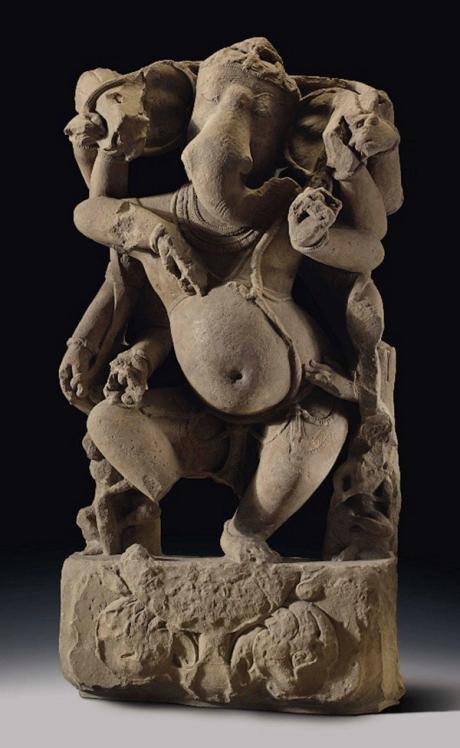
The Manhattan District Attorney's office, led by Alvin Bragg, returned 657 looted antiquities valued at nearly $14 million to Indian authorities in late March 2025. The pieces, recovered through investigations into criminal trafficking networks, include a $2 million bronze Avalokiteshvara stolen from a museum in Raipur, a $7.5 million red sandstone Buddha smuggled by convicted trafficker Subhash Kapoor, and a sandstone dancing Ganesha looted from a Madhya Pradesh temple that passed through dealer Doris Wiener and was sold at Christie's in 2012.

Nazi-looted painting discovered in home of Dutch SS commander's heirs

Art detective Arthur Brand announced the discovery of a Nazi-looted painting, *Portrait of a Young Girl* by Toon Kelder, in the home of the heirs of Hendrik Seyffardt, a notorious Dutch SS commander. The painting was part of the more than 1,100 works plundered from Amsterdam art dealer Jacques Goudstikker by German occupiers. An anonymous heir, who changed his family name, contacted Brand after learning of his ancestry, expressing shame and demanding the painting be returned to the rightful Jewish owners. The current owner, a relative, claims ignorance of its provenance and says the family is discussing restitution.

Manhattan D.A.’s Office Returns More Than 650 Looted Artifacts to India

On April 28, Manhattan District Attorney Alvin L. Bragg, Jr., announced the return of 657 trafficked antiquities valued at nearly $14 million to India. The items were recovered by the D.A.'s Antiquities Trafficking Unit and Homeland Security Investigations, and formally returned at a ceremony in New York. Among the repatriated pieces are a bronze figure of Avalokiteshvara (valued at $2 million), stolen from the Mahant Ghasidas Memorial Museum in Raipur in 1982; a red sandstone Buddha statue (valued at $7.5 million) smuggled by convicted dealer Subhash Kapoor; and a sandstone Ganesha sculpture looted by trafficker Vaman Ghiya and sold through Christie's by Nancy Wiener, who was later convicted of antiquities trafficking.

U.S. Returns Hundreds of Looted Antiquities to Italy

U.S. officials formally returned 337 looted antiquities, archival materials, and artworks to Italy during a ceremony at Rome’s La Marmora barracks. The objects, spanning from the Villanovan era (900–700 B.C.E.) through the Hellenistic period (323–31 B.C.E.), include Etruscan, Greek, Italic, and Egyptian artifacts. The repatriation was coordinated by Italy’s Carabinieri Command for the Protection of Cultural Heritage, the U.S. Federal Bureau of Investigation, the Department of Homeland Security, and the office of Manhattan District Attorney Alvin Bragg Jr. Key items include a marble head of Alexander the Great, a bronze sculpture from Herculaneum, and Egyptian basalt sculptures. Some 221 objects were recovered via the Manhattan DA, while the remaining 116 were secured with help from Christie’s.

US Returns 337 Looted Objects to Italy in Repatriation Effort

The United States officially returned 337 looted antiquities to Italy at a ceremony held at La Marmora barracks in Rome. Of these, 221 objects were repatriated through the Manhattan District Attorney’s Office, while the remaining 116 were recovered on April 10, 2026, via joint efforts by the FBI, Homeland Security Investigations, the District Attorney’s Office, and Christie’s New York auction house. The objects span from the Villanovan era (900–700 BCE) to the Hellenistic period (323–31 BCE) and include a 1st-century CE marble head of Alexander the Great, a bronze sculpture from Herculaneum, and two Egyptian basalt sculptures.

337 œuvres et objets volés récupérés : la vaste opération italienne de lutte contre le trafic de biens culturels aux États-Unis

On April 29, Italy's carabinieri dedicated to cultural heritage protection announced the recovery of 337 looted or stolen artworks and objects repatriated from the United States between December 2025 and April 2026. The haul includes archaeological artifacts, archival documents, and other artworks, such as a marble head of Alexander the Great from the 1st century AD, a bronze sculpture stolen from Herculaneum, and two Egyptian basalt sculptures. The objects were dispersed through international markets using forged provenance documents, and their return involved U.S. agencies including the FBI.

Les États-Unis restituent près de 300 biens culturels à l’Italie

Italy presented 337 cultural artifacts repatriated from the United States at the Caserma "La Marmora" in Rome, following operations between December 2025 and April 2026. The objects span from the 5th century BCE to the 3rd century CE, including Roman sculptures, bronze works, pottery, jewelry, coins, and architectural fragments. Among the notable pieces is a marble head attributed to Alexander the Great, stolen from a Roman museum in 1960, and a bronze sculpture looted from Herculaneum. The recovery involved the Manhattan District Attorney's office, the FBI, Homeland Security Investigations, and Christie's New York, with 221 items seized through the DA's collaboration and 116 returned in April.

Une souscription pour la Maison-atelier Lurçat

The Académie des beaux-arts has launched a subscription campaign to acquire a monumental tapestry by Jean Lurçat, recently rediscovered by Christie's. The tapestry, titled *Bestiaire* (1930), measures 3 by 6.45 meters and was originally created for the artist's home-studio in Paris's 14th arrondissement. It will be publicly unveiled at Christie's Paris on May 6–7, 2025, before a private sale between the Académie and the auction house for €110,000. Donations are being collected online or by check to fund the purchase.

Man who pocketed tiles from medieval priory as boy returns them 60 years later

Simon White, now 68, returned three fragments of medieval clay tiles he took as a nine-year-old from Wenlock Priory in Shropshire during a family outing in the late 1960s. The tiles, dating from the late 13th to early 14th century, were discovered in an old toffee tin during a house move. White contacted English Heritage, which confirmed the provenance using family diaries and historical analysis. One fragment features a previously unknown dragon motif, exciting medievalists.

Investigators search again for stolen Celtic gold treasure

Ermittler suchen erneut nach gestohlenem Kelten-Goldschatz

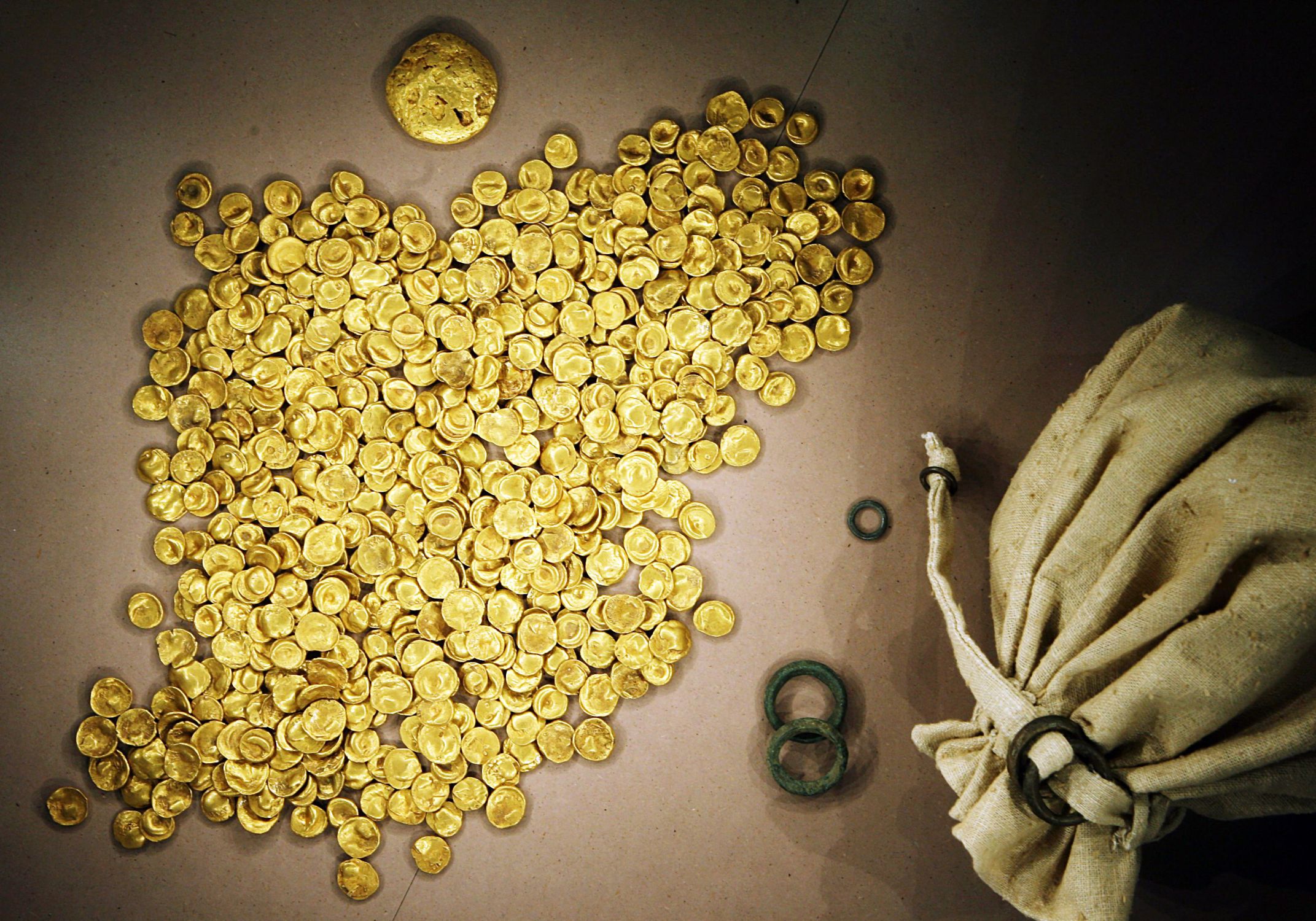
More than three years after the theft of a Celtic gold treasure from the Kelten Römer Museum in Manching, Bavaria, investigators are conducting a new search for the missing loot. Four perpetrators were arrested and sentenced to long prison terms in July 2025, but only a small portion of the stolen gold coins was recovered. Now, based on new intelligence, Bavarian state police are searching the property of the main suspect and his partner in Plate, Mecklenburg-Vorpommern, using X-ray and radar technology. They believe 411 gold coins and a gold casting ingot—about three kilograms of gold—are professionally hidden there, along with cash from other burglaries. The suspect's partner is under investigation for money laundering for allegedly offering to help sell the gold.

Bavarian State Police Return Saint Figures to the Czech Republic

LKA gibt Heiligenfiguren an Tschechien zurück

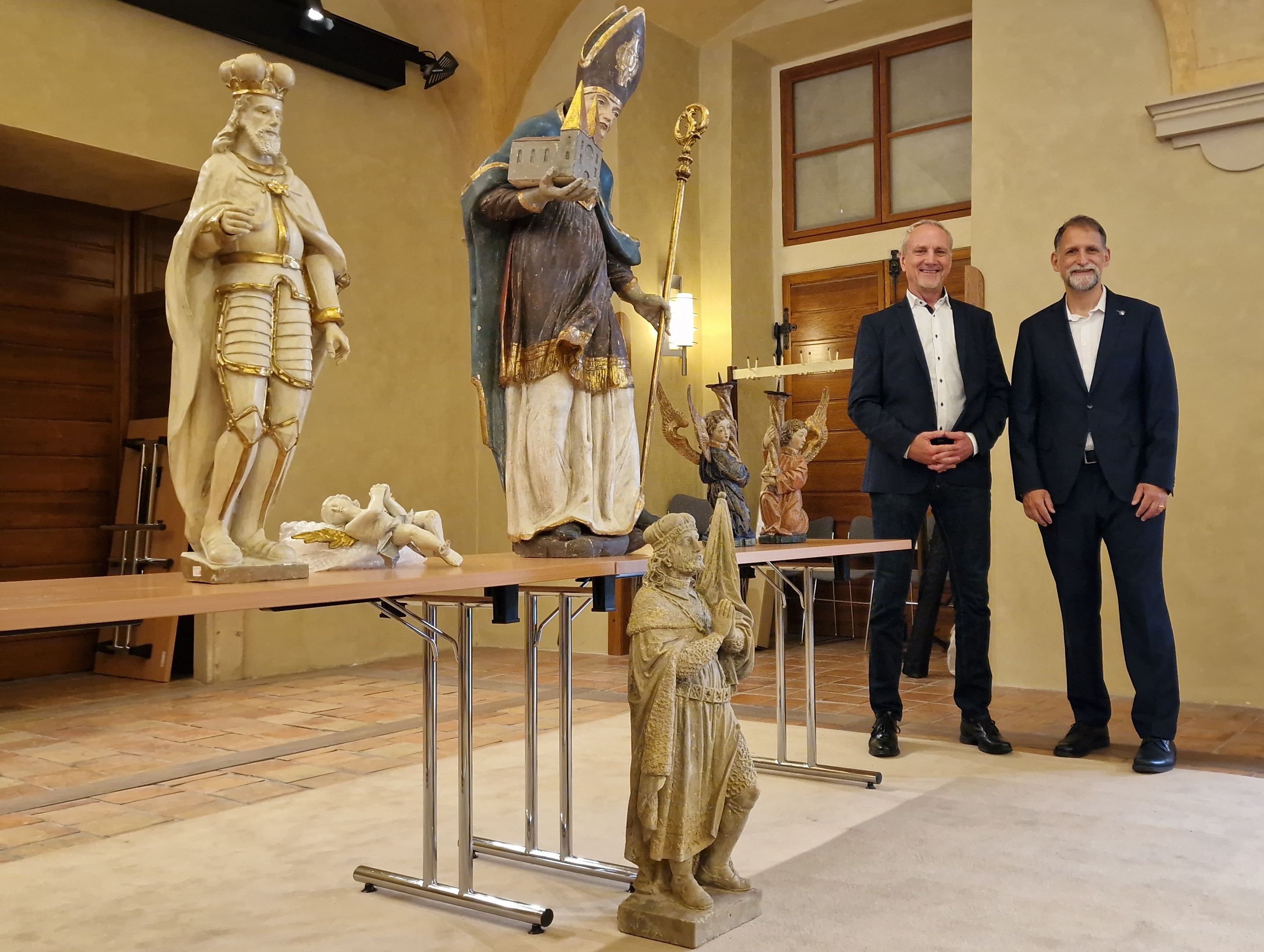
Bavarian state police (LKA) have returned five stolen religious sculptures—saints and angel figures—to Czech authorities. The artworks, some dating back centuries, were stolen from Czech churches as early as 1993 and later offered for online sale in Bavaria and Berlin. The handover ceremony took place in Prague, coordinated with Germany's Federal Government Commissioner for Culture and Media (BKM).